

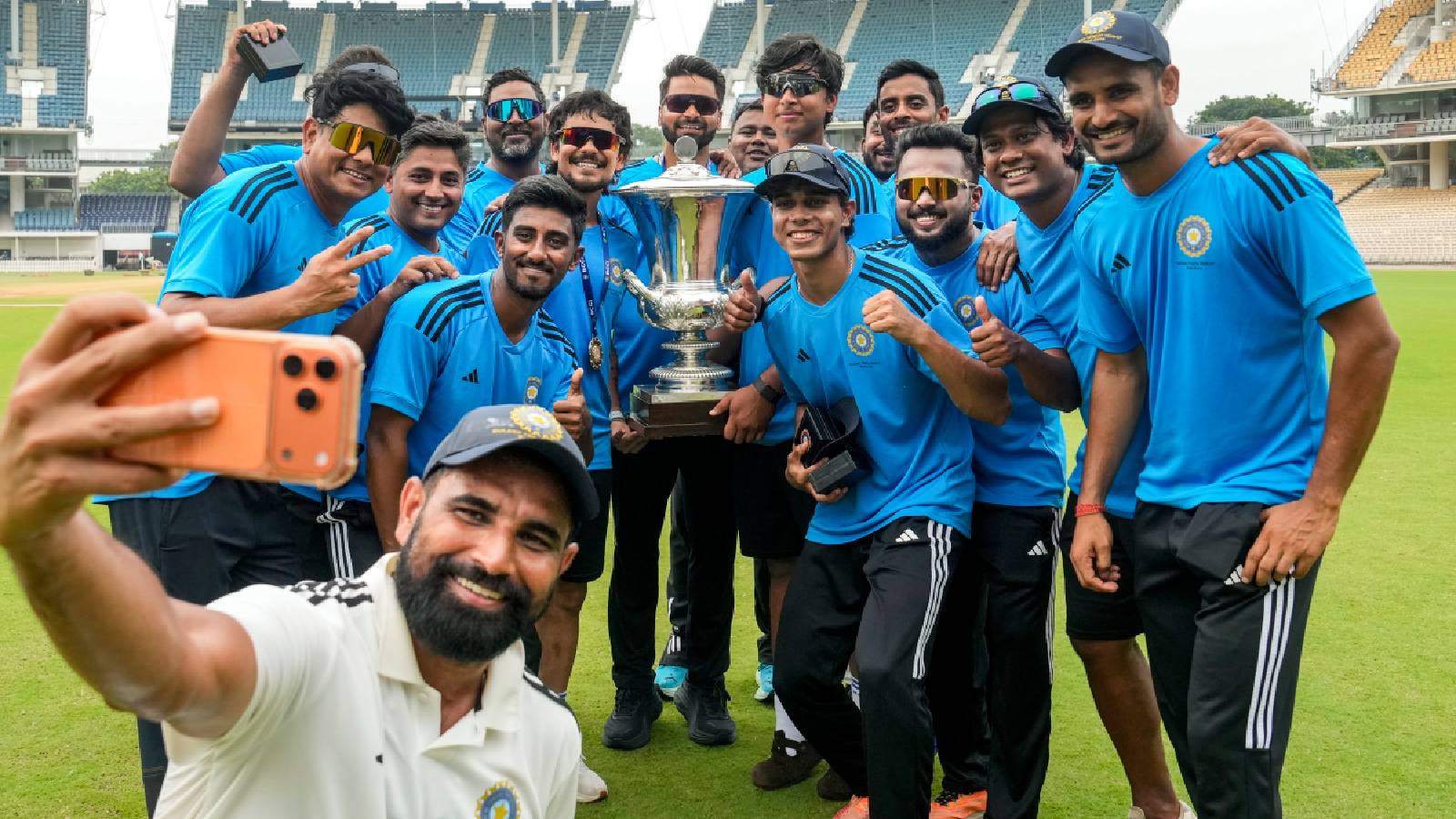
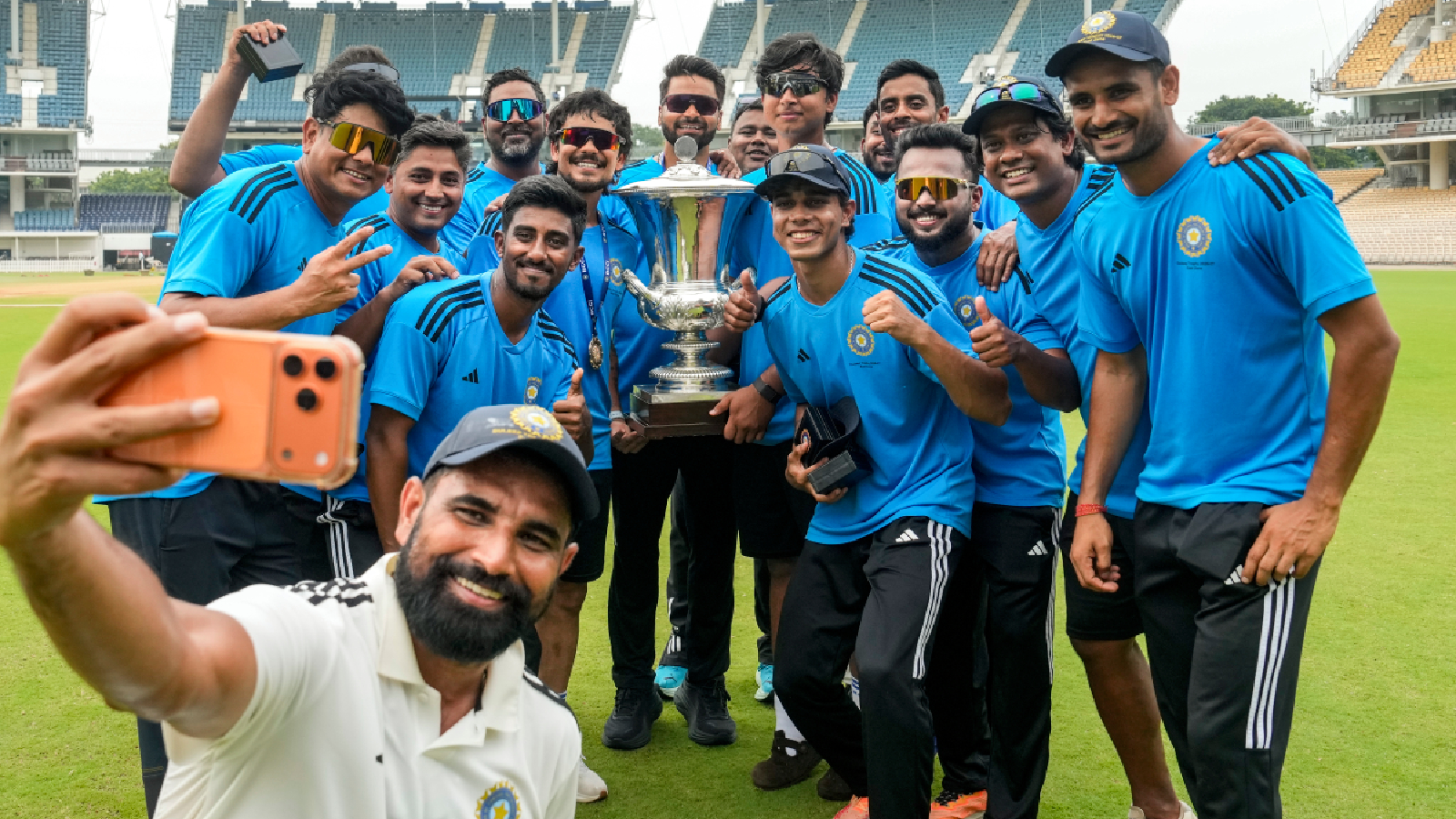
Chennai, Tamil Nadu – September 10, 2026 – As the East Zone cricket team hoisted the Duleep Trophy, celebrating their first title win since 2012, one figure stood slightly apart, yet undeniably at the heart of their triumph: Mohammed Shami. The veteran pace spearhead, whose international future remains shrouded in speculation, delivered a performance in the final against South Zone that was nothing short of a masterclass, commanding the attention of fans, teammates, and even the national selectors present in the stands. His incandescent display over five grueling days in Chennai was a powerful, if unspoken, plea for recognition, underscored by an unwavering commitment to the game itself.
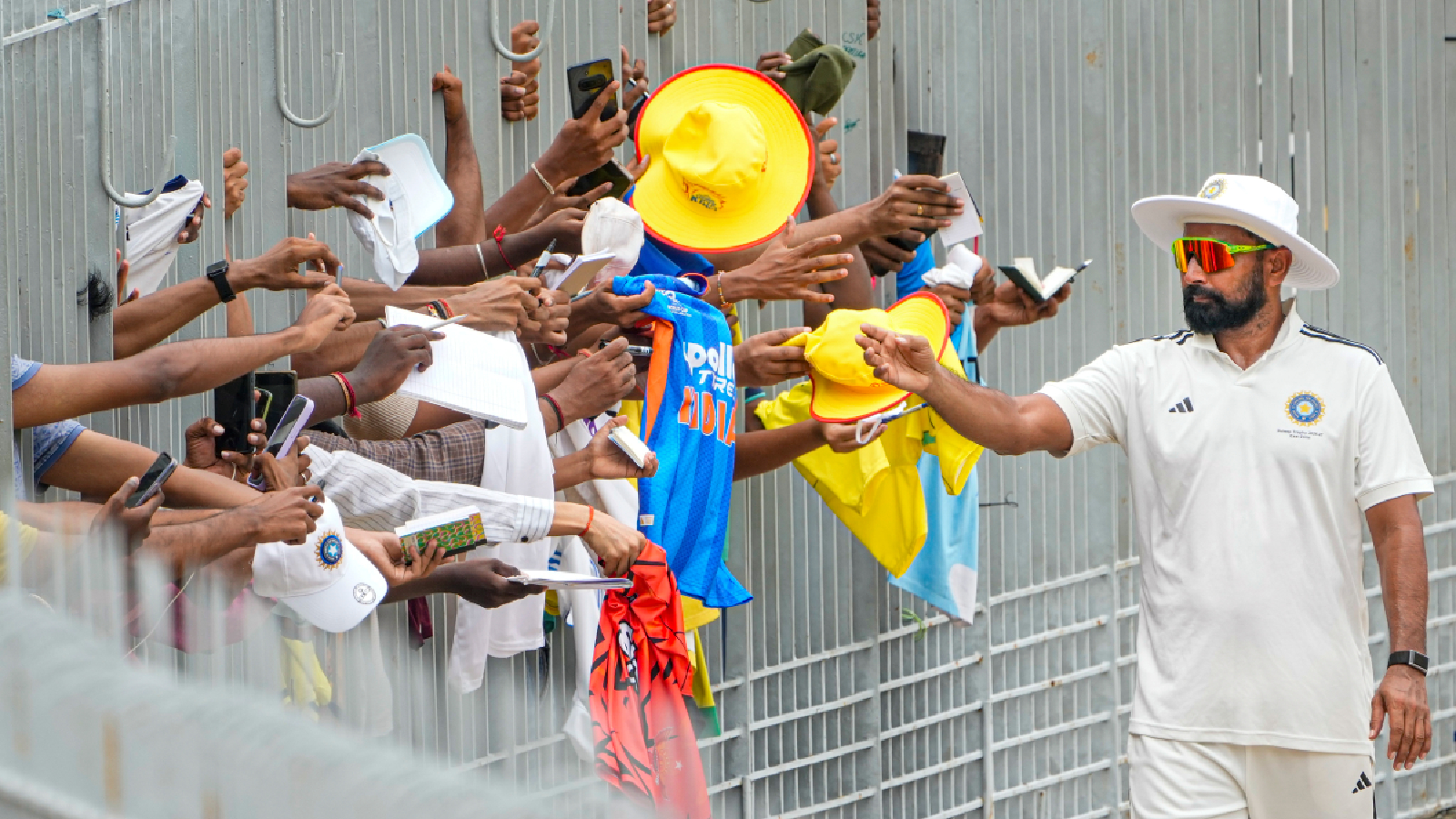
In the sweltering heat and humidity of Chennai, where pitches often offer little solace to fast bowlers, Shami defied expectations. His ability to make the ball talk, whether through conventional swing with the new Kookaburra or venomous reverse swing with the old, was a stark reminder of his enduring class. While the national selection committee might view him as a "surplus" commodity in their evolving plans, the adoring crowds at the stadium unequivocally declared him indispensable, reserving their loudest cheers and most fervent requests for autographs and selfies for the 36-year-old paceman. Shami, ever the humble servant of the game, obliged them daily, spending nearly ten minutes after each day’s play connecting with the very public that still believes in his magic.
Main Facts: A Trophy Secured, a Statement Made
East Zone’s victory in the Duleep Trophy 2026-27 final was formally sealed at tea on Day 5, culminating a dominant performance against a formidable South Zone. This victory marked a significant milestone, bringing the coveted domestic title back to East Zone after a long hiatus of 14 years. At the forefront of this achievement was Mohammed Shami, whose experience, skill, and sheer will power were instrumental. Despite bowling only once in the final due to his team’s strong batting performance, his impact was profound and decisive.
His performance was under the direct gaze of the national selectors, including chairman Ajit Agarkar, who had traveled to Chennai to observe the talent pool. Shami’s display, marked by control, variation, and wicket-taking ability across varied conditions, presented a compelling case for his continued relevance at the highest level. However, in a post-match interaction, Shami politely but firmly requested that questions regarding an Indian team call-up be avoided. His response, "My job is simply to put in the hard work—the rest is in the hands of Allah," accompanied by an upward glance, encapsulated a philosophy of dedication divorced from immediate outcome, yet also hinting at a resignation to forces beyond his control. It seemed, to many observers, that only a "divine intervention" might pave his path back into the Indian dressing room.
Chronology: Shami’s Unfolding Brilliance in Chennai
The Duleep Trophy final unfolded over five arduous days, with East Zone ultimately outclassing South Zone. While the full match statistics weren’t detailed, Shami’s pivotal contributions were highlighted. On Day 3 afternoon, with the match progressing and conditions becoming increasingly challenging for pacers, Shami showcased his mastery with the old ball. It was here, under the unforgiving Chennai sun, that he unleashed a spell of reverse swing that bamboozled the South Zone batsmen.
His two wickets in the final, though numerically modest, were described as products of exceptional skill and tactical acumen. The dismissal of Shaik Rasheed served as a prime example of his strategic brilliance. Shami meticulously set up the young batsman, consistently taking the ball away from him, building an expectation of outward movement. Then, with a sudden, sharp delivery, he brought the ball back in, trapping Rasheed and claiming a crucial breakthrough. This particular moment underscored Shami’s understanding of Test cricket as a "game of setups," where wickets are not accidental but meticulously planned, especially on pitches offering little natural assistance.
Throughout the match, Shami’s presence was a constant source of inspiration and a practical lesson in fast bowling. While other pacers from both sides often struggled to maintain consistency in line and length or extract movement, Shami remained an exception. His ability to seamlessly transition from conventional swing with the new ball to effective reverse swing with the old, even on an unresponsive surface, demonstrated a rare adaptability and profound understanding of his craft. He navigated the low bounce and lack of conventional swing, trusting his fundamental line and length to create opportunities, proving that even in the "November of his career," he still had new tricks, or rather, perfected old ones, to unveil.
Supporting Data: The Art of Pace in Adversity
Shami’s performance in the Duleep Trophy final was a testament to his comprehensive skill set, particularly his ability to adapt to diverse and often unyielding conditions. The Chennai pitch, known for its slow nature and tendency to offer minimal assistance to fast bowlers, presented a stark contrast to the more bowler-friendly tracks often encountered in places like Bengaluru. Yet, Shami thrived.
His success lay in his meticulous approach to exploiting the conditions. When conventional swing was elusive, he focused on precision, hitting consistent lines and lengths that tested the batsmen’s patience and technique. More impressively, he demonstrated an acute understanding of reverse swing – a potent weapon in subcontinental conditions. "Honestly, if you can’t exploit reverse swing in this kind of heat, what’s the point?" he remarked, a statement that speaks volumes about his mastery. The heat and dryness of Chennai are ideal for roughening up one side of the ball, making it conducive for reverse swing, and Shami utilized this phenomenon with devastating effect. He didn’t just bowl fast; he bowled smart, making the ball deviate unpredictably and unsettling the opposition.
His limited wicket tally in the final belied the immense pressure he created and the crucial role he played in the East Zone’s strategy. Fast bowling, especially in conditions that don’t overtly favour it, is often about creating breakthroughs and building pressure, rather than just raw numbers. Shami’s spells ensured that even when wickets weren’t falling directly to him, the batsmen were constantly under duress, paving the way for other bowlers or inducing errors. His ability to bowl long, disciplined spells in the punishing Chennai weather further underscored his fitness and unwavering commitment, challenging any preconceived notions about his age or endurance.
Official Responses: A Player’s Philosophy and Selectorial Silence
Mohammed Shami’s interaction with the media post-victory offered a window into the mind of a seasoned campaigner who has likely faced the emotional rollercoaster of selection decisions numerous times. His polite but firm refusal to engage in questions about an Indian team call-up was telling. It wasn’t defiance, but rather a mature acknowledgment of the boundaries he has set for himself. "My job is simply to put in the hard work—the rest is in the hands of Allah," he reiterated, a philosophy that empowers him to focus solely on his performance, thereby mitigating the frustration of external factors.
This self-motivation is a recurring theme in Shami’s discourse. He articulated a clear vision: "There are plenty of reasons to stay motivated if you look for them. You can draw positivity from this ground or any ground you step onto. At this level, if you aren’t self-motivated, your approach is wrong. No matter what stage you’re playing at, your eyes must always be set on the next level." This insight reveals a professional who understands that true drive comes from within, not from external validation or the promise of a national cap. For Shami, every match, every spell, every badge represents an opportunity to excel and fulfil his duty to the team.
The presence of national selectors, including chairman Ajit Agarkar, throughout the final added another layer of intrigue. Their silent observation of Shami’s brilliance, juxtaposed with his non-committal stance on national selection, created a fascinating dynamic. While Shami delivered a compelling performance that "ticked all the boxes"—long spells, wickets on unresponsive pitches, making the ball talk in challenging conditions—the selectors offered no public comment. This silence, while customary, amplified the narrative of a veteran pushing against the current of youth-oriented selection policies. Shami’s performance was his statement; the selectors’ response, or lack thereof, would determine its ultimate impact on his international career.
Implications: A Crossroads for Shami and Indian Cricket
Mohammed Shami’s Duleep Trophy triumph carries significant implications, not just for his individual career but for the broader landscape of Indian cricket. For a player who, at 36, is often perceived to be in the "November" of his career, this performance is a powerful argument against premature retirement or exclusion. He has demonstrated unequivocally that he still possesses the skill, fitness, and hunger to compete at a high level.
For Mohammed Shami: The most immediate implication is the renewed spotlight on his international future. While his public stance is one of philosophical detachment, his performance undeniably puts pressure on the national selectors. Can they afford to ignore such a dominant display from a proven match-winner, especially if the national team faces challenges in the pace department or requires an experienced head in specific formats? If a national call-up does not materialise, Shami’s options might include continuing his domestic career, potentially extending his IPL presence, and perhaps transitioning into a more formal mentoring role for young pacers. His "play for the badge" philosophy, however, suggests he will continue to compete fiercely wherever he gets an opportunity.
For Indian Cricket and the Selectors: Shami’s case highlights a recurring dilemma in Indian cricket: balancing the proven efficacy of experienced veterans with the imperative to blood and nurture young talent. The selectors’ decision regarding Shami will set a precedent for how similar situations are handled in the future. Are domestic performances, even stellar ones, by senior players genuinely considered, or is the focus solely on a younger generation? Shami’s ability to perform in the heat and humidity of Chennai, where many younger pacers struggled, also raises questions about the readiness and conditioning of the next generation for all types of Indian conditions. His tactical intelligence, particularly in setting up batsmen and exploiting reverse swing, is a valuable asset that younger bowlers could learn from.
For the Duleep Trophy and Domestic Cricket: Shami’s participation and subsequent match-winning performance have significantly elevated the profile and relevance of the Duleep Trophy. For years, the tournament’s significance has been debated, with some arguing that it has lost its sheen. When an international star of Shami’s caliber dedicates himself to the competition and delivers such a compelling performance, it sends a clear message: domestic cricket still matters. His commitment to "playing for the badge" regardless of the level reinforces the pride and competitive spirit that should underpin all forms of the game. This could inspire other established players to return to domestic competitions, enriching the quality and viewership.
Mentorship and Team Dynamics: Beyond his bowling, Shami’s role as a senior figure within the East Zone squad was invaluable. His interaction with young players like Vaibhav Sooryavanshi, a 15-year-old who even "captained" him briefly when Ishan Kishan took a break, showcases his willingness to engage and guide. Shami’s observation that "most of these youngsters are already quite mature" due to exposure to tournaments like the IPL is insightful. However, he also acknowledged the critical role of experienced players in providing "tactical inputs and remind them to keep fighting" when games get tight. This blend of experience and youth, fostered by figures like Shami, is crucial for the development of future Indian cricketers.
In conclusion, Mohammed Shami’s Duleep Trophy final performance was a powerful testament to his enduring skill, unwavering dedication, and profound understanding of the game. He delivered a trophy to East Zone, captivated the fans, and presented an undeniable case for his continued relevance in Indian cricket. Yet, the question of his international future remains open, hanging tantalizingly in the balance, leaving many to wonder if his ultimate return to the national team will indeed require that "divine intervention." His journey continues to be a compelling narrative of resilience, skill, and the relentless pursuit of excellence, irrespective of the stage.
