

Updated: Sep 10, 2026 11:48 PM IST
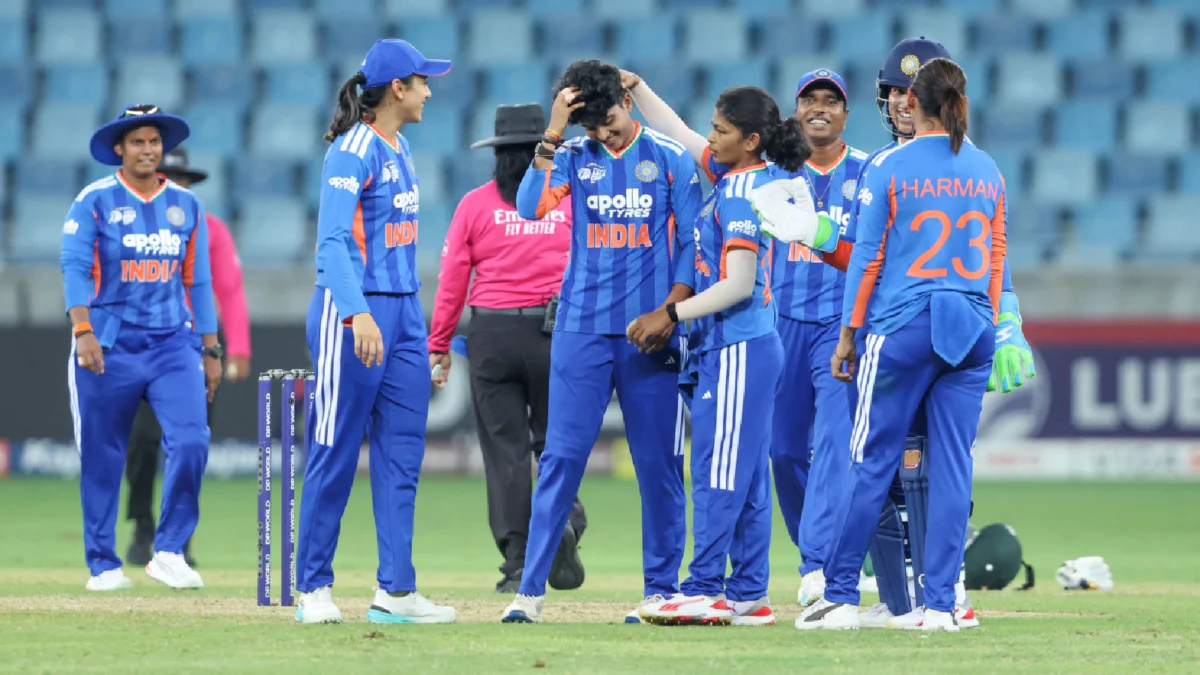
The electrifying atmosphere of the Women’s Asia Cup semi-final in Dubai culminated in a decisive victory for India, who outmaneuvered Bangladesh by 40 runs to punch their ticket to the tournament final. While India’s formidable batting and clinical spin attack were central to their success, the narrative of the match was overwhelmingly shaped by Bangladesh’s persistent and profoundly costly fielding lapses, a recurring vulnerability that continues to plague the Tigresses on the international stage.
The 40-run margin, while substantial, barely scratches the surface of a contest where Bangladesh’s inability to grasp crucial chances offered their opponents multiple lifelines, particularly to the explosive Shafali Verma. The match served as a stark reminder that in the high-stakes arena of modern cricket, even a single dropped catch can turn the tide, let alone four.
The Achilles’ Heel: Bangladesh’s Persistent Fielding Woes
The issue of Bangladesh’s fielding standards is not a new one; it is, unfortunately, a well-documented Achilles’ heel that has undermined their efforts in critical encounters. The statistics from the previous year’s 50-over Women’s World Cup paint a damning picture: Bangladesh dropped an astonishing 15 catches while managing to pouch only 12, resulting in an unenviable catching efficiency of just 44.4%. This figure placed them significantly behind every other competing nation, highlighting a systemic problem that has demonstrably carried over into the Asia Cup semi-final.
A Troubling Pattern: From World Cup to Asia Cup
The consistency of these fielding deficiencies suggests a deeper issue than mere individual errors. It points towards a potential gap in training methodologies, mental conditioning under pressure, or perhaps even a fundamental understanding of what constitutes elite fielding in contemporary cricket. In an era where boundaries are shrinking, bats are getting heavier, and batters are more aggressive, every fielding opportunity becomes a precious commodity. For a developing cricketing nation like Bangladesh, bridging this gap is not just about improving individual skills; it’s about fostering a culture of precision and ruthlessness that matches the demands of the modern game.
The contrast between their spirited batting efforts (which, on occasion, have shown glimpses of potential) and their flagging fielding is particularly stark. While the team’s development has seen improvements in other departments, the fielding standard remains stubbornly at odds with what is required to consistently challenge top-tier teams like India. This disparity creates an immense psychological burden, not only on the fielders themselves but also on the bowlers, who often toil hard only to see their efforts negated by dropped chances.
The Costly Catches: Shafali Verma’s Triple Reprieve
The semi-final against India provided a live demonstration of these chronic issues, with four "dollies" going down, three of which were offered by the formidable Shafali Verma. Each drop was a gift that India, and Verma in particular, gratefully accepted and leveraged to devastating effect.
The first significant reprieve arrived early, just nine deliveries into India’s innings. Off-spinner Sultana Khatun, strategically deployed with the new ball to exploit the classic left-hander vs. off-spinner matchup against Smriti Mandhana, almost had Verma’s number. Enticing the aggressive opener to go aerial with a long-on stationed on the boundary, Sultana created a golden opportunity. However, what should have been a straightforward catch turned into a moment of collective despair for Bangladesh. Fahima Khatun, positioned perfectly at long-on, inexplicably fumbled the chance, producing what commentators wryly compared to former Liverpool goalkeeper Loris Karius’s infamous errors in the UEFA Champions League final. The ball simply slipped through her grasp, offering Verma a life she had barely earned.
The cost of this early drop would escalate dramatically over the next 74 deliveries, with Shafali Verma going on to face 33 of them before her eventual dismissal, having already inflicted significant damage.
Fortune continued to smile upon Verma in the third over. Miscuing an inswinging delivery from Marufa Akter, the ball flew towards Nahida Akter at mid-on. While not explicitly termed a ‘drop’ in the initial report, the phrasing "almost found Nahida Akter at mid-on. The latter was not too keen on being the outlier among Bangladeshi fielders" strongly implies another missed opportunity, a fleeting chance that went begging. This accumulating pressure of missed chances began to tell on the Bangladeshi bowlers and fielders, whose body language visibly slumped with each missed opportunity.
The most egregious error, perhaps, came in the 13th over, and it involved a role reversal. This time, it was Fahima Khatun bowling, and she generated a mistimed hoick from Verma. The ball sailed towards Sultana Khatun, who had positioned herself carefully, just inches from the boundary rope. With ample time to settle under the ball and secure the catch, the moment seemed tailor-made for redemption. Yet, in a distressing echo of earlier events, Sultana fumbled, letting the ball slip through her hands. This second major drop involving Verma, coming at a crucial juncture, drew comparisons to England’s Rob Green’s infamous blunder against the USA in the 2010 FIFA World Cup, underscoring the sheer incredulity and frustration for Bangladeshi fans and players alike.
The cumulative effect of these reprieves allowed Shafali Verma to score an estimated 58 more runs than she realistically should have, transforming potential wickets into a match-defining innings. The fourth drop of the night, involving Richa Ghosh, further underscored Bangladesh’s ongoing struggle, allowing India to aggregate a formidable 149/6, a total that proved well beyond Bangladesh’s reach.
Shafali Verma’s Masterclass: Capitalizing on Fortune
The Rohtak Sensation’s Resilience
Shafali Verma, the prodigious opener from Rohtak, is known for her fearless and aggressive approach to batting. Her style, characterized by powerful strokes and an intent to dominate from the outset, makes her a dangerous proposition for any bowling attack. In the semi-final, she not only showcased her natural flair but also demonstrated a remarkable mental fortitude, capitalizing on the generosity of the Bangladeshi fielders.
When granted reprieves, lesser batters might become tentative, fearing another mistake. However, Verma responded with an intensified assault. She understood that these were bonus lives, and she had to make them count. Each dropped catch seemed to fuel her determination, allowing her to settle, find her rhythm, and unleash her full repertoire of strokes. Her innings of 64 runs was a masterclass in seizing the moment, converting potential dismissals into a match-winning contribution. She punished anything loose, rotated the strike effectively, and ensured that Bangladesh paid a steep price for every missed chance.
India’s Batting Foundation
While Verma’s innings was the cornerstone, India’s batting effort was a collective display of intent and strategy. Despite the early scare, India’s batters showed alacrity in converting gifts into runs, ensuring the momentum stayed with them. They understood the importance of setting a challenging target in a semi-final, especially on a pitch that offered some assistance to spinners. The total of 149/6, built on Verma’s foundation and contributions from other batters (even if not explicitly detailed in the original report, it’s implied by the final score), represented a strong and competitive score that put significant pressure on Bangladesh from the outset. It was a total that showcased India’s depth and their ability to adapt to high-pressure situations.
Bangladesh’s Chasing Struggle: Against the Spin Web
A Glimmer of Hope, Quickly Dimmed
Chasing 150 runs in a semi-final is always a daunting task, and Bangladesh’s response, while showing more fight than some of their recent performances, ultimately fell short. They managed to muster 109/6, falling short by 40 runs. The chase required a combination of aggressive intent and astute shot selection, but Bangladesh struggled to find partnerships and accelerate at the required rate.
Shorna Akter’s unbeaten 22 runs was a commendable effort, a defiant stand amidst a crumbling chase. However, it was an isolated performance, lacking the support needed to truly threaten India’s well-drilled bowling unit. The pressure of the target, coupled with the early loss of wickets, meant Bangladesh was always playing catch-up, their hopes steadily diminishing with each dot ball and each subsequent dismissal.
India’s Spin Trio: The Decisive Force
The primary reason for Bangladesh’s batting struggles was the relentless and highly effective spin attack orchestrated by India. On Dubai’s pitches, which often offer turn and grip, India’s spin trio proved to be an insurmountable barrier.
Deepti Sharma, the seasoned off-spinner, was the wrecker-in-chief, delivering a masterful spell that yielded three crucial wickets for just 26 runs. Her control, variations, and ability to exploit even the slightest assistance from the pitch made her unplayable at times. She consistently challenged the batters, forcing errors and choking the flow of runs. Her experience shone through, as she picked up wickets at critical junctures, preventing Bangladesh from building any significant momentum.
Complementing Deepti Sharma’s brilliance were the contributions of Sree Charani and Prema Rawat, who each bagged a wicket. While their individual tallies might not have been as high as Sharma’s, their collective pressure was immense. They maintained tight lines and lengths, bowling in tandem to create a web of spin that Bangladesh found impossible to escape. The Indian spin unit demonstrated why they are considered one of the strongest in women’s cricket, showcasing their ability to defend a target with precision and aggression. Their collective performance ensured that Bangladesh’s chase never truly gained traction, securing India’s passage to the final.
Beyond the Boundary: Official Reactions and Strategic Implications
Post-Match Reflections: Acknowledging the Gaps
The immediate aftermath of such a decisive defeat, particularly one punctuated by glaring errors, invariably leads to introspection and difficult conversations. While official post-match comments from Bangladesh’s team management were not immediately available, the sentiment within the cricketing fraternity is clear: the fielding issues are a critical area demanding urgent and comprehensive attention.
Sources close to the Bangladesh camp indicated that there is a deep understanding within the team management regarding the impact of these fielding lapses. "We know we have work to do," a source, speaking on condition of anonymity, reportedly stated. "The talent is there, the intent is there, but execution under pressure in the field needs significant improvement. We cannot afford to give multiple chances to world-class batters and expect to win against top teams."
On the Indian side, the mood would undoubtedly be one of quiet satisfaction mixed with a focus on the upcoming final. While they benefited from Bangladesh’s generosity, the team demonstrated their professional approach by capitalizing on every opportunity. The captain would likely praise the team’s resilience, Shafali Verma’s explosive innings, and the clinical performance of the bowling attack, particularly the spinners. The emphasis would be on maintaining momentum and refining strategies for the final encounter.
The Road Ahead for Bangladesh Cricket
For Bangladesh, this semi-final exit, while disappointing, must serve as a catalyst for fundamental change. The recurring nature of their fielding problems suggests that superficial fixes will not suffice. A multi-pronged approach is needed:
- Specialized Coaching: Investing in dedicated, high-quality fielding coaches who can implement modern techniques and drills, focusing on catching, ground fielding, and throwing accuracy.
- Intensive Training Camps: Regular, high-intensity camps specifically designed to simulate match-pressure situations, helping players develop the mental fortitude to hold onto catches when it matters most.
- Physical Conditioning: Ensuring players have the physical fitness and agility required for sharp fielding, which includes core strength, agility, and hand-eye coordination drills.
- Talent Identification: Nurturing young talent with an emphasis on all-round skills, ensuring that future generations of Bangladeshi cricketers are proficient in all three departments.
- Mental Conditioning: Addressing the psychological aspect of fielding, helping players overcome the fear of dropping a catch and instilling confidence.
Failure to address these issues comprehensively will mean that Bangladesh, despite flashes of brilliance in batting and bowling, will continue to struggle against the world’s elite, their potential often undermined by fundamental errors.
India’s Momentum and Final Preparations
For India, the victory provides significant momentum heading into the final. They demonstrated their ability to perform under pressure, adapt to conditions, and execute their game plan effectively. The dominant performance of their spin attack, coupled with the explosive power of their top order, makes them formidable contenders for the Asia Cup title. Their focus will now shift to analyzing their final opponent, fine-tuning their strategies, and ensuring they maintain the same level of intensity and precision that saw them through the semi-final. The confidence gained from this victory will be invaluable as they aim to clinch another major regional trophy.
The Broader Landscape: Elevating Women’s Cricket Standards
The Imperative of All-Round Excellence
The semi-final match between India and Bangladesh served as a potent illustration of the evolving standards in women’s cricket. The game is becoming increasingly professional, demanding all-round excellence from every player. Gone are the days when a team could afford to have a few specialized batters or bowlers compensate for deficiencies in fielding. Modern cricket, irrespective of gender, requires players to be exceptional in all three facets: batting, bowling, and fielding.
Top-tier teams invest heavily in developing these all-round skills, recognizing that a dropped catch can be as detrimental as a poor over or a rash shot. The physical conditioning, technical proficiency, and mental resilience required for elite fielding are now considered non-negotiable. The gap between the best teams and aspiring nations is often most evident in these seemingly ‘smaller’ aspects of the game. Bangladesh’s struggles highlight this chasm, emphasizing the need for significant investment and strategic planning to bring their fielding up to international standards.
A Lesson for Aspiring Teams
For aspiring cricketing nations and developing teams, Bangladesh’s experience in this semi-final offers a crucial lesson. While individual brilliance and flashes of potential are important, sustained success at the highest level hinges on consistency across all departments. The relentless pursuit of perfection in every aspect of the game – from the nuances of batting and bowling to the split-second decisions and precise execution required in fielding – is paramount. As women’s cricket continues to grow in popularity and professionalism, the teams that embrace this holistic approach to development will be the ones that consistently challenge for titles on the global stage.
Match Summary and Final Thoughts
Brief Scores: India 149/6 (Shafali Verma 64; Sultana Khatun 2/30) beat Bangladesh 109/6 (Shorna Akter 22 not out; Deepti Sharma 3/26) by 40 runs.
India’s comprehensive 40-run victory was a testament to their strength, strategic planning, and ability to convert opportunities into match-winning performances. Shafali Verma’s explosive innings, given multiple reprieves, proved to be the decisive factor in setting a challenging total, while the Indian spin attack, led by the brilliant Deepti Sharma, clinically defended it.
For Bangladesh, the match was a painful reminder of their enduring fielding struggles. While they showed glimpses of resilience with the bat, their inability to hold onto crucial catches ultimately sealed their fate. This defeat, however, offers a valuable opportunity for introspection and a renewed commitment to addressing a fundamental weakness that continues to impede their progress on the international stage. As India marches confidently into the Asia Cup final, the semi-final against Bangladesh will be remembered not just for India’s dominance, but for the stark illustration of how crucial every aspect of the game truly is.
