

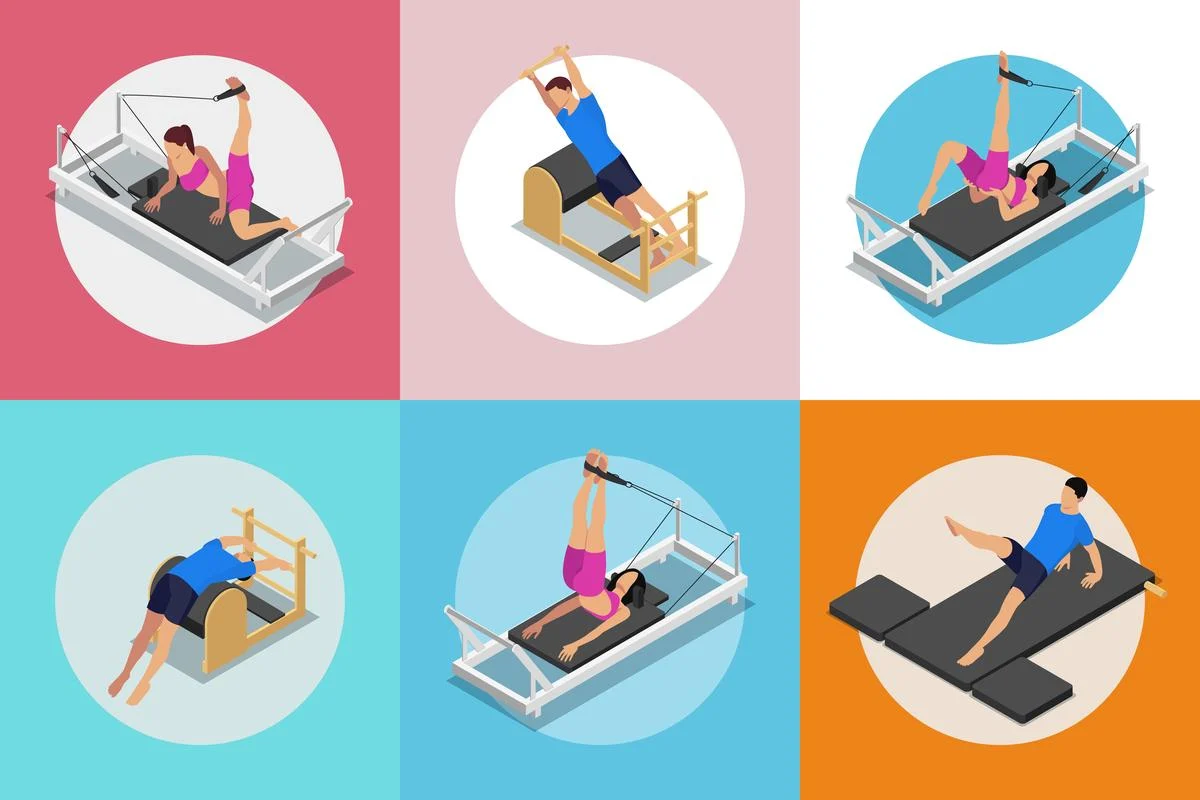
In an era saturated with fleeting fitness trends, Pilates stands as a testament to enduring efficacy. Developed in the early 20th century by the visionary Joseph Pilates, this mind-body discipline has transcended its origins to become a globally recognized method for cultivating core strength, enhancing body awareness, and fostering mental acuity. Far from a mere exercise regimen, Pilates offers a profound approach to holistic health, meticulously designed to build a resilient and balanced physique. Its growing prominence, underscored by scientific validation and a burgeoning community of practitioners, paints a compelling picture of its lasting appeal.
The Genesis of Contrology: A Century of Refinement
The story of Pilates begins with its namesake, Joseph Pilates. Born in Germany in the late 19th century, he was a frail child plagued by asthma and rickets. Driven by a relentless desire to overcome his physical limitations, he embarked on a lifelong journey of self-discovery and physical conditioning. His early explorations led him to draw inspiration from a diverse range of disciplines, including gymnastics, boxing, yoga, and Zen meditation. This eclectic fusion of influences formed the bedrock of his unique exercise system, which he initially termed "Contrology."
Pilates’s early career saw him working as a physical trainer, even for prominent figures like surgeons and boxers, before his relocation to New York City in 1926. It was here, in a studio strategically located near the New York City Ballet, that he began to teach his groundbreaking method. His objective was to create a system that not only strengthened the body but also re-educated it, emphasizing precise movements, controlled breathing, and mindful execution. The dancers, with their inherent understanding of body mechanics and dedication to precision, were among the first to embrace his teachings, recognizing the profound benefits for injury prevention and performance enhancement.
The core tenets of Contrology revolved around six fundamental principles: concentration, control, centering, flow, precision, and breath. These principles, deeply interwoven, guide the practitioner to engage the deep stabilizing muscles of the core, often referred to as the "powerhouse," while fostering a conscious connection between the mind and body. The exercises, whether performed on a mat or using specialized apparatus, were designed to be systematic and performed in a specific order, a testament to Pilates’s meticulous approach.
Evolution and Adaptation: From Contrology to Contemporary Pilates
While Joseph Pilates was fiercely protective of his original method, advocating for strict adherence to "Contrology," the evolution of his teachings was inevitable. Following his passing, his direct disciples, who had meticulously absorbed his philosophy and techniques, began to interpret and adapt his work. This led to the emergence of Classical Pilates. While largely maintaining the original exercises and principles, Classical Pilates often incorporated minor modifications and additions, reflecting the disciples’ understanding and experience. The distinction between Contrology and Classical Pilates is subtle, with many considering them intrinsically linked, a testament to the enduring legacy of Joseph Pilates.
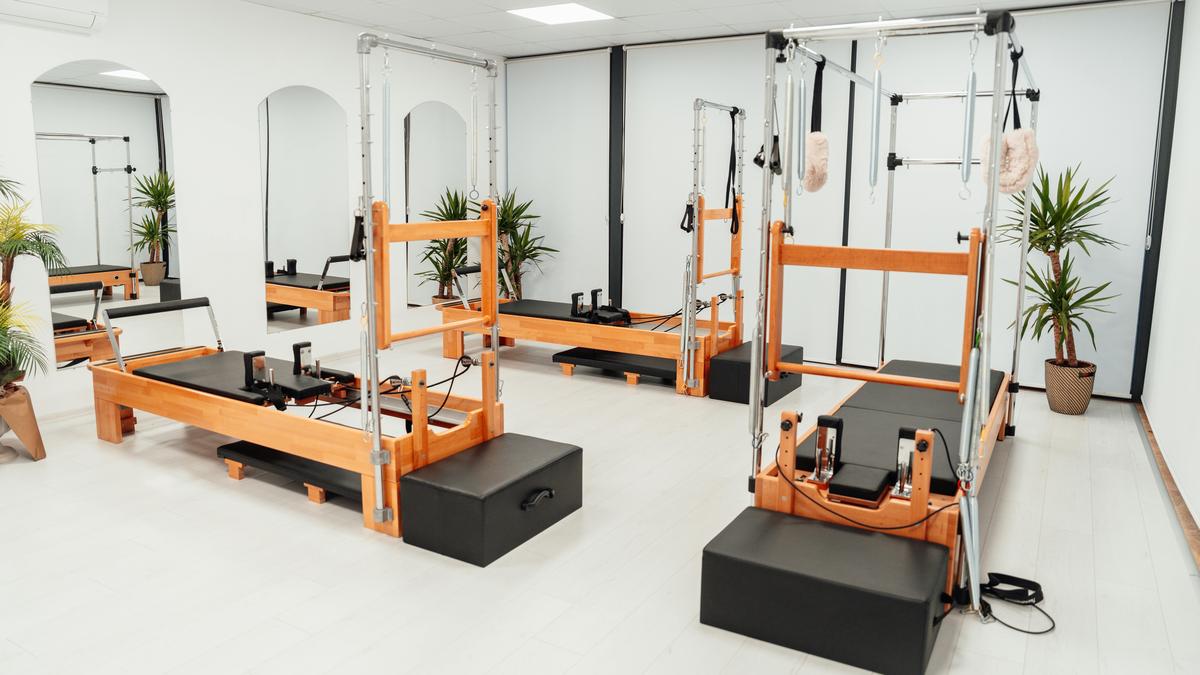
The subsequent decades witnessed a further evolution, giving rise to Contemporary Pilates. This modern iteration embraces a more flexible approach, incorporating a wider range of modifications, introducing innovative equipment, and moving away from the strict adherence to a specific exercise order. Contemporary Pilates acknowledges the advancements in biomechanics and exercise science, integrating new understandings of the human body into the original framework. This adaptability has been crucial in making Pilates accessible to a broader audience and integrating it with other popular fitness modalities.
The diversification of Pilates has led to fascinating hybrid forms, demonstrating its inherent versatility. Yogilates seamlessly blends the mindfulness and flexibility of yoga with the core-strengthening principles of Pilates. Cardiopilates infuses cardiovascular conditioning into Pilates routines, offering a more dynamic and calorie-burning experience. Even the high-energy world of boxing and dance has embraced Pilates, with Piloxing combining the power of boxing, the sensuality of dance, and the core benefits of Pilates. Beyond these, Aquapilates leverages the buoyancy and resistance of water for a low-impact yet challenging workout, while Aeropilates utilizes trampolines and resistance cords to provide a joint-friendly, full-body conditioning experience. This proliferation of styles underscores Pilates’s ability to adapt and remain relevant in the ever-evolving fitness landscape.
The Scientific Validation of Pilates: More Than Just a Trend
In recent years, Pilates has experienced a remarkable surge in popularity, moving from a niche discipline to a mainstream fitness phenomenon. While social media trends and the growing health consciousness of younger generations have undoubtedly contributed to this "hype," the underlying reasons for its enduring appeal lie in its profound and scientifically validated benefits. Studies published in reputable journals like the Journal of Orthopaedic & Sports Physical Therapy and by organizations such as the American Council on Exercise have consistently highlighted the efficacy of Pilates.
At its core, Pilates is a full-body workout that emphasizes core strengthening. The meticulous engagement of the abdominal muscles, back muscles, and pelvic floor is central to every exercise. This robust core provides a stable foundation for all movement, improving posture, reducing the risk of lower back pain, and enhancing overall physical efficiency. Furthermore, Pilates promotes enhanced breathing patterns and muscle control, fostering a deeper connection between the practitioner and their body. This conscious control of breath and movement is not only physically beneficial but also contributes to a greater sense of mindfulness and mental clarity.
Scientific research has consistently demonstrated Pilates’s positive impact on spinal stability and posture. By strengthening the intrinsic muscles that support the spine, Pilates can alleviate chronic back pain and improve spinal alignment. This makes it a particularly valuable exercise for individuals experiencing postural issues or recovering from injuries. The low-impact nature of most Pilates exercises also significantly reduces the risk of injury, a crucial factor for people of all ages and fitness levels seeking a safe yet effective workout.
Beyond the physical realm, Pilates offers significant mental health benefits. The concentration required for each movement, coupled with the mindful control of breath, can act as a form of active meditation. Studies have shown that Pilates can effectively reduce anxiety and promote a sense of calm and well-being. This mind-body synergy is a hallmark of the discipline, offering a holistic approach that addresses both physical and mental health.
The scientific evidence supporting Pilates extends to its role in preventing and managing chronic pain. By improving muscle function, flexibility, and posture, Pilates can alleviate discomfort associated with conditions like arthritis and fibromyalgia. Furthermore, research suggests that Pilates can contribute to maintaining bone density, a vital factor in preventing osteoporosis, a condition characterized by brittle and fragile bones. This comprehensive array of benefits, supported by robust scientific inquiry, solidifies Pilates’s position as a truly effective and valuable exercise method.

The Implications of Pilates’s Rise: A Paradigm Shift in Wellness
The widespread adoption of Pilates signifies a broader shift in how individuals approach health and wellness. It reflects a growing appreciation for a more holistic and mindful approach, moving beyond the sole pursuit of aesthetic goals to prioritize functional strength, injury prevention, and mental well-being. The accessibility of Pilates, from mat-based routines that can be performed anywhere to specialized studio equipment, has made it a viable option for a diverse range of individuals, regardless of their age, fitness level, or physical condition.
The integration of Pilates into rehabilitation programs further underscores its therapeutic value. Physical therapists increasingly recommend Pilates for individuals recovering from injuries, surgeries, or chronic pain conditions. Its ability to promote controlled movement, rebuild strength, and improve body awareness makes it an invaluable tool in the recovery process.
Moreover, the emphasis on breathwork and mindfulness within Pilates resonates with the growing societal awareness of mental health. In a world often characterized by stress and anxiety, Pilates offers a sanctuary for self-care, providing a structured practice that promotes relaxation, reduces stress, and cultivates a deeper connection with oneself.
As Pilates continues to evolve and innovate, its core principles remain steadfast. The commitment to precise movement, mindful execution, and the cultivation of a strong, balanced, and aware body and mind ensures its enduring relevance. While dumbbells and traditional cardio have their place, Pilates offers a distinct and profoundly beneficial pathway to a healthier, more vibrant life – a testament to the genius of Joseph Pilates and the timeless power of his method.
