

The enduring popularity of Pilates, a holistic exercise method developed in the early 20th century, continues to captivate fitness enthusiasts worldwide. Far beyond a mere trend, Pilates offers a scientifically validated approach to enhancing core strength, body awareness, and mental focus, proving its efficacy through decades of practice and growing scientific endorsement.
The Genesis of a Movement: Joseph Pilates and the Birth of "Contrology"
In an era where physical fitness was often confined to brute strength and rigorous calisthenics, Joseph Pilates, a German physical trainer, envisioned a different path. Born in the late 19th century, Pilates, who suffered from asthma and rickets in his youth, dedicated his life to understanding and improving the human body. His personal journey of overcoming physical limitations fueled his desire to create a system that integrated mind and body, fostering strength, flexibility, and overall well-being.
Drawing inspiration from a diverse range of disciplines, including gymnastics, boxing, yoga, and Zen meditation, Pilates developed his unique exercise method, which he originally termed "Contrology." His philosophy centered on the principle that a strong and controlled core is the foundation for a healthy and functional body. He believed that by focusing on precise movements, controlled breathing, and mental concentration, individuals could unlock their body’s potential, improve posture, and prevent injuries.
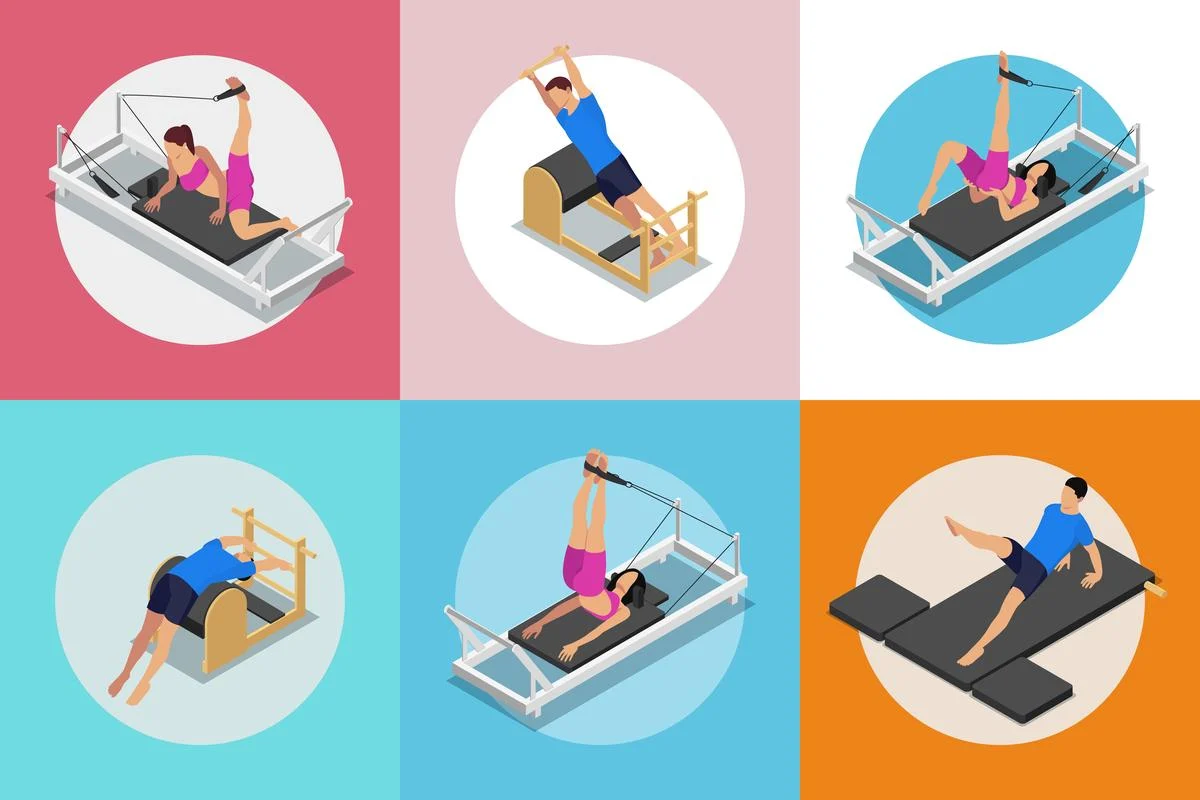
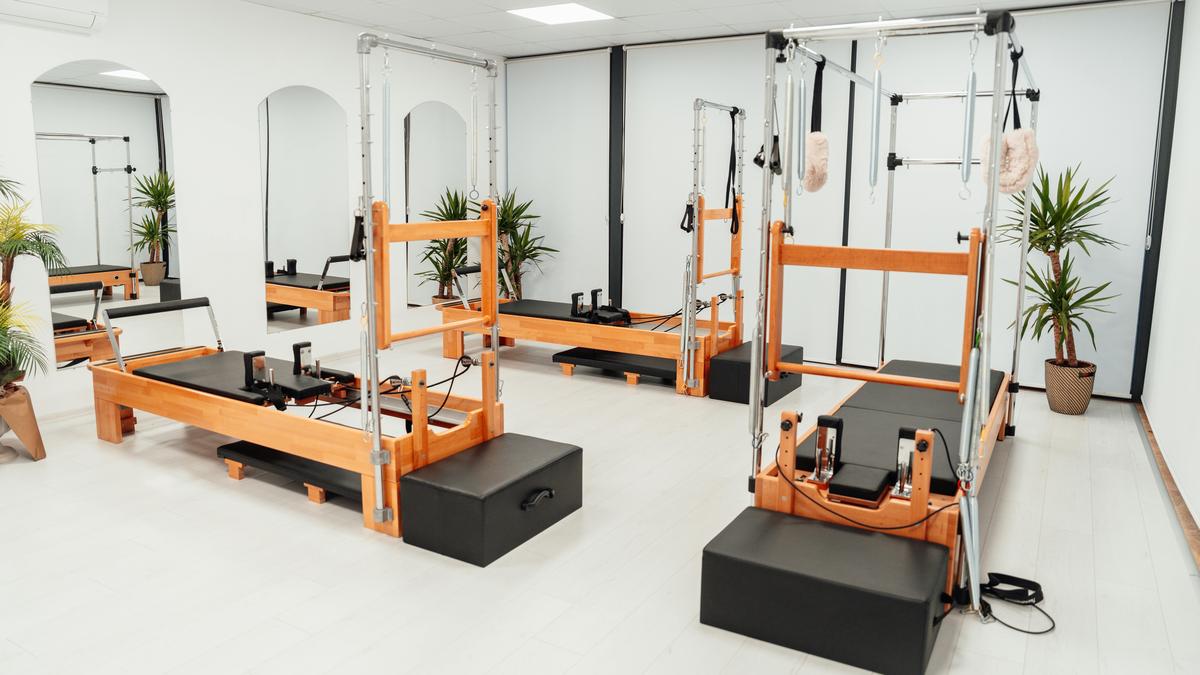
The early 20th century saw Pilates refine his methods and develop specialized apparatuses to support his exercises. These inventions, such as the Reformer, Cadillac, and Wunda Chair, were not merely pieces of equipment but sophisticated tools designed to provide targeted resistance and assistance, enabling practitioners to deepen their understanding of their bodies and achieve a greater range of motion.
In 1926, Joseph Pilates made the pivotal move to New York City, establishing his first studio in close proximity to the renowned New York City Ballet. This strategic location allowed him to introduce his innovative approach to dancers and athletes, many of whom were seeking ways to enhance their performance, prevent injuries, and recover from physical ailments. His studio quickly became a hub for those seeking a more mindful and effective approach to fitness, laying the groundwork for the enduring legacy of Pilates.
The Evolution of Pilates: From Contrology to Contemporary Adaptations
The fundamental principles of Joseph Pilates’ original method, "Contrology," remain the bedrock of the practice today. Contrology emphasized a specific sequence of exercises, often requiring the use of his specialized apparatuses, with an unwavering focus on precision and control. Pilates himself was a staunch advocate for the integrity of his system, allowing modifications only if they were explicitly acknowledged as departures from "Contrology."
Following Joseph Pilates’ passing, his direct disciples, who had trained under him and absorbed his teachings firsthand, continued to propagate his methods. These individuals, often referred to as the "Elders," played a crucial role in preserving the essence of Pilates while subtly introducing minor adaptations. This evolution led to the emergence of what is now known as Classical Pilates. While still deeply rooted in the original principles, Classical Pilates may incorporate a slightly broader repertoire of exercises and minor modifications that acknowledge the evolution of understanding in biomechanics and exercise science. The distinction between Contrology and Classical Pilates is often subtle, with many considering them almost interchangeable, with Classical Pilates sometimes including a few additional exercises that build upon the foundational movements.
The late 20th and early 21st centuries witnessed further innovation and adaptation, giving rise to Contemporary Pilates. This modern iteration embraces a more flexible approach, incorporating a wider range of modifications, integrating new equipment, and de-emphasizing the strict adherence to a specific exercise order. Contemporary Pilates often draws upon advancements in physiotherapy and exercise science, offering a more personalized and adaptable experience. This evolution has also led to the hybridization of Pilates with other popular fitness modalities. We now see practices like Yogilates, a fusion of yoga and Pilates, Cardiopilates, which integrates cardiovascular elements, and Piloxing, a dynamic combination of Pilates, boxing, and dance. Furthermore, specialized forms such as Aquapilates, performed in water to reduce joint impact, and Aeropilates, utilizing trampolines and resistance cords, demonstrate the adaptability and ever-expanding reach of the Pilates method.
Scientific Validation: The Growing Evidence Base for Pilates
While Pilates has enjoyed widespread popularity for decades, recent years have seen a significant surge in scientific research exploring its efficacy. Studies published in reputable journals such as the Journal of Orthopaedic & Sports Physical Therapy and the American Council on Exercise have provided compelling evidence supporting the benefits of Pilates. These studies highlight its effectiveness in improving spinal stability, enhancing posture, and reducing the risk of injury, solidifying its position as a robust and scientifically validated exercise method.
The core-strengthening capabilities of Pilates are particularly well-documented. By engaging the deep abdominal muscles, back muscles, and pelvic floor, Pilates promotes a strong and stable core, which is essential for supporting the spine and facilitating efficient movement. This enhanced core strength translates into improved posture, reduced back pain, and a lower susceptibility to injuries, especially in the lower back and neck.

Beyond physical benefits, Pilates is increasingly recognized for its positive impact on mental well-being. The mindful nature of the practice, which requires concentration and body awareness, can act as a form of movement meditation. This focus on the present moment and controlled breathing can help reduce stress, alleviate anxiety, and promote a sense of calm and mental clarity. Research suggests that regular Pilates practice can contribute to improved mood and a greater sense of overall psychological well-being.
Furthermore, studies have indicated that Pilates can play a role in maintaining bone density, which is crucial for preventing osteoporosis, a condition characterized by brittle and fragile bones. While not a replacement for medical treatment, the low-impact nature of Pilates and its emphasis on controlled weight-bearing movements can contribute to bone health, particularly for older adults or individuals at risk of bone loss.
The Rise of Pilates in Contemporary Culture: A Confluence of Factors
The recent surge in Pilates’ visibility and popularity can be attributed to a multifaceted interplay of societal trends and evolving health consciousness. Several key factors contribute to its prominent position in today’s fitness landscape:
- Increased Health Consciousness: Modern generations are increasingly prioritizing holistic health and wellness. There’s a growing understanding that fitness extends beyond mere physical appearance to encompass mental well-being, injury prevention, and long-term health. Pilates, with its emphasis on mind-body connection and injury reduction, perfectly aligns with this broader health-conscious mindset.
- Social Media Influence and "FOMO": The pervasive influence of social media platforms has undoubtedly played a significant role in amplifying the Pilates trend. Images and videos showcasing the transformative effects of Pilates, often featuring aesthetically fit individuals, create a sense of aspirational fitness. This, coupled with the "Fear Of Missing Out" (FOMO) phenomenon, encourages wider adoption as people seek to participate in what appears to be a highly effective and desirable fitness practice. Influencers and celebrities openly endorsing Pilates further fuel this trend, making it more accessible and relatable to a broader audience.
- Accessibility and Adaptability: The diverse forms of Pilates, from traditional mat classes to specialized apparatus sessions and hybrid workouts, make it accessible to a wide range of fitness levels and preferences. The ability to modify exercises to suit individual needs and limitations ensures that Pilates can be adopted by beginners, seasoned athletes, pregnant women, and individuals recovering from injuries. This inherent adaptability makes it a sustainable fitness choice for many.
- Emphasis on Injury Prevention and Rehabilitation: In an era where high-impact sports and intense training regimens can often lead to injuries, Pilates offers a gentler yet highly effective alternative. Its focus on core strength, proper alignment, and controlled movements makes it an excellent tool for both preventing injuries and aiding in rehabilitation from existing ones. This appeal is particularly strong among individuals seeking to maintain an active lifestyle without the constant threat of physical harm.
- Mind-Body Connection and Stress Reduction: The growing awareness of the detrimental effects of stress on overall health has led many to seek practices that promote mental calm and emotional balance. Pilates, with its inherent focus on mindful movement and breath control, offers a powerful antidote to the stresses of modern life. Its ability to quiet the mind while strengthening the body resonates deeply with individuals seeking a more integrated approach to wellness.
As the scientific evidence supporting its benefits continues to grow, and as more individuals discover its transformative potential, Pilates is poised to remain a cornerstone of holistic fitness for years to come, solidifying its position not just as a trend, but as a fundamental pillar of a healthy and balanced lifestyle.
