

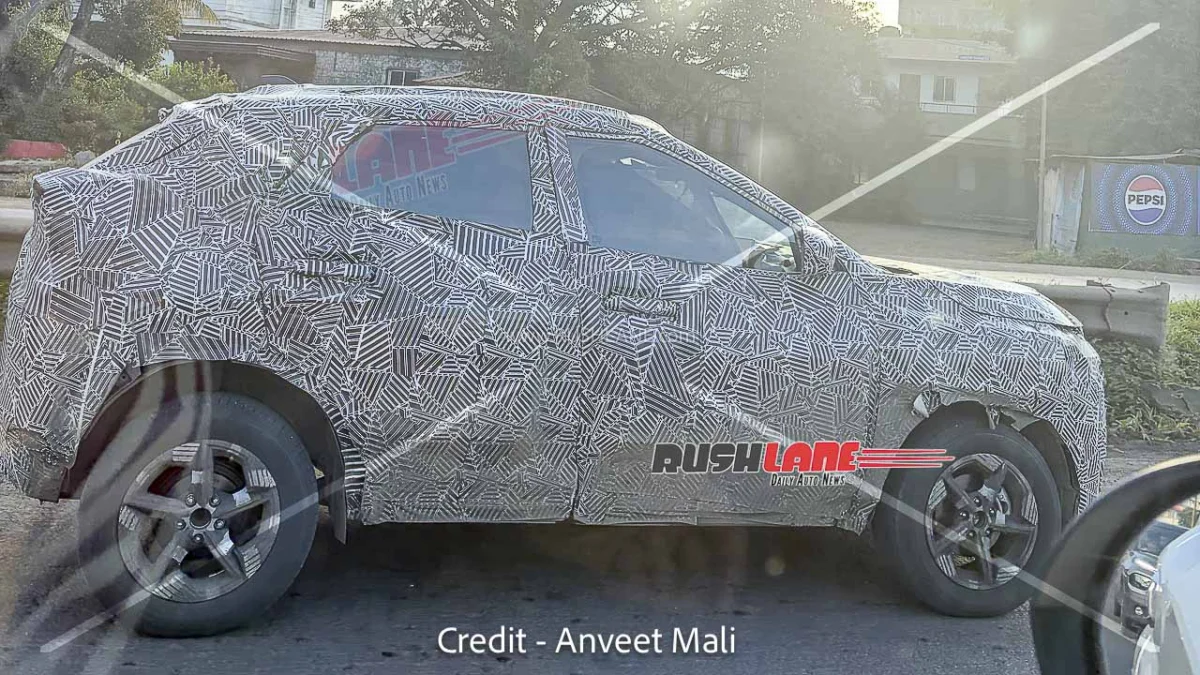
The Indian automotive landscape is bracing for a significant shift as Tata Motors, one of the country’s leading automobile manufacturers, intensifies the development of its next-generation sub-compact SUV. Recently, multiple heavily camouflaged prototypes of the 2027 Tata Nexon were spotted undergoing high-altitude and highway testing, signaling a departure from the current design language and a move toward a more robust, sophisticated architectural philosophy.
Since its inception in 2017, the Nexon has been a cornerstone of Tata Motors’ success, consistently ranking among the top-selling SUVs in India. While the vehicle has seen several cosmetic and technological updates over the last seven years, the latest spy shots suggest that the 2027 model will represent the most substantial engineering overhaul in the nameplate’s history.

Main Facts: A Paradigm Shift in Design and Utility
The most striking revelation from the latest testing phase is the "boxier" silhouette of the upcoming Nexon. For years, the Nexon was defined by its "coupe-SUV" aesthetic—a sloping roofline that gave it a sporty, agile look but often drew criticism regarding rear-seat headroom and cargo flexibility. The 2027 prototype indicates a strategic pivot.
1. Revised Body Proportions
The upcoming Nexon features a noticeably flatter roofline and a more upright rear section. This shift suggests that Tata Motors is prioritizing interior volume and passenger comfort. By moving away from the aggressive rake of the current C-pillar, engineers can provide significantly more headroom for rear passengers, making the vehicle more competitive against rivals like the Maruti Suzuki Brezza and the Hyundai Venue, which favor traditional SUV proportions.

2. Structural Redesign and the Fuel Filler Clue
Industry observers have noted a subtle but critical change: the repositioning of the fuel filler cap. On the current generation, the filler sits relatively low on the rear quarter panel. On the 2027 prototype, it has been moved higher, aligning closely with the door handles. While this may seem like a minor cosmetic change, in automotive engineering, relocating the fuel neck often necessitates a redesign of the rear internal structure and the fuel tank housing. This supports the theory that the 2027 Nexon is built on a heavily modified or entirely new iteration of its platform.
3. High-Tech Exterior Elements
Despite the camouflage, the "split-headlamp" setup—a signature of Tata’s "New Forever" design philosophy—remains visible. However, the rear lighting appears to be getting a complete makeover. High-mounted LED tail lamps and a more vertical tailgate give the car a wider, more planted stance. The inclusion of a prominent roof spoiler and a redesigned rear wiper assembly further emphasizes the premium aspirations of the new model.

Chronology: The Journey of the Nexon (2017–2027)
To understand the significance of the 2027 model, one must look at the timeline of the Nexon’s evolution, which mirrors Tata Motors’ own rise in the passenger vehicle segment.
- 2017: The Debut. Tata Motors launched the original Nexon, introducing the "Impact Design" language. It was praised for its bold styling and was the first Indian car to achieve a 5-star Global NCAP safety rating, a feat that redefined market expectations.
- 2020: The First Major Facelift. Coinciding with the transition to BS6 emission norms, the Nexon received a sharper front fascia, inspired by the then-new Nexon EV. This update solidified its position as a tech-forward SUV.
- 2023: The Digital Overhaul. Tata launched a comprehensive update featuring a 10.25-inch touchscreen, a two-spoke illuminated steering wheel, and a completely revised LED light signature (X-factor). While the "skin" changed, the underlying structure remained largely the same.
- 2025–2026: The Testing Phase. Spy shots begin to emerge of a "mule" with altered body panels, indicating that a true second-generation model is in the works.
- 2027: The Expected Launch. The next-generation Nexon is slated to hit showrooms, aiming to set a new benchmark for the sub-4-meter SUV segment.
Supporting Data: Market Positioning and Powertrain Expectations
The Nexon currently operates in one of the most crowded and competitive segments in the Indian market. Its success is built on offering a "power of choice" strategy, and the 2027 model is expected to double down on this approach.

Powertrain Diversification
While official specifications remain under wraps, internal sources and industry trends suggest the following lineup for the 2027 model:
- 1.2-Litre Turbo Petrol: Likely to receive tuning updates for better fuel efficiency and lower emissions, potentially incorporating 48V mild-hybrid technology to meet tightening CAFE (Corporate Average Fuel Economy) norms.
- 1.5-Litre Diesel: Despite many competitors exiting the diesel segment, Tata remains committed to oil-burners, which are popular for long-distance cruising and high-torque requirements.
- CNG (iCNG): Following the success of the twin-cylinder technology in the current Nexon, the 2027 model will undoubtedly feature a factory-fitted CNG option from day one.
- EV (Electric Vehicle): The Nexon EV is the undisputed leader in the Indian electric car market. The 2027 version will likely be built on the ‘Acti.ev’ architecture, promising longer ranges (upwards of 500km) and faster DC charging capabilities.
Interior and Technology
Early glimpses of the test mules showed a cabin cluttered with testing equipment, but expectations for the production version are high. Market analysts predict:

- Level 2 ADAS: Following the Safari and Harrier, the Nexon is expected to gain Advanced Driver Assistance Systems, including autonomous emergency braking and lane-keep assist.
- Ventilated Seating and Panoramic Sunroof: To compete with the Kia Sonet and Mahindra XUV 3XO, a panoramic sunroof (a first for the Nexon) is a strong possibility given the boxier roof structure.
Official Context and Industry Response
While Tata Motors has not officially released a statement regarding the specific technical details of the 2027 Nexon, the company’s leadership has frequently emphasized a "Product Offensive" strategy. During recent investor meets, Tata Motors’ executives highlighted the importance of "refreshing the portfolio every 3–4 years to maintain market leadership."
Industry analysts view the 2027 Nexon as a defensive and offensive move. "The sub-4m SUV segment is no longer just about price; it’s about ‘big car’ features in a compact footprint," says an analyst from a leading automotive consultancy. "By moving to a boxier, more spacious design, Tata is addressing the one lingering criticism of the Nexon—its cramped rear quarters—while preparing for a future where the SUV must serve as a primary family vehicle."

The competition has already raised the stakes. The recent launch of the Mahindra XUV 3XO and the consistent performance of the Maruti Brezza have put pressure on Tata to innovate. The 2027 Nexon is Tata’s answer to this intensifying rivalry.
Implications: What This Means for the Consumer and the Industry
The arrival of a completely redesigned Nexon in 2027 has several far-reaching implications for the Indian automotive sector.

1. Setting New Standards in Safety
Tata Motors has built its brand on the pillar of safety. With the next-gen Nexon, the company is expected to target the even more stringent Bharat NCAP protocols. This could mean more airbags as standard, a stronger high-strength steel chassis, and integrated active safety tech, forcing other manufacturers to follow suit.
2. The Standardization of the Electric-First Approach
By designing the 2027 model with an EV variant in mind from the ground up, Tata ensures that the electric version won’t suffer from the packaging compromises often found in "converted" internal combustion engine (ICE) cars. This will likely lead to a flat floor in the EV version, enhancing cabin space even further.

3. Resale Value and Brand Loyalty
The Nexon has historically maintained strong resale value. However, the introduction of a vastly superior second-generation model could impact the depreciation rates of current-gen models. For consumers, the 2027 launch represents a "wait or buy" dilemma, as the leap in technology and design appears to be significant.
4. Supply Chain and Local Manufacturing
The 2027 Nexon will likely see an increase in localized components, particularly for the EV battery packs and electronic controllers. This aligns with the "Make in India" initiative and could help Tata keep the pricing competitive despite the addition of premium features.

Conclusion
The 2027 Tata Nexon is more than just a new car; it is a manifestation of Tata Motors’ ambition to dominate the Indian SUV market through 2030. By listening to customer feedback regarding space and doubling down on their strengths in safety and powertrain variety, Tata is crafting a vehicle that aims to be all things to all people.
As the test mules continue to rack up thousands of kilometers across India’s diverse terrain, the automotive world will be watching closely. If the final product lives up to the promise of these early spy shots, the 2027 Nexon may not just retain its crown—it might redefine the very segment it helped create.
