

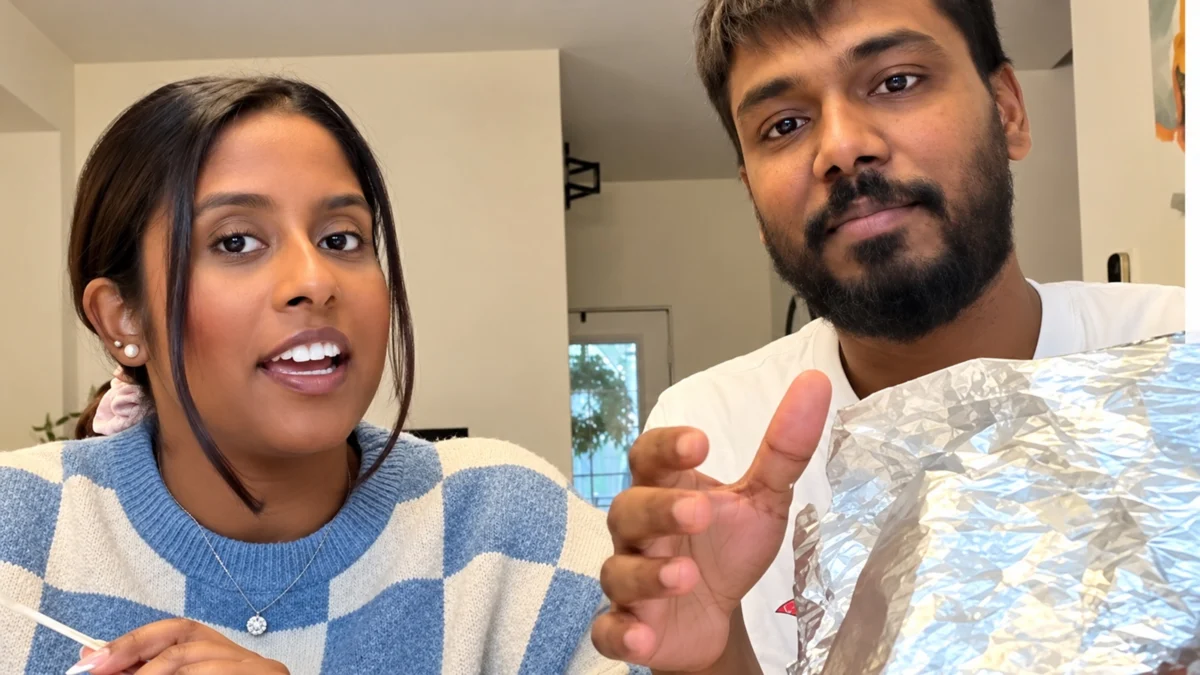
NEW DELHI — In the digital age, where social media trends often blur the lines between sentimental tradition and public health risks, a recent viral video has reignited a long-standing debate regarding food preservation. A Canada-based food influencer couple recently took to Instagram to document a milestone: consuming a slice of their wedding cake exactly one year after their nuptials. While the act was intended to be a romantic homage to their "big day," it has instead sparked a firestorm of criticism, curiosity, and a necessary intervention from medical experts regarding the biological realities of long-term food storage.
Main Facts: A Tradition Reimagined or a Health Risk?
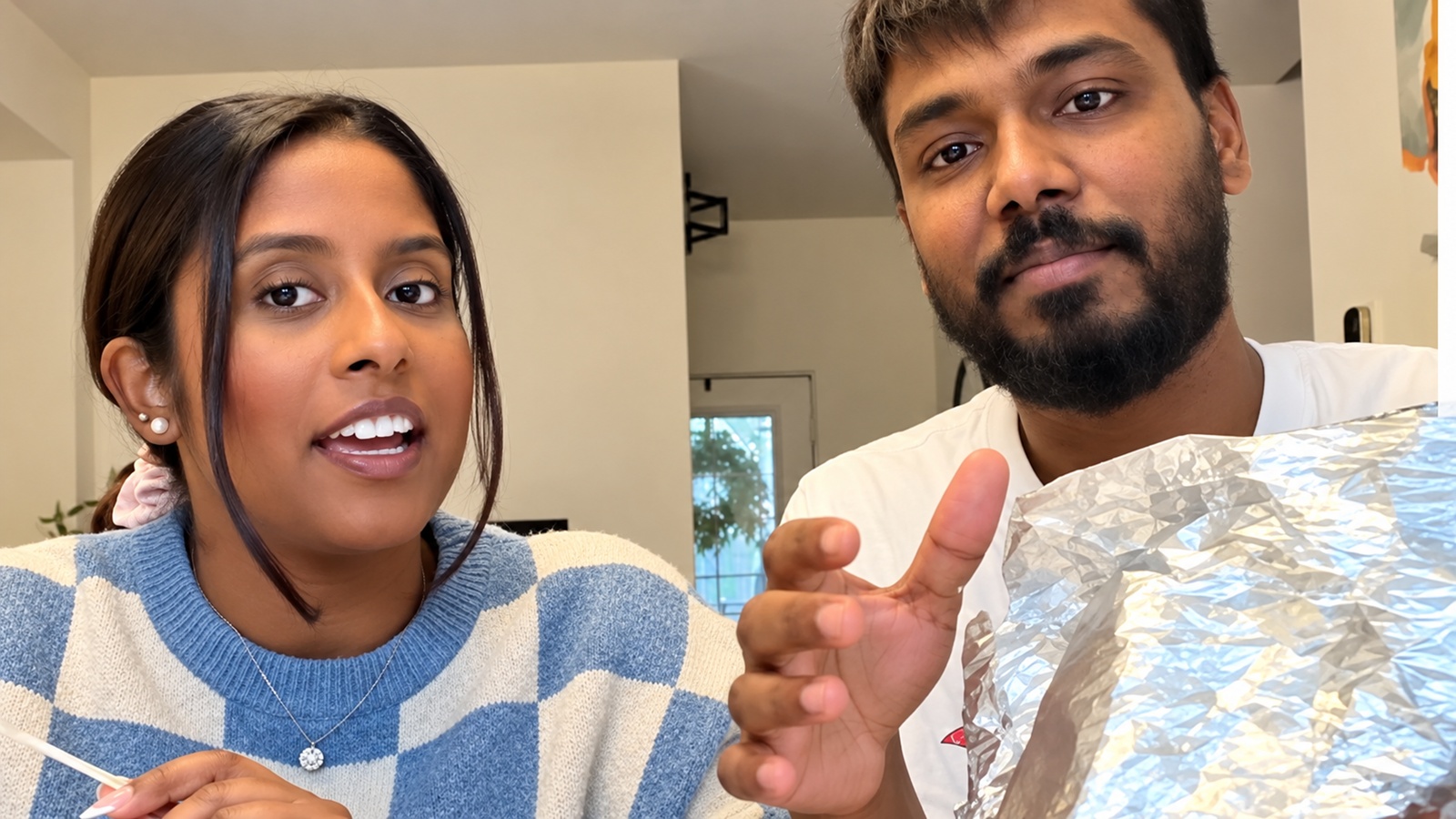
The controversy began when the couple shared a reel featuring them retrieving a foil-wrapped package from the depths of their freezer. "So our wedding cake was so good that we wanted to relive that taste on our anniversary one year later and froze it," the couple explained to their followers. In the video, they are seen unwrapping the cake, which appeared remarkably intact. Their verdict? "It’s still soft. If you are getting married this year, do it."
The post, which quickly garnered thousands of views, tapped into a Western tradition that dates back decades, if not longer. Historically, the top tier of a wedding cake was often saved to be eaten at the christening of the couple’s first child—an event that usually occurred within a year of the wedding. Over time, as family planning evolved, the tradition shifted toward the first anniversary.
However, what was once a private domestic ritual has now become a public "challenge" or "trend" on platforms like Instagram and TikTok. The influencer couple’s endorsement of the practice—labeling it as a "must-do" for newlyweds—prompted a wave of skepticism from netizens. Comments ranged from genuine concern for their well-being ("Are you guys serious??? R u guys ok???") to practical alternatives ("Why not order the same flavor for the anniversary???").
Responding to the backlash, the couple maintained that they had taken the necessary precautions. "We’re fine lol it’s a tradition that some people do, and we froze it and sealed it properly but also checked before we ate," they noted in a follow-up comment. Yet, as medical professionals point out, a visual "check" and a "fine" feeling are not always indicative of food safety.
Chronology of a Viral Culinary Event
The timeline of this event follows a specific trajectory that mirrors many modern viral health trends:
- The Preservation (September 2025): Following their wedding, the couple opted to save a portion of their cake. According to their account, the cake was wrapped in aluminum foil and placed in a standard domestic freezer.
- The Dormancy (Sept 2025 – Sept 2026): The cake remained in the freezer for 12 months. During this period, the cake was subject to the internal environment of a home refrigerator, which involves frequent door openings and potential temperature fluctuations.
- The Anniversary Consumption (September 14, 2026): The couple thawed and consumed the cake, filming the process for their social media audience.
- The Viral Explosion (Mid-September 2026): The reel reached a global audience, prompting a divide between traditionalists who support the ritual and health-conscious individuals alarmed by the potential for spoilage.
- Expert Intervention (September 2026): Gastroenterologists and food safety experts began weighing in on the risks associated with the practice, providing a scientific counter-narrative to the "soft texture" described by the influencers.
Supporting Data: The Science of Freezing and Food Degradation
To understand why eating a year-old cake is a point of contention, one must look at the science of cryopreservation in a domestic setting. While freezing is an excellent method of extending shelf life, it is not a "pause button" for all forms of degradation.
The Role of Ingredients
According to Dr. Sujit Nair, a consultant in medical gastroenterology, hepatology, and endoscopy at KIMS Hospitals, Thane, the safety of the cake is entirely dependent on its composition. "Freezing does not make food immune to spoilage or eliminate every food-safety concern," Dr. Nair explains.
Cakes are complex structures of fats, proteins, and carbohydrates.
- Perishables: Cakes containing fresh fruit, custard, or dairy-heavy cream fillings are high-risk. These ingredients have high water activity, which provides a breeding ground for bacteria if the temperature rises even slightly above freezing.
- Rancidity: Even if bacteria do not grow, fats (butter, oils, and shortening) undergo oxidative rancidity over time. This results in an "off" flavor and the development of compounds that can cause digestive upset.
- Staling and Retrogradation: Even in a freezer, starch molecules undergo retrogradation, where they realign into a crystalline structure, pushing water out. This is why many old cakes become "crumbly" or "rubbery" despite being frozen.
Freezer Burn and Contamination
Domestic freezers are rarely kept at the constant, ultra-low temperatures found in industrial flash-freezers. Every time the freezer door is opened, the surface temperature of the food can rise. This leads to "freezer burn"—a process where ice sublimates directly into gas, leaving the food dehydrated and oxidized. Furthermore, if the cake was not vacuum-sealed, it is susceptible to absorbing odors and microscopic contaminants from other items in the freezer, such as raw meats or older frozen goods.
Official Responses and Public Health Warnings
The medical community has been clear: nostalgia should never override hygiene. Dr. Nair emphasizes that the traditional "sniff test" or visual inspection is fundamentally flawed when it comes to long-term storage.
"Depending on the contaminant, a person could develop nausea, vomiting, abdominal cramps, or diarrhea," Dr. Nair warns. He notes that pathogens like Listeria monocytogenes can survive in cold environments and, while they may not "grow" at 0°F (-18°C), they can remain viable. If the cake was left on a counter for several hours during the wedding reception before being frozen, it may have already harbored a significant bacterial load.
The public reaction on social media also serves as a form of "community policing" of health standards. Many users pointed out that the "tradition" originated in an era before modern refrigeration was common, but ironically, it is modern refrigeration that gives people a false sense of absolute security. The consensus among critics is that the emotional value of the ritual does not justify the physiological risk.
Implications: Tradition vs. Modern Safety Standards
The influencer couple’s video highlights a broader cultural phenomenon: the prioritization of the "aesthetic" and the "ritual" over scientific practicality. In the quest for viral content, influencers often promote "hacks" or "traditions" that may be harmless in isolation but dangerous when adopted by a mass audience without proper context.
The Evolution of Wedding Traditions
The tradition of saving the cake is rooted in sentimentality—the idea of "reliving" the joy of the wedding day. However, experts suggest that the ritual needs a modern update to align with current food safety knowledge.
"Preserve the memory rather than necessarily preserving the original cake for a year," Dr. Nair suggests. He proposes several safer alternatives:
- The "Mini-Recreation": Many modern bakeries offer a service where they recreate a small, fresh version of the couple’s wedding cake (same flavor and design) for their first anniversary.
- Short-Term Freezing: If a couple is adamant about eating the actual cake, experts suggest doing so within one month, ensuring it is vacuum-sealed and kept at a constant temperature.
- Non-Edible Mementos: Saving a dried flower from the bouquet or a decorative topper is a zero-risk way to maintain the anniversary tradition.
Final Verdict: Is it Worth It?
The influencer couple reported no ill effects, but their experience is what scientists call "anecdotal evidence." For the general public, the risks of food poisoning—which can be severe for those with underlying health issues or weakened immune systems—far outweigh the sentimental value of a single bite of cake.
As Dr. Nair succinctly puts it: "One sentimental bite is simply not worth a bout of food poisoning."
In conclusion, while the Canada-based couple successfully "relived the taste" of their wedding day, their viral reel serves as a cautionary tale. It underscores the importance of food literacy in an age of social media influence. As we move forward, the "wedding cake tradition" may continue to exist, but it is likely to be shaped more by the advice of gastroenterologists than by the nostalgic impulses of Instagram influencers. For those getting married this year, the best advice might not be to "freeze it," but to "freshly recreate it."
