

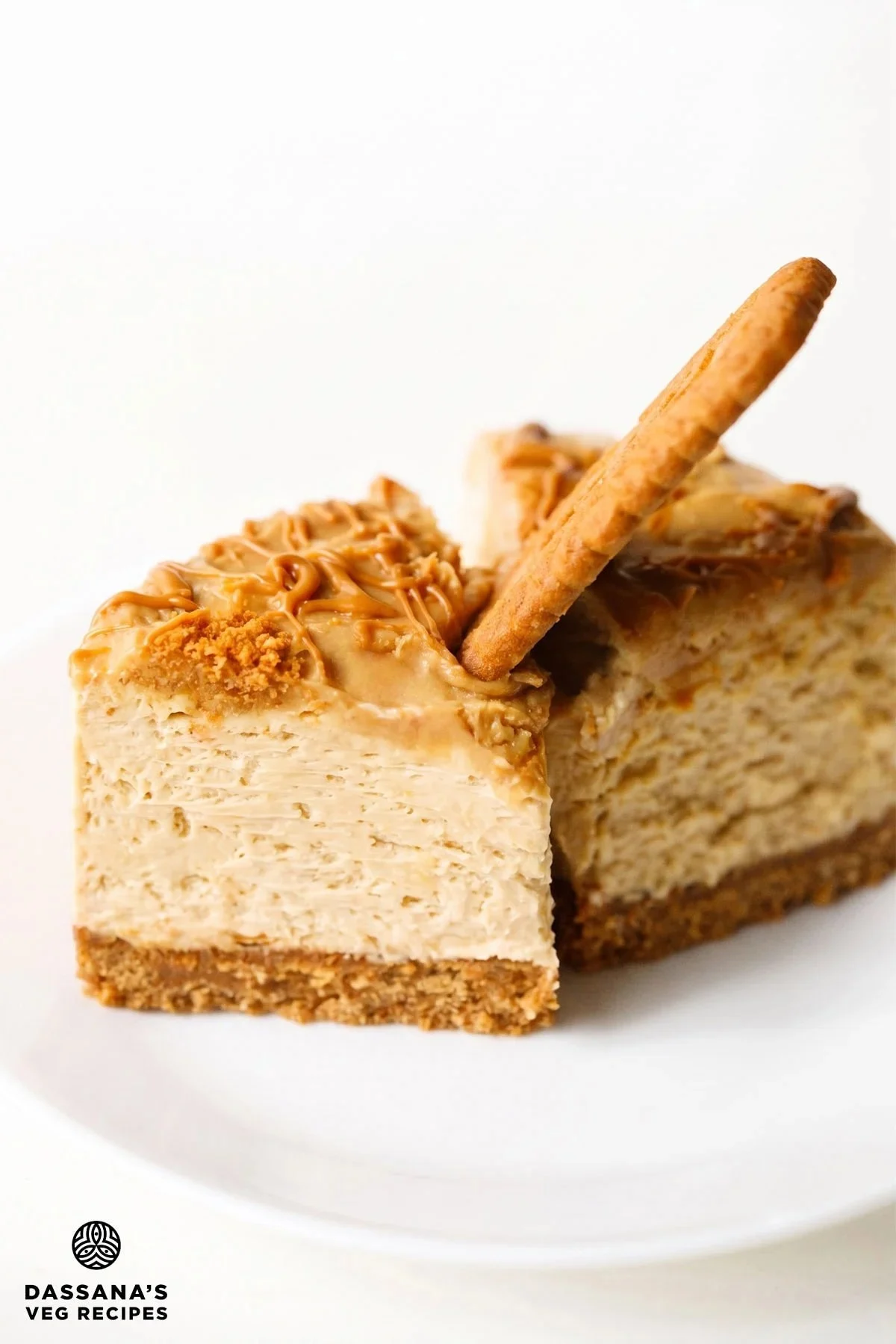
Main Facts: The Democratization of Gourmet Home Baking
In the contemporary culinary landscape, few flavors have achieved the cult-like status of the Lotus Biscoff biscuit. Originally a humble Belgian "speculoos" cookie served alongside coffee, the brand has evolved into a global phenomenon, permeating the world of high-end confectionery and home baking alike. The latest development in this "Biscoff-centric" movement is the rise of the No-Bake Biscoff Cheesecake—a dessert that prioritizes structural stability, rich flavor profiles, and accessibility for the amateur baker.

The recipe under analysis represents a significant shift in home dessert preparation. Unlike traditional New York-style cheesecakes that require the precision of a water bath and the volatility of oven temperatures, the no-bake variant leverages the chemical properties of dairy fats and sugar to set within a refrigerated environment. This specific iteration, popularized by culinary experts such as Dassana of Veg Recipes of India, emphasizes a minimalist approach: a three-component system consisting of a pressurized biscuit base, an aerated cream filling, and a concentrated Biscoff finish.

Key to this dessert’s success is the exclusion of artificial setting agents. While many commercial no-bake recipes rely on gelatin or agar-agar to maintain form, this engineering feat utilizes the high fat content of cream cheese and the structural integrity of stiff-peaked heavy cream to create a "stable yet creamy" texture. This allows the signature caramelized, spiced notes of the Biscoff spread to remain the primary sensory experience without the textural interference of gelling agents.

Chronology: The Lifecycle of a No-Bake Masterpiece
The assembly of a Biscoff cheesecake is a chronological exercise in temperature management and mechanical integration. The process is divided into four distinct phases, each requiring specific environmental conditions to ensure the final product’s viability.

Phase I: The Foundational Compression (0–30 Minutes)
The process begins with the construction of the "crust," or biscuit base. Using 125 grams of Lotus Biscoff Classic biscuits, the baker must achieve a "fine crumb" consistency. This is typically performed via a high-speed food processor or manual percussion within a sealed environment. The introduction of 40 grams of melted butter acts as a binding agent. Once integrated, the mixture is subjected to high-pressure tamping into a 5-inch detachable pan. This stage is followed by a mandatory 20-to-30-minute refrigeration period, allowing the lipids in the butter to solidify, thereby creating a load-bearing surface for the filling.

Phase II: The Aeration and Emulsification (30–60 Minutes)
While the base stabilizes, the "filling phase" commences. This involves two parallel processes. First, 200 grams of softened cream cheese is emulsified with 40 grams of powdered sugar and vanilla extract. Simultaneously, 150 ml of cold heavy cream (minimum 35% fat) is whipped to "stiff peaks." The chronology here is vital: the cream must be chilled to facilitate air-bubble retention, while the cream cheese must be at room temperature to prevent lumping during the folding process.

Phase III: Integration and The "Fold" (1 Hour)
The two dairy components are combined using a gentle folding technique. This is a critical juncture where the mechanical air trapped in the whipped cream is introduced to the dense structure of the cream cheese. The signature Biscoff spread (5 tablespoons) is then folded in. Over-mixing at this stage is the primary cause of structural failure, as it can deflate the aeration required for the cake to "set" without heat.

Phase IV: The Maturation Period (6–18 Hours)
The final chronological stage is the setting period. While the recipe technically sets in 5 to 6 hours, culinary professionals recommend an overnight maturation (approximately 12 to 18 hours). During this time, the flavors of the speculoos spices—cinnamon, nutmeg, and ginger—infuse into the dairy fat, and the moisture levels equalize, resulting in the "neat slices" that characterize a professional-grade dessert.

Supporting Data: Nutritional and Structural Metrics
To understand why this recipe "works" from a food science perspective, one must examine the data behind the ingredients. The Biscoff Cheesecake is a calorie-dense, high-lipid dessert, designed for indulgence rather than daily consumption.

Nutritional Breakdown (Per Serving)
A single serving of this cheesecake (based on a 6-serving yield) contains approximately 482 calories. The breakdown of macronutrients reveals the source of its stability:

- Total Fat: 37g (of which 19g are saturated fats). This high fat content is what allows the cake to remain firm at refrigerated temperatures.
- Carbohydrates: 34g (with 22g of sugar). The sugar provides more than just sweetness; it acts as a hygroscopic agent, holding onto moisture to keep the filling smooth.
- Sodium: 254mg. The salt content, though seemingly minor, is essential for balancing the deep caramel notes of the Biscoff spread.
Ingredient Ratios and Pan Physics
The recipe utilizes a 5-inch detachable or springform pan. The choice of a smaller diameter pan is deliberate; it provides a higher "filling-to-crust" ratio and ensures that the height of the cheesecake is sufficient to create an aesthetic "gourmet" profile. By using a higher proportion of cream cheese relative to whipped cream, the creator ensures a "stable yet creamy" texture that resists collapsing when removed from the pan’s support.

Official Responses: Technical Recommendations from the Creator
Dassana, the developer behind this specific iteration of the Biscoff Cheesecake, has provided several "official" technical insights to troubleshoot common issues faced by home bakers. Her methodology emphasizes the "flexibility" of the topping and the importance of patience.

"The balance of cream cheese, whipped cream, and Biscoff spread is what makes this recipe work," the developer noted in her technical brief. She specifically advocates for the "detachable pan" method, which allows for a clean release of the cake. For those seeking a more aesthetic finish, she suggests an optional double-layering technique: adding a layer of melted Biscoff spread after a partial 4-hour set, followed by a second refrigeration cycle.

Furthermore, regarding the "no-gelatin" approach, the official recommendation is clear: the stability of the cake is entirely dependent on the quality of the cream. "Stop whipping as soon as the cream holds its shape," the instructions warn, noting that over-whipping can lead to a "grainy" texture, effectively ruining the mouthfeel of the dessert. This focus on technique over chemical additives has been hailed by the vegetarian baking community, as it removes the need for animal-derived stabilizers.

Implications: The Future of "Brand-Centric" Confectionery
The popularity of the Biscoff Cheesecake carries broader implications for the global food industry and the "home-chef" economy. We are witnessing a transition from "generic" ingredients to "brand-specific" recipes.

The Power of Ingredient Branding
In the past, a cheesecake was defined by its fruit topping (strawberry, blueberry). Today, the branding of the ingredient itself—Lotus Biscoff—is the primary selling point. This suggests that consumers are increasingly looking for familiar, nostalgic flavors that offer a "guaranteed" taste profile. The "Biscoff" name carries a premium association that elevates a simple no-bake recipe into a luxury item.

The "Instagrammability" Factor
The visual appeal of the Biscoff Cheesecake—with its monochromatic shades of beige, tan, and deep caramel—is perfectly suited for social media marketing. The "neat slices" mentioned in the recipe are not just a textural goal; they are a requirement for the "food photography" culture that drives modern culinary trends.

The Shift Toward No-Bake Efficiency
As energy costs rise and domestic schedules become more compressed, the "no-bake" implication is significant. This recipe demonstrates that high-quality, "celebration-worthy" desserts can be produced without the energy expenditure of an oven or the complex skills required for traditional baking. It represents a "democratization" of the pastry chef’s art, allowing anyone with a refrigerator and a hand-mixer to produce a professional-grade result.

In conclusion, the No-Bake Biscoff Cheesecake is more than just a transient food trend; it is a meticulously engineered culinary product that balances brand-loyalty, food science, and consumer accessibility. Whether viewed through the lens of nutritional data or the chronology of its assembly, it stands as a testament to the evolving nature of the modern dessert.
