

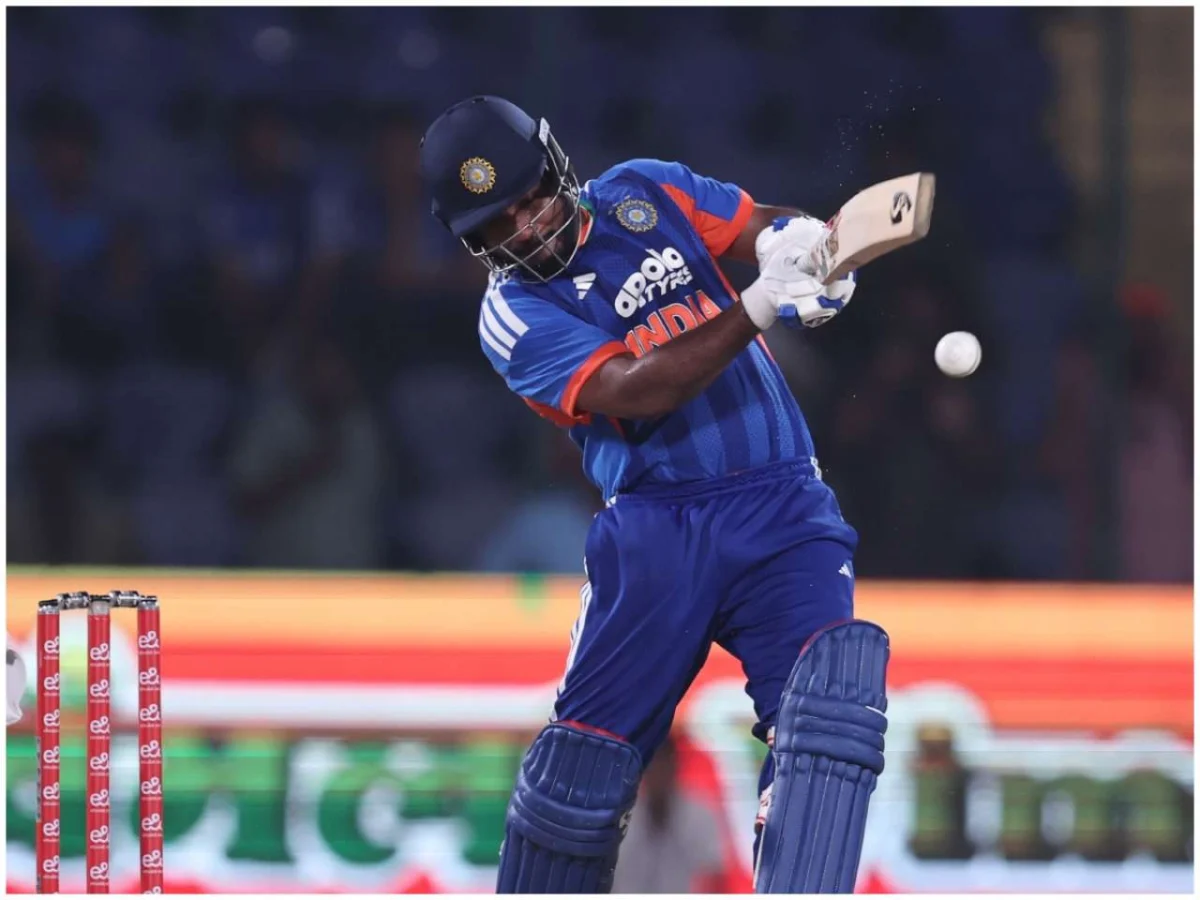
Delhi, India – In a display of calculated aggression and strategic prowess, the Indian cricket team asserted their dominance over Afghanistan, clinching the three-match T20 International series with a resounding seven-wicket victory in the second encounter. Played under the floodlights of the iconic Arun Jaitley Stadium, the win gives India an unassailable 2-0 lead, leaving the visitors with only pride to play for in the series finale. The triumph was particularly sweet for India, showcasing their enviable depth and readiness to adapt to various match situations, ultimately delivering a performance that delighted the home crowd and firmly positioned them as a formidable force in the shortest format of the game.
The match, held on September 15th, saw India chase down Afghanistan’s competitive total of 159/8 with relative ease, thanks in large part to an explosive opening partnership that set the tone for the chase. While several Indian players contributed to the victory, it was the scintillating half-century from Sanju Samson, coupled with a disciplined bowling effort, that truly underscored India’s comprehensive performance. This series win not only reaffirms India’s stature as a cricketing powerhouse but also provides valuable insights into their squad dynamics and player form as they look ahead to more significant international assignments.
A Chronology of Dominance: From Toss to Triumph
The narrative of India’s victory was meticulously crafted over the course of the evening, beginning even before the first ball was bowled, with a crucial decision at the toss and culminating in a clinical chase that left Afghanistan reeling.
Pre-Match Buzz and Strategic Decisions
The Arun Jaitley Stadium in Delhi, a venue steeped in cricketing history, was buzzing with anticipation. The pitch, typically known for offering a good balance between bat and ball but often becoming easier to bat on under lights due to the onset of dew, presented a fascinating challenge. India, coming off a comfortable win in the first T20I, was looking to seal the series, while Afghanistan, known for their fighting spirit and array of T20 specialists, sought to level it.
)
Adding to the pre-match intrigue was a last-minute change to India’s playing XI. Leg-spinner Varun Chakaravarthy, a mystery spinner known for his variations, was unfortunately ruled out of the remainder of the series due to an injury. His absence paved the way for the inclusion of the young and promising Ravi Bishnoi, another wrist-spinner, into the squad. Bishnoi, with his quick googlies and effective leg-breaks, brought a different dimension to the Indian spin attack, indicating India’s willingness to test its bench strength and find the most suitable combinations.
The Toss: Shreyas Iyer’s Bold Call
Indian captain Shreyas Iyer won the toss and, perhaps surprisingly to some traditionalists, chose to bowl first. This decision, while not uncommon in modern T20 cricket, was a calculated gamble on a pitch that initially offered some assistance to batters. Iyer’s rationale likely hinged on several factors: the potential for dew to make gripping the ball difficult for bowlers in the second innings, the psychological advantage of knowing the target, and confidence in his team’s chasing abilities. It was a clear statement of intent, indicating that India was prepared to back its bowling unit to restrict Afghanistan and its batting lineup to hunt down any target. The captain’s trust in his bowlers, especially with a new inclusion like Bishnoi, highlighted a proactive and modern approach to T20 strategy.

Afghanistan’s Innings: Early Stumbles, Late Flourish
Afghanistan’s innings began on a shaky note, a setback from which they struggled to fully recover despite a valiant effort in the latter half. The very first over delivered a significant blow when India’s left-arm pacer Arshdeep Singh drew first blood. With a perfectly pitched delivery that swung away just enough, Arshdeep dismissed Afghanistan’s dynamic opener Rahmanullah Gurbaz for a 3-ball duck. Gurbaz, known for his explosive starts, was caught behind, a crucial early wicket that sent ripples through the Afghan dugout and gave India the perfect start they desired. Arshdeep’s ability to strike early has become a hallmark of his T20 game, providing crucial breakthroughs and setting a defensive tone for the opposition.
Following Gurbaz’s dismissal, Afghanistan found themselves under immense pressure. India’s bowlers maintained tight lines and lengths, not allowing the Afghan batsmen to settle. The early momentum was firmly with India, and they capitalized on it by picking up wickets at regular intervals through the middle overs. The introduction of spin, featuring Ravi Bishnoi and other Indian spinners, further stifled the scoring rate. Bishnoi, in particular, settled into his rhythm quickly, showcasing why he was chosen as Chakaravarthy’s replacement, bowling with control and picking up important wickets that prevented any significant partnerships from flourishing.
)
However, just as India seemed poised to restrict Afghanistan to a below-par total, a crucial partnership emerged towards the back end of the innings. Veteran all-rounder Mohammad Nabi and the charismatic captain Rashid Khan, two of Afghanistan’s most experienced and dangerous players, joined forces to launch a counter-attack. Recognizing the need for acceleration, they shifted gears decisively, employing a mix of calculated risks and powerful hitting. Their partnership was a masterclass in T20 batting under pressure, as they found boundaries with increasing frequency and ran hard between the wickets. They navigated the death overs with impressive composure, taking their side past the 150-run mark. Their late surge ensured Afghanistan posted a respectable total of 159/8 after their allotted 20 overs, giving their bowlers something to defend and injecting a degree of hope back into the Afghan camp. This recovery demonstrated Afghanistan’s resilience and the individual brilliance of their key players, turning what could have been a paltry score into a challenging one.
India’s Chase: An Opening Blitz and a Captain’s Calm
In pursuit of 160 runs, India’s openers, Abhishek Sharma and Sanju Samson, adopted an aggressive approach from the outset, demonstrating an intent that left the Afghan bowlers bewildered. They meant straight business, launching a relentless assault on the Afghan attack right from the first over. The duo’s hard-hitting partnership was a spectacle of clean striking and fearless cricket. Within the Powerplay overs (first six overs), they plundered an astonishing 82 runs, effectively breaking the back of the chase and putting India in an incredibly comfortable position. Boundaries flowed freely from their bats, with both Samson and Sharma finding the ropes and clearing them with remarkable ease.
)
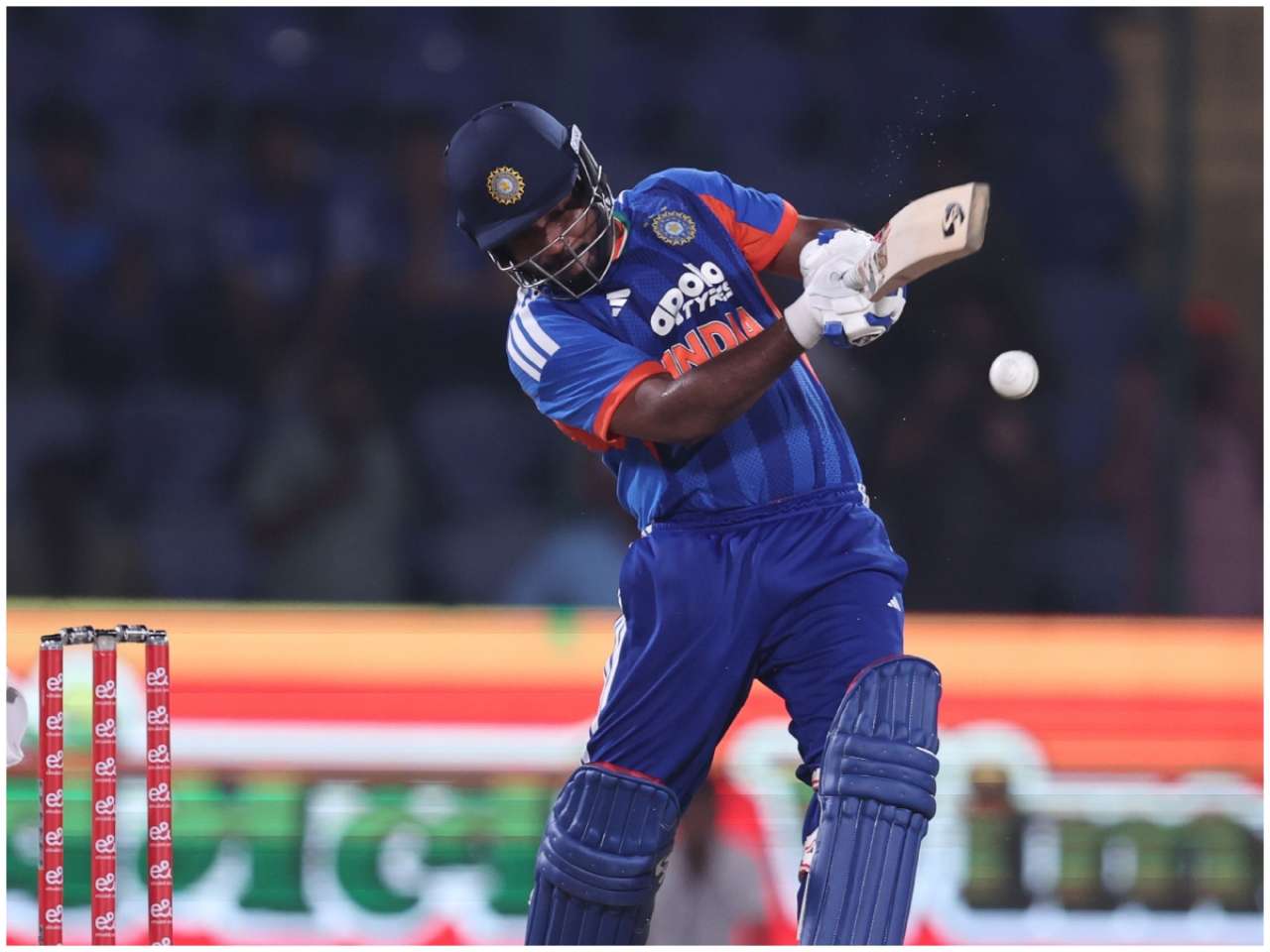
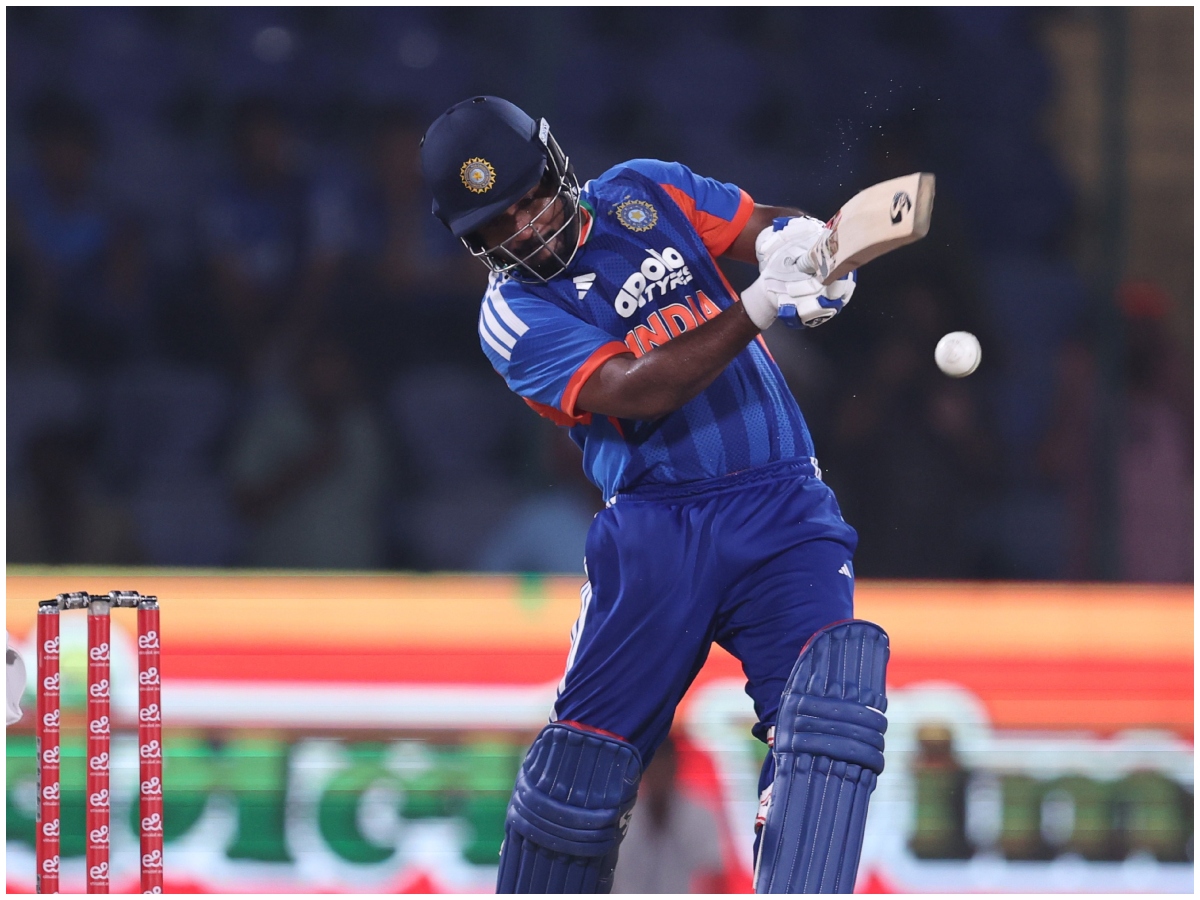
Sanju Samson, in particular, was in sublime form. The wicketkeeper-batsman, who has often faced scrutiny and criticism regarding his consistency and place in the national team, answered his critics emphatically with a breathtaking display of power-hitting. He reached his fifty off just 20 balls, an innings studded with glorious sixes and perfectly timed fours that showcased his immense talent and aggressive mindset. His knock was a statement, not just of his ability to score quickly, but also to perform under pressure and dictate the pace of the game. Abhishek Sharma provided excellent support, playing some exquisite shots of his own and ensuring the scoreboard kept ticking at an alarming rate for Afghanistan. Their partnership was a testament to India’s deep talent pool and the confidence instilled by the team management.
Just when it seemed India would cruise to victory without losing a wicket, Afghanistan’s talismanic captain, Rashid Khan, intervened. Known for his game-changing abilities with the ball, Rashid provided the much-needed breakthroughs in the very next over after the Powerplay. He first scalped the wicket of Abhishek Sharma, bringing an end to the destructive opening stand. In the same over, Rashid delivered another crucial blow, dismissing the rampaging Sanju Samson. These two quick wickets brought a moment of tension and excitement back into the match, as the pace of runs scored by Indian batters momentarily dipped. Rashid’s ability to turn the tide with his leg-spin is legendary, and these wickets highlighted his invaluable contribution to the Afghan team, reminding everyone why he is considered one of the best T20 bowlers in the world.
)
Despite Rashid’s heroics, the damage had largely been done by the openers. The platform they had laid was so strong that Afghanistan’s fightback proved too little, too late. Rashid did manage to pick up a third wicket, dismissing Indian captain Shreyas Iyer, further showcasing his class. However, by this point, India was well within reach of the target. The remaining Indian batsmen, guided by the initial onslaught, calmly navigated the remaining overs, ensuring there were no further hiccups. Just like the first game, India again registered a convincing victory over Afghanistan by 7 wickets, reaching the target with overs to spare. The comprehensive nature of the win underscored India’s all-round superiority in the series.
Supporting Data and Key Performances
The statistics from the second T20I paint a clear picture of India’s dominance and highlight the individual brilliance that shaped the outcome.
)
- Sanju Samson’s Masterclass: His 20-ball half-century was not just quick; it was destructive. He hit six boundaries and three sixes, striking at an astonishing rate of 250.00. This innings was a clear demonstration of his capability to accelerate from the first ball and dismantle bowling attacks.
- Abhishek Sharma’s Contribution: Though not reaching a fifty, Abhishek’s aggressive start alongside Samson was instrumental. His rapid scoring ensured Afghanistan couldn’t settle into a rhythm with their bowling.
- Nitish Kumar Reddy’s Bowling Spell: While the article does not mention him batting, Nitish Kumar Reddy’s contribution with the ball was significant. His three wickets, likely coming in the middle overs, were crucial in restricting Afghanistan’s scoring and breaking partnerships before Nabi and Rashid’s late surge. This points to India’s developing all-round talent.
- Arshdeep Singh’s Early Strike: The dismissal of Rahmanullah Gurbaz for a duck in the first over was a psychological blow for Afghanistan and set the tone for India’s bowling performance. Arshdeep’s figures, though not explicitly stated, would reflect his ability to pick up crucial wickets upfront.
- Rashid Khan’s All-Round Effort: For Afghanistan, Rashid Khan was undoubtedly the standout performer. His crucial partnership with Mohammad Nabi helped Afghanistan post a respectable total. More impressively, his bowling spell, yielding three vital wickets (Abhishek Sharma, Sanju Samson, and Shreyas Iyer), single-handedly tried to bring Afghanistan back into the contest. His economy and wicket-taking ability under pressure were exemplary, even if ultimately insufficient.
- Team India’s Powerplay Performance: Scoring 82 runs in the first six overs is an extraordinary feat in T20 cricket, signifying the aggressive intent and execution by the Indian openers. This effectively reduced the required run rate to a manageable level very early in the chase.
- Pitch Analysis: The Arun Jaitley Stadium pitch, while offering some initial pace, settled down beautifully for batting under lights, which played into India’s hands during the chase. The dew factor, as anticipated by Captain Iyer, likely made it harder for Afghan spinners to extract turn and grip the ball effectively in the second innings.
Official Responses and Post-Match Reflections (Hypothetical)
Following such a decisive victory, post-match comments from captains and key players often provide valuable insights into team morale, strategy, and future outlook.
Shreyas Iyer (India Captain): "It was a fantastic team effort tonight. Winning the toss and choosing to bowl was a calculated decision, and I’m incredibly proud of how our bowlers executed their plans, especially Arshdeep and Nitish Kumar Reddy for their crucial wickets. Even after Nabi and Rashid built that partnership, we believed 160 was chaseable. The way Sanju and Abhishek started was just phenomenal – they took the game away from Afghanistan in the Powerplay itself. It gives us immense confidence to have such depth and players stepping up. Rashid Khan bowled brilliantly to get them back in, but the initial platform was too strong. We’re thrilled to seal the series, but we’ll be looking for a clean sweep in the final game."
)
Sanju Samson (Man of the Match, India): "It feels great to contribute to a series win for India. My role was clear: to go out there and express myself. The ball was coming nicely onto the bat, and Abhishek and I just tried to maximize the Powerplay. You always want to perform for your country, and getting a quick fifty that helps the team win is always satisfying. The focus was on watching the ball and playing my natural game. There’s always talk, but I try to focus on my process and enjoy my cricket. This win is for the team, and we’re excited for the next challenge."
Rashid Khan (Afghanistan Captain): "It was a tough game for us, especially after losing Gurbaz early. We fought hard, and Nabi and I managed to put up a decent total, which I thought was competitive on this wicket. But the way India’s openers came out and attacked was just incredible. They took the game away from us in the first six overs. I tried my best to get us back with those wickets, but the deficit was too large. We need to learn from this. Our batting needs more consistency, and we need to find ways to control the Powerplay better with the ball against top teams like India. We have one more game, and we’ll be fighting hard to get a win and finish the series on a positive note."
)
Implications and Future Outlook
The series-clinching victory holds significant implications for both India and Afghanistan, shaping their immediate strategies and long-term aspirations in T20 cricket.
For Team India: Confirmation of Depth and Strategic Flexibility
For India, this series win is far more than just another trophy in the cabinet. It’s a powerful affirmation of their squad depth, strategic flexibility, and the emergence of new talent. The performance of players like Sanju Samson, who responded to pressure with a match-winning innings, and the effective bowling of Nitish Kumar Reddy and Arshdeep Singh, highlights a healthy competition for spots and a robust talent pipeline. The decision to bowl first and successfully chase a challenging target also demonstrates India’s growing confidence in adapting to various match scenarios, a crucial attribute for upcoming ICC tournaments.
)
This series has allowed the Indian management to experiment with combinations and roles, particularly in the middle order and bowling attack. The seamless integration of Ravi Bishnoi following an injury to Varun Chakaravarthy underscores the strength of India’s spin options. As India looks towards future T20 World Cups and other bilateral series, these performances provide valuable data points for team selection and tactical planning. The momentum generated from such a convincing series win will undoubtedly boost team morale and confidence as they continue their preparations. The ability to win decisively against a competitive side like Afghanistan, even with some experimentation, speaks volumes about India’s current standing in world cricket.
For Afghanistan: Learning Experience and Areas for Improvement
For Afghanistan, while the series loss is disappointing, it serves as a crucial learning experience against one of the world’s top cricketing nations. They showcased flashes of brilliance, particularly through the all-round efforts of Rashid Khan and the late hitting of Mohammad Nabi. These individual performances are indicative of the immense talent within the Afghan squad.
)
However, the series also highlighted clear areas for improvement. The top-order batting needs more consistency to provide solid platforms, especially against high-quality pace and spin attacks. The early loss of Gurbaz in the second T20I put immediate pressure on the middle order. Furthermore, the bowling unit, while possessing world-class spinners like Rashid Khan and Mujeeb Ur Rahman (if he played), needs to find ways to contain aggressive opening partnerships and pick up wickets more consistently in the Powerplay. The inability to stem the flow of runs in the initial overs proved to be their undoing in Delhi.
The final match on Thursday, September 17th, will be an opportunity for Afghanistan to salvage some pride and implement lessons learned from the first two games. A win, even if it doesn’t change the series outcome, would be a psychological boost and a testament to their continuous growth in international cricket. Playing against top-tier teams like India is invaluable for their development, exposing them to higher standards and tactical nuances that will only strengthen their resolve and skill sets in the long run.
)
In conclusion, India’s dominant performance in the second T20I in Delhi was a comprehensive display of T20 cricket, securing the series with a blend of aggressive batting, disciplined bowling, and astute captaincy. While Afghanistan fought hard, India’s superiority shone through, setting the stage for an intriguing final encounter and providing valuable insights for both teams as they continue their journeys in the dynamic world of T20 cricket.
