

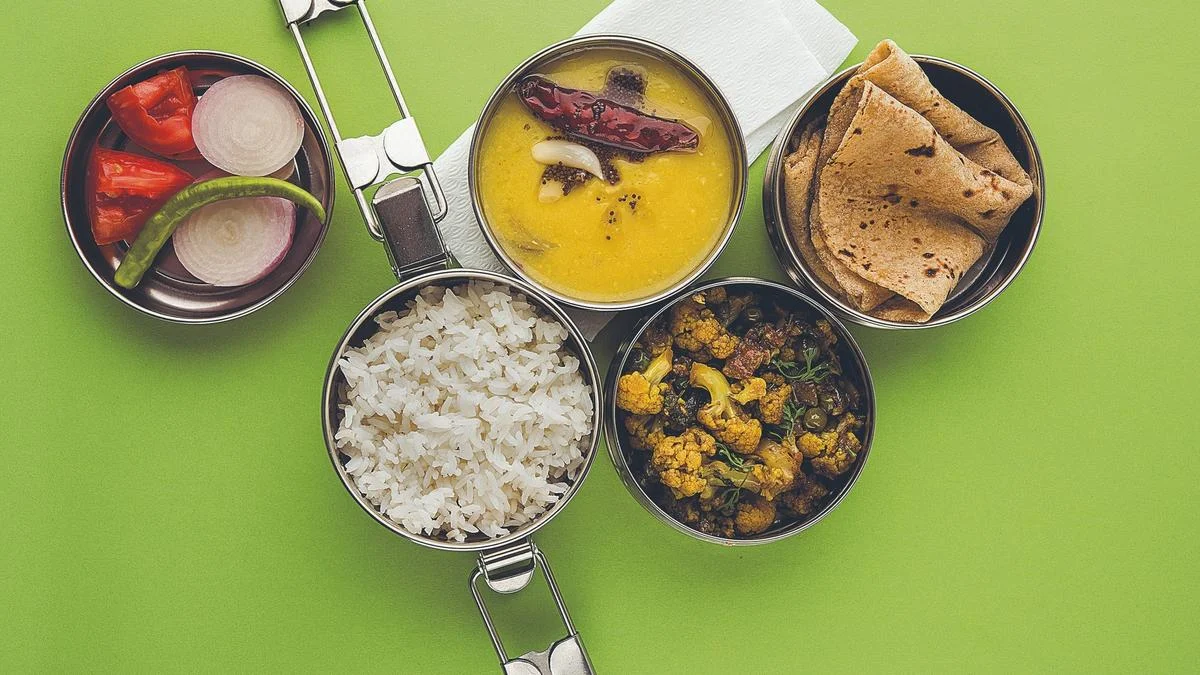
CHENNAI — For decades, the rhythmic clinking of stainless-steel tiffin carriers served as the unofficial metronome of midday in Madras. From the bustling corridors of the High Court to the administrative hubs of Chepauk, the three-tiered or four-tiered cylindrical containers were more than just vessels for rice, sambar, and poriyal; they were metallic anchors to the home.
However, as the city has rebranded from Madras to Chennai and expanded into a sprawling megalopolis of IT parks and high-rises, this iconic symbol of domesticity is facing an existential crisis. The traditional tiffin carrier, once an essential companion for every office-goer and student, is being systematically replaced by a digital ecosystem of food-delivery apps, subscription kitchens, and quick-service cafes.
Main Facts: The Displacement of a Cultural Icon
The decline of the tiffin carrier represents a fundamental shift in the socio-economic fabric of Chennai. Historically, the "tiffin" referred not just to the meal itself—typically a light snack or a packed lunch—but to the culture of preparation and portability.
Several key factors define this transition:
- The Rise of the Gig Economy: Food delivery giants like Swiggy and Zomato have commoditized convenience, making it easier to order a hot meal at one’s desk than to carry a heavy steel container during a crowded suburban train commute.
- Changing Domestic Dynamics: The traditional model of the "stay-at-home" spouse preparing a multi-course meal by 8:00 AM has largely dissolved as dual-income households become the urban norm.
- The Subscription Model: For those who still crave "home-style" food, the labor has been outsourced to "cloud kitchens" and subscription services that deliver meals in disposable plastic or foil packaging, rendering the reusable steel carrier obsolete.
- Nostalgia vs. Utility: While elders and heritage enthusiasts view the tiffin carrier with sentimental reverence, the younger workforce prioritizes variety and speed, often opting for global cuisines over the traditional rice-based lunch.
Chronology: From Mount Road Landmarks to Cloud Kitchens
To understand the current state of Chennai’s food culture, one must look back at the milestones that defined the city’s palate over the last six decades.
The 1960s and 70s: The Golden Age of Dining Out
During this era, dining out was a rare, sophisticated event. Writer Sivasankari, 82, recalls a time when the city’s culinary map was defined by a few legendary establishments on Anna Salai (then Mount Road).
"Gaylord and Jaffers were the places to be," Sivasankari reminisces. "Gaylord, close to my office, and Jaffers were known for their ice creams, which were of international standard. The Peach Melba at Jaffers was my all-time favourite."
During this period, the tiffin carrier was the rule for daily sustenance, while restaurants like Gaylord represented the "treat" culture. There was a clear boundary between the "home-cooked" and the "commercial."
The 1980s and 90s: The Proliferation of the "Hotel" Culture
As the city grew, the "Darshini" and "Udupi" style eateries began to bridge the gap. These establishments offered quick, affordable meals that mimicked the tiffin carrier’s contents. This period saw the first dent in the habit of carrying lunch, as the "Business Lunch" or "Thali" became a viable economic alternative for the burgeoning middle class.
The 2010s: The Digital Disruption
The arrival of smartphones and high-speed internet transformed the tiffin from a physical object into a service. The "Dabba" was no longer something you brought from home; it was something you "booked" on an app. By 2018, Chennai had become one of the fastest-growing markets for food delivery in India, signaling the beginning of the end for the ubiquitous steel carrier.
Supporting Data: The Economics of the Lunchbox
Statistical trends highlight why the stainless-steel carrier is losing ground. According to urban consumer surveys conducted in metropolitan India:
- Commute Times: The average one-way commute in Chennai has increased by 25% over the last decade. Carrying a 1.5kg steel tiffin carrier on a two-wheeler or a crowded bus is increasingly viewed as a physical burden.
- Cost Analysis: While a home-cooked meal remains cheaper, the "time-poverty" of working professionals has made the ₹120–₹180 price point of a delivery meal acceptable.
- The Material Shift: Retailers in T. Nagar and Parry’s Corner report a 40% decline in the sale of traditional tiered tiffin carriers over the last five years, while sales of insulated, plastic-lined "lunch bags" and microwave-safe containers have surged.
- Waste Generation: An unintended consequence of this shift is the environmental impact. A single tiffin carrier could last 20 years. In contrast, the current delivery model generates an estimated 150-200 grams of plastic and cardboard waste per meal.
Official Responses and Expert Perspectives
Sociologists and food historians view this trend as a loss of "culinary intimacy."

Dr. Aruna Chandrasekhar, a Cultural Anthropologist, notes: "The tiffin carrier was a link to the family. When you opened those tiers, the aroma of your specific family’s sambar powder or your mother’s style of potato fry filled the room. It was an identity. Today’s delivery meal is anonymous. It is sterile. It feeds the stomach but ignores the soul."
Restaurateurs, however, see it as an inevitable evolution. "We are seeing a demand for ‘nostalgia-on-demand’," says a manager of a popular subscription kitchen in Adyar. "Our customers want the food to look like it came out of a tiffin carrier, but they don’t want the hassle of washing the steel or carrying it back home. We provide the ‘home-cooked’ taste with the ‘tech-enabled’ convenience."
Health Experts express concern over the nutritional shift. Dr. V. Mohan, a prominent diabetologist in Chennai, has frequently pointed out that home-packed tiffins allowed for portion control and the use of healthy oils. "Commercial food, even when marketed as ‘home-style,’ often contains higher levels of sodium and hidden fats to maintain shelf life and taste during transit," he warns.
Implications: The Future of Chennai’s Food Identity
The disappearance of the tiffin carrier is not merely a change in hardware; it carries significant implications for the future of the city.
1. The Erosion of Communal Lunching
In the past, the "tiffin break" was a communal ritual. Colleagues would sit together, opening their carriers and sharing different preparations. This fostered a multi-cultural exchange of recipes and flavors. With the rise of individual app-based ordering, the lunch break has become a solitary activity, often performed while staring at a computer screen or scrolling through a phone.
2. Environmental Concerns
The environmental footprint of the post-tiffin era is staggering. Chennai’s municipal corporation has struggled with the sheer volume of non-biodegradable waste generated by food packaging. While some startups are experimenting with returnable steel containers—essentially a modernized version of the old tiffin service—they remain a niche market compared to the giants of plastic-wrapped delivery.
3. The "Cloud Kitchen" Hegemony
As traditional "mess" culture (small, home-run eateries) fades, large-scale cloud kitchens are taking over. This leads to a standardization of taste. The unique, hyper-local variations of South Indian cuisine are being flattened into a "standardized South Indian" flavor profile that appeals to the widest possible demographic but lacks regional character.
4. The Loss of Domestic Skill
The decline of the tiffin also signals a decline in the "morning kitchen" culture. The art of preparing a meal that remains palatable four hours later—knowing which vegetables won’t get soggy and how to temper yogurt so it doesn’t sour—is a body of knowledge that is slowly being lost to the convenience of "instant" options.
Conclusion: A City in Flux
As Chennai continues its march toward becoming a global tech hub, the clink of the stainless-steel tiffin carrier grows fainter. For many, like writer Sivasankari, the memories of the city’s past flavors—the Peach Melbas of Jaffers and the home-cooked lunches of the 70s—remain a bittersweet reminder of a slower, perhaps more intentional, way of life.
While the convenience of the digital age is undeniable, the city stands at a crossroads. Can it find a way to integrate the sustainability and emotional resonance of the traditional tiffin with the efficiency of modern technology? Or will the tiered steel carrier eventually find its only home in museums, a relic of a time when the most important notification of the day wasn’t a ping on a screen, but the sound of a handle being unlatched to reveal a warm, home-cooked meal?
For now, the delivery bikes continue to weave through Chennai’s traffic, carrying the future of food in cardboard boxes, while the old steel tiffins sit on the top shelves of kitchen cupboards, silent witnesses to a changing world.
