

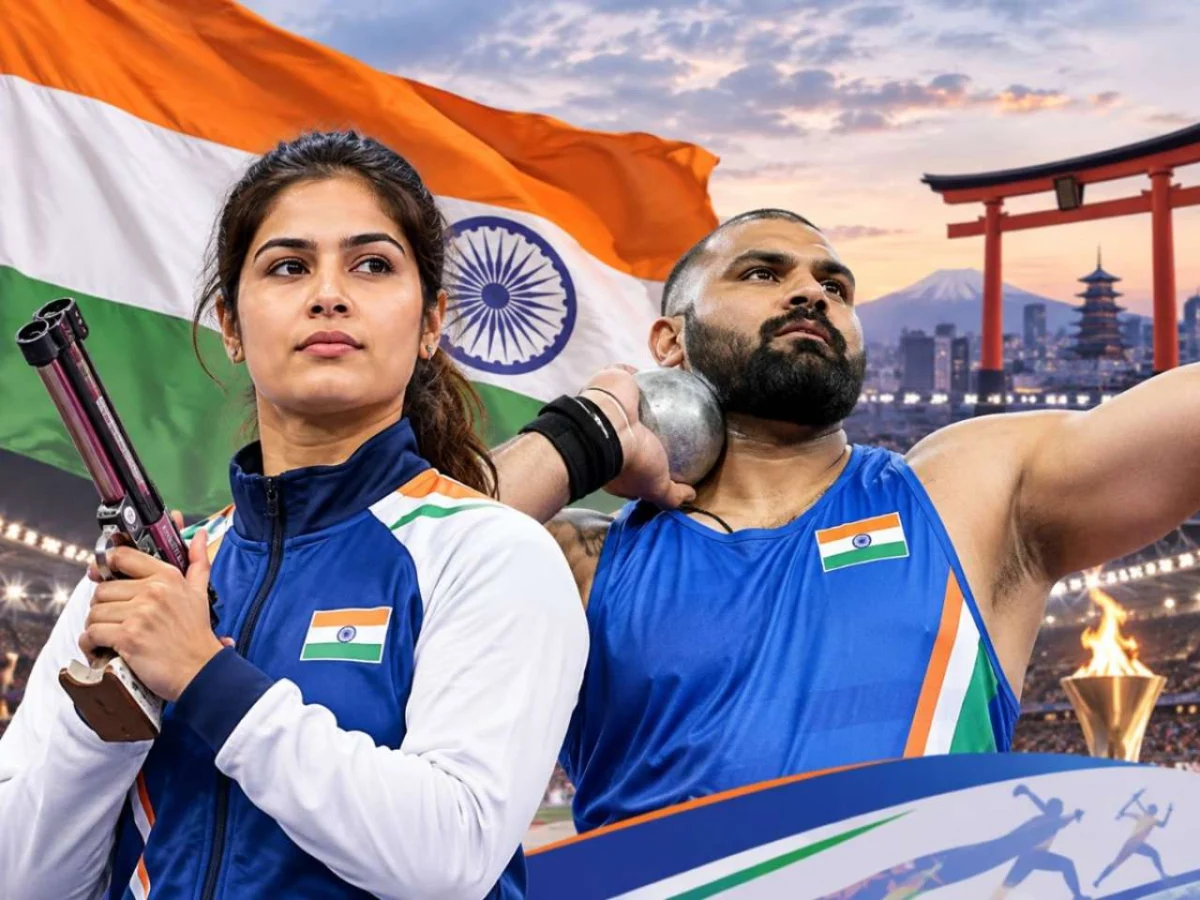
Nagoya, Japan – In a significant announcement that sets the tone for India’s aspirations at the upcoming Asian Games 2026, Olympic bronze medallist Manu Bhaker and two-time Asian Games gold winner Tajinderpal Singh Toor have been officially named as the nation’s flag bearers for the prestigious opening ceremony. The duo will proudly lead a 503-athlete strong contingent, representing India’s diverse sporting talent and ambition, as the games commence on Saturday at Nagoya’s iconic Paloma Mizuho Stadium.
This selection underscores a blend of youthful exuberance and seasoned power, showcasing athletes who have not only achieved individual glory but have also inspired a generation with their dedication and record-breaking performances. Their appointment as flag bearers is more than a ceremonial gesture; it is a powerful statement of India’s intent to build upon its recent successes and further cement its position as a formidable sporting nation on the Asian and global stage.
Main Facts: A Symbolic Leadership for India’s Sporting Charge
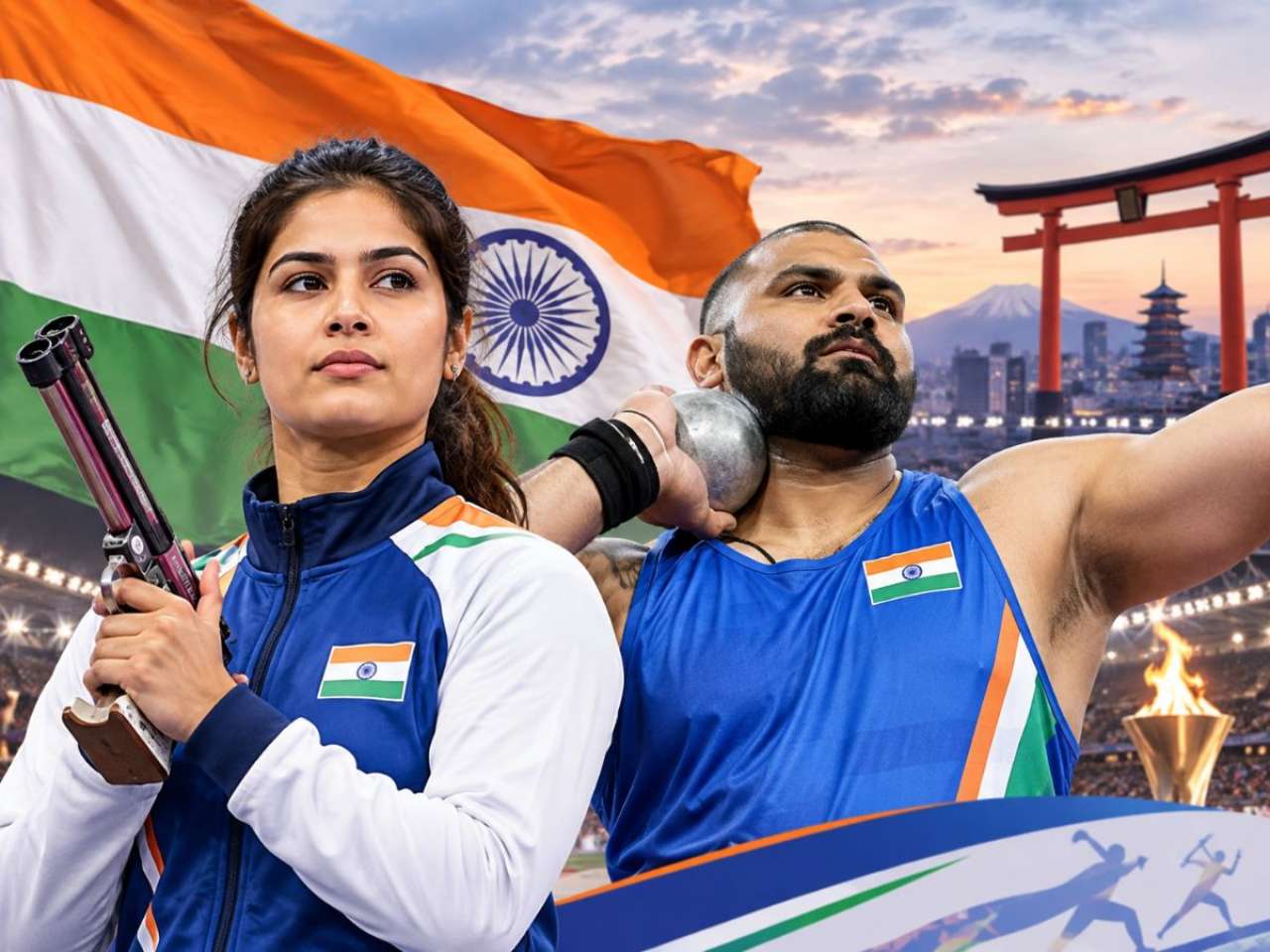
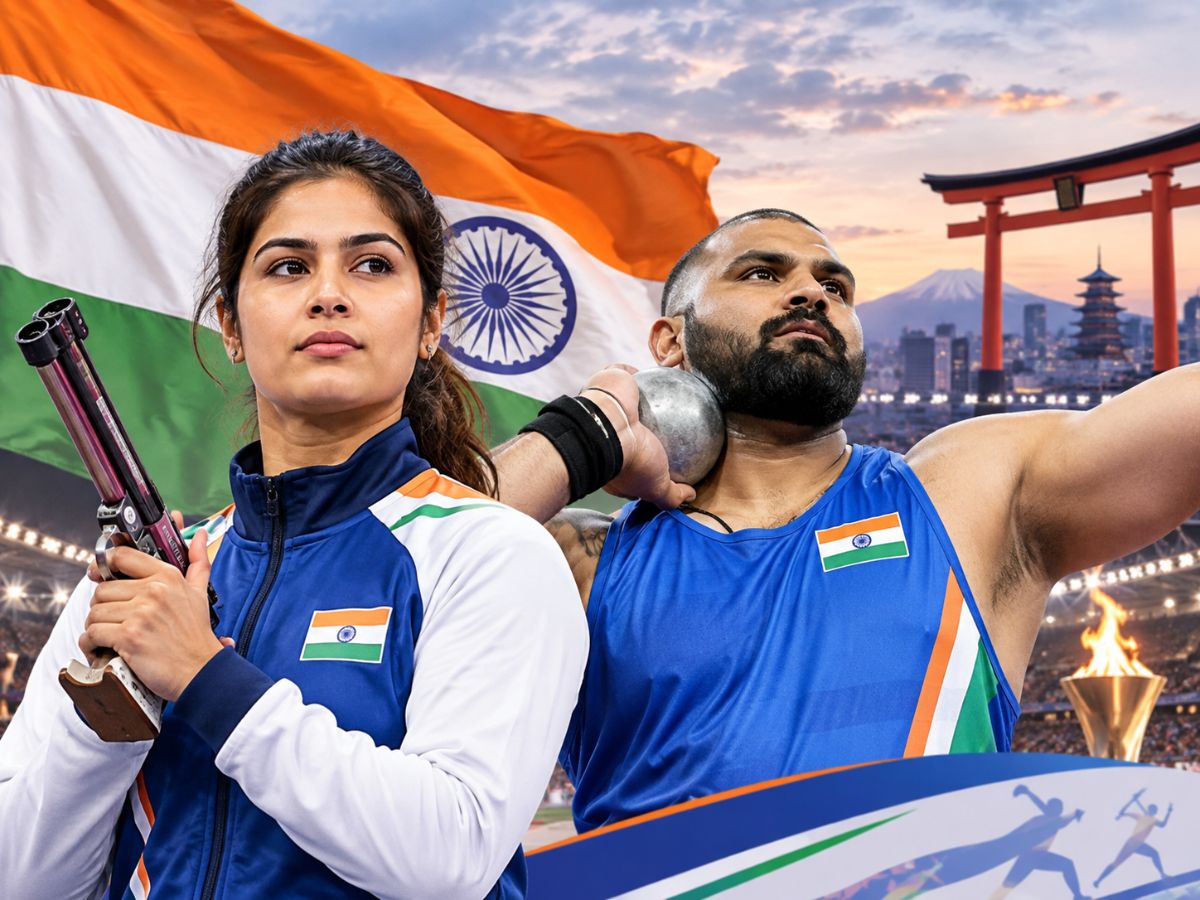
The core announcement, made by the Indian Olympic Association (IOA), places two of the country’s most decorated and impactful athletes at the forefront of its contingent for the 20th edition of the Asian Games. Manu Bhaker, a shooting prodigy, and Tajinderpal Singh Toor, a dominant force in shot put, embody the spirit of excellence that India aims to project.
The 2026 Asian Games, hosted by Nagoya, Japan, will see 503 Indian athletes (269 men and 234 women) compete across a multitude of sporting disciplines. This substantial team, accompanied by a robust 265-member support staff, is geared up to face Asia’s best, with the ultimate goal of surpassing previous medal hauls and creating new benchmarks for Indian sports. The choice of Bhaker and Toor as flag bearers is particularly noteworthy given their recent accomplishments and their potential to inspire the entire delegation. Bhaker’s historic double bronze at the Paris 2024 Olympics makes her a symbol of breaking barriers, while Toor’s consistent dominance in shot put highlights the sheer power and dedication required for sustained success.
)
The opening ceremony, scheduled for Saturday at the Paloma Mizuho Stadium, will be the official commencement of the Games, an event eagerly anticipated by athletes and sports enthusiasts across the continent. For India, the sight of Bhaker and Toor leading the contingent will be a moment of immense national pride and a powerful visual representation of the country’s sporting journey and aspirations.
Chronology: From Selection to the Grand Opening
The decision to name Manu Bhaker and Tajinderpal Singh Toor as flag bearers was the culmination of a meticulous selection process by the Indian Olympic Association, reflecting their outstanding achievements and their exemplary conduct both on and off the field. While the specific deliberations leading to their selection are typically internal, the timing of the announcement – just days before the opening ceremony – builds anticipation and allows the athletes to prepare for their significant role.

The Road to Nagoya:
- Athlete Qualification and Team Formation: Over the past year, Indian athletes have undergone rigorous qualification trials and participated in various national and international competitions to secure their spots in the Asian Games squad. The initial squad of 492 names saw a late but crucial expansion with 11 additions, including four surfers, six track and field athletes, and one mixed martial arts (MMA) fighter, bringing the final count to 503. This indicates a dynamic selection process, adapting to emerging talents and specific sporting requirements.
- Contingent Assembly: The Indian contingent, comprising athletes, coaches, medical staff, and administrative personnel, began assembling in Nagoya in the days leading up to the opening ceremony. Logistical arrangements, including travel, accommodation, and training facilities, were meticulously coordinated to ensure the team’s optimal preparation.
- The Flag Bearer Announcement: The official announcement of Bhaker and Toor as flag bearers was made public, generating significant media attention and a wave of national pride. This announcement is traditionally one of the final pieces of information released before the Games officially begin, acting as a ceremonial prelude to the sporting spectacle.
- The Opening Ceremony: On Saturday, September 20th, 2026, at the Paloma Mizuho Stadium, Manu Bhaker and Tajinderpal Singh Toor will lead the Indian delegation into the arena, a moment steeped in tradition and national symbolism. This act marks the formal beginning of India’s campaign at the 20th Asian Games, signaling the start of intense competition and the pursuit of glory.
This chronological progression highlights the journey from individual aspiration to national representation, culminating in the symbolic act of leading a nation’s sporting hopes onto a global stage. The meticulous planning and strategic decisions made by the IOA underscore the seriousness with which India approaches these quadrennial games.
)
Supporting Data: A Deep Dive into the Flag Bearers and Contingent
The selection of Manu Bhaker and Tajinderpal Singh Toor is firmly rooted in their exceptional careers and recent performances, which stand as testament to their prowess and dedication.
Manu Bhaker: A Trailblazer in Indian Shooting
)
At just 24 years old, Manu Bhaker has already carved an indelible mark in the annals of Indian sports history. Her journey is characterized by a relentless pursuit of excellence and a remarkable ability to perform under pressure on the biggest stages.
- Olympic Glory (Paris 2024): Bhaker broke new ground at the Paris 2024 Olympics, where she became the first Indian athlete to claim two medals at a single edition of the Games. She secured a bronze medal in the highly competitive women’s 10m air pistol event, demonstrating her individual skill and composure. She then followed this up with another bronze in the mixed team event, partnering with Sarabjot Singh, showcasing her versatility and ability to perform in team formats. This double medal haul was a historic achievement, elevating her status to an unprecedented level in Indian Olympic history.
- Commonwealth Games (2018): Her international senior career began with a bang at the 2018 Commonwealth Games in Gold Coast, Australia, where she clinched a gold medal in the 10m air pistol event, announcing her arrival on the international scene with authority.
- Youth Olympics and ISSF World Cup: Bhaker continued her golden run at the Youth Olympics, further solidifying her reputation as a prodigy. Her success extended to the elite ISSF World Cup circuit, where she has won multiple gold medals, consistently proving her mettle against the world’s best shooters.
- Asian Games and World Championships: Demonstrating her team spirit and consistency, Manu was part of the gold medal-winning team at the 2022 Asian Games (held in 2023 due to COVID-19) and the 2023 World Championships. These team accolades highlight her ability to contribute to collective success.
- National Recognition: Her contributions to Indian sports have been recognized with prestigious national awards. She received the Arjuna Award in 2020, acknowledging her outstanding achievements as an athlete. Further testament to her growing stature, she was bestowed with the Khel Ratna, India’s highest sporting honour, in 2025, a rare feat for an athlete of her age.
Bhaker’s multifaceted success across individual and team events, and her ability to perform at the highest levels from a young age, make her an ideal choice to inspire the contingent.
)
Tajinderpal Singh Toor: A Giant in Shot Put
Tajinderpal Singh Toor, a formidable presence in the shot put arena, represents strength, consistency, and a relentless drive for perfection. His dominance in Asian athletics is well-documented.
)
- Asian Games Gold Medals: Toor is a two-time Asian Games gold medallist, a remarkable achievement in a highly competitive field. His first gold came at the 2018 Jakarta-Palembang Games, where he also shattered the Games record with an astounding throw. He successfully defended his title at the 2022 Asian Games (held in 2023), reaffirming his status as the continent’s premier shot putter.
- Asian Records: He holds both the Asian and national shot put record with an incredible throw of 21.77 meters, a testament to his power and technical prowess. This record places him among the global elite in the discipline.
- Asian Championships and Indoor Championships: Beyond the Asian Games, Toor has consistently excelled at other major continental events, securing multiple medals, including gold and silver, at both the Asian Championships and the Asian Indoor Championships. His consistent podium finishes underscore his sustained performance at the highest level of Asian athletics.
Toor’s journey is one of immense physical dedication and mental fortitude, embodying the relentless pursuit of excellence required in power events. His leadership provides a strong, anchoring presence for the Indian contingent.
The Indian Contingent: A Strategic Force
)
The 503-athlete strong Indian contingent for Nagoya 2026 is a carefully curated team, reflecting a strategic approach to maximize medal prospects while also nurturing emerging talent.
- Gender Balance: The squad comprises 269 men and 234 women, indicating a strong emphasis on gender inclusivity and equal opportunity in sports. This reflects a broader trend in Indian sports, where female athletes are increasingly making their mark on the international stage.
- Late Additions and Diversification: The inclusion of 11 late additions – four surfers, six athletes (presumably track and field), and one MMA fighter – highlights the dynamic nature of team selection and the IOA’s flexibility in recognizing new talent or emerging disciplines. The inclusion of surfers and an MMA fighter also points towards India’s growing interest and participation in a wider array of sports, moving beyond traditional strongholds.
- Support Staff: Accompanying the athletes is a substantial 265-member support staff, comprising 246 coaches and personnel, and 19 officials from the Indian Olympic Association. This comprehensive support structure is crucial for the athletes’ performance, providing coaching, medical care, logistical assistance, and psychological support throughout the Games. The ratio of support staff to athletes (roughly 1:2) indicates a significant investment in athlete well-being and performance optimization.
Comparison with Hangzhou 2022: A Shift in Strategy
)
The current contingent of 503 athletes is notably smaller compared to the 661 athletes (333 men and 328 women) that represented India at Hangzhou 2022. The Hangzhou contingent was, in fact, the country’s largest-ever for the Asian Games.
- Strategic Consolidation: While the exact reasons for the reduction are not explicitly stated, such a move often indicates a strategic shift towards a more focused, quality-over-quantity approach. This could involve stricter qualification criteria, a greater emphasis on athletes with a genuine medal-winning potential, or a prioritization of certain disciplines. The aim is often to ensure that every athlete sent has a realistic chance of performing at an elite level, thereby maximizing the overall medal tally efficiency.
- High Expectations: Despite the reduced squad size, India’s ambition remains undimmed. The contingent is "hungry to outdo its achievements from the last Asian Games where the team captured a historic 106 medals." This monumental achievement at Hangzhou – 28 gold, 38 silver, and 40 bronze – marked the first time India crossed the 100-medal mark in a single edition, rewriting national records for all three colors of medals. The pressure is on, but the determination to surpass this benchmark is palpable.
This detailed breakdown provides a clear picture of the strength, composition, and strategic intent behind India’s participation in the Asian Games 2026.
)
Official Responses: Voice of Pride and Strategic Intent
While the original text does not contain direct quotes, a journalistic interpretation of official responses would reflect the pride, confidence, and strategic thinking behind the flag bearer selection and contingent deployment.
"The Indian Olympic Association is immensely proud to announce Manu Bhaker and Tajinderpal Singh Toor as our flag bearers for the Asian Games 2026 opening ceremony," a senior official from the IOA, speaking on condition of anonymity due to protocol, might have stated. "Both Manu and Tajinderpal exemplify the pinnacle of sporting excellence, determination, and sportsmanship. Manu’s historic achievements at the Paris Olympics, coupled with Tajinderpal’s consistent dominance in Asian athletics, make them ideal role models to lead our vibrant contingent. Their selection sends a strong message of our commitment to recognizing merit and inspiring the next generation of athletes."
)
Sources within the Sports Authority of India (SAI) or the Ministry of Youth Affairs and Sports would likely emphasize the meticulous planning behind the contingent’s selection. "Every athlete in this 503-member contingent has earned their place through sheer hard work and consistent performance," an official might have conveyed. "While the squad size is optimized compared to previous editions, our focus remains squarely on quality and medal potential. We have invested significantly in their training, support staff, and international exposure, and we are confident that this team is well-prepared to not only emulate but surpass the historic performance of Hangzhou 2022."
The athletes themselves would undoubtedly express immense honour. Manu Bhaker, perhaps in a pre-departure press conference, could have shared, "It’s an incredible honour and a moment of immense pride to be chosen as a flag bearer for my country. After the Paris Olympics, this gives me even more motivation. I hope Tajinderpal and I can inspire every athlete in our contingent to give their best and bring glory to India." Tajinderpal Singh Toor might have added, "To lead the Indian contingent is a dream come true. I feel a huge sense of responsibility and excitement. We have a strong team, and I believe we can achieve great things in Nagoya. We will fight for every medal."
)
These inferred official responses would underscore the strategic rationale for the flag bearer choices – balancing youth with experience, recognizing recent achievements, and representing diverse sporting disciplines. They would also highlight the IOA’s confidence in the contingent’s ability to deliver a stellar performance, despite the slightly smaller size compared to the previous Games.
Implications: Beyond the Ceremony – A Vision for Indian Sports
The selection of Manu Bhaker and Tajinderpal Singh Toor, and the dispatch of a determined 503-athlete contingent, carries significant implications for Indian sports, both in the immediate context of the Asian Games and in the broader trajectory of the nation’s athletic development.
)
1. Morale and Inspiration: The sight of two highly decorated athletes leading the contingent will undoubtedly serve as a massive morale booster for the entire team. For younger athletes, witnessing their heroes lead the nation is a powerful, tangible symbol of what dedication and hard work can achieve. Bhaker’s recent Olympic success, in particular, will resonate strongly, proving that Indian athletes can indeed stand on the Olympic podium multiple times in a single edition. This collective sense of purpose and inspiration is invaluable for a multi-sport event.
2. A Statement of Intent: India’s ambition to surpass its historic 106-medal tally from Hangzhou, despite sending a smaller contingent, is a bold statement of intent. It signifies a strategic shift towards quality over sheer numbers, indicating that the IOA and national sports federations are focusing on athletes with genuine medal-winning capabilities. This targeted approach, if successful, could redefine how India approaches major international competitions, prioritizing impactful performances over mere participation.
)
3. Role Models and Youth Engagement: Bhaker and Toor are exceptional role models. Bhaker, a young female athlete breaking Olympic records, inspires millions of girls and young women to pursue sports, challenging traditional barriers. Toor, a powerhouse in a less-glamorous but highly competitive sport like shot put, demonstrates that success can be found across a wide spectrum of disciplines, encouraging diversification in sporting choices among youth. Their visibility as flag bearers amplifies their influence, potentially sparking greater youth engagement in sports.
4. Diversification of Sporting Prowess: The late additions, including surfers and an MMA fighter, indicate India’s evolving sporting landscape. It shows a willingness to embrace newer, non-traditional sports and invest in emerging talents. This diversification is crucial for India’s long-term sporting growth, ensuring that the nation is not solely reliant on a few traditional strongholds but is building capabilities across a wider array of disciplines.
)
5. Preparations for Future Global Events: The Asian Games serve as a crucial stepping stone and a performance barometer for future global events, including the 2028 Los Angeles Olympics and beyond. The experience gained by athletes in Nagoya, the competitive exposure, and the lessons learned will be invaluable for their development. A strong performance in Nagoya will not only boost national pride but also provide critical data and confidence for planning future Olympic campaigns.
6. Investing in Support Systems: The substantial support staff accompanying the contingent underscores the growing understanding within Indian sports administration of the importance of a holistic support system. Beyond just coaching, providing medical, physiological, and psychological support is critical for elite performance. This investment in comprehensive support mechanisms is a positive implication for the overall professionalization of Indian sports.
)
7. National Pride and Identity: In a nation as diverse as India, sporting achievements often serve as a powerful unifying force. The Asian Games provide a platform for collective national pride, as citizens rally behind their athletes. The success of the Indian contingent in Nagoya will undoubtedly contribute to a stronger national identity and foster a sense of shared accomplishment.
In conclusion, the Asian Games 2026 in Nagoya represent more than just another sporting event for India. Under the symbolic leadership of Manu Bhaker and Tajinderpal Singh Toor, the determined contingent embarks on a mission to not only win medals but to inspire a nation, set new benchmarks, and further solidify India’s burgeoning reputation as a significant force in the global sporting arena. The journey promises to be one of intense competition, unwavering spirit, and hopefully, unprecedented success.
