

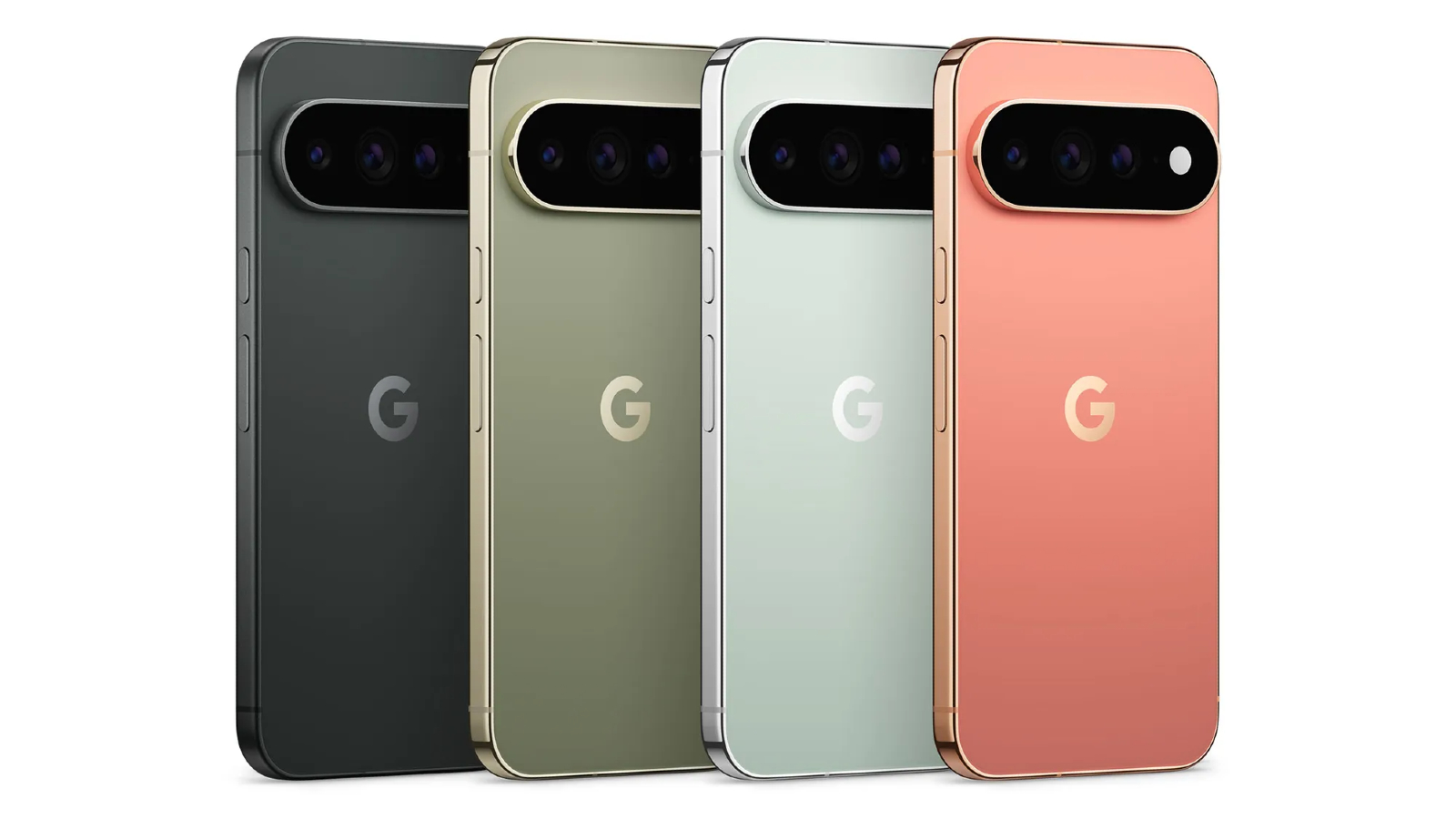
New Delhi, [Current Date]: The year 2026 marks a pivotal moment in the smartphone industry, where the pursuit of cutting-edge technology has further blurred the lines between genuine innovation and extravagant excess. With premium models like the venerable iPhone 17 already hovering near the formidable Rs 1 lakh price point in India, the latest generation of flagship devices has arrived, pushing the boundaries of what a handheld computer can achieve. From microscopic 2nm silicon architecture powering on-device AI to sophisticated multi-lens camera arrays, seamlessly folding screens, and performance rivaling desktop machines, these devices are not just phones; they are portable powerhouses designed to cater to every conceivable demand.
The consumer landscape, however, remains fractured. While a segment of users eagerly embraces every incremental leap, others question the tangible benefits that justify escalating costs. This report delves into the top flagships of 2026, offering a comprehensive analysis of their hardware, pricing strategies, and overall value proposition, based on extensive in-person reviews—with the notable exception of the highly anticipated iPhone 18 Pro, which was evaluated through comprehensive pre-release data and industry benchmarks. Whether your priority is raw processing power, an unparalleled photographic experience, or the transformative utility of a foldable display, the market offers a diverse, albeit premium, selection.
The Evolving Landscape of 2026 Flagships: Main Facts and Market Context
The smartphone market in 2026 is characterized by several overarching trends that define the premium segment. The relentless march of silicon advancement has brought 2nm process technology to the forefront, enabling unprecedented efficiency and power in mobile processors. This miniaturization is crucial for sustaining the next wave of innovation: on-device artificial intelligence. AI capabilities are no longer confined to cloud processing; they are deeply integrated into operating systems, camera systems, and user interfaces, promising more personalized and responsive user experiences.
Camera technology continues its rapid evolution, with manufacturers competing not just on megapixel counts but on sensor size, optical zoom capabilities, computational photography algorithms, and specialized low-light performance. Foldable screens, once a niche luxury, are steadily gaining traction, offering users expansive displays for productivity and entertainment in a compact form factor. Simultaneously, the demand for "desktop-class performance" in a phone reflects a growing desire for devices capable of handling intensive tasks, from advanced gaming to video editing and professional applications, often facilitated by robust thermal management systems and increased RAM.
The Indian market, in particular, presents a unique challenge and opportunity. With flagships routinely crossing the Rs 1 lakh threshold, price sensitivity remains a significant factor, even for affluent consumers. Manufacturers are therefore forced to meticulously craft their value propositions, emphasizing not just raw specifications but also ecosystem benefits, long-term software support, and resale value. The "overkill vs. necessity" debate is perhaps most acutely felt here, where aspirational pricing meets pragmatic purchasing decisions.
A Chronology of Innovation: Unpacking the 2026 Flagship Contenders
Our in-depth review process involved rigorous testing across various scenarios, from daily use and multimedia consumption to intense gaming and professional tasks, to provide a holistic view of each device’s capabilities.
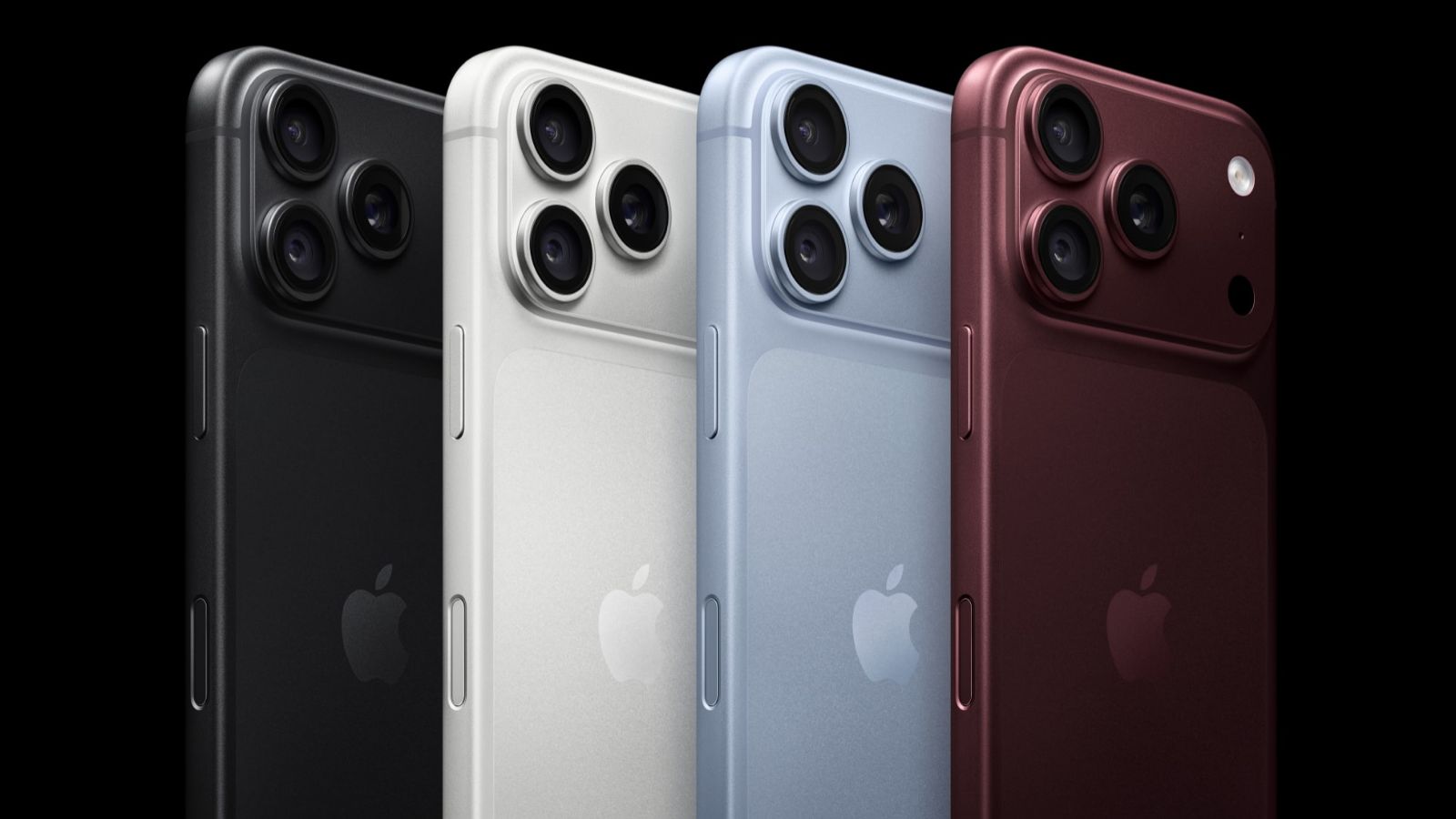
Apple iPhone 18 Pro: The Apex of Ecosystem and Sustained Performance
(Image: iPhone 18 Pro)
The Apple iPhone 18 Pro, priced starting at a premium Rs 164,900, stands as a testament to Apple’s unwavering commitment to peak hardware performance, integrated ecosystem superiority, and robust long-term value retention. This year’s Pro model is anchored by the formidable A20 Pro 2nm processor, a chip engineered for unparalleled raw power and energy efficiency, setting new industry benchmarks for mobile computing.
The device boasts a stunning 6.3-inch Super Retina XDR display with a silky-smooth 120Hz refresh rate, delivering vibrant colors, deep blacks, and exceptional brightness for an immersive visual experience. Photography enthusiasts will appreciate the sophisticated 48MP triple-camera setup, now featuring a revolutionary variable aperture system that intelligently adjusts to diverse lighting conditions, offering unprecedented control over depth of field and exposure. This, combined with Apple’s industry-leading computational photography, ensures professional-grade stills and cinematic video capture.
A significant innovation in the iPhone 18 Pro is its advanced thermal management system: an all-new deionised water vapour chamber. This cutting-edge cooling solution is designed to dissipate heat far more effectively than previous iterations, allowing the A20 Pro chip to sustain its peak performance even under prolonged heavy loads, such as intensive gaming, 8K video recording, or complex AI model processing. This focus on "sustained high-load efficiency" underscores Apple’s strategic intent to position the iPhone 18 Pro not just as a consumer device, but as a professional tool.
With 12GB of RAM, the iPhone 18 Pro ensures seamless multitasking and fluid operation across demanding applications. While its initial price point sits firmly on the higher end of the spectrum, Apple’s traditionally strong trade-in retention programs, coupled with its industry-leading multi-year OS updates, significantly cushion the long-term cost of ownership. For users deeply embedded in the Apple ecosystem, or those prioritizing sustained performance, robust software longevity, and high resale value, the iPhone 18 Pro represents a compelling, albeit substantial, investment. It’s not just a phone; it’s a long-term digital companion.
OnePlus 15: The Value Champion with Unrivaled Endurance
(Image: OnePlus 15)
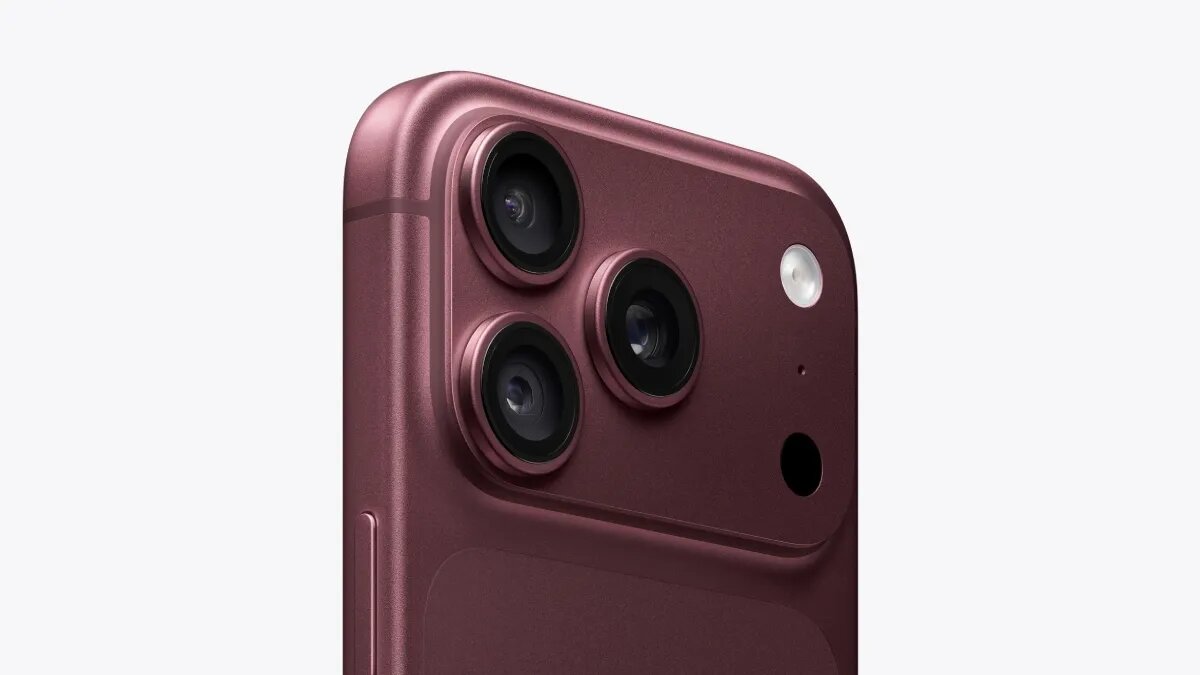
The OnePlus 15 has captured considerable attention this year, not just for its impressive specifications, but for its aggressive pricing strategy that positions it as a genuine "flagship killer" in the 2026 market. Priced at a notably more accessible Rs 85,999, the OnePlus 15 substantially undercuts many of its premium competitors while delivering a spec sheet that demands respect.
At its core lies the powerful Snapdragon 8 Elite Gen 5 chip, ensuring top-tier performance for all applications, from demanding games to intensive productivity tasks. The visual experience is equally impressive, with a fluid 165Hz AMOLED display that provides buttery-smooth scrolling and incredibly responsive touch interactions, making it a dream for gamers and multimedia consumers alike.
However, where the OnePlus 15 truly distinguishes itself is in its endurance and charging capabilities. It packs an extraordinary 7,300mAh battery, a capacity that dwarfs most rivals and promises multi-day usage for even the heaviest users. Complementing this massive battery is 120W wired fast charging, a technology that can replenish a significant portion of the battery in mere minutes, virtually eliminating battery anxiety. This combination of gargantuan battery life and lightning-fast charging is arguably its most compelling selling point, addressing a fundamental pain point for many smartphone users.
While the OnePlus 15 consciously foregoes certain secondary features, such as integrated stylus support or extreme magnification periscope zoom lenses found in ultra-premium models, its "sheer spec density" at its price point makes it an undeniably attractive, value-focused purchase. For consumers seeking a no-compromise experience in terms of core performance, display quality, and unparalleled battery longevity without breaching the psychological Rs 1 lakh barrier, the OnePlus 15 stands out as the most compelling option in its tier. It embodies the brand’s philosophy of delivering premium experiences without the ultra-premium price tag.
Google Pixel 11 Pro: The AI Maestro and Computational Imaging King
(Image: Google Pixel 11 Pro)
Google’s Pixel 11 Pro continues to champion the philosophy of intelligent software and computational excellence, positioning itself as the ultimate device for users who prioritize an intuitive, AI-driven experience and industry-leading photography. Priced at Rs 119,999, the Pixel 11 Pro offers a unique proposition that blends cutting-edge hardware with Google’s proprietary AI prowess.
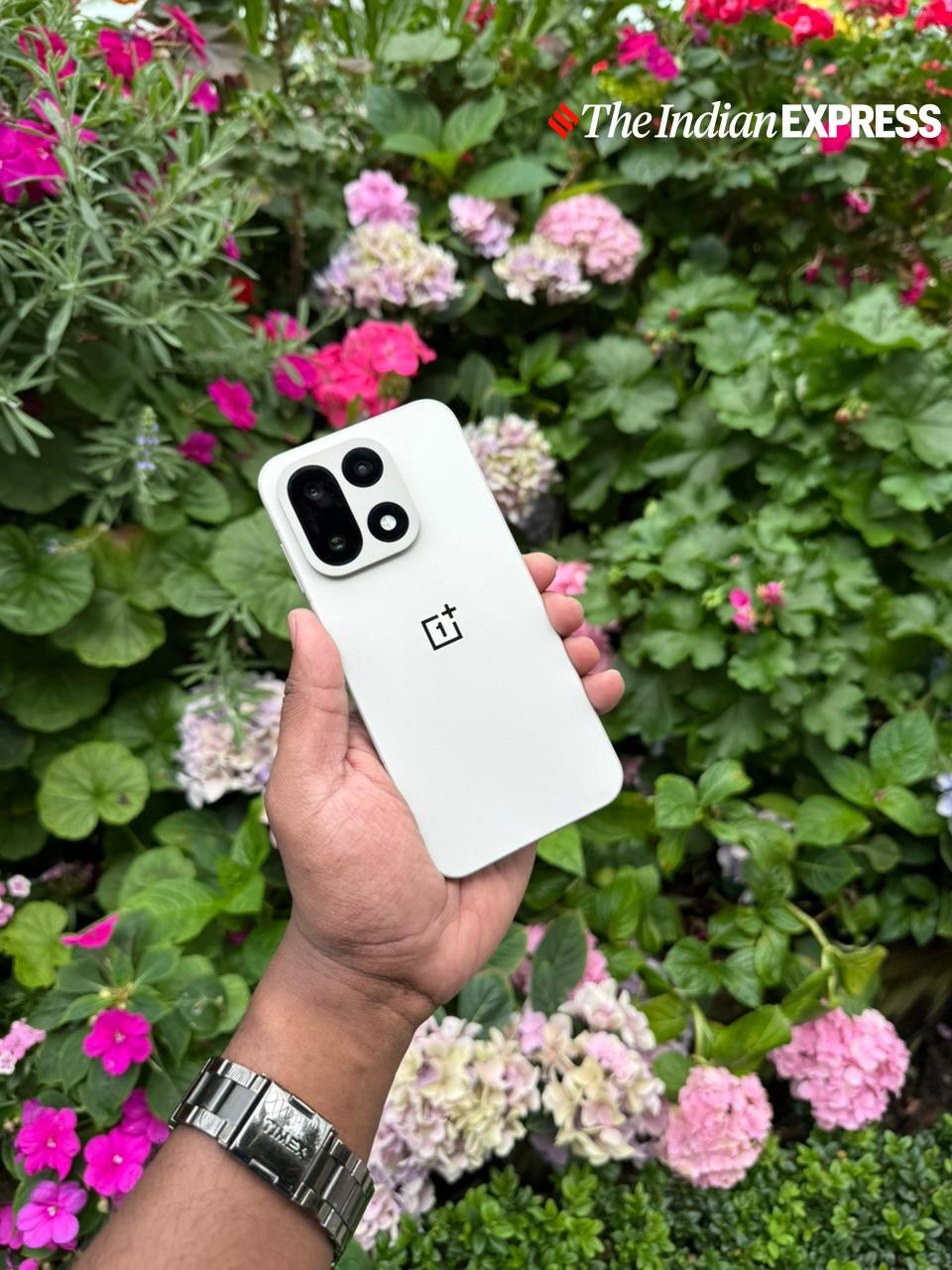
The heart of the Pixel 11 Pro is the custom-designed Tensor G6 2nm chipset. This processor is specifically optimized for advanced algorithmic processing, enabling complex Gemini AI operations to be executed locally on the device with unprecedented speed and efficiency. This means faster, more private, and more powerful AI features, from real-time language translation and advanced image editing to predictive assistance that learns from your usage patterns. The seamless integration of native Gemini AI features throughout the Android 17 operating system delivers a truly smart and proactive user experience.
Visually, the 6.3-inch Super Actua 120Hz display is a showstopper, boasting a dazzling peak brightness of 3,600 nits, ensuring exceptional visibility even in direct sunlight and breathtaking HDR content. The device’s distinct "HiLight" notification ring outlining the camera module adds a subtle yet stylish functional element.
Photography is, as always, a cornerstone of the Pixel experience. The Pixel 11 Pro features a formidable 50MP primary, 48MP ultrawide, and 48MP telephoto rear camera array. This hardware is meticulously paired with Google’s renowned computational imaging algorithms, allowing the Pixel 11 Pro to capture stunning detail, dynamic range, and color accuracy in virtually any scenario. Its ability to extract maximum quality from its sensors through software processing remains unmatched, making it the preferred choice for discerning photographers who value intelligent image optimization over raw sensor size alone.
Furthermore, Google guarantees multi-year Android upgrades, ensuring the Pixel 11 Pro remains secure and up-to-date with the latest features for years to come. For buyers who value intelligent software features, a clean Android experience, and photographic prowess over raw synthetic gaming benchmarks, the Pixel 11 Pro delivers an exceptionally compelling and uniquely Google package. It’s a device that understands and anticipates user needs, making technology feel truly effortless.
Vivo X300 Pro: The Professional Photographer’s Pocket Studio
(Image: Vivo X300 Pro)
The Vivo X300 Pro emerges as a specialized powerhouse for mobile photography enthusiasts and professionals, meticulously crafted to deliver a truly unparalleled imaging experience. Positioned alongside the Pixel 11 Pro at Rs 119,999, the X300 Pro carves its niche by focusing almost exclusively on advanced optical hardware and software refinements for photography.
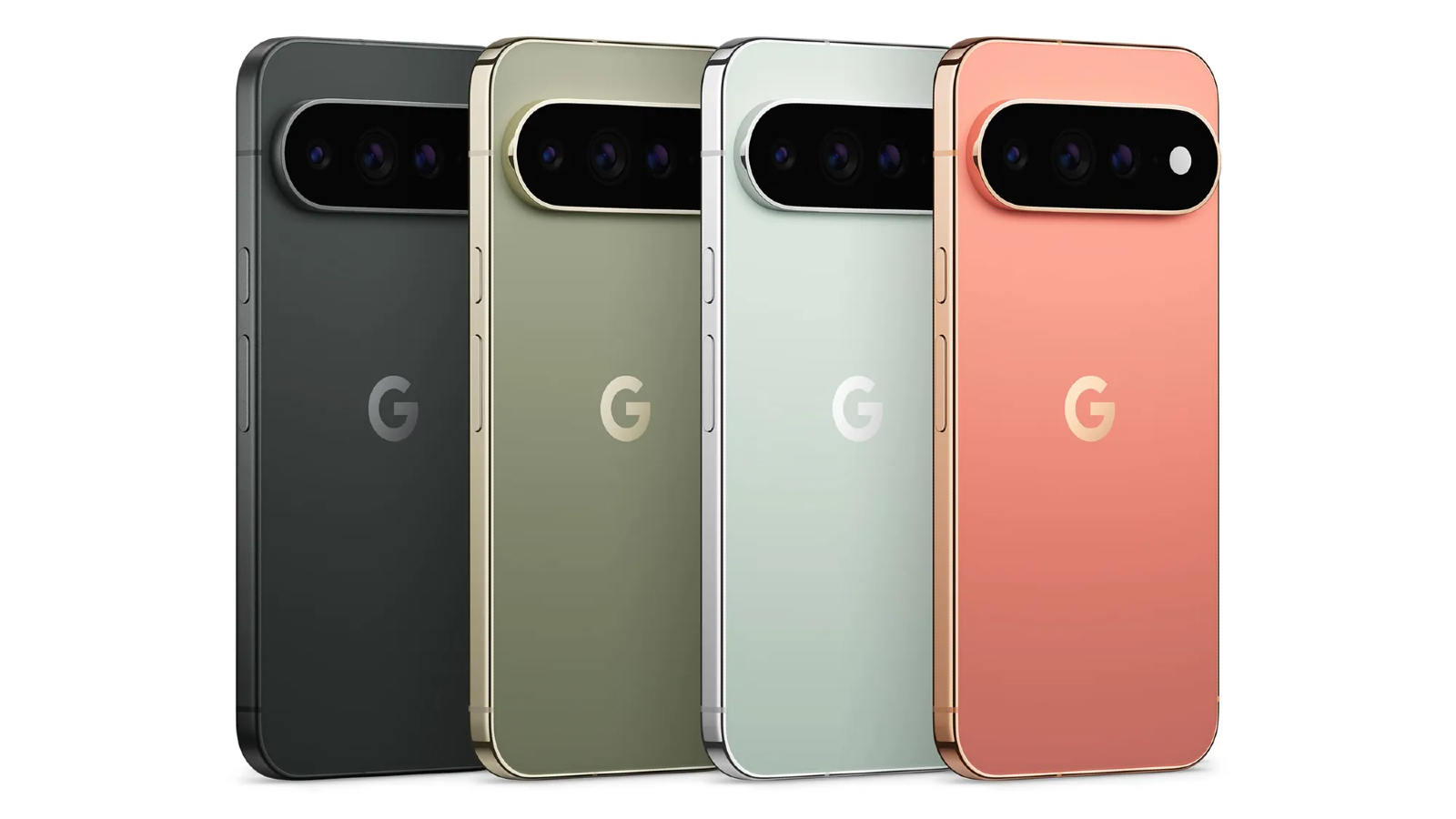
Powering this imaging beast is the MediaTek Dimensity 9500 processor, a top-tier platform known for its robust AI processing capabilities and efficient performance, which MediaTek has optimized for camera-centric applications. This chipset works in tandem with Vivo’s proprietary OriginOS 7 software, which offers a suite of dedicated camera modes and customization options designed to empower photographers.
The X300 Pro’s true strength lies in its specialized optical hardware. It leverages custom low-light camera sensors, likely featuring larger individual pixel sizes and advanced light-gathering capabilities, coupled with custom optical glass elements. This hardware foundation allows the X300 Pro to excel in challenging lighting conditions, capturing incredible detail and color accuracy where other phones struggle. Whether it’s intricate nightscapes, vibrant portraits, or detailed macro shots, the X300 Pro is engineered to perform. The 120Hz LTPO AMOLED panel ensures that captured images are displayed with stunning fidelity, while also offering adaptive refresh rates for power efficiency.
For users for whom capturing stellar photos and videos ranks as the absolute main priority, the Vivo X300 Pro easily justifies its asking price, even against costlier rivals. Its strategic combination of powerful MediaTek silicon, custom optics, and a refined camera-centric software experience creates a mobile photography studio that fits in your pocket. It’s a device for those who demand their smartphone camera be a serious creative tool, not just an afterthought.
Motorola Razr Fold: Accessible Innovation in Foldable Form
(Image: Motorola Razr Fold)
Motorola’s new Razr Fold marks a significant step forward in making foldable technology more accessible, offering flexible multi-screen utility wrapped in a surprisingly approachable price point of Rs 149,999. This device challenges the notion that foldables must command exorbitant prices, presenting an ideal entry route for users curious about the form factor without breaching the Rs 2 lakh threshold typically associated with book-style foldables.
Driven by the capable Snapdragon 8 Gen 5 processor, the Razr Fold delivers smooth performance for everyday tasks and most demanding applications. However, its true innovation lies in its mechanical design and display technology. Motorola has engineered a titanium fluid hinge that contributes to a virtually crease-free internal panel, a significant achievement that enhances the user experience by reducing the visual distraction common in earlier foldable generations. This commitment to hinge technology ensures a premium feel and improved durability.
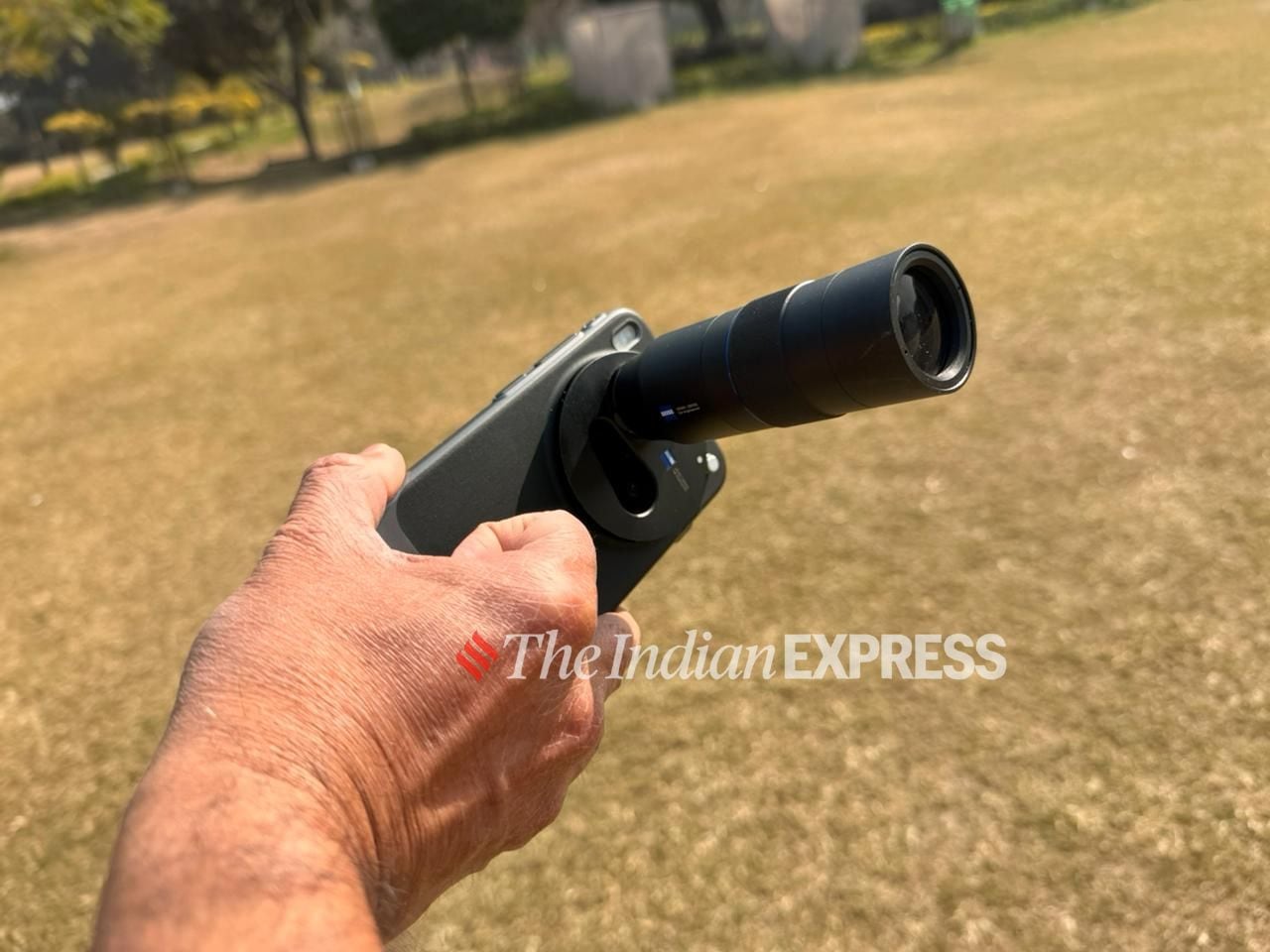
Adding to its versatility is a fully interactive cover display, which goes beyond mere notifications to offer a wide range of functionalities without needing to open the main screen. Users can reply to messages, control media, access quick settings, and even take selfies with the main camera directly from the external display, enhancing convenience and efficiency. The dual-camera setup, while not as elaborate as some ultra-flagships, is optimized for everyday photography and social sharing, offering reliable performance.
The Motorola Razr Fold presents a compelling case for those who desire genuine folding-screen productivity and the maximal screen real estate on a phone, but are mindful of cost. It democratizes the foldable experience, proving that innovative form factors can be delivered without compromising on core utility or breaking the bank. For users seeking a device that stands out and offers a unique blend of style and function, the Razr Fold is a prime candidate.
Samsung Galaxy S26 Ultra: The All-Encompassing Power User’s Dream
(Image: Samsung Galaxy S26 Ultra)
The Samsung Galaxy S26 Ultra, priced at Rs 159,999, remains one of the most sought-after flagships of 2026, solidifying its reputation as the "everything phone" for power users and mobile professionals. It backs its substantial outlay with an unparalleled suite of features, including a highly versatile camera system, integrated S Pen functionality, and elite display technology.
At its heart is a custom-tuned Snapdragon 8 Elite Gen 5 for Galaxy chipset, ensuring optimized performance and efficiency specifically tailored for Samsung’s extensive feature set. The visual centerpiece is the expansive 6.9-inch Dynamic AMOLED 2X panel, which offers breathtaking clarity, color accuracy, and brightness. A significant innovation this year is the inclusion of anti-reflective Gorilla Glass Armour, which dramatically reduces glare and enhances durability, making the screen exceptionally readable in bright environments and resistant to scratches.
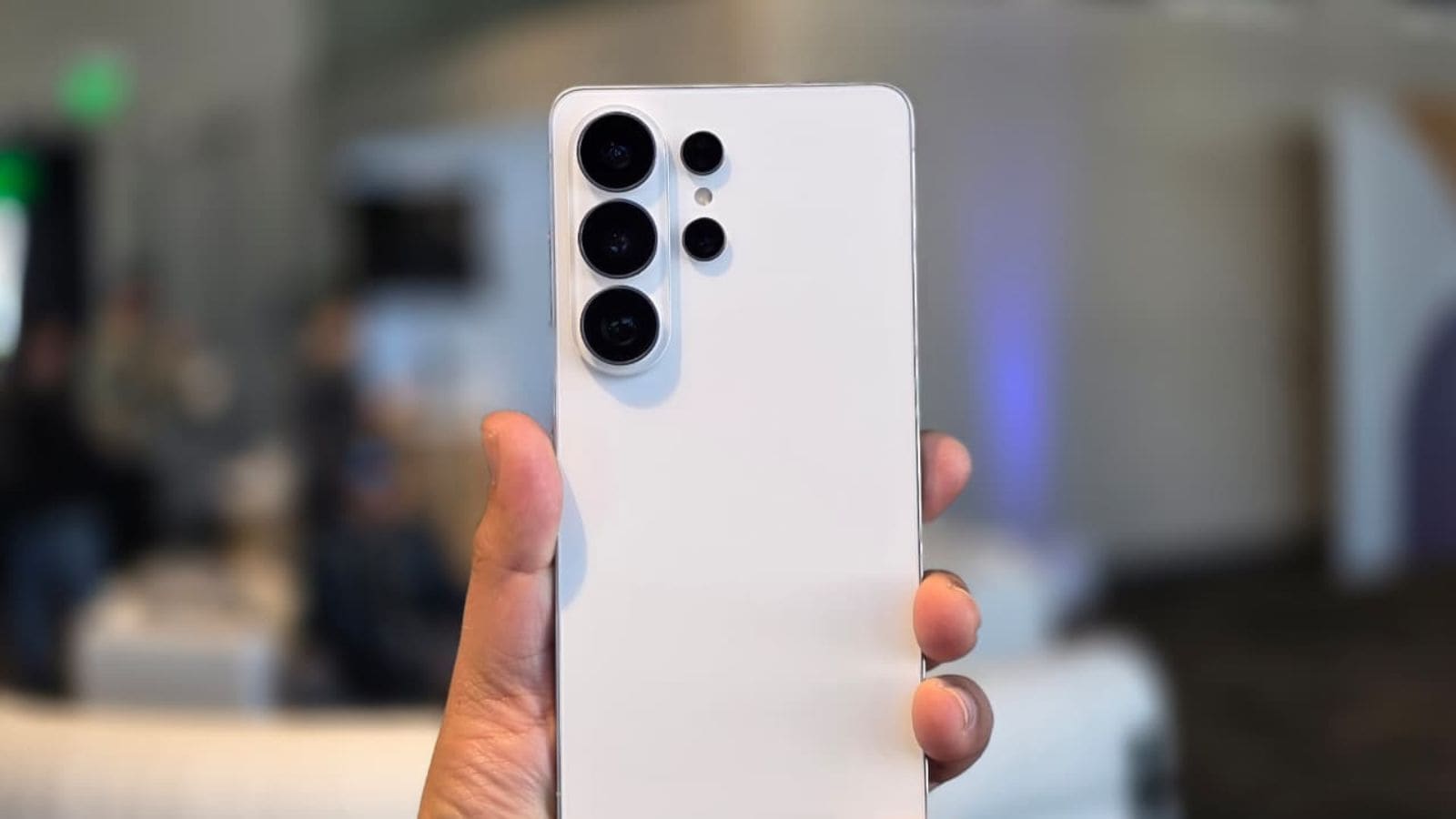
Photography is a major highlight, with a truly versatile 200MP primary sensor leading a multi-camera array. This allows for incredible detail capture, extensive cropping flexibility, and advanced computational photography capabilities. Coupled with robust telephoto and ultrawide lenses, the S26 Ultra is equipped to handle virtually any photographic scenario with professional results. Fast charging capabilities are enhanced with 60W wired charging, ensuring quick power-ups for the 5,000mAh battery.
For the mobile professional, the integrated S Pen offers precision input for note-taking, sketching, and navigating the interface, transforming the phone into a highly capable productivity tool. Furthermore, the newly added Privacy Display feature provides an extra layer of security, allowing users to obscure sensitive content from prying eyes in public spaces, offering peace of mind when working with confidential information.
While undoubtedly expensive, the Galaxy S26 Ultra’s comprehensive hardware suite, coupled with its unique features like the S Pen and Privacy Display, remains unmatched for power users and mobile professionals who demand the absolute best in every category. It represents the pinnacle of traditional smartphone design, offering an exhaustive feature set for those unwilling to compromise.
Samsung Galaxy Z Fold 8 Ultra: The Pinnacle of Foldable Multitasking
(Image: Samsung Galaxy Z Fold 8 Ultra)
Commanding the highest price tag on this list at Rs 199,999, the Samsung Galaxy Z Fold 8 Ultra stands as the epitome of ultra-premium foldable technology. It is designed for early tech adopters and power users seeking the absolute pinnacle of tablet-and-smartphone multitasking in an exceptionally refined form factor.
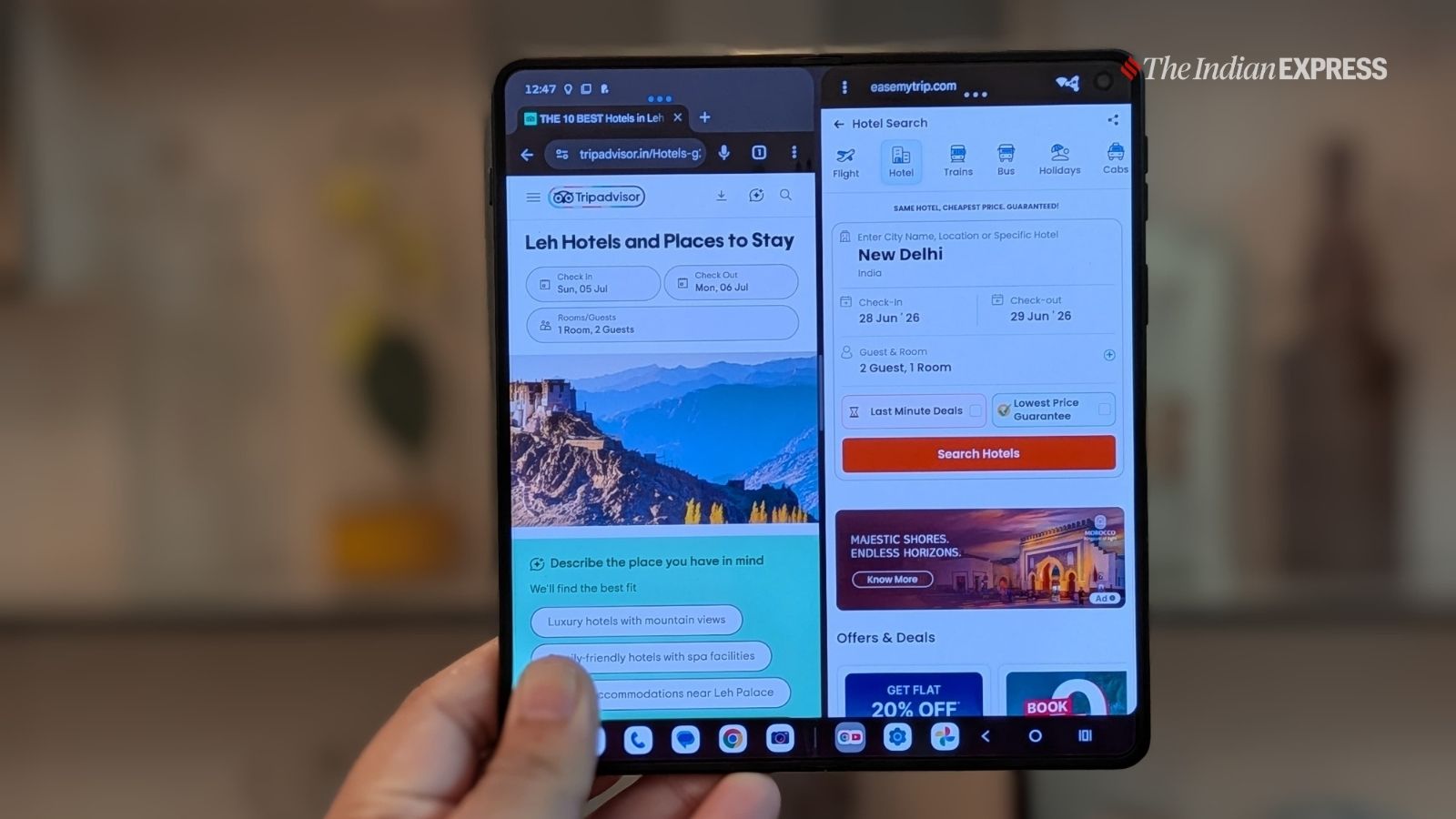
The Z Fold 8 Ultra distinguishes itself with an ultra-slim folding glass construction, a significant engineering feat that cuts away excess bulk to achieve an exceptionally thin chassis. This reduction in thickness makes the device far more comfortable to hold and pocket, addressing a common criticism of earlier foldable generations. When unfurled, it reveals an immersive 8-inch main inner display canvas, offering an expansive workspace ideal for productivity, multimedia consumption, and advanced gaming. The outer display also provides a full smartphone experience when folded, ensuring seamless transitions between form factors.
Powered by the latest Snapdragon 8 Elite processor, the Z Fold 8 Ultra delivers uncompromising performance across all applications. Its optimized software experience, leveraging Samsung’s One UI for foldables, allows for intuitive multi-window multitasking, drag-and-drop functionality, and a desktop-like experience when connected to external displays via Samsung DeX. The advanced hinge mechanism and durable ultra-thin glass contribute to its premium feel and longevity.
Positioned strictly as an ultra-premium device, the Z Fold 8 Ultra is not for everyone. It is aimed at a discerning clientele who prioritize the transformative potential of a large, foldable display for enhanced productivity and immersive entertainment. For those who can justify the significant investment, the Galaxy Z Fold 8 Ultra offers an unparalleled mobile experience, blurring the lines between a phone and a tablet in the most elegant and powerful way imaginable. It represents Samsung’s vision for the future of mobile computing, delivered today.
Implications and The Future of Flagships
The 2026 flagship market vividly illustrates the intense competition and relentless innovation within the smartphone industry. Manufacturers are clearly investing heavily in differentiated features, from custom silicon and advanced AI to groundbreaking display technologies and sophisticated camera systems. However, the escalating price points raise critical questions about market saturation and the long-term sustainability of these premium strategies.
Official Responses and Industry Perspectives:
Industry analysts suggest that the "overkill vs. necessity" debate is precisely what drives innovation. Companies like Apple and Samsung, with their established ecosystems, can command higher prices due to brand loyalty and perceived long-term value. Google, on the other hand, leverages its AI expertise to carve out a distinct identity, while brands like OnePlus and Vivo focus on delivering exceptional value or specialized features (like cameras) to capture specific segments. Motorola’s play in the foldable space indicates a strategic move to democratize innovative form factors. The underlying message from manufacturers is clear: these high prices are justified by the sheer complexity and advanced capabilities packed into devices that are increasingly becoming our primary computing hubs.
Implications for Consumers:
For consumers, the wealth of options means that careful consideration of individual needs and budget is paramount. The era of a "one-size-fits-all" flagship is long past. Users must weigh whether the allure of a 2nm chip, a variable aperture camera, or a crease-free foldable screen genuinely enhances their daily life enough to warrant the substantial financial outlay. The strong emphasis on long-term software support and resale value from some brands also highlights a shift towards viewing smartphones as multi-year investments rather than disposable gadgets.
Future Outlook:
Looking ahead, the trajectory suggests continued advancements in AI, potentially leading to more proactive and context-aware devices. Further refinements in foldable technology, improved battery chemistry, and perhaps even modular designs could redefine the form factor once again. The challenge for manufacturers will be to articulate the tangible benefits of these innovations and to convince consumers that these increasingly expensive devices are not just overkill, but essential tools for navigating an ever-more connected and digital world. The 2026 flagships serve as a powerful harbinger of a future where our phones are not just communicators, but deeply integrated, intelligent extensions of ourselves.
Written by Amritanshu Mukherjee.
