

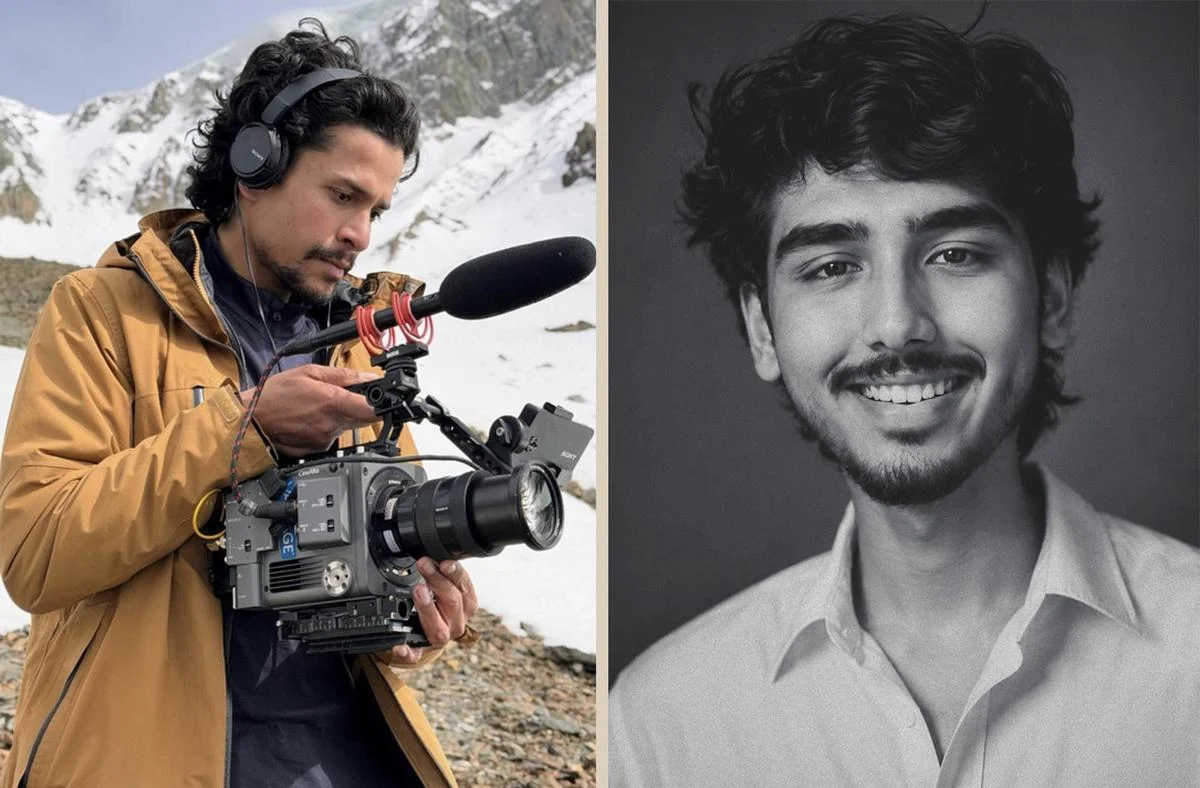
Debut director Shourya Sreekere’s gripping documentary, "Reo: The Dangerous Peak," chronicles the perilous ascent of Telangana mountaineer Yashwanth Naik to the formidable Reo Purgyil, a journey fraught with unforeseen challenges and profound human resilience. The 28-minute film, lauded for its raw portrayal of courage and vulnerability, has secured prestigious selections at the Dadasaheb Phalke International Film Festival (DPIFF) 2026 and the International Documentary and Short Film Festival of Kerala (IDSFFK) 2026.
A Summit of Peril: The Core Narrative
"Reo: The Dangerous Peak" plunges viewers into the heart of an extreme mountaineering expedition, focusing on Yashwanth Naik’s ambitious attempt to conquer Reo Purgyil, the sixth highest peak in Himachal Pradesh, standing at a daunting 6,816 meters. This Himalayan giant is notorious for its treacherous terrain, unpredictable weather patterns, and the constant threat of avalanches, making it one of the most challenging and dangerous ascents in the region. The documentary masterfully captures the raw, unvarnished reality of such an endeavor, highlighting not just the physical prowess required, but the immense psychological fortitude that underpins every step taken above the clouds.
The film’s narrative takes a critical turn when Naik and his team of guides – Rency Thomas, Yogi Raj, and Raina – find themselves stranded for an agonizing six days due to a sudden and severe inclement weather system. This unexpected pause in their ascent transforms the expedition from a physical challenge into a profound test of endurance, patience, and mental fortitude. The documentary doesn’t shy away from depicting the moments of fear, doubt, and introspection that inevitably surface when faced with such extreme circumstances, offering a rare glimpse into the inner world of an athlete pushing their limits.
Chronicle of an Unforeseen Ordeal: From Ascent to Stalemate

The journey to Reo Purgyil, a peak with a storied and perilous past, began with high hopes and meticulous planning. Yashwanth Naik, already a seasoned mountaineer with notable ascents to his name, including Mount Kilimanjaro and Mount Elbrus, approached this expedition with a blend of experience and a healthy respect for the mountain’s formidable reputation. The Kinnaur-Tibet region, where Reo Purgyil is situated, is known for its remoteness and unforgiving environment, factors that added to the inherent risks of the climb.
The film meticulously documents the initial stages of the ascent, showcasing the breathtaking but stark beauty of the Himalayan landscape and the dedication of the climbing team. However, as is often the case with high-altitude expeditions, nature’s unpredictability soon asserted itself. A sudden and violent shift in weather patterns brought the ascent to an abrupt halt. The documentary vividly portrays the stark reality of being stranded: confined to a limited space, with dwindling resources and the ever-present threat of the elements.
During these six days of forced inactivity, the film captures a series of poignant and candid conversations between Yashwanth and his guides. These exchanges, far from being staged or dramatized, are presented as authentic reflections of the immense pressure and emotional turmoil the team was experiencing. The dialogue reveals the subtle but significant shifts in morale, the shared anxieties, and the unwavering determination to persevere. It is within these moments of vulnerability and shared struggle that the documentary truly shines, humanizing the epic scale of the mountaineering endeavor. The uncertainty of when, or if, the weather would clear cast a long shadow over their progress, forcing the team to confront the very real possibility of failure.
Supporting Data and Artistic Vision: Crafting the Narrative
"Reo: The Dangerous Peak" is not merely a recording of an event; it is a carefully crafted narrative that aims to illuminate the multifaceted nature of mountaineering. Director Shourya Sreekere, a 20-year-old mass communication and journalism student from St. Joseph’s Degree College, Hyderabad, imbues the film with a youthful yet profound perspective. His fascination with mountains and their inherent narratives served as the initial spark for this project. Upon hearing about Yashwanth Naik’s expedition, Sreekere recognized the potential for a compelling story that transcended a simple triumph over a physical obstacle. He aimed to capture the essence of determination, the specter of fear, the sacrifices made, and the unwavering resilience that defines the spirit of a mountaineer.

The choice of Reo Purgyil as the subject was deliberate. Sreekere notes that very few individuals have successfully scaled the peak since its first recorded ascent in 1971 by an Indo-Tibetan Border Police team, underscoring its extreme difficulty and allure for experienced climbers. The documentary leverages this historical context to amplify the significance of Naik’s attempt.
The visual language of the film is a critical component of its success. While Sreekere, due to health reasons, could not personally accompany the expedition to its highest reaches, he secured the expertise of cinematographer Akshat Jain. Jain, a specialist in mountaineering documentaries, faced the immense challenge of capturing the raw beauty and harsh realities of the expedition while simultaneously managing camera equipment, drones, and batteries in extreme conditions. The resulting cinematography is a testament to his skill, providing breathtaking vistas of the Himalayas and intimate portrayals of the climbers’ experiences. Sreekere drew inspiration from acclaimed mountaineering films such as "Poorna," "Meru," and "14 Peaks," aiming to emulate their ability to convey both the grandeur of the mountains and the intimacy of human struggle.
The film’s soundtrack, composed by Sudha Srinivas P., plays a crucial role in enhancing the emotional arc of the narrative, seamlessly blending moments of tension and reflection with soaring melodic passages that mirror the vastness of the landscape. The editing, handled by Chandan Sai Madineni, is sharp and dynamic, maintaining a gripping pace even during the more contemplative segments.
Critical Acclaim and Festival Recognition: A Testament to Impact
The selection of "Reo: The Dangerous Peak" for the official competition section of the Dadasaheb Phalke International Film Festival (DPIFF) 2026 and its inclusion in the non-competitive section of the International Documentary and Short Film Festival of Kerala (IDSFFK) 2026 are significant achievements for a debut director and a short documentary. These prestigious festival selections not only validate the artistic merit of the film but also highlight its resonance with audiences and industry professionals alike.

The DPIFF is one of India’s most esteemed film festivals, celebrating cinematic excellence across various genres. Its inclusion of "Reo" in the competition signifies the film’s potential to stand alongside larger productions and make a significant impact. Similarly, the IDSFFK, a platform dedicated to showcasing the best in documentary and short filmmaking from around the globe, provides an international stage for Sreekere’s work, exposing it to a diverse and appreciative audience.
The film’s first public screening in Tirupati earlier this year garnered positive feedback from a discerning audience comprising filmmakers, mountaineering enthusiasts, and patrons of independent cinema. This early reception indicates a strong connection with viewers who appreciate authentic storytelling and compelling human narratives. The documentary’s ability to captivate an audience with a 28-minute runtime speaks volumes about its concise yet powerful storytelling.
Implications and Broader Themes: Beyond the Summit
"Reo: The Dangerous Peak" transcends the immediate narrative of a mountaineering expedition. It serves as a powerful allegory for the human spirit’s capacity for resilience and perseverance in the face of adversity. The film’s central message is one of hope and encouragement, urging viewers to pursue their dreams relentlessly, even when confronted with seemingly insurmountable obstacles or circumstances beyond their control.
The documentary subtly emphasizes the importance of teamwork and mutual support in high-pressure situations. The camaraderie and shared vulnerability between Yashwanth Naik and his guides underscore the idea that collective strength can overcome individual limitations. The film also implicitly highlights the often-unseen sacrifices made by individuals and their support systems in the pursuit of extraordinary goals.

Furthermore, "Reo" contributes to a broader cinematic landscape that seeks to capture the raw and often untold stories of human endeavor. In an era saturated with entertainment, documentaries that delve into the depths of human experience, particularly those that explore the extreme edges of physical and psychological endurance, offer a vital counterpoint. The film challenges viewers to reflect on their own challenges and the resources they possess to overcome them.
For aspiring filmmakers, particularly young talents like Shourya Sreekere, the success of "Reo: The Dangerous Peak" serves as an inspiration. Sreekere’s journey from aspiring actor to director, fueled by self-learning and a passion for storytelling, demonstrates that dedication and vision can pave the way for significant achievements. His aspiration to direct a feature film in the future is a testament to his ambition and the creative momentum generated by this impactful debut. The film’s production, driven by a young crew in their 20s, including editor Chandan Sai Madineni and composer Sudha Srinivas P., signals a promising new generation of Indian filmmakers poised to tell compelling stories on a global stage.
