


Nagoya, Japan – September 20, 2026 – The vibrant atmosphere of the Asian Games in Nagoya, a stage for athletic dreams and national pride, turned bittersweet for Indian Mixed Martial Arts (MMA) fighter Varun Sanyal today. Heralded as a promising contender in the men’s traditional 77kg category, Sanyal’s aspirations were abruptly cut short when he was declared medically unfit to compete, failing to make weight for his quarter-final bout. The devastating news means his Asian Games journey concludes even before he had the chance to step into the octagon, casting a spotlight on the intense demands and inherent risks associated with weight cutting in combat sports.
The official declaration cited severe dehydration and muscle cramps, a direct consequence of the arduous weight reduction process, as the reasons for his withdrawal. This incident, while unfortunate, serves as a stark reminder of the delicate balance athletes must maintain between peak physical conditioning and safeguarding their health, especially in disciplines where strict weight classes dictate participation.
Main Facts: A Dream Derailed
Varun Sanyal, one of India’s two representatives in the burgeoning sport of MMA at these Games, was set to compete in the men’s traditional 77kg quarter-final. However, his journey ended at the weigh-in scales. A source close to the Indian contingent, speaking to The Indian Express, confirmed the medical disqualification: "Varun couldn’t make weight as he was declared unfit by the doctor. The medical reports suggest that he had muscle cramps and was dehydrated also while cutting the weight."
The medical document, obtained and translated from Japanese, paints a clearer picture of the harrowing experience Sanyal endured. It explicitly states, "While undergoing weight loss, including food and fluid restriction, experienced dizziness, lightheadedness, and muscle cramps 30 minutes after taking a sauna." These symptoms are classic indicators of extreme dehydration and electrolyte imbalance, conditions that can pose serious health risks if not addressed promptly.
Sanyal’s early exit casts a shadow over the Indian MMA contingent, even as his teammate, Suchika Tariyal, brought a ray of hope by winning her quarterfinal bout in the women’s traditional 60kg category, thereby securing India’s first-ever MMA medal at the Asian Games. The contrasting fortunes underscore the unpredictable nature of elite sports and the individual battles athletes fight both inside and outside the arena.
Chronology of Events: The Unfolding Crisis
Varun Sanyal’s path to the Asian Games was one of relentless training, strategic diet, and immense personal sacrifice. As a relatively late addition to the Indian squad, his inclusion was a testament to his burgeoning talent and the faith placed in him by the national federation. Upon arrival in Nagoya, like all combat sports athletes, Sanyal began the final, critical phase of his weight cut – a highly controlled process designed to shed several kilograms of water weight to meet his designated fight category.
Days Leading Up to the Weigh-in: Sanyal would have followed a strict regimen involving calorie restriction, manipulation of water intake, and often, intense sessions in saunas or hot baths to induce sweating. This period is notorious for its physical and mental toll, testing an athlete’s discipline and endurance to their absolute limits. Coaches and support staff typically monitor athletes closely during this phase, but the individual physiological response can vary greatly.
The Morning of the Weigh-in: The crucial hours leading up to the official weigh-in are often the most precarious. Athletes push their bodies to shed the last few grams, often feeling profoundly weakened and depleted. For Sanyal, this period proved to be critical. Approximately 30 minutes after exiting a sauna session, a common practice for rapid fluid loss, he began experiencing the debilitating symptoms of dizziness, lightheadedness, and severe muscle cramps.
Medical Intervention: Recognizing the severity of his condition, Sanyal’s team, or perhaps event officials, immediately sought medical attention. The on-site medical staff, following established protocols for athlete safety, conducted an assessment. Their findings, detailed in the medical report, confirmed his state of severe dehydration and muscle distress. Given the potential health risks associated with competing in such a compromised state, and the inability to safely reach the target weight, the medical team made the difficult but necessary decision to declare him medically unfit. This decision effectively ended his Asian Games campaign, preventing him from competing in his scheduled quarter-final bout.
The timing of this incident, just hours before he was due to compete, amplified the sense of disappointment for Sanyal and the entire Indian contingent. His early departure, however, served as a stark, immediate lesson in the inherent dangers of aggressive weight cutting.
Supporting Data: The Science and Risks of Weight Cutting
Weight cutting is an entrenched practice in combat sports, from boxing and wrestling to judo and MMA. The rationale is simple: to compete in a lower weight class, theoretically gaining a strength or size advantage over opponents who might be naturally lighter. However, the methods employed, particularly rapid weight loss through dehydration, are fraught with significant health risks.
Physiological Impact:
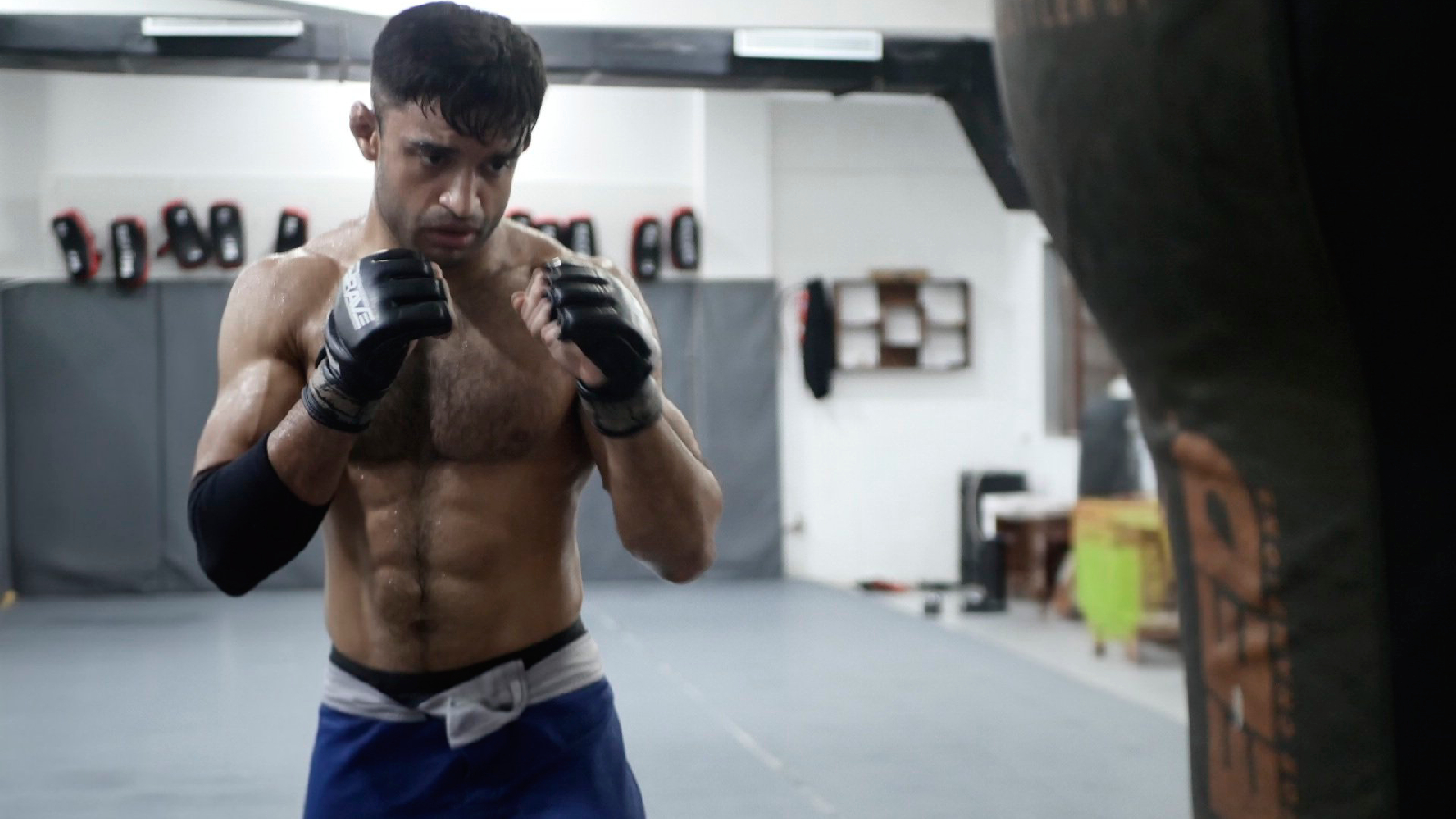
- Dehydration: The primary tool for rapid weight loss. Even a 2-3% loss of body weight through dehydration can impair athletic performance significantly, affecting strength, endurance, reaction time, and cognitive function. Severe dehydration (5% or more) can lead to dizziness, headaches, nausea, muscle cramps (as experienced by Sanyal), heat stroke, and kidney failure.
- Electrolyte Imbalance: Alongside water, essential electrolytes like sodium, potassium, and magnesium are lost. This can disrupt nerve and muscle function, leading to cramps, cardiac arrhythmias, and even seizures.
- Cardiovascular Strain: Dehydration reduces blood volume, forcing the heart to work harder to circulate blood, increasing the risk of cardiovascular events.
- Neurological Effects: The brain is particularly sensitive to dehydration. Symptoms like lightheadedness, impaired concentration, and mood disturbances are common. In extreme cases, cerebral edema can occur upon rapid rehydration, leading to potentially fatal brain swelling.
- Kidney Damage: Prolonged or repeated severe dehydration can put immense strain on the kidneys, potentially leading to acute kidney injury or chronic kidney disease over an athlete’s career.
Expert Opinion: Dr. Anya Sharma, a leading sports physician specializing in combat sports, explains the dangers: "Athletes often push their bodies to extreme limits to make weight, driven by the competitive edge it offers. However, rapid weight cutting, especially through dehydration, is inherently dangerous. It compromises physiological function, increases injury risk, and can have serious long-term health consequences. Medical supervision is crucial, but even with the best protocols, individual responses vary, and sometimes the body simply gives out."
The incident with Varun Sanyal highlights a recurring issue in combat sports globally. Numerous athletes across disciplines have faced similar predicaments, from missing weight due to medical reasons to suffering severe health complications that have sometimes proven fatal. Organizations like the Association of Ringside Physicians have consistently advocated for stricter weight cutting guidelines and educational programs to prioritize athlete safety over competitive advantage.
Official Responses and Athlete Welfare Initiatives
The immediate response from the Asian Games medical staff and the Indian contingent was to prioritize Sanyal’s health. While no official statement from the Indian Olympic Association (IOA) or the MMA Federation of India (MMAFI) has been released at the time of reporting regarding this specific incident, such occurrences typically prompt internal reviews and renewed emphasis on athlete welfare.
Existing Protocols: Most major sporting events and federations have protocols in place to monitor weight cutting. These often include:
- Hydration Checks: Urine specific gravity tests to assess hydration levels before weigh-ins.
- Pre-Competition Medicals: Comprehensive medical examinations to identify underlying health issues that might be exacerbated by weight cutting.
- Doctor’s Discretion: The ultimate authority of medical personnel to declare an athlete unfit if their health is deemed at risk. This was clearly exercised in Sanyal’s case.
Potential Future Implications: Sanyal’s case is likely to spark further discussions within the Indian sports administration and the MMA community about refining weight management strategies. This could include:
- Education Programs: Enhanced education for athletes, coaches, and support staff on safe weight cutting practices, nutrition, and the dangers of extreme dehydration.
- Monitoring Technologies: Utilizing advanced biometric monitoring tools to track an athlete’s physiological state during the weight cut process more closely.
- Revised Weigh-in Schedules: Exploring options like early weigh-ins or multiple weigh-ins to allow athletes more time to rehydrate and recover before competition, reducing the need for drastic, last-minute cuts.
- Weight Class Restructuring: Debates around adjusting weight categories or implementing hydration testing at random intervals to discourage extreme cutting.
The incident underscores the growing responsibility of sporting bodies to protect their athletes from self-inflicted harm driven by competitive pressure. It’s a delicate balance between allowing athletes to pursue excellence and ensuring their long-term health and safety.
Implications: A Setback and a Call for Reflection
For Varun Sanyal, the implications are immediate and profound. Missing out on the Asian Games, a pinnacle event for many athletes, is a significant personal and professional setback. The emotional toll of preparing for years only to be sidelined at the eleventh hour cannot be overstated. His recovery will not just be physical, but also mental, as he grapples with the disappointment and redirects his focus towards future competitions. This experience will undoubtedly force him and his team to re-evaluate his weight management strategy moving forward.
Beyond Sanyal, the incident carries broader implications for Indian MMA. While the sport is gaining traction and professional recognition, such high-profile setbacks can influence public perception. It reinforces the need for robust support systems, scientific guidance, and a culture that prioritizes athlete well-being above all else.
However, the narrative is not entirely somber for Indian MMA. The contrasting success of Suchika Tariyal, who secured a historic medal for India in the women’s traditional 60kg category, provides a glimmer of hope and demonstrates the immense potential within the sport. Tariyal’s achievement highlights that with proper preparation, meticulous weight management, and unwavering determination, Indian MMA fighters can indeed reach the podium on the international stage. Her victory serves as an inspiration and a testament to the progress being made.
The Asian Games is a melting pot of cultures and athletic endeavors, showcasing the very best of human spirit and physical prowess. While Varun Sanyal’s premature exit is a somber note, it is also a powerful reminder of the human element at the core of elite sports – the relentless pursuit of victory, the immense sacrifices, and the ever-present need to protect the athletes who dedicate their lives to their craft. This incident will undoubtedly fuel further conversations about how to ensure the safety and longevity of combat sports athletes, making it a pivotal moment in the ongoing evolution of sports medicine and athlete welfare.
More to come as the Asian Games continue and further details emerge regarding athlete welfare discussions within the Indian contingent.
Pritish Raj works with the sports team at The Indian Express and is based out of New Delhi. He covers a wide range of sports, bringing insightful analysis and timely updates from major national and international events.
