

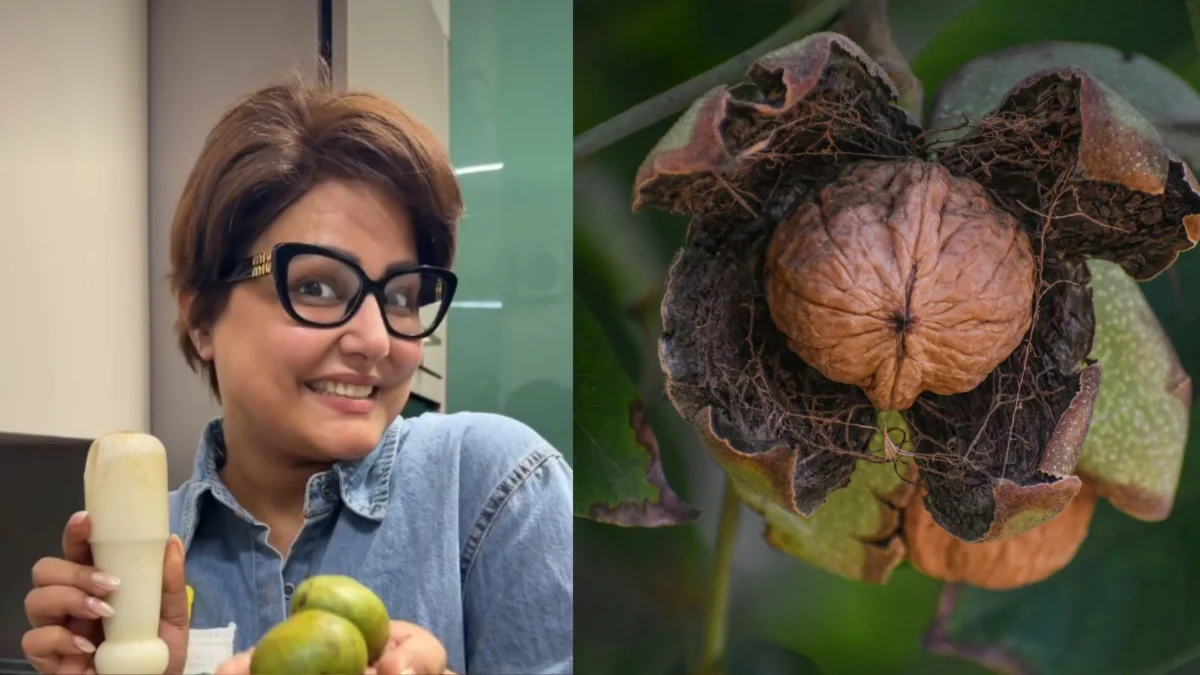
New Delhi – September 20, 2026 – Television and film personality Hina Khan recently offered her followers a heartwarming glimpse into her Kashmiri heritage, sharing a cherished childhood memory of peeling fresh green walnuts. This nostalgic anecdote, shared on social media, not only resonated with her audience but also prompted a deeper dive into the nutritional nuances of this popular dry fruit, distinguishing between the "fresh green" and the commonly available "mature" varieties.
Khan, known for frequently showcasing the vibrant tapestry of Kashmiri culture through her posts – from its culinary delights and traditional customs to its distinctive fashion – evoked a sense of longing and connection with her roots. Her recent Instagram post, accompanied by a video, captured the simple yet profound joy of cracking open the emerald-hued outer shell of a walnut to reveal the tender kernel within. The caption, "All things Kashmiri childhood memories," served as a poignant reminder of the sensory experiences that shape our early lives and forge lasting bonds with our heritage.
This personal reflection, while seemingly a simple act of reminiscing, has inadvertently illuminated a common point of curiosity for many: the difference between the walnuts we encounter at different stages of their harvest and preparation, and which offers superior health benefits. To address this, we delve into the expertise of nutritionists and agricultural insights to provide a comprehensive understanding.
The Unfolding of a Walnut: From Green to Mature
The distinction between fresh green walnuts and the mature, brown ones typically found on supermarket shelves lies primarily in their stage of development and processing. Anshul Singh, team lead for the Clinical Nutrition and Dietetics Department at Artemis Hospital, Gurugram, elaborates on this crucial difference.
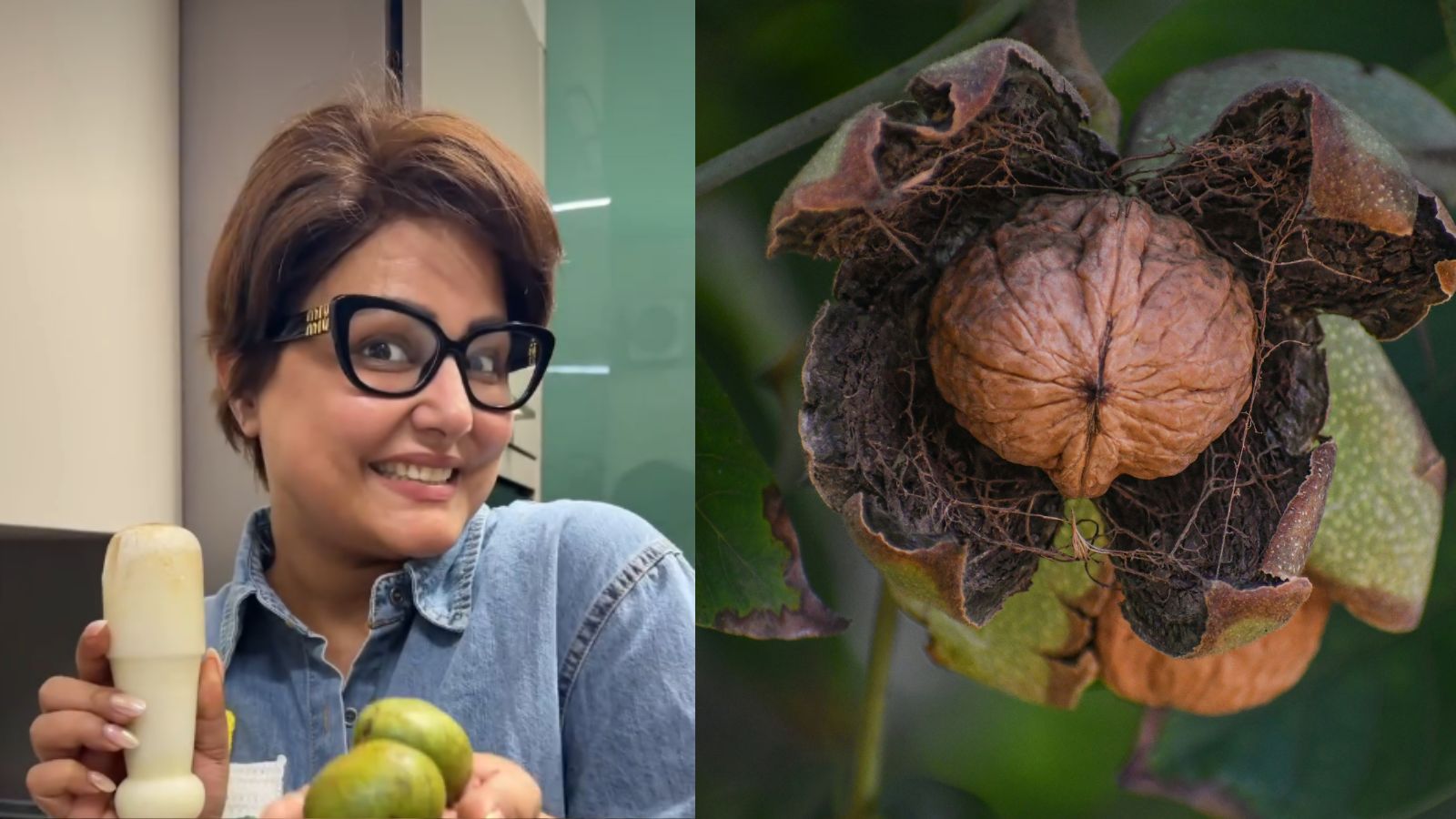
"Fresh green walnuts are harvested when their outer, fleshy husk is still vibrant and green, and the inner shell, which encloses the kernel, is still soft and pliable," Singh explains. "At this specific stage of development, the walnut kernel possesses a higher moisture content. This results in a kernel that is noticeably softer, creamier in texture, and possesses a milder, more delicate flavour profile compared to its mature counterpart."
In stark contrast, the walnuts that have become a staple in kitchens worldwide undergo a transformation. "The hard walnuts commonly available in markets are, in essence, fully mature nuts," Singh continues. "They are harvested after they have naturally ripened and subsequently dried. This drying process, along with the removal of the green outer husk, is crucial. The now-hardened, characteristic shell serves as a protective barrier for the kernel, significantly extending its shelf life and making it more convenient for storage and distribution."
This difference in harvesting and processing directly impacts the walnut’s physical characteristics and, as we shall explore, its nutritional composition and optimal consumption methods. The visual cue of the green husk signifies a walnut at a very specific, ephemeral stage of its life cycle, a stage that is often associated with traditional harvesting practices and culinary traditions in regions like Kashmir.
Unpacking the Nutritional Value: Green vs. Mature Walnuts
While both iterations of the walnut are undoubtedly powerhouses of nutrition, understanding their specific profiles is key to appreciating their individual merits. Singh emphasizes that both fresh green and mature walnuts are excellent sources of essential nutrients.
"Both varieties offer a rich supply of healthy unsaturated fats, particularly omega-3 fatty acids, which are vital for brain health and reducing inflammation," he states. "They are also good sources of plant-based protein, dietary fiber, crucial minerals such as magnesium and phosphorus, and a spectrum of antioxidant compounds that play a significant role in protecting the body from cellular damage."
However, when it comes to regular, consistent dietary intake, Singh advocates for the mature, dried walnut. "If you are incorporating walnuts into your daily diet for sustained health benefits, the mature walnuts that have been properly dried are generally the superior choice," he advises. "These nuts are a well-established and extensively studied source of nutrition. They provide a consistent and concentrated dose of omega-3 alpha-linolenic acid (ALA), a plant-based omega-3 fatty acid, alongside other beneficial healthy fats, protein, fiber, and those critical antioxidant compounds that are instrumental in supporting cardiovascular health and overall well-being."
The perception that "fresher" automatically equates to "healthier" can sometimes be misleading. Singh clarifies this common misconception: "It’s important to understand that fresh green walnuts are not inherently healthier simply because they are less processed or harvested more recently. The primary nutritional benefits are derived from the walnut kernel itself, not necessarily from the stage of the husk or the moisture content."
He further elaborates on the practical considerations and potential drawbacks of consuming fresh green walnuts regularly: "Due to their higher moisture content, fresh green walnuts can be more perishable. This means they are more susceptible to spoilage and can have a shorter shelf life if not stored properly. Additionally, the green outer husk contains certain compounds, such as tannins, that can cause skin irritation upon contact and should not be ingested casually. While these compounds may possess some antioxidant properties, they are not typically consumed as a regular food item, and improper handling can lead to adverse reactions."
The core message, therefore, is that while fresh green walnuts offer a unique taste and textural experience, and can be a delightful seasonal treat, the mature, dried walnut is the more practical, nutritionally consistent, and widely accessible option for regular consumption and for reaping the well-documented health benefits of this exceptional nut. The health advantages are primarily linked to the kernel’s inherent nutrient profile, which remains largely intact and concentrated in the mature, dried form.
The Kashmiri Connection: A Cultural and Culinary Heritage
Hina Khan’s nostalgic recall of peeling fresh green walnuts is not merely a personal indulgence but a reflection of a deep-rooted cultural practice in Kashmir. The region, renowned for its exquisite walnuts, has a long-standing tradition of harvesting and consuming them in various forms, including the prized "green walnuts."
Historically, the processing of walnuts in Kashmir involved a meticulous, hands-on approach. Families would gather to peel the fresh, green walnuts, a process that required patience and skill. The vibrant green husk, when pricked, would release a rich, dark juice that stained the hands – a temporary mark of the harvest season. This juice, rich in tannins, was often used for dyeing fabrics and even for traditional medicinal purposes.
The fresh kernels, with their softer texture and subtly sweet flavour, were often consumed immediately, relished as a delicacy. They were also used in specific regional dishes, offering a unique culinary dimension. This direct connection to the land and its bounty is a hallmark of Kashmiri culture, where food is not just sustenance but a narrative of heritage, community, and seasonal rhythms.
Khan’s sharing of this memory taps into this collective cultural consciousness, evoking a sense of familiarity and appreciation for the simpler, more authentic ways of life. It highlights how sensory experiences from childhood, tied to specific cultural contexts, can leave an indelible mark on our identities.
Supporting Data: The Nutritional Powerhouse
To further underscore the health benefits of walnuts, both green and mature, it’s beneficial to look at their established nutritional data. A standard serving of mature walnuts (approximately 1 ounce or 28 grams, which is about 14 halves) typically contains:
- Calories: Around 185
- Fat: Approximately 18.5 grams (of which about 2.5 grams are saturated, 13 grams are monounsaturated, and 10 grams are polyunsaturated, including omega-3 ALA)
- Protein: Around 4.3 grams
- Carbohydrates: Approximately 3.9 grams
- Fiber: About 1.9 grams
- Vitamins and Minerals: Good source of Vitamin E, B vitamins (like B6 and folate), magnesium, phosphorus, potassium, zinc, and copper.
- Antioxidants: Rich in polyphenols, including ellagic acid and various flavonoids.
The higher moisture content in fresh green walnuts means that per ounce, they might have slightly fewer calories and a slightly lower concentration of some nutrients compared to dried mature walnuts. However, the fundamental nutritional profile – the presence of healthy fats, protein, fiber, and antioxidants – remains a significant health advantage in both forms. The difference is primarily one of concentration and shelf stability.
Research consistently highlights the benefits of regular walnut consumption:
- Heart Health: The omega-3 fatty acids and other unsaturated fats help improve cholesterol levels, reduce blood pressure, and lower the risk of heart disease.
- Brain Function: Omega-3s are crucial for brain development and function, potentially improving cognitive abilities and reducing the risk of neurodegenerative diseases.
- Anti-inflammatory Properties: The antioxidants and omega-3s help combat chronic inflammation, which is linked to numerous diseases.
- Gut Health: The fiber content promotes a healthy digestive system and supports the growth of beneficial gut bacteria.
- Weight Management: Despite being calorie-dense, walnuts can promote satiety due to their protein and fiber content, potentially aiding in weight management when consumed in moderation as part of a balanced diet.
Official Responses and Expert Endorsements
The insights provided by nutrition experts like Anshul Singh align with the broader consensus within the health and nutrition community regarding the benefits of walnuts. Official health organizations and dietary guidelines consistently recommend the inclusion of nuts, including walnuts, in a healthy eating pattern.
For instance, the World Health Organization (WHO) and various national dietary guidelines often emphasize the importance of unsaturated fats and plant-based foods for overall health. The emphasis on consuming nuts as part of a balanced diet is a recurring theme, promoting their role in disease prevention and health maintenance.
The fact that Hina Khan’s personal anecdote has sparked a conversation about nutrition also points to a growing public interest in understanding the origins and health implications of the food we consume. This engagement with cultural heritage through food is a positive trend, encouraging a more mindful approach to diet.
Implications: A Deeper Appreciation for Our Food
Hina Khan’s simple act of sharing a childhood memory has had several positive implications:
- Cultural Preservation: It brings attention to traditional Kashmiri practices and the cultural significance of walnuts, encouraging appreciation for regional heritage.
- Nutritional Awareness: It has prompted a discussion about the differences between fresh and mature walnuts, leading to greater consumer understanding of their nutritional value and how to best incorporate them into their diets.
- Promoting Healthy Eating: By highlighting a nutritious food item, it indirectly encourages followers to consider incorporating walnuts into their daily meals for their numerous health benefits.
- Bridging Personal and Public Health: It demonstrates how personal stories and relatable experiences can serve as effective vehicles for disseminating important health and nutritional information.
In conclusion, Hina Khan’s nostalgic recollection of peeling fresh green walnuts serves as a beautiful reminder of the intersection between culture, memory, and nutrition. While the allure of the fresh, green walnut lies in its seasonal charm and unique sensory experience, the mature, dried walnut stands as a consistent, readily available, and profoundly beneficial staple for promoting long-term health. This exploration, sparked by a celebrity’s personal journey, ultimately empowers individuals with knowledge to make informed dietary choices, appreciating both the heritage and the health-giving properties of this remarkable nut.
Disclaimer: This article is based on information from the public domain and expert insights. Always consult your health practitioner before starting any new dietary routine.
