


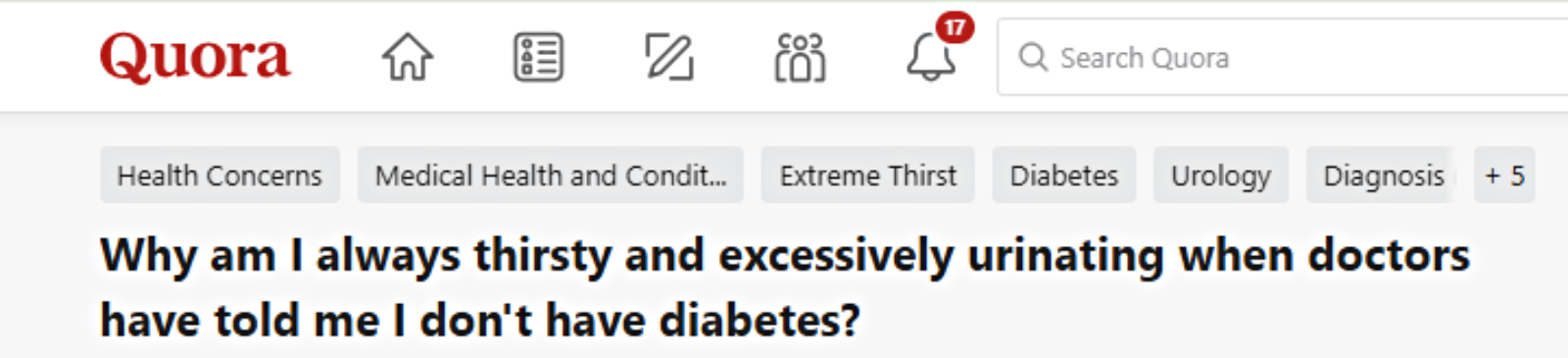
For many, the immediate thought when experiencing relentless thirst and a constant urge to urinate is diabetes. While this is a common culprit, medical professionals emphasize that these symptoms can stem from a diverse range of underlying conditions, often unrelated to blood sugar levels. A recent query on the popular online forum Quora, where an individual sought answers after being told they did not have diabetes, highlights the widespread confusion and the need for a deeper understanding of these pervasive symptoms.
The human body is a complex system, and persistent thirst (polydipsia) and frequent urination (polyuria) are signals that something is out of balance. While high blood sugar associated with diabetes mellitus is a well-known cause, dismissing these symptoms simply because diabetes has been ruled out can lead to delayed diagnosis and treatment of other potentially serious health issues. Dr. Vineeta Singh Tandon, Senior Consultant – Internal Medicine at ISIC Multispeciality Hospital, clarifies that "Although diabetes is a common cause of excessive thirst and frequent urination, it is not the only one." This article delves into the multifaceted reasons behind these symptoms, offering a comprehensive guide to understanding when to seek medical advice and what potential causes may be at play.
Recognizing the Signs: Are You Truly Drinking and Urinating More Than Usual?
Before exploring the potential causes, it’s crucial to establish whether your thirst and urination patterns are genuinely abnormal. The human body’s fluid balance is finely tuned, and deviations can be indicative of an underlying issue.
"Most adults pass urine about six to eight times a day, though this varies," notes Dr. Tandon. She advises that if your thirst and urination habits are significantly disrupting your daily activities or interfering with your sleep, it’s time to consult a healthcare professional.
Several indicators can suggest you might be experiencing excessive fluid intake and output:
- Constant Thirst: A persistent feeling of dryness in the mouth, even after drinking, is a primary sign. You may find yourself carrying a water bottle everywhere and constantly refilling it.
- Frequent Bathroom Trips: Beyond the typical six to eight times a day, needing to urinate significantly more often can be a concern.
- Nocturia: Repeatedly waking up during the night to urinate can be a strong indicator of an underlying issue, especially if it disrupts your sleep.
- Increased Fluid Intake: A noticeable and significant increase in your daily consumption of beverages, beyond what you might consider normal for your activity level or climate, warrants attention.
To aid your doctor in diagnosis, keeping a detailed record of your fluid intake and the frequency of your urination can be invaluable. This objective data can provide critical insights into the pattern and severity of your symptoms.
The Beverage Brouhaha: How What You Drink Matters
It’s a common misconception that only a medical condition can cause increased thirst and urination. However, the beverages we consume play a significant role.
"Yes, consuming large quantities of water, tea, coffee, energy drinks, or other beverages can increase urination," states Dr. Tandon. This is particularly true for caffeinated drinks. Caffeine, a well-known stimulant, also acts as a mild diuretic, meaning it encourages the kidneys to produce more urine. This diuretic effect can lead to increased fluid loss.
"As more fluid is lost, some people may feel thirsty again and continue drinking, creating a cycle of frequent drinking and urination," Dr. Tandon explains. This creates a self-perpetuating loop where increased consumption leads to increased output, which in turn triggers more thirst and consumption.
Beyond caffeine, other factors can contribute to these symptoms:

- Excessive Fluid Intake: Simply drinking too much fluid, even water, can lead to frequent urination. While it might seem counterintuitive, the body needs to excrete the excess.
- High Sodium Intake: Consuming a diet high in salt can lead to dehydration as the body tries to balance the sodium concentration, prompting increased thirst.
- Alcohol Consumption: Alcohol is also a diuretic and can lead to increased urine production and subsequent dehydration.
Beyond the Usual Suspects: Non-Diabetic Causes of Polydipsia and Polyuria
The fact that diabetes has been ruled out is a crucial piece of information, but it doesn’t diminish the importance of the symptoms. Dr. Tandon highlights that when diabetes is excluded, the medical investigation shifts to other potential causes.
"If diabetes has been ruled out, doctors may recommend urine tests, kidney function tests, electrolyte levels, blood calcium measurement, and tests to evaluate hydration and hormone balance," she advises. These diagnostic tools are essential for pinpointing the root cause.
1. Kidney Disorders: The kidneys are vital for filtering waste products from the blood and regulating fluid balance. When kidney function is compromised, the body’s ability to concentrate urine can be impaired. This means the kidneys excrete more dilute urine, leading to increased urine volume and, consequently, greater thirst. Conditions like chronic kidney disease or certain types of kidney infections can manifest with these symptoms.
2. Hormonal Imbalances: Several hormonal imbalances can disrupt fluid regulation.
- Diabetes Insipidus (DI): This condition, which should not be confused with diabetes mellitus (which affects blood sugar), is characterized by the kidneys’ inability to conserve water. It can be caused by problems with antidiuretic hormone (ADH), which regulates water reabsorption in the kidneys, or the kidneys’ response to ADH. DI leads to the excretion of large amounts of dilute urine and intense thirst.
- Other Hormonal Issues: Imbalances in hormones like cortisol (as seen in Cushing’s syndrome) or thyroid hormones can also indirectly affect fluid balance and lead to increased thirst and urination.
3. Medications: A significant number of medications can have increased urination and thirst as side effects.
- Diuretics: Commonly prescribed for high blood pressure and heart conditions, diuretics (water pills) are designed to increase urine output to reduce fluid retention and blood pressure.
- Psychiatric Medications: Certain antidepressants and antipsychotics can also influence thirst and urination patterns.
- Steroids: Medications containing corticosteroids can sometimes lead to increased thirst and urination.
- Lithium: Used to treat bipolar disorder, lithium can affect kidney function and lead to increased urine production.
4. Dehydration: While seemingly obvious, dehydration can be a persistent underlying cause. Insufficient fluid intake, excessive sweating due to heat or exercise, vomiting, or diarrhea can all lead to dehydration, triggering the body’s thirst mechanism. If fluid intake doesn’t keep pace with the loss, urination frequency might decrease initially, but the persistent thirst remains a key indicator.
5. Electrolyte Imbalances: Imbalances in electrolytes like sodium, potassium, and calcium can affect kidney function and fluid regulation. For instance, high calcium levels (hypercalcemia) can impair the kidneys’ ability to concentrate urine, leading to increased urination and thirst.
6. Pregnancy: During pregnancy, hormonal changes and increased blood volume can lead to more frequent urination. While often a normal physiological change, persistent or excessive thirst should still be discussed with a healthcare provider to rule out gestational diabetes or other complications.
7. Psychological Factors: In some rare instances, excessive thirst can be a symptom of a psychological condition known as psychogenic polydipsia, where an individual compulsively drinks large amounts of water, leading to frequent urination.
The Diagnostic Journey: Pinpointing the Cause
When diabetes is ruled out, the diagnostic process becomes more nuanced, involving a combination of medical history, physical examination, and targeted laboratory tests.
"A review of a person’s medical history and medicines, along with appropriate laboratory tests, can help identify the cause," Dr. Tandon emphasizes. This comprehensive approach ensures that all potential avenues are explored.
The choice of tests is highly individualized and guided by the initial assessment. These may include:
- Urine Tests: Analyzing urine for concentration, presence of sugar, protein, or signs of infection.
- Kidney Function Tests: Blood tests (like creatinine and BUN) to assess how well the kidneys are filtering waste.
- Electrolyte Panel: Measuring levels of sodium, potassium, chloride, and bicarbonate to identify imbalances.
- Blood Calcium Levels: To rule out hypercalcemia.
- Hydration Status Assessment: Evaluating the body’s overall fluid balance.
- Hormone Level Tests: Measuring levels of ADH, cortisol, thyroid hormones, or other relevant hormones depending on suspected imbalances.
- Imaging Studies: An ultrasound of the kidneys and urinary tract might be performed to visualize the organs and check for any structural abnormalities.
- Specific Tests for Diabetes Insipidus: These may involve water deprivation tests and ADH level measurements.
Red Flags: When to Seek Immediate Medical Attention
While occasional increased thirst and urination can be benign, persistent symptoms or the presence of accompanying warning signs warrant prompt medical evaluation.
Dr. Tandon advises paying close attention to the following symptoms, which, when combined with excessive thirst and frequent urination, could indicate a more serious underlying condition:
- Unexplained Weight Loss: This can be a sign of various metabolic or endocrine disorders.
- Fatigue and Weakness: Persistent tiredness can be a symptom of dehydration, electrolyte imbalance, or other systemic illnesses.
- Dry Mouth: Beyond thirst, a consistently dry mouth can indicate significant dehydration.
- Dizziness or Lightheadedness: These can be signs of dehydration or electrolyte disturbances affecting blood pressure.
- Swelling in the Legs (Edema): This can be indicative of kidney problems or heart conditions.
- Fever: A sign of infection, which can impact fluid balance.
- Burning During Urination or Blood in the Urine: These are strong indicators of a urinary tract infection or other kidney issues.
- Nausea and Vomiting: Can lead to dehydration and electrolyte loss.
- Headaches: Can be a symptom of dehydration or electrolyte imbalances.
- Changes in Vision: While more commonly associated with diabetes mellitus, sudden vision changes should always be investigated.
"Repeatedly waking up at night to urinate is also worth mentioning to a doctor, particularly if it is affecting sleep," Dr. Tandon adds. This symptom, known as nocturia, can be a significant disruption and a clue to underlying issues.
The Importance of Early Intervention
The implications of persistent thirst and frequent urination extend beyond discomfort. Early assessment is critical for identifying the root cause and initiating appropriate treatment. Delaying diagnosis can lead to the progression of underlying conditions and the development of complications.
"Early assessment helps identify the cause and allows treatment before complications occur," Dr. Tandon states. The treatment plan will be tailored to the specific diagnosis, whether it involves lifestyle modifications, medication adjustments, or management of a chronic condition.
For instance, if kidney disease is the culprit, treatment might focus on managing blood pressure, controlling diet, and potentially medication to slow disease progression. If a hormonal imbalance is identified, hormone replacement therapy might be considered. For medication-induced symptoms, a doctor may explore alternative prescriptions.
Ultimately, understanding that excessive thirst and frequent urination are not solely indicative of diabetes is the first step towards accurate diagnosis and effective management. By recognizing the subtle and not-so-subtle signs, and by consulting with healthcare professionals for a thorough investigation, individuals can navigate these symptoms and ensure their well-being.
Disclaimer: This article is based on information from the public domain and expert insights. It is intended for general informational purposes only and does not constitute medical advice. Always consult with a qualified healthcare practitioner before making any decisions related to your health or treatment.
