


Pregnancy is a transformative period, marked by a meticulous focus on the well-being of both mother and child. Beyond the well-known aspects of scans, prenatal vitamins, and dietary adjustments, a critical component of antenatal care often sparks questions: vaccinations. Many expectant mothers grapple with uncertainties about which vaccines are essential, their safety for the developing fetus, and the implications of receiving a vaccine before discovering their pregnancy.
To demystify this crucial aspect of maternal and infant health, this article delves into expert insights from Dr. Tripti Raheja, Director of Obstetrics & Gynaecology at the CK Birla Hospital, Delhi, and Dr. Kaishreen Khan, Consultant-Obstetrician and Gynaecologist at Motherhood Hospitals, Kharadi, Pune. They underscore the vital role of timely vaccinations in shielding pregnant women from infections that can pose heightened risks during gestation, while also enabling the transfer of protective antibodies to their newborns.
The Imperative of Antenatal Vaccination: Safeguarding Two Lives
The journey of pregnancy necessitates a robust defense against preventable diseases. Vaccinations during this period are not merely a routine measure; they are a strategic intervention designed to safeguard both the expectant mother and the developing fetus. Infections that might be mild for a non-pregnant individual can escalate into serious complications for pregnant women, potentially impacting the pregnancy’s outcome and the baby’s health.
Dr. Raheja emphasizes, "The right vaccines can protect a pregnant woman from infections that may become more serious during pregnancy while also passing protective antibodies to her baby." This dual benefit highlights the proactive approach vaccination offers, creating a shield that extends from mother to child. The antibodies generated by the mother’s immune system in response to vaccination are transferred across the placenta, providing passive immunity to the newborn for the first few months of life, a critical period before the infant can receive their own vaccinations.
Essential Vaccines During Pregnancy: A Tailored Approach
The landscape of recommended vaccines during pregnancy is dynamic, influenced by evolving public health guidelines, individual vaccination histories, the stage of gestation, and specific risk factors. In India, key vaccines that may be advised include Td/Tdap, influenza, and COVID-19 vaccines.
The Td/Tdap Vaccine: The tetanus (Td) vaccine is a cornerstone of routine immunization programs in India. However, the Tdap vaccine, which offers protection against tetanus, diphtheria, and pertussis (whooping cough), holds particular significance during pregnancy. Pertussis, a highly contagious respiratory illness, can be particularly dangerous for infants, often leading to severe respiratory distress, pneumonia, and even death. Administering the Tdap vaccine during the third trimester of each pregnancy allows for the maternal antibodies to be passed to the baby, offering crucial protection in the early months of life, before the infant receives their own DTaP vaccine.
Influenza Vaccine: Influenza, commonly known as the flu, poses increased risks for pregnant women. The flu can lead to severe illness, hospitalization, and complications such as pneumonia, bronchitis, and even premature birth. The inactivated influenza vaccine, administered via injection, is recommended for all pregnant women, regardless of the trimester. It is a safe and effective way to protect both the mother and the fetus from the potentially severe effects of the flu. However, the live attenuated influenza nasal spray vaccine is generally avoided during pregnancy.
COVID-19 Vaccine: In alignment with national guidelines, COVID-19 vaccination is also recommended for pregnant women. The SARS-CoV-2 virus can increase the risk of severe illness and pregnancy complications for expectant mothers. Vaccination has been shown to be safe and effective in pregnant individuals, providing protection against infection and reducing the likelihood of severe outcomes. Pregnant women are advised to consult with their healthcare providers to determine the most appropriate vaccination schedule based on current recommendations and their individual circumstances.
Dr. Raheja clarifies the personalized nature of vaccination scheduling: "The exact timing depends on previous vaccination history, gestational age and medical conditions, so the schedule should always be finalised with the treating obstetrician." This underscores the necessity of a thorough individual assessment.
Understanding Vaccine Safety: Debunking Myths and Embracing Evidence
A prevalent concern among pregnant women revolves around the safety of vaccines for their unborn child. It is a widely held myth that vaccines routinely harm the developing fetus or lead to developmental problems. However, extensive scientific research and real-world data consistently demonstrate the safety and efficacy of recommended vaccines during pregnancy.

Live vs. Inactivated Vaccines: It is crucial to distinguish between different types of vaccines. Live attenuated vaccines, such as the MMR (measles, mumps, and rubella) and varicella (chickenpox) vaccines, contain weakened but live viruses. Due to a precautionary principle, these are generally avoided during pregnancy, as there is a theoretical risk of the virus crossing the placenta. However, this does not imply that accidental exposure is catastrophic.
In contrast, inactivated vaccines, like the injectable influenza vaccine and most COVID-19 vaccines, contain killed viruses or specific components of the virus. These vaccines cannot cause the infection they are designed to prevent and are considered safe for use during pregnancy.
Addressing Accidental Vaccination: The scenario of receiving a live vaccine before realizing one is pregnant can understandably cause anxiety. However, medical experts emphasize that this situation does not automatically warrant pregnancy termination. "Accidental vaccination is not, by itself, an indication for termination of pregnancy," states Dr. Raheja. Both Dr. Raheja and Dr. Khan advise immediate consultation with an obstetrician, providing details about the vaccine received and the date of administration. Continued antenatal care is crucial, and any further doses of live vaccines can typically be postponed until after delivery.
Reassuring Evidence: The safety of influenza, Td/Tdap, and recommended COVID-19 vaccines during pregnancy is well-established. Millions of pregnant women have received influenza vaccines without any evidence of increased risks for major pregnancy complications. Similarly, studies on Tdap vaccination have not revealed heightened risks for mothers or babies. Ongoing safety monitoring and research for COVID-19 vaccines have also consistently shown no increased risks for pregnant women or their infants.
Dr. Raheja reiterates, "The available evidence is reassuring regarding the safety of recommended vaccines during pregnancy." It’s also vital to consider the risks associated with the infections themselves. Influenza and COVID-19 can indeed lead to serious complications during pregnancy, making vaccination a vital protective measure.
Potential Side Effects: What to Expect and When to Seek Help
Like any medication or medical intervention, vaccines can have side effects. However, most are mild and temporary, reflecting the body’s natural immune response. Common side effects include:
- Pain, redness, or swelling at the injection site: This is a localized reaction to the needle and the vaccine’s components.
- Mild fever: A slight elevation in body temperature can occur as the immune system mounts a response.
- Tiredness or fatigue: General feelings of weariness are also common.
- Body aches or headaches: These are typical symptoms of the immune system activating.
Dr. Khan explains, "Most side effects are mild and temporary, such as pain or swelling at the injection site, mild fever, tiredness or body aches."
However, it is imperative for pregnant women to be aware of when to seek immediate medical attention. Any of the following symptoms following vaccination should prompt a call to a healthcare provider:
- Difficulty breathing: This could indicate a more severe allergic reaction.
- Facial or throat swelling: Another sign of a potential allergic reaction.
- Severe allergic reaction (anaphylaxis): This is a rare but serious condition requiring immediate medical intervention.
- Persistent high fever: A fever that does not subside or is excessively high warrants medical evaluation.
- Any unusual or concerning symptoms: Trusting one’s intuition and reporting any symptom that feels out of the ordinary is crucial.
It is also important to remember that not every symptom that arises after vaccination is necessarily caused by the vaccine. Any concerning symptom during pregnancy, regardless of its suspected cause, deserves appropriate medical evaluation.
Tailoring Vaccination Strategies for High-Risk Pregnancies
For women with high-risk pregnancies, pre-existing chronic conditions, or a history of severe allergic reactions, vaccination decisions require a more individualized approach.
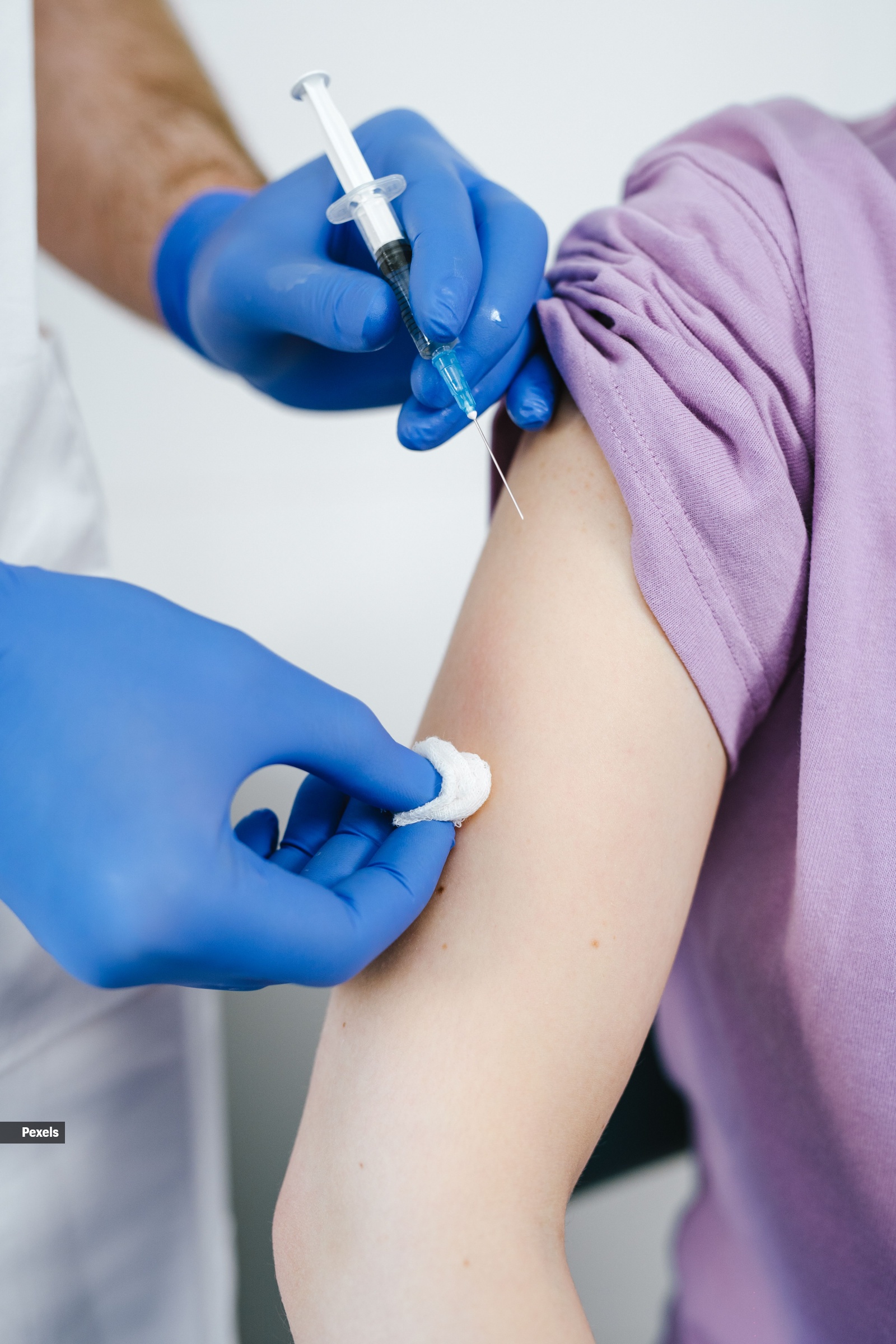
Chronic Illnesses and High-Risk Pregnancies: Conditions such as diabetes, hypertension, asthma, and kidney disease can increase the severity of certain infections during pregnancy. In such cases, vaccination can offer significant protective benefits. However, the obstetrician must carefully consider the woman’s overall health status, current medications, and any pregnancy complications when making vaccination recommendations.
History of Allergic Reactions: Women who have experienced a severe allergic reaction to a vaccine or its components in the past need to undergo a thorough medical assessment before receiving any further vaccinations. This evaluation will help determine the specific allergen and whether alternative vaccines or precautionary measures are necessary.
Dr. Raheja emphasizes, "Vaccination should be individualised in high-risk pregnancies." She further advises, "The obstetrician should review vaccination history, allergies, medical conditions, and pregnancy status before making recommendations." It is important to note that a high-risk pregnancy or a past vaccine reaction does not automatically preclude all vaccinations. The decision-making process should be collaborative, based on a comprehensive understanding of the individual’s circumstances and the benefits and risks of each vaccine.
Dispelling Common Vaccination Myths for Expectant Mothers
The proliferation of misinformation can create undue fear and anxiety surrounding vaccinations during pregnancy. Addressing these myths is crucial for empowering women to make informed decisions about their health and the health of their babies.
Myth 1: Vaccines Harm the Unborn Baby. As highlighted earlier, this is a pervasive misconception. The reality is that several vaccines are specifically recommended during pregnancy precisely because they protect both the mother and the developing fetus. The antibodies generated by the mother provide a vital layer of protection for the newborn.
Myth 2: Vaccination Causes the Infection. This is another common misunderstanding. Inactivated vaccines, such as the injectable influenza vaccine and COVID-19 vaccines, do not contain live viruses capable of causing the disease. They work by stimulating the immune system to recognize and fight off the actual virus if encountered.
Myth 3: All Vaccines Must Be Postponed Until After Delivery. While live vaccines are generally avoided during pregnancy, this is not a blanket rule for all immunizations. Certain vaccines are recommended during pregnancy to provide immediate protection and passive immunity to the baby. The decision to vaccinate during pregnancy is based on a careful assessment of the benefits versus the risks, considering the specific vaccine and the individual’s circumstances.
Conclusion: Empowering Informed Decisions Through Expert Guidance
Navigating the complexities of antenatal care can be challenging, and vaccination decisions are no exception. Rather than succumbing to misinformation or succumbing to fear, expectant mothers are strongly encouraged to engage in open and honest conversations with their obstetricians. A thorough review of their vaccination history, current pregnancy stage, and medical history will pave the way for a personalized vaccination plan that prioritizes the health and safety of both mother and child.
The scientific evidence overwhelmingly supports the safety and efficacy of recommended vaccines during pregnancy. By embracing this evidence and working closely with healthcare providers, pregnant women can ensure they receive the essential protection needed to navigate this precious period with confidence and well-being.
Disclaimer: This article is intended for informational purposes only and does not constitute medical advice. Always consult with your qualified healthcare practitioner before making any decisions related to your health or treatment.
