

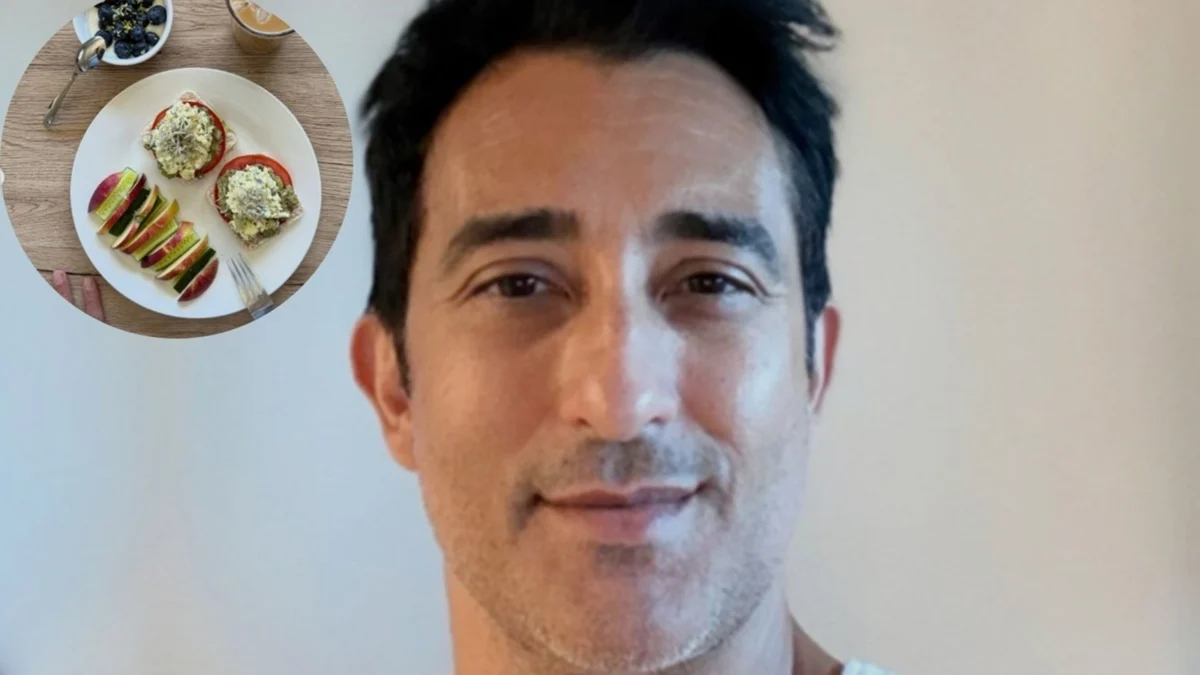
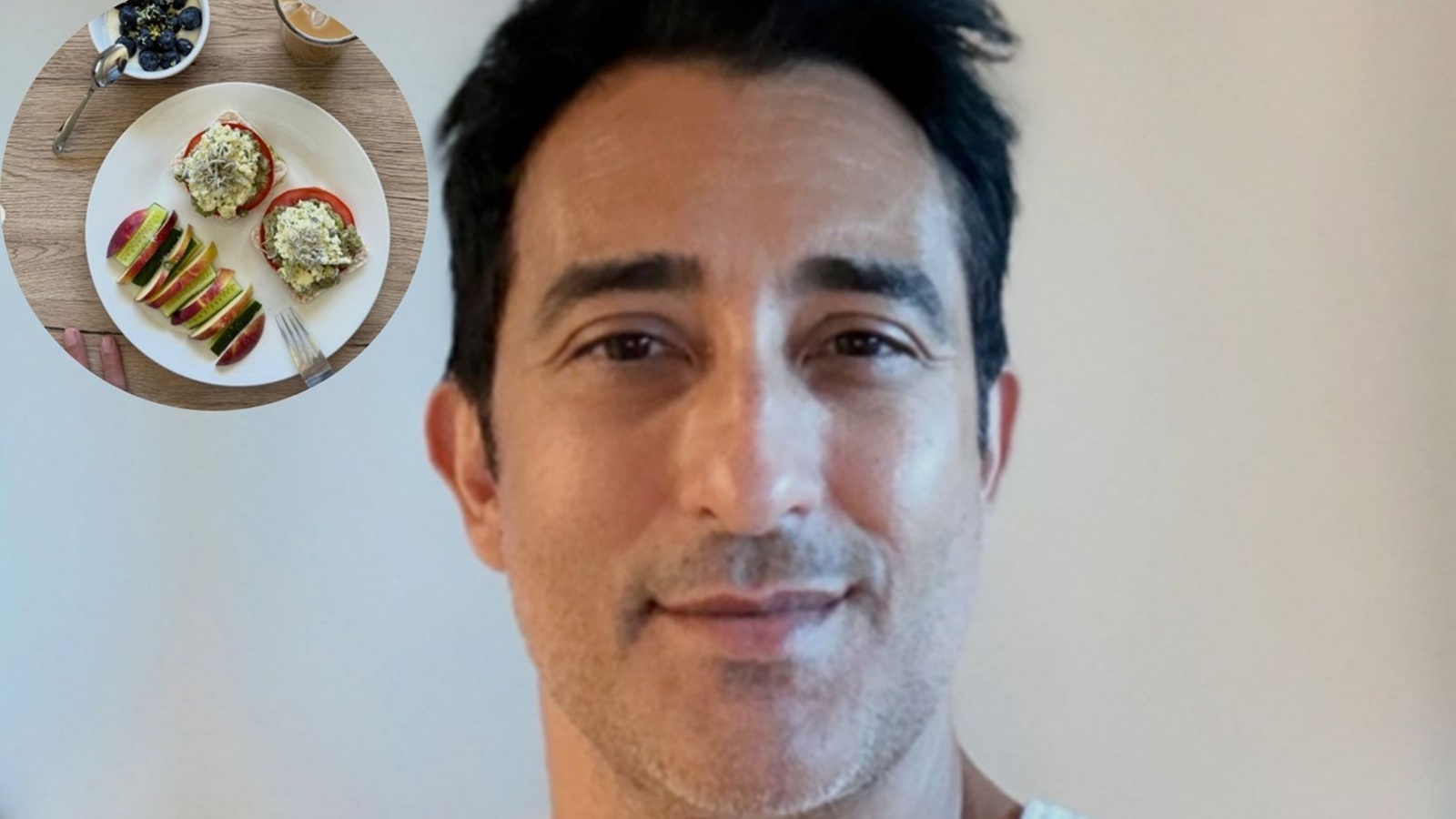
Mumbai, India – In a digital age where curated feeds often dictate our perceptions of ideal lifestyles, actor Rahul Khanna, at 54, recently offered his social media followers a peek into his morning meals. Sharing a series of candid photographs on Instagram, Khanna showcased a diverse array of breakfasts, from the seemingly simple toast and avocado to more elaborate spreads featuring sausages and fresh fruit. His accompanying caption, "That boy and his breakfasts," hinted at a consistent dedication to his morning repast, while also subtly drawing attention to his well-maintained physique. This seemingly casual post has sparked a broader conversation about the nutritional science behind these popular breakfast components and how they contribute to overall well-being.
The Anatomy of a Balanced Breakfast: Expert Insights
To understand the implications of Khanna’s breakfast choices, we consulted with Dt. Gulnaaz Shaikh, a clinical nutritionist at Healthyz. Shaikh emphasizes that a truly nourishing breakfast goes beyond aesthetics and focuses on providing the body with essential macronutrients and micronutrients to kickstart the day.
"Eggs, vegetables, fruit, avocado, yogurt/curd, whole grains, nuts, and seeds are all excellent components of a healthy breakfast," Shaikh explains. "When combined thoughtfully, they offer a synergistic blend of protein, fiber, healthy fats, and crucial micronutrients. This combination is far more likely to promote satiety and sustained energy levels compared to a breakfast predominantly composed of refined carbohydrates or sugary foods."
Shaikh’s perspective underscores a fundamental principle of nutrition: the importance of a balanced intake. While Khanna’s visually appealing breakfasts might seem inherently healthy, she cautions that even nutrient-dense foods can contribute to excessive calorie intake if portions are not managed mindfully. "A healthy-looking plate can quickly become calorie-dense if portions of cheese, avocado, seeds, or spreads are disproportionately large," she notes.
Deconstructing Khanna’s Breakfasts: A Nutritional Breakdown
Khanna’s Instagram posts offered glimpses into several distinct breakfast combinations, each deserving of a closer nutritional examination.
The Egg, Avocado, and Salad Powerhouse
One recurring theme in Khanna’s breakfast repertoire appears to be the combination of eggs and avocado, often accompanied by a side of salad. Shaikh highlights the significant nutritional benefits of this pairing. "Eggs are a highly convenient and bioavailable source of high-quality protein, essential for muscle repair and satiety," she states. "Avocado, on the other hand, contributes healthy monounsaturated fats and dietary fiber, both crucial for heart health and digestive regularity."
The addition of vegetables like cucumber, tomato, carrots, and leafy greens further elevates the nutritional profile of this meal. "Incorporating a variety of vegetables significantly boosts the fiber and micronutrient content of the meal," Shaikh adds. "Furthermore, flavor can be artfully introduced through ingredients like lemon, fresh herbs, and capers, negating the need for heavy, calorie-laden dressings."
For individuals aiming for weight management, this combination can be a strategic choice. "The egg, avocado, and salad combination can be highly effective for weight loss, provided that portion sizes are kept sensible and that the meal is considered within the context of the individual’s overall daily caloric intake," Shaikh advises.
Smoked Salmon: A Sophisticated, Yet Sodium-Conscious Choice
Another breakfast option hinted at by Khanna’s posts might include smoked salmon. Shaikh acknowledges the protein-rich nature of this combination. "Eggs and smoked salmon together provide a substantial amount of protein, while avocado and accompanying salads contribute healthy fats and fiber," she explains.
However, she also offers a crucial caveat. "The primary concern with smoked salmon is its sodium content. Smoked salmon can be quite salty, making it a less ideal choice for daily consumption, particularly for individuals who need to closely monitor their salt intake due to conditions like hypertension," Shaikh cautions. For those who enjoy this option, she suggests it be consumed in moderation and not as a staple every morning.
The Sausage Conundrum: Processed Meats and Health Implications
Khanna’s breakfast spreads also included sausages, prompting a discussion about the health implications of processed meats. While eggs and vegetables remain beneficial components, the type of sausage plays a critical role.
"If the sausages are processed meat products, their consumption should be limited rather than becoming a regular breakfast habit," Shaikh strongly advises. "Processed meats can contribute significant amounts of sodium and saturated fat to the diet, which can have long-term health consequences." She recommends prioritizing minimally processed protein sources like eggs, pulses, paneer (Indian cottage cheese), tofu, or curd for most days.
Fruit and Yogurt: A Sweet and Savory Synergy
A visually appealing bowl of blueberries and figs with yogurt and seeds also featured in Khanna’s shared meals. Shaikh views this as a nutritious option. "This combination of fruit with yogurt/curd, along with seeds, offers a good balance of fiber, protein, and healthy fats," she notes.
Her advice for optimizing this breakfast centers on ingredient selection. "It is best to choose plain, unsweetened yogurt, allowing the natural sweetness of the fruit to provide the desired flavor," she suggests. Regarding seeds, while highly nutritious, she emphasizes portion control. "Seeds are nutrient-dense but also energy-dense, so a small, sensible portion is sufficient to reap their benefits."
Toast and Coffee: The Foundation of Many Mornings
The ubiquitous toast and coffee combination is a staple for many. Shaikh confirms that toast can indeed be a part of a healthy breakfast. "Ideally, opt for whole-grain bread, as it provides more fiber and nutrients compared to refined white bread," she recommends. "Crucially, it should be paired with a protein source rather than consumed in isolation."
Coffee, too, is generally acceptable for most individuals. However, Shaikh points out that its nutritional profile can be significantly altered by additions. "Added sugars, syrups, and large quantities of cream can drastically change the nutritional value of coffee, transforming it from a neutral beverage into a calorie-laden treat," she warns.
The Chronology of a Healthy Morning Routine
While Rahul Khanna’s specific timeline of adopting these breakfast habits isn’t detailed, his consistent sharing of varied and seemingly health-conscious meals suggests a long-term commitment. His Instagram posts, particularly those that appear to have been shared over time, indicate a deliberate approach to his diet. The "That boy and his breakfasts" caption implies a recurring ritual, a testament to the importance he places on his morning meal. This consistent practice, rather than an isolated event, is often the hallmark of sustainable healthy habits.
Supporting Data: The Science Behind the Plate
The nutritional advice provided by Dt. Gulnaaz Shaikh is firmly rooted in established dietary guidelines and scientific research. The emphasis on protein, fiber, and healthy fats aligns with recommendations from major health organizations worldwide.
- Protein: Essential for satiety, muscle synthesis, and enzymatic functions. Protein-rich foods like eggs, dairy, and legumes take longer to digest, leading to a prolonged feeling of fullness and helping to regulate blood sugar levels.
- Fiber: Crucial for digestive health, blood sugar control, and cholesterol management. Whole grains, fruits, vegetables, nuts, and seeds are excellent sources of dietary fiber.
- Healthy Fats: Primarily monounsaturated and polyunsaturated fats found in avocados, nuts, seeds, and fatty fish, are vital for hormone production, nutrient absorption, and cardiovascular health.
- Micronutrients: Vitamins and minerals play a myriad of roles in the body, from immune function to energy metabolism. A diverse intake of fruits and vegetables ensures a broad spectrum of these essential compounds.
Studies consistently show that a balanced breakfast can improve cognitive function, enhance physical performance, and contribute to better weight management. Conversely, skipping breakfast or opting for high-sugar, low-nutrient options can lead to energy crashes, increased cravings, and a higher risk of developing chronic diseases over time.
Official Responses and Expert Consensus
The principles outlined by Dt. Gulnaaz Shaikh are widely supported by official health bodies. Organizations like the World Health Organization (WHO) and national dietary guidelines consistently advocate for balanced diets rich in fruits, vegetables, whole grains, and lean protein sources. The emphasis on limiting processed foods, added sugars, and excessive sodium is a recurring theme in public health recommendations aimed at preventing non-communicable diseases such as obesity, diabetes, and cardiovascular disease.
The disclaimer provided in the original article – "Always consult your health practitioner before starting any routine" – is a critical piece of advice that underscores the personalized nature of nutrition. While general guidelines are valuable, individual dietary needs can vary significantly based on age, activity level, pre-existing health conditions, and personal preferences.
Implications for the Public and the "Instagram Effect"
Rahul Khanna’s social media post, while seemingly a personal sharing, highlights a broader societal trend: the influence of social media on our perceptions of health and lifestyle. The "Instagram effect" can be a double-edged sword. On one hand, it can inspire individuals to adopt healthier habits by showcasing appealing and nutritious food options. On the other hand, it can create unrealistic expectations and pressure to conform to a visually perfect, often unattainable, ideal.
Dt. Shaikh’s closing advice serves as a crucial antidote to this pressure: "Don’t try to recreate a ‘perfect’ Instagram breakfast. Instead, use these meals as inspiration: build your plate around protein, add vegetables or fruit, choose a sensible portion of whole-grain carbohydrates, and include some healthy fat. The right breakfast is ultimately the one that fits your health needs, activity level, appetite, and overall diet."
This statement empowers individuals to personalize their approach to healthy eating, moving beyond the superficial aesthetics of a curated feed to focus on sustainable, health-promoting practices that align with their unique circumstances. Rahul Khanna’s breakfasts, when viewed through a nutritional lens and informed by expert guidance, offer a valuable starting point for many seeking to optimize their morning meals and, by extension, their overall well-being. The key lies not in replicating a celebrity’s plate, but in understanding the principles of balanced nutrition and applying them in a way that works for oneself.
