

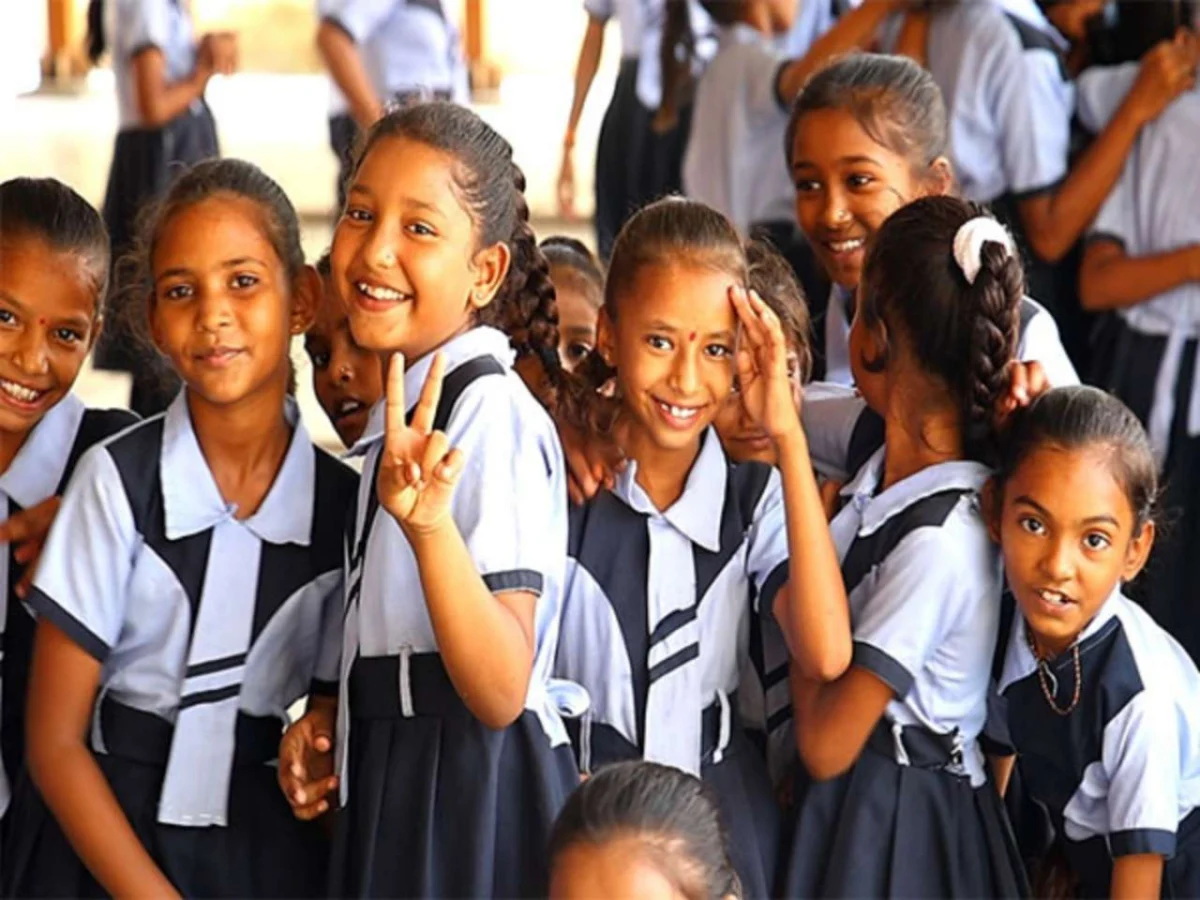
New Delhi, India – A significant observance of the Islamic calendar, Muharram, will lead to widespread closures of educational institutions, banks, and government offices across numerous Indian states on Friday, June 26, 2026. The Government of India has officially designated Muharram as a gazetted holiday, empowering state governments and local education authorities to issue directives for school closures. This nationwide observance is expected to grant many students and employees a welcome extended weekend.
Muharram marks the commencement of the Islamic New Year and is a period of deep religious significance, particularly the tenth day, known as Ashura. This day is observed with solemnity, marked by religious practices, commemorative processions, and acts of charity. The confluence of this important religious observance with a Friday is anticipated to create a three-day break for students in regions where Saturday is also a non-working day, prompting families to plan weekend activities and personal engagements accordingly.
)
Understanding the Significance of Muharram
Muharram, the first month of the Islamic lunar calendar, holds a place of immense sanctity and spiritual importance within Islam. It is a period of reflection, mourning, and remembrance for Muslims worldwide. The observances during Muharram are diverse and deeply rooted in historical events and theological narratives.

The tenth day of Muharram, Ashura, is particularly poignant. For Shia Muslims, it commemorates the martyrdom of Imam Hussain, the grandson of Prophet Muhammad, at the Battle of Karbala. This event is a central pillar of Shia identity and is observed with intense grief, processions of mourning (known as majalis and matam), and acts of self-flagellation in some traditions. Sunni Muslims also observe Ashura, though with different historical interpretations and practices. Some commemorate it as the day Noah’s Ark landed, while others observe it as a day of fasting, following the tradition of Prophet Muhammad.
)
Beyond the specific historical narratives, Muharram is generally viewed as a month of spiritual renewal and a time to reflect on the principles of justice, compassion, and sacrifice that are central to Islamic teachings. The observances are not merely historical commemorations but also serve as a call to embody these values in daily life. The widespread holiday signifies the recognition of this profound religious and cultural importance by the Indian government and its constituent states.
)
Nationwide School Closures: A Comprehensive Overview
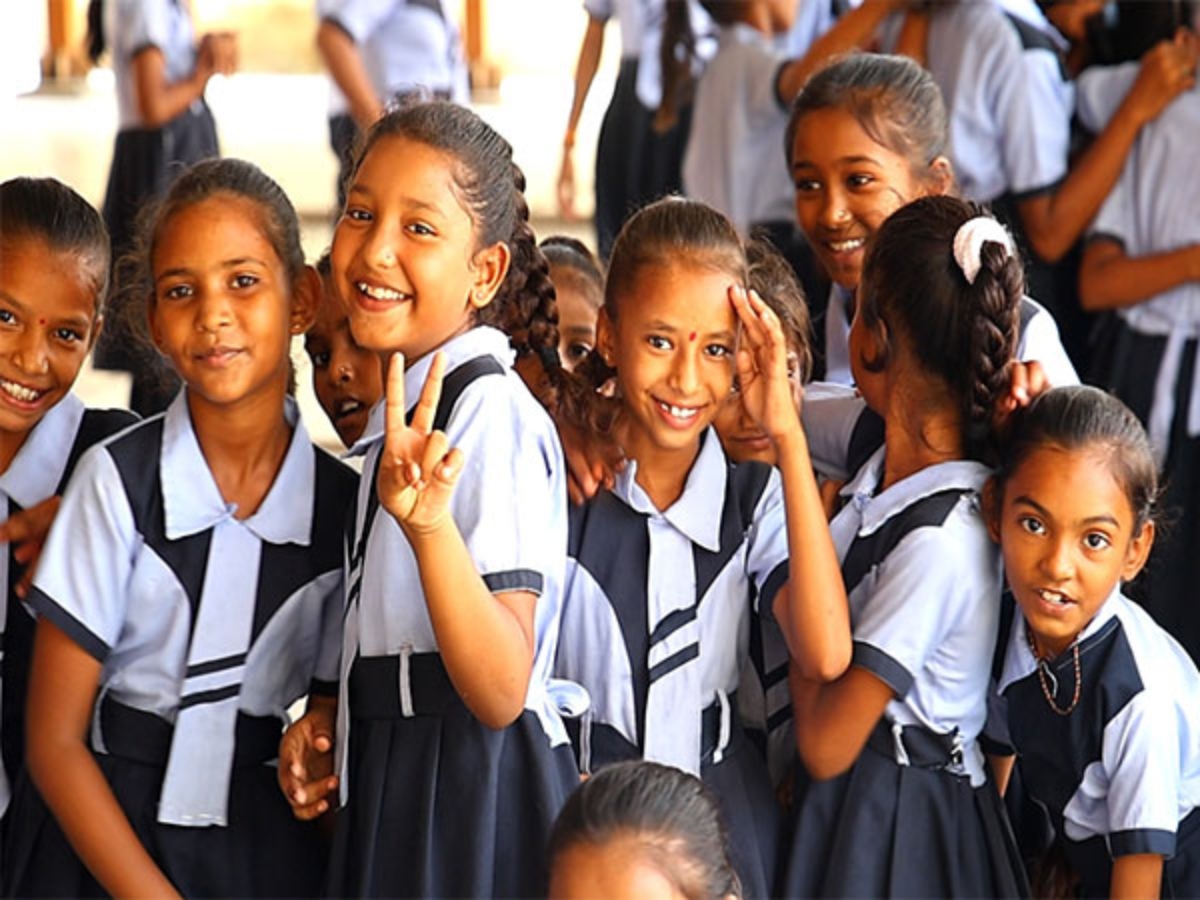
The decision to close schools across several states underscores the national recognition of Muharram as a significant cultural and religious event. This directive ensures that students and educators have the opportunity to participate in or observe the religious observances without academic disruption.
)
The list of states where schools are expected to remain closed on June 26, 2026, for Muharram includes:
)
- Uttar Pradesh: As a populous state with a diverse religious demographic, Uttar Pradesh’s educational institutions will observe the holiday.
- Maharashtra: Home to a significant Muslim population, Maharashtra’s schools will also shut down.
- Delhi: The national capital’s schools will observe the gazetted holiday.
- Telangana: Educational institutions in Telangana will be closed to mark the occasion.
- West Bengal: This eastern state, with a notable Muslim community, will see school closures.
- Karnataka: Schools across Karnataka are scheduled to remain closed.
- Tamil Nadu: The southern state of Tamil Nadu will also observe the Muharram holiday in its schools.
- Bihar: Bihar’s educational institutions will be shut for the observance.
- Andhra Pradesh: Schools in Andhra Pradesh will also follow the holiday directive.
- Madhya Pradesh: This central Indian state will see its schools closed.
- Chhattisgarh: Educational institutions in Chhattisgarh are also slated for closure.
- Jharkhand: Schools in Jharkhand will observe the holiday.
- Jammu and Kashmir: Given its significant Muslim population, the union territory’s schools will be closed.
- Tripura: This northeastern state will also observe the holiday.
- Mizoram: Schools in Mizoram are also included in the closure list.
It is crucial to note that while this list provides a broad overview, the exact holiday schedule can be subject to variations. Local district administrations and state education departments may issue specific circulars or addendums. Therefore, parents and students are strongly advised to consult official notices from their respective schools, district education offices, or state education departments for definitive confirmation of holiday dates and any potential local adjustments. This proactive approach ensures accurate information and helps in planning accordingly.
)
The Extended Weekend Effect and Family Planning
The fact that Muharram falls on a Friday this year has generated particular interest among students and their families. For many, this translates into an extended three-day weekend, as educational institutions that typically observe a Saturday holiday will now have a consecutive break from Friday to Sunday. This prospect has led to an increase in inquiries and planning for weekend getaways, family visits, or personal pursuits.
)
This extended break offers a valuable opportunity for individuals to engage in activities beyond their usual academic or professional routines. Families can spend quality time together, undertake short trips, or simply relax and recharge. For students, it provides a welcome respite from their studies, allowing for a period of rejuvenation before the academic demands resume. The anticipation of this longer weekend has undoubtedly influenced various sectors, including the travel and tourism industry, which often sees a surge in bookings during such extended holiday periods.
)
Broader Economic and Administrative Implications
The impact of the Muharram holiday is not confined solely to educational institutions. The gazetted holiday status means that the ripple effect will be felt across various sectors of the economy and public administration.
)
Banks to Remain Closed: In line with the national holiday, banks across several states are expected to suspend their operations on June 26, 2026. This closure will affect banking services, including cash withdrawals, deposits, loan processing, and other financial transactions. Customers are advised to plan their banking needs in advance, either by visiting branches on days preceding the holiday or by utilizing digital banking channels, which typically remain accessible. The Reserve Bank of India (RBI) and individual bank managements usually issue circulars detailing bank holidays, and it is anticipated that this guideline will be strictly followed.
)
Government Offices and Public Institutions: Government offices at both the central and state levels, as well as other public sector undertakings and administrative bodies, are also slated to observe the Muharram holiday. This means that routine administrative functions will be paused, and public services that are typically rendered through these offices will be unavailable on June 26th. Essential services that require continuous operation, such as emergency response units and some public utilities, are expected to maintain skeleton staff to ensure uninterrupted service delivery. Normal operations are scheduled to resume on the subsequent working day, Monday, June 29, 2026.
)
Potential Impact on Commerce: While not all commercial establishments are mandated to close, the holiday is likely to influence business operations. Many retail businesses, particularly those catering to a significant Muslim clientele, may choose to observe the holiday or operate with reduced staff. This could lead to a temporary slowdown in economic activity in certain regions, though it is generally a short-term disruption that is absorbed within the broader economic cycle.
)
Official Responses and Community Engagement
The issuance of school closure notices by state governments and education authorities reflects a conscious effort to accommodate and respect the religious sentiments and practices of the Muslim community. These official directives serve as a tangible acknowledgement of Muharram’s significance in the multicultural fabric of India.
)
Education departments typically issue circulars to all affiliated schools, outlining the holiday and the reasons for it. These communications are vital for ensuring uniformity in observance and for providing clear guidance to school administrators, teachers, parents, and students. The government’s role in declaring national holidays for significant religious and cultural events plays a crucial part in fostering a sense of inclusivity and mutual respect among diverse communities.
)
Community leaders and religious organizations often engage with authorities to ensure that the observances are conducted peacefully and respectfully. The holiday period provides an opportunity for greater community engagement, with mosques and Islamic centers organizing special prayers, lectures, and events related to Muharram. The nationwide observance, therefore, is not just about closures but also about fostering a deeper understanding and appreciation of different cultural and religious traditions.
)
Conclusion: A Period of Reflection and National Observance
The closure of schools, banks, and government offices across India on June 26, 2026, for Muharram, signifies the nation’s commitment to recognizing and respecting its diverse religious landscape. As the first month of the Islamic calendar, Muharram holds profound spiritual meaning, and the designated holiday allows millions to observe its significance. The confluence of the holiday with a Friday, creating an extended weekend, adds another layer to the observance, offering opportunities for personal reflection, family time, and community engagement. While the practical implications of these closures are felt across various sectors, they ultimately underscore India’s commitment to inclusivity and the harmonious coexistence of its diverse communities. As the nation collectively observes Muharram, it serves as a reminder of the shared values of reflection, compassion, and remembrance that bind its people together.
