

VISAKHAPATNAM – As the monsoon clouds begin to retreat and the coastal breeze of the Bay of Bengal carries a hint of festive anticipation, the city of Visakhapatnam is gearing up to transform into a mini-Kerala. The harvest festival of Onam, a cornerstone of Malayali culture, is set to be celebrated with grandeur across the "City of Destiny." From the high-end banquet halls of luxury hotels to the community-driven auditoriums of cultural associations, the air will soon be thick with the aroma of roasted coconut, tempered curry leaves, and the sweet fragrance of fresh jasmine and marigolds.
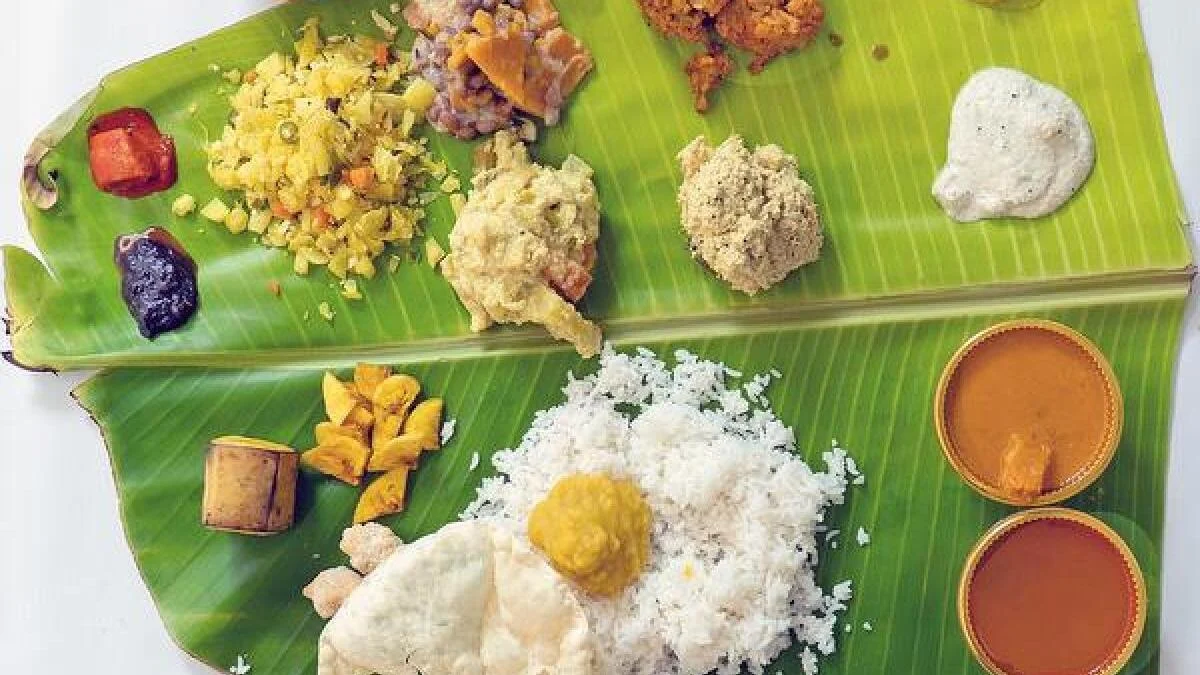
This year’s celebrations, primarily centered around August 26 and extending into early September, promise a multi-sensory experience. Residents and the significant Malayali diaspora in the city are preparing for the "Sadya"—the elaborate vegetarian feast served on banana leaves—and the "Pookkalam," the intricate floral carpets that symbolize the welcoming of the legendary King Mahabali.
Main Facts: A City-Wide Culinary and Cultural Extravaganza
The 2026 Onam season in Visakhapatnam is characterized by a blend of commercial hospitality and community-led tradition. Four major hubs have emerged as the focal points for this year’s festivities: Novotel Visakhapatnam Varun Beach, Four Points by Sheraton, Mushu’s Food Wagon, and the Kerala Kala Samithi.
The celebrations are bifurcated into two distinct phases. The first phase, occurring on August 26, is dominated by the city’s hospitality sector, offering curated dining experiences for food connoisseurs. The second phase, culminating on September 6, shifts the focus toward cultural heritage, traditional performing arts, and community bonding under the aegis of the Kerala Kala Samithi.
Key highlights of this year’s itinerary include:
- Authenticity via Expertise: The involvement of specialized chefs, such as Chef Rima Kalarikkal Raju, to ensure the "Sadya" maintains its traditional flavor profile.
- Diverse Pricing Models: Options ranging from premium hotel buffets to affordable, niche "Food Wagon" parcels, ensuring the festival is accessible to various socio-economic segments.
- Cultural Preservation: Beyond the food, the schedule includes Thiruvathira (a traditional dance), Pookkalam competitions, and musical showcases.
Chronology of Events: From the Banquet Hall to the Community Center
The festive calendar is meticulously planned to allow residents to experience different facets of the festival over a two-week period.
August 26: The Culinary Launch
The peak of the gastronomic celebration begins on August 26. This date serves as the primary window for those seeking the traditional Sadya in a professional setting.
Novotel Visakhapatnam Varun Beach will host its celebration at ‘Nautica’ from 12:00 pm to 3:30 pm. The hotel has made a strategic move by bringing in Chef Rima Kalarikkal Raju, a specialist in Kerala cuisine, to curate the menu. This emphasis on a "curated spread" suggests a move away from generic buffets toward a more storytelling-based dining experience where each dish represents a specific region of Kerala.

Simultaneously, Four Points by Sheraton will offer a more extended window for celebration, providing both lunch and dinner options. Their "Kerala-inspired buffet" is designed to cater to corporate groups and families who may not be able to attend a traditional mid-day Sadya.
For those looking for a more intimate or home-based experience, Mushu’s Food Wagon offers a limited-capacity event on the same day. With only 20 slots available per session (12:00 pm and 1:00 pm), this venue focuses on the "banana leaf" authenticity, providing a middle ground between high-end dining and home-cooked tradition.
September 6: The Cultural Crescendo
The festivities shift from pure gastronomy to a broader cultural celebration on September 6. The Kerala Kala Samithi will host its main event at the Kala Keralam Auditorium starting at 10:00 am. This event acts as the "Maha-Onam" for the local community, integrating the spiritual, artistic, and social elements of the festival that go beyond the plate.
Supporting Data: The Anatomy of an Authentic Onam Sadya
To understand the scale of these events, one must look at the complexity of the Onam Sadya itself. A traditional Sadya can consist of anywhere from 24 to 28 dishes, served in a specific order on a tapered banana leaf.
| Component | Description | Significance |
|---|---|---|
| Parippu & Ghee | Moong dal served with clarified butter | The starting course, signifying prosperity. |
| Avial | A thick mixture of vegetables, coconut, and curd | Represents the harmony of diverse elements. |
| Sambar/Rasam | Lentil-based vegetable stew and spiced soup | The digestive core of the meal. |
| Olan/Thoran | Ash gourd in coconut milk / Sautéed vegetables | Showcases the versatility of the coconut. |
| Payasam | Sweet pudding (Adapradhaman or Kadalaparippu) | The essential dessert that concludes the feast. |
In Visakhapatnam, the pricing for these experiences reflects the rising cost of authentic ingredients—many of which, like the Matta rice and specific varieties of jaggery, are often sourced directly from Kerala for these events.
- Novotel/Sheraton: Pricing ranges from ₹1,399 to ₹1,599 (plus taxes), reflecting the premium environment and the logistical cost of flying in specialty chefs.
- Mushu’s Food Wagon: Priced at ₹999 for dine-in and ₹1,149 for parcels, highlighting the demand for high-quality, "take-home" festive meals.
Official Responses and Expert Perspectives
Organizers emphasize that Onam in Visakhapatnam is no longer just for the Malayali community; it has become a "Pan-Indian" celebration within the city.
A spokesperson for the Kerala Kala Samithi noted that the inclusion of a Pookkalam (floral rangoli) competition is vital for engaging the younger generation. "While the Sadya is the draw, the Pookkalam and the Thiruvathira dance are what keep our heritage alive. We are seeing more non-Malayali residents participating in these competitions every year, which is a testament to Vizag’s inclusive culture," the representative stated.
Management at Novotel highlighted the importance of "culinary tourism" within the hotel industry. "By bringing in a chef specifically for this event, we aren’t just serving food; we are offering a cultural immersion. Our guests expect authenticity, from the way the ginger is sliced in the Inji Puli to the consistency of the Payasam," a kitchen executive commented.

The local police and municipal authorities have also been alerted regarding the September 6th event at the Kala Keralam Auditorium, as large crowds are expected for the musical show that serves as the grand finale to the Samithi’s celebrations.
Implications: The Social and Economic Impact
The celebration of Onam in Visakhapatnam carries several broader implications for the city’s social and economic fabric.
1. The "Glocalization" of the Hospitality Sector
The trend of luxury hotels hosting regional food festivals (like Onam, Baisakhi, or Pongal) shows a shift in marketing strategy. Hotels are no longer just providers of rooms but have become "cultural curators." This drives significant revenue during what might otherwise be a standard monsoon period, tapping into the local population’s desire for experiential dining.
2. Strengthening the Diaspora Bond
For the thousands of Malayalis working in the Eastern Naval Command, the Visakhapatnam Steel Plant, and the burgeoning IT sector, these events are a crucial link to their roots. The Kerala Kala Samithi’s efforts provide a "home away from home," reducing the sense of cultural isolation and fostering a strong, supportive community network.
3. Cross-Cultural Integration
The popularity of the Onam Sadya among the Telugu-speaking population of Visakhapatnam is a prime example of cross-cultural integration. The vegetarian nature of the feast makes it universally acceptable, while the unique flavors of coconut oil and curry leaves offer a palate-cleansing alternative to the spicy local Andhra cuisine.
4. Logistics and Supply Chain Boost
The weeks leading up to Onam see a surge in the import of specific goods from Kerala to the Visakhapatnam markets. From the Nendran bananas used for chips to the specific variety of pumpkins and yams, the festival provides a micro-boost to the interstate trade and logistics sector.
Conclusion
As August 26 approaches, Visakhapatnam stands ready to embrace the spirit of King Mahabali. Whether it is through the meticulous plating at Novotel, the bustling parcel service of Mushu’s Food Wagon, or the rhythmic movements of the dancers at the Kerala Kala Samithi, the city is set to prove that traditions are not bound by geography.
In an era of rapid urbanization, the preservation of such festivals ensures that the "City of Destiny" remains a vibrant tapestry of diverse cultures, flavors, and shared humanity. For the residents of Vizag, the message of Onam—equality, prosperity, and the celebration of nature’s bounty—is a welcome reminder of the values that unite a community, one banana leaf at a time.
