

New Delhi, India – In a significant development poised to shape the future of digital payments at India’s vast network of fuel stations, the government is currently assessing a pressing demand from petrol pump dealers for a complete exemption from the Unified Payments Interface (UPI) Merchant Discount Rate (MDR). This deliberation comes ahead of the implementation of new charges on UPI transactions exceeding ₹2,000, effective September 15, 2023, a move that has sparked widespread concern among fuel retailers. The outcome of these high-level discussions will not only impact the financial viability of thousands of petrol pumps but also set a crucial precedent for the broader digital payments ecosystem in a nation increasingly reliant on cashless transactions.
The core of the issue lies in the operational model of petrol pumps, which largely operate on fixed margins determined by oil marketing companies (OMCs). Dealers argue that these pre-set margins do not allow for the absorption of additional transaction costs like MDR, threatening to erode their already thin profitability. With the National Payments Corporation of India (NPCI) introducing a 0.4 per cent MDR on Person-to-Merchant (P2M) UPI transactions above ₹2,000 (capped at ₹300), and a flat ₹5 for the fuel sector on qualifying transactions, the All India Petroleum Dealers Association (AIPDA) has urgently appealed to the Finance Ministry for intervention. While consumers are set to continue enjoying free UPI transactions, the potential burden on merchants, particularly those in high-value, low-margin sectors like fuel retail, has ignited a debate about the sustainability and equitable distribution of digital payment costs.
The Nexus of Digital Payments and Fuel Retail: A Brewing Dilemma
India’s journey towards a cashless economy has been significantly propelled by the phenomenal success of UPI. Launched in 2016, UPI has transformed the way millions transact, offering unparalleled convenience and efficiency. However, the introduction of MDR on specific transactions marks a pivotal shift from the long-standing "zero-MDR" policy that largely supported UPI and RuPay debit card transactions, fostering their widespread adoption. While the new framework aims to ensure the sustainability and growth of the payment ecosystem by allowing participants (banks, payment apps) to recover operational costs, it has inadvertently created a new set of challenges for certain merchant categories.
The Genesis of the Demand: Fuel Dealers’ Predicament
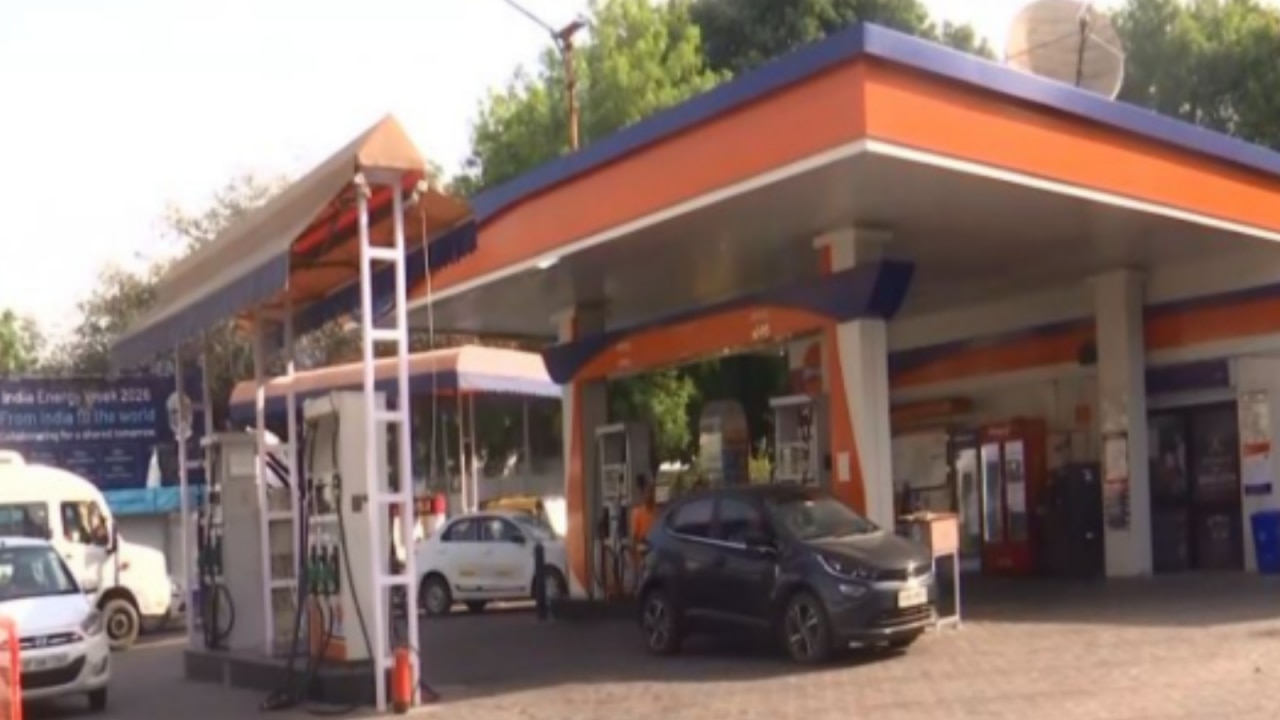
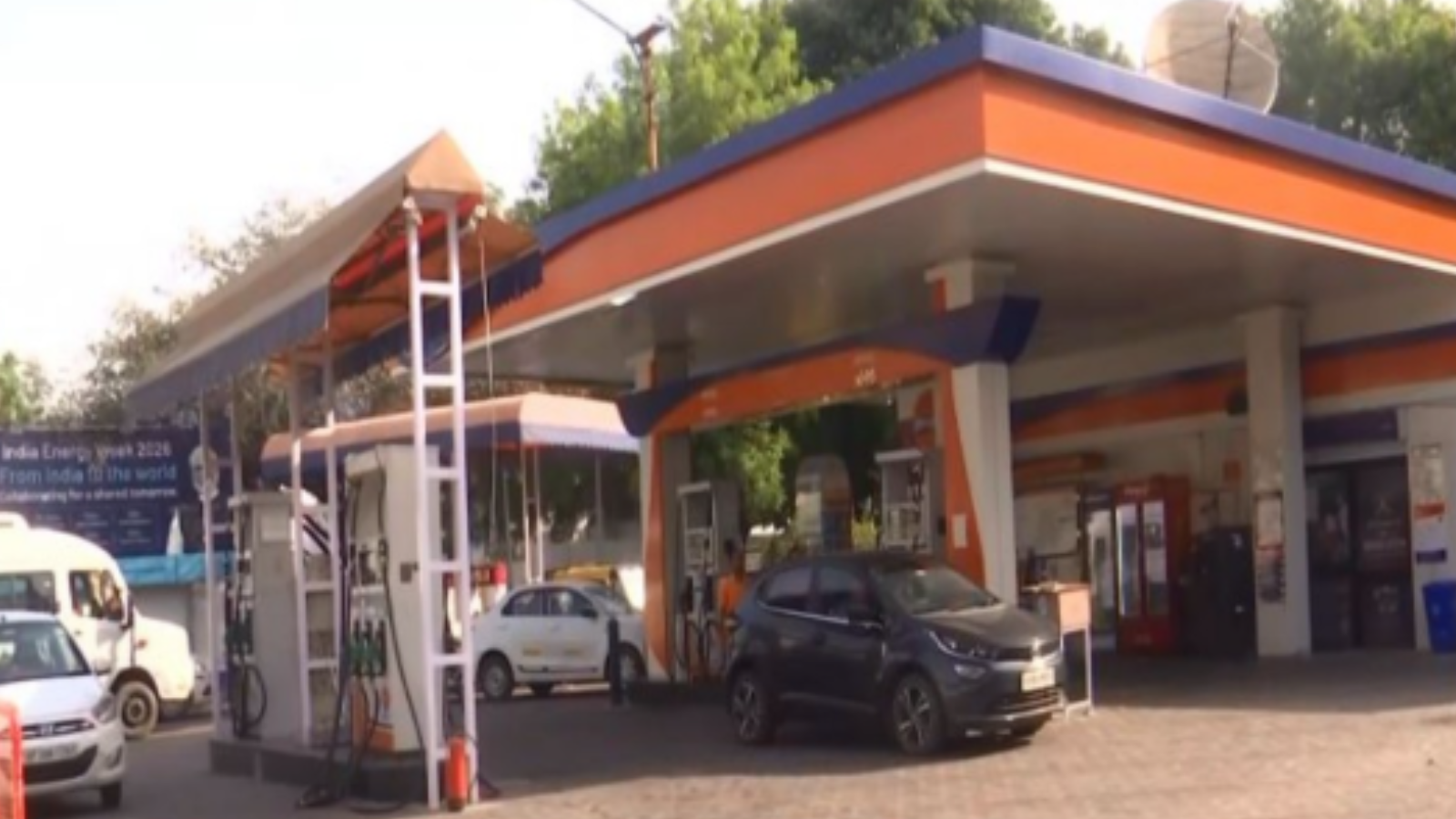
The All India Petroleum Dealers Association (AIPDA), representing the interests of a vast network of fuel retailers across the country, has been at the forefront of this advocacy. On September 16, 2023, AIPDA President Ajay Bansal penned a crucial letter to Finance Minister Nirmala Sitharaman, articulating the severe implications of the proposed UPI MDR for petrol pump operators. The association’s primary contention stems from the unique economic structure of the fuel retail business.
Unlike many other retail sectors where merchants have the flexibility to adjust product pricing to absorb transaction costs, petrol pump dealers operate within a tightly controlled margin framework. These margins are fixed by Oil Marketing Companies (OMCs) and are typically linked to the volume of fuel sold, not the value or number of individual transactions. Consequently, dealers cannot simply raise fuel prices to offset the MDR charges. Given that a significant number of fuel purchases, especially for vehicles filling a full tank, easily exceed the ₹2,000 threshold, the cumulative MDR burden could become substantial.
)
AIPDA argues that imposing even a flat ₹5 charge per transaction, or a percentage-based MDR, would directly eat into their already thin operating margins, making their businesses financially unviable. The association has sought either a complete exemption from MDR and related transaction charges on UPI payments at petrol pumps or, failing that, specific relief that insulates them from both percentage-based MDR and fixed transaction charges. This plea underscores a fundamental challenge: how to reconcile the drive for digital payments with the economic realities of specific industries.
NPCI’s New MDR Framework: A Closer Look
The National Payments Corporation of India (NPCI), the umbrella organization for retail payments and settlement systems in India, announced the revised MDR framework on September 15, 2023. This framework delineates charges for different types of UPI transactions, primarily focusing on Person-to-Merchant (P2M) payments.

Key aspects of the new MDR framework include:
- General P2M Transactions: A Merchant Discount Rate (MDR) of 0.4 per cent will be applicable on UPI P2M transactions exceeding ₹2,000. This charge is capped at ₹300 per transaction, meaning that for a transaction value of ₹75,000 or more, the MDR will not exceed ₹300.
- Sector-Specific MDR: Recognising the varied economics of different sectors, the NPCI has also introduced specific MDR rates for certain categories. For the fuel sector, the standard rate has been set at a flat ₹5 on qualifying transactions above ₹2,000. Other sectors, such as education and agriculture, also have their own specific MDR structures.
- Consumer Protection: Crucially, the NPCI reiterated that consumers will continue to transact free of cost using UPI. The MDR is a charge borne by the merchant, designed to cover the costs incurred by payment service providers (PSPs), acquiring banks, and other ecosystem participants for facilitating the transaction.
- Ecosystem Sustainability: The rationale behind introducing MDR is to foster the long-term sustainability and growth of the UPI ecosystem. These charges are intended to be distributed among the various stakeholders, including the issuing banks, acquiring banks, and payment application providers, compensating them for the infrastructure, technology, fraud prevention, and operational costs associated with processing digital payments. NPCI estimates that around 96 per cent of P2M transactions will remain unaffected by these charges, implying that the majority of UPI payments are below the ₹2,000 threshold.
The introduction of this framework represents a strategic move by NPCI to ensure that the rapid expansion of UPI can be supported by a viable business model for all its participants, reducing reliance on government subsidies for maintaining a ‘free’ payment infrastructure. However, the immediate challenge lies in addressing the legitimate concerns of merchants who find themselves on the receiving end of these new charges.
A Chronology of Engagement and Evolving Stances
The current standoff is not an isolated incident but rather the culmination of a broader debate surrounding the cost of digital payments in India.
)
Pre-MDR Era: UPI’s Free Ride
For several years, the Indian government actively promoted digital payments, particularly UPI and RuPay debit cards, by implementing a zero-MDR policy. This meant that merchants were not charged for accepting payments via these channels, a policy decision that significantly spurred their adoption across urban and rural areas. This government-backed subsidy model was instrumental in making UPI a ubiquitous payment method, allowing it to penetrate segments of the economy traditionally dominated by cash. The ‘free’ nature of UPI for both consumers and merchants played a critical role in overcoming initial resistance to digital transactions and fostering a culture of cashless payments. This period saw UPI grow from a nascent technology to a global benchmark for real-time payments, largely unburdened by transaction costs for merchants.
September 15, 2023: The MDR Notification
)
The landscape shifted dramatically on September 15, 2023, when the National Payments Corporation of India (NPCI) issued a circular outlining the new Merchant Discount Rate (MDR) framework. This announcement marked the official end of the universal zero-MDR policy for certain UPI transactions. The notification specified the charges, thresholds, and sector-specific rates, including the flat ₹5 for fuel outlets on transactions above ₹2,000. While the industry had long anticipated a move towards a sustainable revenue model for UPI, the specific implementation and its immediate implications for various sectors, especially those with thin margins, were keenly felt. The notification aimed to strike a balance between promoting digital payments and ensuring the commercial viability of the ecosystem, but it simultaneously triggered a wave of concern among affected merchant communities.
September 16, 2023: AIPDA’s Call to Action
Responding swiftly to the NPCI’s announcement, the All India Petroleum Dealers Association (AIPDA) wasted no time in articulating its concerns. On September 16, just a day after the NPCI circular, AIPDA President Ajay Bansal dispatched a detailed letter to Finance Minister Nirmala Sitharaman. The letter meticulously laid out the reasons why petrol pumps could not absorb the new MDR charges, primarily citing their fixed and razor-thin margins dictated by Oil Marketing Companies (OMCs). AIPDA specifically requested a complete exemption for petrol pumps from any MDR and related transaction charges on UPI payments above ₹2,000. As an alternative, they also sought specific relief for fuel outlets from both percentage-based MDR and fixed transaction charges if the broader MDR framework were to remain in place, proposing that the flat ₹5 charge was still too onerous for their business model. This communication initiated the formal process of seeking government intervention on the matter.
)
Subsequent Developments: Ministry Interventions and Dealer Protests
Following AIPDA’s representation, the issue quickly gained traction at various levels of government. Sources indicate that the Petroleum Ministry, recognizing the genuine hardship faced by dealers, formally forwarded AIPDA’s demand to the Finance Ministry for consideration. This inter-ministerial communication underscored the gravity of the situation and the potential disruption to fuel retail operations.
Subsequently, reports emerged that the Department of Financial Services (DFS) within the Finance Ministry began examining the representation seeking relief for petrol pumps. While no final decision has been taken, and sources have stated that no formal proposal seeking changes to the announced MDR charges has "as of now" reached them, the fact that the matter is under review at a higher level suggests serious consideration.
)
Meanwhile, the new MDR charges have not been met with passive acceptance on the ground. Petrol pump dealers in several states, including Madhya Pradesh and Punjab, have voiced strong opposition. They have announced their intention to stop accepting UPI payments above ₹2,000 from October 15, 2023, if their demands for exemption are not met. While they assured customers that alternative payment methods, such as credit/debit cards, would still be accepted, this move signals a potential return to less convenient payment options for many. Furthermore, traders in Indore observed a symbolic ‘No UPI Day’ to protest against the proposed imposition, with several shopkeepers displaying stickers outside their establishments. These protests highlight the widespread apprehension among merchants about the financial implications of the new MDR framework and serve as a clear indicator of the pressure building on the government to find an equitable solution.
Supporting Data and Economic Context
To fully grasp the magnitude of the current debate, it is essential to consider the underlying economic realities of both India’s digital payments landscape and its massive fuel retail sector.
UPI’s Monumental Growth
)
The success of UPI has been nothing short of extraordinary. India stands as a global leader in real-time digital payments, largely thanks to UPI’s robust, interoperable, and user-friendly platform.
- Transaction Volume: In August 2023 alone, UPI processed an astounding 10.72 billion transactions. This figure represents a staggering growth from just a few million transactions in its early years, underscoring its deep penetration into daily economic activity.
- Transaction Value: The value of these transactions reached ₹15.76 trillion (approximately $190 billion) in August 2023. This immense value demonstrates UPI’s crucial role in facilitating large-scale financial flows across the economy.
- User Base: With hundreds of millions of users, UPI has become a cornerstone of financial inclusion, enabling even those in remote areas to participate in the digital economy. Its ease of use and instant settlement capabilities have made it indispensable for both small and large transactions.
This monumental growth has been fostered by a conducive policy environment, including the earlier zero-MDR policy, which encouraged adoption without imposing direct costs on merchants. Any policy change that disrupts this delicate balance risks impacting the trajectory of digital adoption.
Fuel Sector Economics
The Indian fuel retail sector is a vital component of the economy, characterized by high transaction volumes and typically low margins.
)
- Market Size: India is one of the world’s largest consumers of petroleum products, with a vast network of over 85,000 petrol pumps serving millions of commuters and commercial vehicles daily. The sheer scale of operations means that even a small charge per transaction can aggregate into a significant financial burden.
- Average Transaction Values: While many smaller transactions occur, a substantial portion of fuel purchases, especially for full tanks in cars and commercial vehicles, routinely exceed the ₹2,000 threshold. For instance, filling a car with petrol at current prices often costs between ₹3,000 and ₹5,000, immediately falling within the MDR-applicable bracket.
- Thin Margins: Petrol pump dealers typically operate on pre-determined margins, often in the range of 2-3% of the fuel price, as dictated by Oil Marketing Companies (OMCs) like Indian Oil, BPCL, and HPCL. These margins cover operational costs, salaries, infrastructure maintenance, and a modest profit. Imposing an additional 0.4% MDR, or even a flat ₹5 per transaction, on top of these already thin margins can severely impact profitability. For example, a ₹5,000 transaction with a 0.4% MDR would incur a ₹20 charge, which is a significant portion of a 2-3% margin (₹100-₹150). The flat ₹5 charge, while seemingly small, can be disproportionately high for a slightly above ₹2,000 transaction.
- Comparison with Other Payment Methods: Historically, card payments also attracted MDR, which dealers often absorbed or were compensated for by OMCs. However, UPI’s rapid adoption, coupled with the previous zero-MDR policy, made it a preferred digital payment method for many. A shift back to cards or cash due to MDR on UPI would negate the progress made in digital adoption.
Global Parallels: MDR Practices Elsewhere
Globally, Merchant Discount Rates are a standard practice in the digital payments industry. Payment networks and banks typically charge MDR to cover the costs of transaction processing, fraud prevention, infrastructure maintenance, and innovation. However, the specific rates and regulatory frameworks vary significantly. In many developed economies, MDRs are higher than India’s proposed rates, but merchants often have more flexibility in pricing or are better integrated into the overall supply chain to absorb these costs. India’s unique model, where the government has actively subsidized digital payments to boost adoption, means that any introduction of MDR is met with greater scrutiny, especially in sectors with fixed price controls. The challenge is to find a model that supports the payment ecosystem without unduly burdening specific merchant categories that are critical to the economy.
The ‘No-MDR’ Policy’s Legacy and its Sustainability
)
The previous ‘zero-MDR’ policy for RuPay and UPI was a strategic decision by the government to accelerate digital payment adoption. It effectively socialized the cost of digital payments, with the government bearing the burden through subsidies to banks. While highly successful in achieving its objective, this model raised questions about long-term sustainability. Payment infrastructure, fraud detection systems, and continuous innovation require significant investment. The introduction of MDR is a step towards making the ecosystem self-sustaining, shifting the cost recovery from government subsidies to the merchants (and indirectly, potentially, to consumers through adjusted prices, though not possible for fuel). This policy pivot reflects a maturing digital payments market where the focus is shifting from pure adoption to sustainable growth and robust infrastructure development.
Official Responses and Deliberations
The government’s approach to the petrol pump dealers’ demand reflects a delicate balancing act between fostering a sustainable digital payment ecosystem and safeguarding the interests of a critical merchant segment.
Government’s Measured Approach
)
At the heart of the official response is the Department of Financial Services (DFS), under the Finance Ministry. According to government sources, the DFS is actively examining the representation put forth by the All India Petroleum Dealers Association (AIPDA) seeking relief for petrol pumps from the UPI MDR. This examination involves a detailed assessment of the financial implications for dealers, the potential impact on fuel supply chains, and the broader ramifications for digital payment adoption.
However, the government’s stance remains measured and cautious. Sources have indicated that "no final decision has been taken so far," and "no proposal seeking changes to the announced MDR charges has reached them ‘as of now’." This suggests that while the issue is being discussed, a formal modification to the NPCI framework is not yet on the table, indicating that the government is undertaking a thorough due diligence process before committing to any policy adjustments. The issue could be discussed at a "higher level," implying that inter-ministerial consultations and potentially discussions involving top economic policymakers are likely to occur before a definitive stance is adopted.
The government’s primary challenge is to balance the twin objectives of promoting a robust, self-sustaining digital payments infrastructure – which requires an MDR to fund its operations – with ensuring that essential services like fuel retail remain viable and accessible without passing undue burdens onto consumers or merchants. Any decision must also consider the political economy of such moves, especially given the public’s widespread reliance on UPI.
)
NPCI’s Perspective
The National Payments Corporation of India (NPCI), as the architect of the new MDR framework, maintains that its primary objective is to ensure the long-term viability and growth of the UPI ecosystem. The rationale is clear: providing a ‘free’ payment service for an indefinite period is unsustainable. Banks, payment service providers, and technology companies incur significant costs in maintaining the UPI infrastructure, processing transactions, preventing fraud, and investing in new features. The MDR is designed to compensate these participants, thereby incentivizing continued investment and innovation.
NPCI has consistently emphasized that the consumer will continue to transact free of cost. The MDR is a merchant-borne charge, and its distribution among ecosystem participants is crucial for creating a fair and sustainable revenue model. Furthermore, by capping the MDR at ₹300 per transaction and setting specific rates for certain sectors, NPCI aims to mitigate the impact on very high-value transactions and acknowledge the unique economics of different industries. From NPCI’s viewpoint, the framework is a necessary step for UPI to evolve from a government-subsidized utility to a commercially sustainable digital payment network.
)
Oil Marketing Companies (OMCs) Role
The Oil Marketing Companies (OMCs) – primarily Indian Oil Corporation, Bharat Petroleum Corporation Limited, and Hindustan Petroleum Corporation Limited – play a pivotal role in this discussion. As the entities that determine the fixed margins for petrol pump dealers, OMCs are central to the dealers’ financial viability. While the immediate demand for MDR exemption is directed at the Finance Ministry, OMCs could potentially be part of the solution.
Historically, OMCs have sometimes absorbed certain payment-related costs or adjusted dealer margins to compensate for new expenses. Their involvement in the discussions could lead to several outcomes:
)
- Margin Revision: OMCs might consider revising dealer margins to incorporate the new MDR costs, thereby indirectly absorbing the burden.
- Direct Compensation: They could explore mechanisms to directly compensate dealers for the MDR incurred on UPI transactions.
- Negotiation with Payment Providers: OMCs, given their significant transaction volumes, might also be in a position to negotiate more favorable MDR rates with payment service providers for their network of dealers.
Their active participation and willingness to collaborate with dealers and the government will be crucial in finding a comprehensive and equitable resolution that ensures both the profitability of fuel retail and the continued growth of digital payments.
Implications and The Road Ahead
The decision on UPI MDR exemption for petrol pumps carries far-reaching implications for various stakeholders and the broader digital economy.
For Petrol Pump Dealers
If the MDR is applied without any exemption or compensatory mechanism, petrol pump dealers face significant financial strain. Their already thin, fixed margins will be further eroded, potentially pushing many into losses. This could lead to:
)
- Reduced Digital Payment Acceptance: Dealers in states like Madhya Pradesh and Punjab have already threatened to stop accepting UPI payments above ₹2,000. If this trend spreads, it would force consumers to revert to cash or card payments, undermining the government’s push for a cashless society.
- Operational Inefficiencies: Managing multiple payment methods, especially if UPI acceptance becomes fragmented, could introduce operational complexities and slow down transaction times.
- Business Viability Concerns: For smaller, independent dealers, the cumulative MDR burden could seriously threaten their business viability, potentially leading to closures or reduced services.
For Consumers
While consumers are directly exempt from the MDR charges, they could face indirect consequences:
- Inconvenience: A reduction in UPI acceptance at petrol pumps would diminish the convenience that millions have come to expect. Many rely on UPI for quick and seamless fuel payments.
- Limited Payment Options: If dealers restrict UPI acceptance, consumers would have fewer payment choices, potentially necessitating a return to carrying more cash or relying solely on credit/debit cards.
- Potential for Indirect Costs: While unlikely for fuel due to fixed pricing, in other sectors where MDR is applied, merchants might eventually try to recover costs through subtle price adjustments, indirectly impacting consumers.
For the Digital Payments Ecosystem
)
The outcome of this deliberation will set a crucial precedent for the entire digital payments ecosystem in India:
- Trust and Adoption: Any disruption in UPI acceptance at such a high-frequency, essential service point could shake consumer and merchant confidence, potentially slowing down the pace of digital adoption in other sectors.
- Precedent for Other Sectors: If petrol pumps receive an exemption, it could open the floodgates for other sectors with thin margins (e.g., public transport, certain utilities) to seek similar exemptions, complicating the NPCI’s efforts to establish a sustainable MDR framework.
- Sustainability Model of UPI: The government’s decision will ultimately reflect its long-term vision for the sustainability of UPI. It must balance the need for ecosystem participants to recover costs with the imperative of widespread, affordable digital access.
- Government’s ‘Digital India’ Commitment: The seamless functioning of digital payments, especially UPI, is a cornerstone of the ‘Digital India’ initiative. Any policy that hinders its smooth operation at critical consumer touchpoints could be seen as a setback.
Policy Challenges and Future Outlook
The situation presents a complex policy challenge, demanding a nuanced solution that addresses multiple objectives.
)
- Balancing Innovation, Affordability, and Sustainability: The government must navigate the tricky terrain of fostering innovation (via a self-sustaining ecosystem), ensuring affordability for merchants, and maintaining the widespread adoption that has characterized UPI’s success.
- Need for a Comprehensive Policy Review: This issue highlights the need for a holistic review of payment policies, considering sector-specific economics and the broader impact on the economy.
- Potential Solutions: Several solutions could be explored:
- Government Subsidy: A temporary government subsidy for MDR at petrol pumps, similar to past practices, could bridge the gap while a long-term solution is developed.
- Tiered MDR: A more granular tiered MDR structure for different transaction values within the fuel sector could be considered.
- OMC Absorption: OMCs could be incentivized or mandated to absorb the MDR costs, perhaps by slightly adjusting their margins with the dealers.
- Technology Solutions: Exploring technological solutions that reduce the processing cost of transactions could also be a long-term goal.
- The Upcoming October 15 Deadline: The threat by dealers to stop accepting UPI payments above ₹2,000 from October 15 adds urgency to the government’s deliberations. A swift and equitable resolution is paramount to avoid potential disruption and inconvenience for millions of citizens.
In conclusion, the debate over UPI MDR exemption for petrol pumps encapsulates the intricate challenges of building a robust digital economy. While the drive for a self-sustaining payment ecosystem is understandable, the unique economics of certain sectors necessitates careful consideration and tailored solutions. The government’s decision in the coming days will not only determine the fate of petrol pump dealers but also chart a critical course for the future of India’s digital payments journey, balancing the imperatives of innovation, affordability, and widespread accessibility.
