

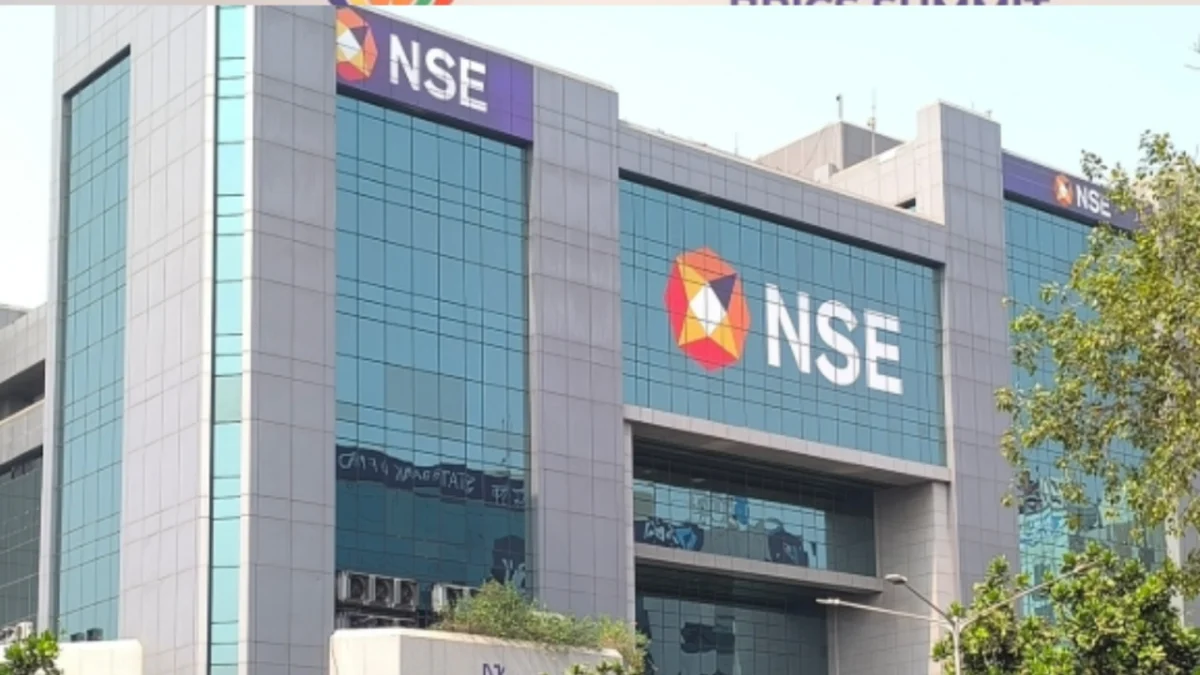
MUMBAI, India – September 17, 2026 – The Indian financial landscape is abuzz today as the National Stock Exchange of India (NSE), the nation’s premier stock exchange, officially opens its Initial Public Offering (IPO) for public subscription. This monumental event, anticipated for years, marks one of the largest public offerings in Indian history, with an implied market capitalisation post-issue soaring to an astounding ₹4,41,787.50 crore. Investors across the spectrum are keenly watching this offering, which promises to reshape the dynamics of India’s capital markets.
Main Facts: A Landmark Offering Unveiled
The NSE IPO, a pure offer for sale (OFS) by existing promoter, promoter group, and investor shareholders, aims to offload equity shares worth up to ₹22,491.60 crore. This means the company itself is not raising fresh capital, but rather providing liquidity to its long-standing shareholders. The price band for the offering has been set at ₹1,700–₹1,785 per equity share, with a minimum bid lot of 8 equity shares and multiples thereafter. For retail investors, this translates to a minimum investment of ₹14,280 at the higher end of the price band. The shares are slated for listing on its rival, BSE Limited, a common practice to avoid self-listing conflicts of interest.
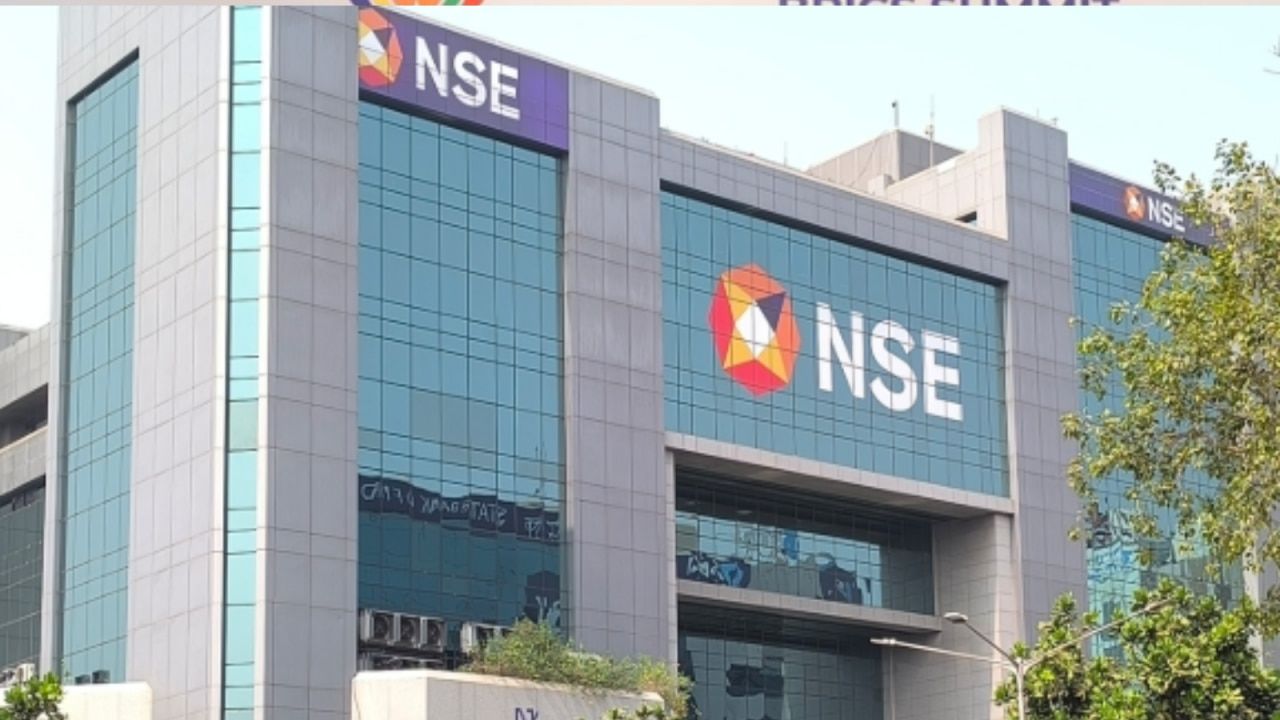
The sheer scale of the NSE IPO underscores its significance. As the backbone of India’s equity, derivative, and commodity markets, the NSE’s listing offers public investors a unique opportunity to own a piece of the country’s critical financial infrastructure. However, experts and market observers are quick to highlight that while the opportunity is substantial, it comes intertwined with a complex web of risks, primarily revolving around regulatory changes, market volatility, and a concentrated revenue model.
Chronology of the NSE IPO: Key Dates for Investors
For prospective investors, understanding the timeline of this high-profile IPO is crucial:
)
- Bid Opens: September 17, 2026 (Today)
- Bid Closes: September 21, 2026
- Basis of Allotment Finalisation: On or about September 22, 2026
- Initiation of Refunds/Unblocking of ASBA Accounts: On or about September 23, 2026
- Credit of Equity Shares to Demat Accounts: On or about September 23, 2026
- Listing and Trading Commencement: On or about September 24, 2026
This tightly packed schedule ensures a swift transition from subscription to trading, allowing investors to quickly ascertain the market’s reception to the NSE’s public debut.
Supporting Data: Unpacking NSE’s Valuation and Revenue Dynamics
The implied market capitalisation of ₹4.42 lakh crore places NSE among the most valuable entities in India, reflecting its dominant position in the financial ecosystem. This valuation is a testament to its extensive reach, technological prowess, and the sheer volume of transactions it facilitates daily.

NSE’s Business Model: The "Toll Booth" of Indian Finance
At its core, the National Stock Exchange operates much like a sophisticated "toll booth," as aptly described by Ratiraj Tibrewal, CEO at Choice Capital. It earns a small fee on virtually every transaction that passes through its platforms. This model means its business performance is driven more by the volume and velocity of trading activity rather than the direction of market movements (whether the market rises or falls).
)
NSE’s revenue streams are diverse but heavily skewed:
- Transaction Charges (78.6% of Operating Revenue in FY26): This is the behemoth of NSE’s income, generated from trading in equities, equity derivatives (futures and options), and other segments. In FY26, this segment alone accounted for ₹13,057 crore out of a total operating revenue of ₹16,601 crore. Notably, options trading contributed a staggering ₹9,997.5 crore, or 60.2% of the total operating revenue, highlighting a significant reliance on this particular segment.
- Listing Services: Fees charged to companies for listing their shares or other securities on the exchange.
- Data & Index Businesses: Revenue from selling market data, indices (like the Nifty 50), and licensing these for various financial products.
- Data Connectivity & Terminals: Charges for providing connectivity to market participants and access to trading terminals.
- Clearing and Settlement Services: Fees for the crucial post-trade functions ensuring transactions are completed smoothly and securely.
- Data-Centre Rack Charges: Income from providing physical infrastructure for market participants.
While non-transaction revenue showed a positive trend, increasing from 18% in FY24 to 21.4% in FY26, the overwhelming dependence on transaction charges, especially from the derivatives segment, remains a focal point for risk assessment.
)
A Look at Recent Financial Performance (FY26):
The latest financial data presented in the IPO prospectus reveals a notable shift. In FY26, NSE’s total revenue experienced a 3.1% decline, while its profit dropped by an even more significant 15.5%. This contraction, as will be discussed, is not merely an isolated event but is deeply intertwined with the evolving regulatory landscape.
)
Investor Category-wise Allocation:
The IPO structure ensures broad participation across different investor classes:
)
- Qualified Institutional Buyers (QIBs): 50% of the issue, amounting to 630.02 lakh shares worth ₹11,245.79 crore at the upper price band.
- Non-Institutional Investors (NIIs): 15% of the issue, totaling 189 lakh shares worth ₹3,373.74 crore. This category is further divided into NIB 1 (bids between ₹2 lakh and ₹10 lakh) with 63 lakh shares, and NIB 2 (bids above ₹10 lakh) with 126 lakh shares.
- Retail Investors: 35% of the issue, allocated 441.01 lakh shares worth ₹7,872.05 crore.
The total issue comprises 1,260.03 lakh shares, collectively valued at ₹22,491.57 crore, making it one of the largest OFS offerings in Indian corporate history.
Prominent Shareholders in the Offer for Sale:
)
The OFS mechanism allows existing shareholders to monetize their investments. Key institutional selling shareholders include prominent names such as SBI, SBI Capital Markets, Bank of Baroda, Canada Pension Plan Investment Board (CPPIB), MS Strategic, and Aranda Investments, alongside several state-owned insurers. Among individual shareholders, figures like Radhakishan Damani (holding approximately 1.58% or 3.908 crore shares), Sunil Kant Munjal (0.41%), Kris Gopalakrishnan (0.38%), Siddharth Balachandran, Dolly Khanna, and Raamdeo Agrawal are also participating. Their decision to offload stakes reflects a strategic move to unlock value from their long-term holdings in the exchange.
Official Responses and Expert Perspectives: Navigating the Risks
While the NSE’s market dominance and robust infrastructure present a compelling investment thesis, financial experts are urging caution, emphasizing that the risks extend far beyond mere valuation.
)
Piyush Jhunjhunwala of Stockify highlights the multifaceted nature of these risks: "Changes in the regulatory environment for derivatives, a potential decrease in activity on the stock exchange, and the dependency of NSE on income generated from transactions can significantly affect the company’s profitability." He points to the FY26 figures – a 3.1% revenue drop and a 15.5% profit decline – as tangible evidence of these sensitivities.
Jhunjhunwala also notes that while the IPO offers an invaluable opportunity for investors to engage with India’s core market infrastructure, a thorough understanding of NSE’s revenue concentration, its dependence on regulatory policies, and its valuation methodology is paramount before committing capital.
)
Regulatory Scrutiny and Its Impact:
AngelOne, a leading stockbroker, echoes these concerns, stating that NSE’s high reliance on transaction charges (78.65% in FY26), particularly from options and futures, makes its financial performance "highly sensitive to any decline in trading volumes due to regulatory tightening, higher Securities Transaction Tax (STT), macroeconomic downturns or operational/IT infrastructure disruptions."
)
Indeed, recent regulatory measures by the Securities and Exchange Board of India (SEBI) aimed at curbing speculative F&O trading have already had a tangible impact. These interventions contributed to a 4.2% year-on-year decline in transaction-charge revenue in FY26. SEBI’s mandate is to ensure market integrity and investor protection, and any future measures, however well-intentioned, could directly impinge on NSE’s primary revenue driver. This regulatory dependence introduces an inherent layer of uncertainty for investors.
The GMP Fallacy and Subscription Dynamics:
)
Ratiraj Tibrewal of Choice Capital cautions investors against placing undue reliance on the Grey Market Premium (GMP) as an indicator of post-listing performance. "GMP is unregulated, has barely any volume, and a few trades can move it," he warns. He cites the example of NSE’s unlisted shares trading around ₹2,400 last June, significantly above the IPO price of ₹1,785. Investors who might have bought at the higher unlisted price would face an immediate 25% paper loss, even before listing, underscoring the speculative and often misleading nature of GMP.
Regarding IPO subscription numbers, Tibrewal advises patience: "Investors should not conclude from the first day." While retail and High Net Worth Individual (HNI) investors often bid early, HNI bids can be withdrawn, and institutional investors (QIBs) typically place their bids on the final day. He suggests, "If you want one number, look at the QIB portion at close" for a more reliable gauge of institutional interest and confidence.
)
Implications: What the NSE IPO Means for Investors and the Indian Market
The NSE IPO carries significant implications, not just for the exchange itself and its new public shareholders, but for the broader Indian capital markets and the nation’s economic narrative.
1. For Investors: Opportunity and Due Diligence:
The IPO offers a rare chance to invest in a foundational piece of India’s financial infrastructure, an entity that benefits from the overall growth of the Indian economy and its increasing financialization. NSE’s market leadership, technological superiority, and robust regulatory framework are attractive attributes. However, investors must perform thorough due diligence, understanding the revenue concentration risks, the potential impact of regulatory changes, and the inherent volatility of market-dependent businesses. The 15.5% profit drop in FY26 serves as a stark reminder of these sensitivities. Diversification within one’s portfolio remains key.
)
2. For the Indian Capital Markets: Enhanced Transparency and Liquidity:
The listing of NSE itself is a landmark event, bringing one of the most critical market institutions into the public domain. This move inherently promotes greater transparency and corporate governance standards within the exchange. It also provides an additional avenue for investment, potentially attracting more domestic and international capital into India’s listed space. The successful listing of NSE could also pave the way for other major financial infrastructure players to consider public offerings in the future, deepening the market’s breadth.
3. Future Growth Drivers for NSE:
Despite the current challenges, NSE possesses several potential growth levers. These include:
)
- Product Innovation: Introducing new financial instruments and derivatives to cater to evolving investor needs.
- Technology Advancement: Continuous investment in cutting-edge trading technology, AI, and potentially blockchain for settlement could enhance efficiency and security, attracting more participants.
- Global Linkages: Expanding international collaborations and attracting foreign investors by offering access to Indian markets.
- Non-transactional Revenue Expansion: Diversifying income streams further into data analytics, consulting, and other financial services to reduce reliance on trading volumes.
- Market Penetration: Tapping into India’s vast untapped retail investor base through financial literacy initiatives and simplified access.
4. Regulatory Environment and Market Evolution:
The IPO underscores the dynamic interplay between market operations and regulatory oversight. As India’s capital markets mature, SEBI’s role in balancing innovation with investor protection will continue to be pivotal. Investors in NSE will, therefore, be indirectly investing in the evolving regulatory philosophy governing India’s financial ecosystem. Any future reforms or tightening of norms in derivatives, STT, or market timings could directly influence NSE’s profitability.
5. Symbol of India’s Economic Prowess:
The successful listing of an exchange valued at over ₹4.4 lakh crore is a powerful statement about the scale and sophistication of India’s economy. It reflects the nation’s growing stature as a global financial hub and its robust capital markets, which are essential for funding economic growth and facilitating wealth creation.
)
In conclusion, the National Stock Exchange of India’s IPO is more than just a public offering; it is a significant milestone for India’s financial journey. While it presents an unparalleled opportunity to invest in a vital market utility, prospective investors must approach it with a clear understanding of its business model, its unique set of risks, and its potential for future growth within a dynamic regulatory landscape. The coming days will reveal the market’s definitive verdict on this historic offering.
