

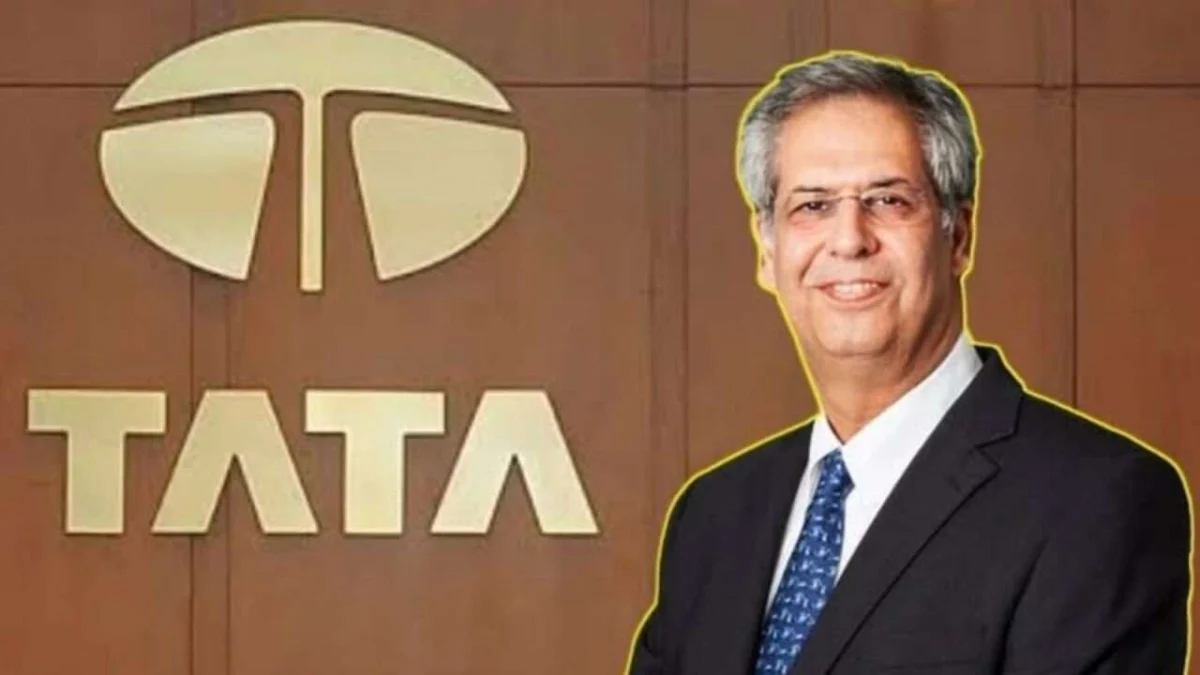
Mumbai, India – In a significant move poised to reshape the foundational structure of one of India’s oldest and most revered conglomerates, Tata Trusts Chairman Noel N Tata has formally presented a proposal to the Tata Sons Board. The ambitious plan aims to inject at least Rs 25,000 crore of liquidity into the Shapoorji Pallonji (SP) Group through the strategic monetisation of a portion of its long-held shareholding in Tata Sons. This proposal, discussed at a recent Tata Sons Board meeting, signals a concerted effort to bring a definitive resolution to a protracted corporate saga while crucially preserving the unlisted status of Tata Sons, the primary holding company of the vast Tata Group.
Executive Summary: A Pivotal Proposal for Stability and Succession
The core of Noel Tata’s proposal, stemming from earlier discussions involving himself, Tata Sons Chairman N Chandrasekaran, and Shapoor Mistry of the SP Group, outlines a meticulously structured transaction. It envisages the acquisition of a significant stake in Tata Sons from Sterling Investments Corporation Private Limited (SICPL) and Cyrus Investments Private Limited (CIPL), entities controlled by the SP Group. The gross consideration for this transaction is pegged at a minimum of Rs 25,000 crore, with the valuation determined in strict accordance with Rule 11UA of the Income Tax Rules 1962. The proposed buyout is designed to unfold in two distinct tranches over an 18-month period, offering a structured exit and much-needed liquidity to the SP Group.
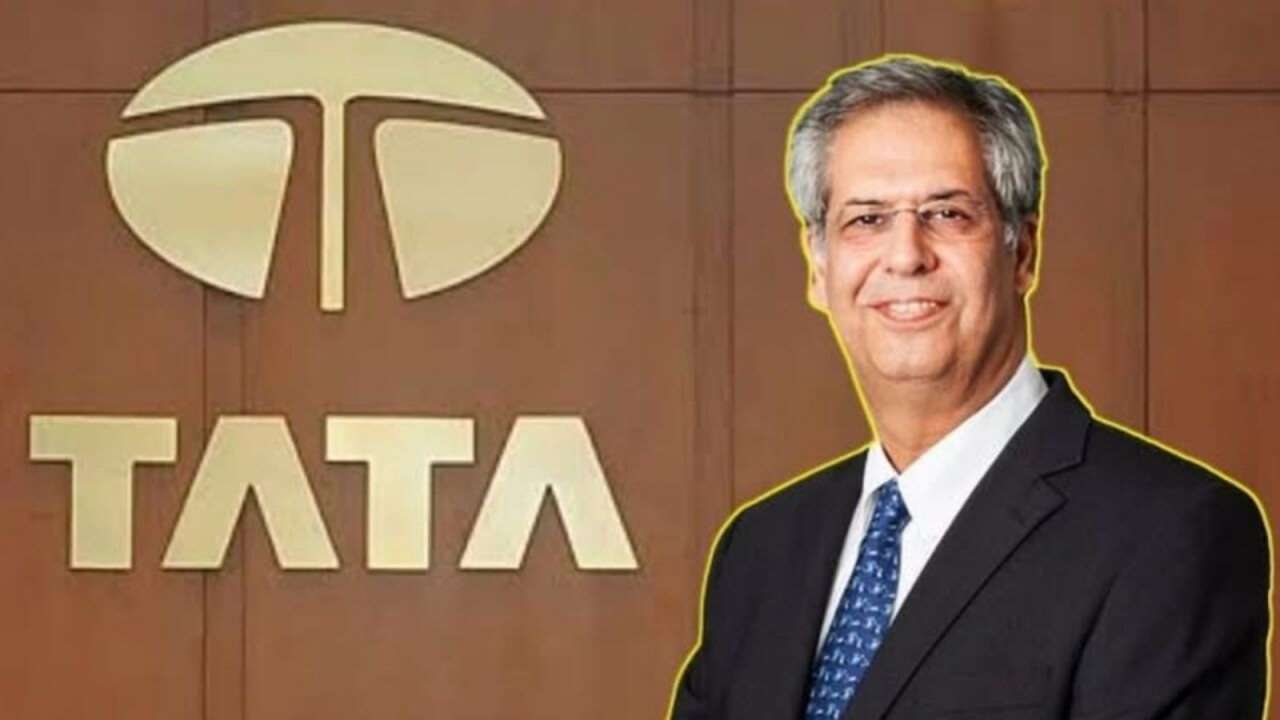
Crucially, this initiative is framed by Tata Trusts as a vital component of its overarching strategy to provide a "fair and equitable solution" to the SP Group concerning its substantial, albeit minority, holdings in Tata Sons. With an estimated 18.37% stake, the SP Group has been a significant, yet often contentious, shareholder. The proposal also implicitly underscores Tata Trusts’ unwavering commitment to maintaining Tata Sons as an unlisted entity, a strategic decision believed to be fundamental to the long-term vision and philanthropic ethos of the Tata Group.
The Core of the Proposal: Unpacking the Financials and Mechanics
Noel Tata’s proposal is not merely a financial transaction; it represents a carefully engineered strategy designed to address multiple complex facets of the Tata-SP relationship and the future of Tata Sons.
)
A Significant Liquidity Infusion: The Rs 25,000 Crore Offer
At the heart of the proposal is the commitment to provide a minimum of Rs 25,000 crore in liquidity to the SP Group. This substantial sum reflects the perceived value of the SP Group’s stake and the imperative to offer a dignified and fair exit. The magnitude of this figure highlights the significant financial engineering and strategic planning required to execute such a large-scale transaction within the Indian corporate landscape. For the SP Group, which has faced its own financial pressures, this liquidity infusion would be a transformative event, enabling them to re-strategize their investments and reduce their leverage.
Valuation and Transaction Structure: Navigating Regulatory Frameworks
The proposed transaction is meticulously structured to adhere to prevailing regulatory and legal frameworks. The valuation of the Tata Sons shares held by SICPL and CIPL is to be determined "in accordance with Rule 11UA of the Income Tax Rules 1962." This specific rule pertains to the valuation of unquoted equity shares, ensuring that the transaction is conducted at a fair market value as prescribed by tax authorities, thereby mitigating potential disputes regarding undervaluation or overvaluation for tax purposes.

Furthermore, the structure suggested by the SP Group itself involves Tata Sons initiating a "selective capital reduction process through the National Company Law Tribunal (NCLT)." A capital reduction is a formal process where a company reduces its share capital, often by buying back shares from specific shareholders. A selective capital reduction, in this context, implies that the shares would be bought back specifically from the SP Group entities. This NCLT-approved process provides a robust legal framework for the transaction, ensuring transparency and adherence to corporate law, thereby minimizing future legal challenges. The execution in "two tranches over an 18-month period" offers flexibility and allows for the methodical arrangement of funds and completion of regulatory formalities, rather than a single, immediate payment.
Strategic Funding Avenues: A Multi-pronged Approach
Recognising the substantial capital required, Noel Tata has proactively suggested several potential avenues through which Tata Sons could raise the necessary funds for the proposed transaction. These demonstrate a comprehensive understanding of the group’s financial capabilities and strategic assets:
)
- Utilising Internal Cash Flows: Leveraging the significant operational cash generation of the diverse Tata Group companies. This represents a prudent use of existing resources without external borrowings.
- Selling Listed Shares: Monetising stakes in some of the publicly listed Tata Group companies. This strategy would unlock value from mature investments and redirect capital towards strategic priorities like this buyout.
- Bringing an Investor into Newer Businesses: Attracting external investment into some of the group’s emerging or high-growth ventures. This could involve strategic partnerships or private equity infusions into segments like Tata Digital, renewable energy initiatives, or other future-focused businesses.
- Listing Some Businesses Through an Offer for Sale (OFS): Taking certain unlisted subsidiaries public via an IPO, where existing shareholders (Tata Sons) sell part of their stake. This would not only generate capital but also unlock market value for these entities, potentially enhancing their growth trajectory.
These proposed funding mechanisms underscore the Tata Group’s financial prowess and its ability to orchestrate complex transactions through a combination of internal resources and strategic capital market operations.
The SP Group’s Holdings: A Minority with Significant Historical Weight
The SP Group’s stake, held primarily through Sterling Investments Corporation Private Limited and Cyrus Investments Private Limited, amounts to an estimated 18.37% in Tata Sons. While a minority stake, it is the largest single non-Tata Trusts holding in the unlisted parent company. This stake has been held by the Mistry family for over seven decades, representing a deep historical connection that, until recent years, was largely harmonious. The decision to exit marks the culmination of a period of significant corporate upheaval and legal contention.
)
A Chronology of Disagreement: The Tata-Mistry Saga
The current proposal cannot be fully understood without delving into the turbulent history that has characterised the relationship between the Tata Group and the SP Group, particularly in the last decade.
The Ousting of Cyrus Mistry: A Watershed Moment in 2016
The long-standing relationship between the Tata Group and the Mistry family, which spans generations, took a dramatic turn in October 2016. Cyrus Mistry, who had served as the Chairman of Tata Sons for four years, was abruptly removed from his position. This decision, spearheaded by Tata Trusts and its Chairman Emeritus Ratan Tata, cited performance issues and a divergence in strategic vision. Mistry’s removal sent shockwaves through the Indian corporate world, challenging the traditional image of quiet stability associated with the Tata Group.
)
Legal Battles and Corporate Feuds: A Protracted War in the Courts
Mistry’s ousting ignited a bitter and protracted legal battle. The SP Group, through its investment vehicles, alleged mismanagement and oppression of minority shareholders by Tata Sons and Tata Trusts. The case wound its way through various judicial forums:
- National Company Law Tribunal (NCLT): Initially, the NCLT dismissed Mistry’s petitions, asserting that the SP Group did not meet the eligibility criteria for minority shareholder oppression claims.
- National Company Law Appellate Tribunal (NCLAT): In a significant reversal, the NCLAT ruled in favour of Mistry in December 2019, reinstating him as Chairman of Tata Sons and declaring the appointment of N Chandrasekaran as illegal. The NCLAT also called for Tata Sons to convert to a public company, a point of immense contention.
- Supreme Court of India: Tata Sons and Tata Trusts challenged the NCLAT ruling in the Supreme Court. In March 2021, the apex court delivered a decisive verdict, setting aside the NCLAT order and upholding Mistry’s removal. The Supreme Court affirmed the right of the Tata Group to manage its affairs and rejected claims of oppression of minority shareholders.
Despite the Supreme Court’s verdict providing legal closure, the underlying shareholder dispute remained. The Mistry family continued to hold its significant stake, often expressing a desire for a fair valuation and exit, particularly given their need for liquidity following the passing of Cyrus Mistry and his father Pallonji Mistry.
)
The Unlisted Imperative: Tata Trusts’ Stance
A consistent thread throughout this saga, and explicitly stated in the current news, is Tata Trusts’ firm belief that Tata Sons should remain unlisted. Tata Trusts, which holds approximately 66% of Tata Sons, uses the dividends from this stake to fund its extensive philanthropic activities across India. Maintaining Tata Sons as a private, unlisted entity is seen as crucial for several reasons:
- Strategic Flexibility: It allows Tata Sons to make long-term strategic decisions without the constant pressure of quarterly earnings or the scrutiny of public market fluctuations. This is particularly important for an entity that acts as a perpetual endowment for charitable causes.
- Protection of Philanthropic Mission: An unlisted status provides a buffer, insulating the Trusts’ philanthropic mission from market volatility and potential activist shareholder pressures that could divert focus from its core purpose.
- Governance and Control: It preserves the unique governance structure and control mechanism, allowing the Trusts to steer the conglomerate in line with its founding principles and ethical framework, rather than purely profit maximisation.
The original article highlights that Tata Trusts "has asked the company to explore alternatives to a public listing," underscoring their proactive stance in ensuring this status is maintained.
)
RBI’s Intervention and Renewed Focus: The Catalyst for Resolution
The urgency for a resolution has been further amplified by recent regulatory developments. The article mentions the "RBI’s September 11 communication rejecting the company’s request to surrender its registration." This refers to Tata Sons’ status as a Core Investment Company (CIC) under RBI regulations. CICs are subject to specific rules regarding capital adequacy, leverage, and public shareholding.
Tata Sons had reportedly sought to surrender its CIC registration, possibly to simplify its regulatory obligations or avoid certain compliance requirements. The RBI’s rejection of this request implied that Tata Sons would need to continue adhering to CIC norms, which might include eventually listing its shares if it exceeds certain asset thresholds or leverage ratios without sufficient public float. This regulatory development effectively put renewed pressure on Tata Sons to either comply with CIC norms (which could entail listing) or find a structured way to manage its shareholding to avoid such an outcome, making the resolution of the SP Group’s stake even more critical.
)
Official Stances and Governance Philosophy
The proposal by Noel Tata is not just a commercial transaction but also a reflection of the Tata Group’s deeply ingrained governance principles.
Tata Trusts’ Vision for Resolution: A "Fair and Equitable Solution"
Tata Trusts has consistently maintained that its efforts are aimed at providing a "fair and equitable solution" to the SP Group regarding its holdings. This phrasing is critical, suggesting a desire to resolve the dispute honourably and justly, despite the bitter legal battles of the past. It underscores a commitment to finding common ground and allowing the SP Group a graceful exit, rather than prolonging a contentious relationship. This approach aligns with the Tata Group’s reputation for ethical conduct and long-term stakeholder value.
)
The Board’s Deliberation and Next Steps: A Structured Approach
The fact that the proposal was formally placed before the Tata Sons Board and discussed indicates a structured and institutional approach. The Board’s role is crucial in evaluating the financial, legal, and strategic implications of such a significant transaction. Noel Tata’s request to the Board to "initiate the necessary NCLT process and authorise the operating team of Tata Sons and Tata Trusts to continue discussions with the SP Group and bankers before reporting back to the Board" highlights a phased and diligent process. It ensures that all due diligence is performed, financial arrangements are solidified, and legal procedures are meticulously followed before final approval. This phased approach also allows for negotiations on the finer points of the transaction with the SP Group and financial institutions.
Upholding the "Gold Standard of Governance": Separation of Person from Process
The article pointedly mentions that "this separation of the person from the process lies at the core of the ‘Gold Standard Of Governance’: giving respect to individuals and equal regard to institutional rules." This statement encapsulates a fundamental principle of Tata’s governance philosophy. It means that while individuals like Noel Tata, N Chandrasekaran, and Shapoor Mistry are key players in the discussions, the ultimate decision-making and execution must adhere to established institutional norms, legal frameworks, and corporate governance best practices.
)
- Respect for Individuals: Acknowledging the historical relationship and the SP Group’s legitimate claim for a fair exit.
- Regard for Institutional Rules: Ensuring that the transaction is compliant with company law (NCLT process), tax regulations (Rule 11UA), and the overarching principles of fair dealing and transparency.
This commitment to the "Gold Standard Of Governance" aims to ensure that even in the most complex and sensitive corporate disputes, decisions are made not out of personal animosity or expediency, but within a robust framework of institutional integrity and ethical conduct.
Broader Implications: Reshaping India’s Corporate Landscape
The successful execution of this proposal would have far-reaching implications, not just for the Tata Group and the SP Group, but for the broader Indian corporate landscape.
)
Securing Tata Sons’ Unlisted Future: A Strategic Imperative
The primary strategic implication is the firm establishment of Tata Sons’ unlisted status. By buying out the SP Group’s minority stake, Tata Trusts would consolidate its control over the parent company, further insulating it from the pressures of public markets. This move aligns with the Trusts’ long-term vision of operating Tata Sons as a perpetual holding company dedicated to supporting its philanthropic objectives, free from the short-term demands often associated with listed entities. This strategic clarity will enable Tata Sons to focus on its long-term investment horizons, innovation, and social responsibilities without undue external influence.
A Definitive End to a Protracted Dispute: Restoring Harmony
The resolution of the SP Group’s stake would mark a definitive end to one of India’s most high-profile and acrimonious corporate battles. For over seven years, the dispute cast a shadow over the Tata Group’s image and consumed significant management and legal resources. A clean exit for the SP Group would allow both conglomerates to move forward, focusing on their respective business strategies without the distraction of ongoing litigation or shareholder contention. This would restore a sense of harmony and stability within the Tata ecosystem.
)
Financial and Market Ramifications: A Testament to Resilience
The sheer scale of the Rs 25,000 crore transaction will be closely watched by financial markets. While the funding avenues suggested are robust, the execution will require careful financial planning. The potential sale of listed shares or IPOs of subsidiaries could create market activity and unlock value, but also require precise timing and execution to maximise returns. The successful completion would serve as a testament to the Tata Group’s financial resilience and its ability to orchestrate large-scale strategic maneuvers. It could also influence valuations for other unlisted entities in India, particularly those with complex shareholder structures.
Precedent for Corporate Governance: Lessons for Conglomerates
This resolution could set a significant precedent for corporate governance practices in India, especially for large, family-controlled conglomerates with minority shareholders. It demonstrates a path towards resolving deep-seated shareholder disputes through structured negotiations, adherence to legal frameworks (like NCLT processes and tax rules), and a commitment to fair dealing. The emphasis on the "Gold Standard Of Governance" could serve as a valuable case study for other Indian businesses grappling with similar challenges, highlighting the importance of institutional integrity over personal differences.
)
The Road Ahead: Implementation and Oversight
The proposal, while detailed, is still in its initial stages of board approval and negotiation. The journey from proposal to completion will involve several critical steps:
Navigating Regulatory and Legal Hurdles
The NCLT process for selective capital reduction is a formal legal procedure that requires due adherence to company law, creditor protection, and shareholder rights. The valuation under Rule 11UA will also undergo scrutiny to ensure compliance with income tax regulations. Furthermore, any fundraising activities, such as an IPO or bringing in external investors, will require their own set of regulatory approvals from SEBI (Securities and Exchange Board of India) and other relevant authorities. The operating teams of Tata Sons and Tata Trusts, along with their legal and financial advisors, will have to meticulously navigate these complexities.
)
Long-Term Stability for the Tata Empire
Ultimately, the successful execution of this proposal aims to cement the long-term stability and strategic direction of the Tata Group. By resolving the SP Group’s exit and reinforcing Tata Sons’ unlisted status, the conglomerate can continue to pursue its vision of nation-building, innovation, and philanthropic impact, unencumbered by internal shareholder conflicts. This move is a strategic fortification of the Tata empire, ensuring its foundational strength for generations to come.
Conclusion
Noel Tata’s proposal for a Rs 25,000 crore buyout of the SP Group’s stake in Tata Sons represents a pivotal moment in Indian corporate history. It is a meticulously crafted plan designed to offer a fair and equitable solution to a long-standing dispute, secure the strategic unlisted status of Tata Sons, and uphold the highest standards of corporate governance. As the Tata Sons Board deliberates and the operating teams engage in further discussions, the corporate world will keenly watch the unfolding of this landmark transaction, which promises to usher in a new era of stability and focused growth for one of India’s most iconic business houses.
