

The landscape of the Indian automotive market has undergone a seismic shift over the last decade. The relentless ascent of the Sport Utility Vehicle (SUV) has claimed many victims, most notably the classic D-segment executive sedan. However, Skoda Auto is preparing to challenge the prevailing narrative. With the announcement of the fourth-generation Superb’s impending return to Indian shores, the Czech automaker is not merely launching a car; it is reasserting the relevance of the "notchback" philosophy and, more provocatively, the enduring appeal of the diesel engine.
As the flagship of the Skoda range, the Superb has always occupied a unique niche—offering the dimensions and luxury of a car two segments above at a price point that undercuts the German "Big Three." The latest iteration aims to refine this formula, blending traditional luxury with contemporary technology and a drivetrain strategy that defies current industry trends.
Main Facts: The Flagship Reimagined
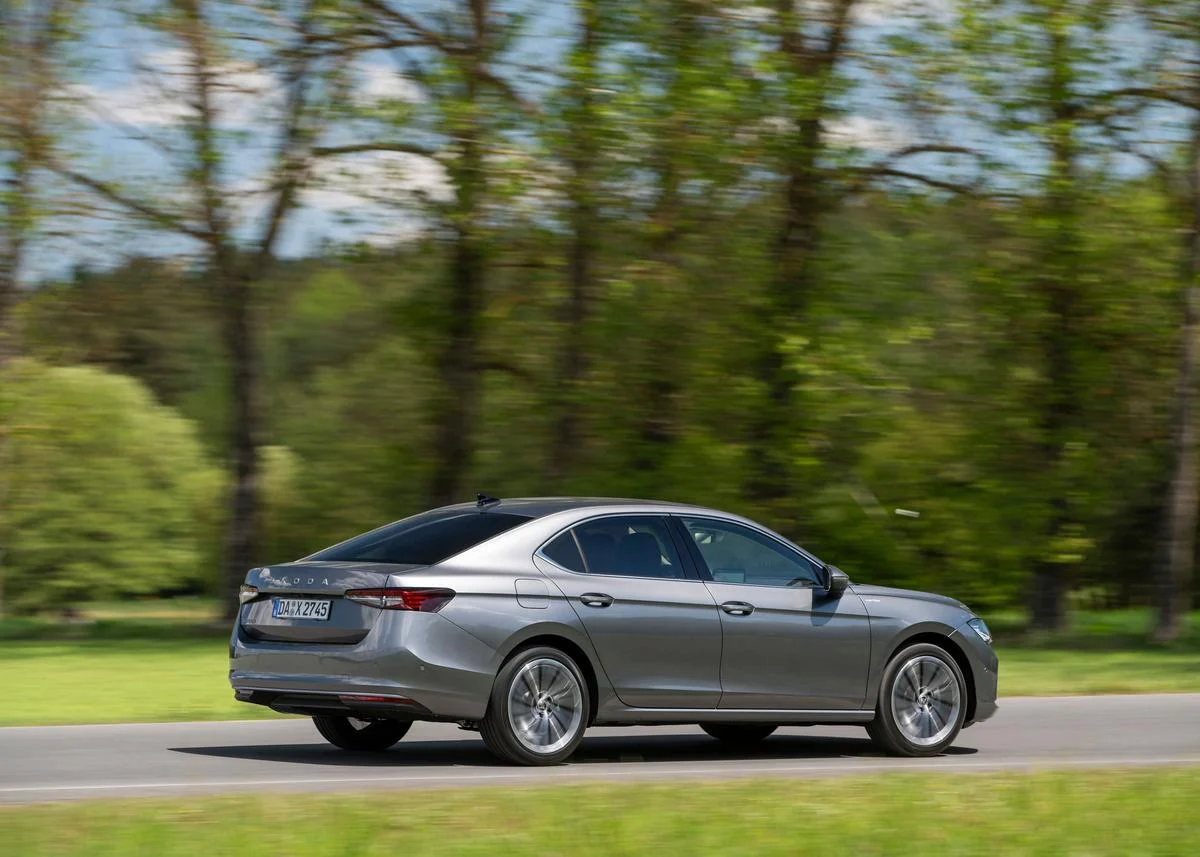
The fourth-generation Skoda Superb is set to arrive in India as a fully imported unit (CBU), specifically in the range-topping Laurin & Klement (L&K) trim. While the global market has seen various iterations of the Superb, the India-spec model focuses on the notchback design—a silhouette that looks like a traditional sedan but features a tailgate that opens with the rear glass, offering hatchback-like utility.
Technical and Design Highlights:
- Drivetrain: A 2.0-litre TDI four-cylinder diesel engine.
- Performance: Approximately 150hp and 360Nm of torque.
- Transmission: 7-speed DSG (Dual-Clutch) automatic gearbox.
- Platform: An evolved version of the MQB (Modular Transverse Matrix) platform.
- Key Features: Dynamic Chassis Control (DCC), Progressive Dynamic Steering, and a high-resolution digital cockpit.
- Market Positioning: Expected to bridge the gap between the Skoda Octavia and entry-level luxury offerings from Audi, BMW, and Mercedes-Benz.
The new Superb is a masterclass in understated elegance. Skoda’s design language has evolved from the sharp, crystalline edges of the third generation to a more "chiselled" and aerodynamic form. The car’s proportions are handled with surgical precision; despite its considerable length and wheelbase, the contoured surfacing and sharply defined character lines disguise its bulk, giving it a sleek, athletic stance.

Chronology: The Evolution of a Legend
To understand the significance of the fourth-generation Superb, one must look at its journey in the Indian context, which spans over two decades of automotive history.
- The Introduction (2004): The first-generation Superb arrived in India, essentially a long-wheelbase version of the Volkswagen Passat. It immediately gained a reputation for "limousine-grade" legroom, a trait that would become its calling card.
- The Innovation (2009): The second-generation model introduced the "Twin-door" boot, allowing it to function as both a sedan and a notchback. This era also saw the introduction of the 2.0 TDI and the 1.8 TSI engines, cementing its status among enthusiasts and corporate executives alike.
- The Sophistication (2016): The third-generation Superb moved to the MQB platform. It was sharper, lighter, and more premium, successfully competing with the Mercedes-Benz C-Class and BMW 3 Series in terms of cabin space and ride quality.
- The Hiatus (2023): Following the implementation of BS6 Phase 2 (RDE) norms, the Superb was temporarily discontinued in India as Skoda restructured its lineup to focus on the "India 2.0" project (Kushaq and Slavia).
- The Resurrection (Expected H1 2027): The fourth generation is slated for a 2027 arrival. This gap highlights Skoda’s "wait-and-watch" approach, timing the re-entry to coincide with potential trade benefits and a maturing market that once again craves exclusivity.
Supporting Data: The Case for Diesel and the Notchback Advantage
Skoda’s decision to bring back the 2.0 TDI diesel engine is a calculated move backed by market data. While the sub-₹20 lakh segment has seen a massive shift toward petrol and electric, the luxury and executive segments still show a high affinity for diesel.
The Diesel Factor
In India, the "executive" buyer is often a long-distance traveler. Data from the premium sedan segment suggests that nearly 40% of buyers in this price bracket still prefer diesel due to its superior "tank range" and highway cruising efficiency. The 2.0 TDI engine is a proven workhorse of the Volkswagen Group, known for its low-end torque (360Nm) which allows for effortless overtaking maneuvers without the frequent gear hunts often associated with small-displacement turbocharged petrol engines.
The Practicality of the Notchback
The notchback design provides a significant edge over conventional three-box sedans. In a traditional sedan, the boot opening is restricted by the rear parcel shelf. In the Superb, the entire rear section lifts, providing a massive aperture.

- Boot Capacity: Historically, the Superb has offered over 600 liters of luggage space.
- Utility: This design allows for the transport of bulky items that would typically require an SUV, without sacrificing the aerodynamic efficiency and low center of gravity of a sedan.
Dynamics and Ride Quality
The inclusion of Dynamic Chassis Control (DCC) is a major technical addition for the India-spec car. DCC allows the driver to adjust the dampers between ‘Comfort’, ‘Normal’, and ‘Sport’ modes. In a country with varying road qualities, the ability to soften the suspension for broken city roads and stiffen it for high-speed highway runs provides a level of versatility rarely seen in this price bracket.
Official Context and Strategic Positioning
Skoda’s strategy for the Superb is distinct from its high-volume models like the Slavia or Kushaq. The Superb is intended to be a "halo product." By importing it as a CBU (Completely Built Unit) in the L&K trim, Skoda is targeting a clientele that values European build quality and exclusivity over mass-market appeal.
The FTA Factor
A critical component of the Superb’s pricing strategy is the ongoing negotiation of the India-EU Free Trade Agreement (FTA). Currently, CBU imports in India are subject to high customs duties, often exceeding 60-100% depending on the vehicle’s value and engine size.
- The Goal: If the FTA is ratified or if specific quotas for European cars are established, the import duty could drop significantly.
- The Price Point: Skoda is eyeing a competitive price of approximately ₹50 lakh (ex-showroom). Should the FTA benefits kick in, this would allow the Superb to offer a value proposition that is virtually unbeatable by local luxury competitors who are forced to price their entry-level sedans closer to ₹60–70 lakh.
Interior Philosophy
Internally, Skoda officials have emphasized a "human-centric" design. While the new Superb features a large central touchscreen and digital instrumentation, it retains physical controls for essential functions. This is a direct response to customer feedback suggesting that "all-touch" interiors can be distracting and cumbersome to use while driving. The use of sustainable materials and the "Simply Clever" features—such as the umbrella in the door and the parking ticket clip—remain integral to the brand’s identity.

Implications: A Disruptor in an SUV-Heavy Market
The return of the Skoda Superb has several far-reaching implications for the Indian automotive industry:
1. The Revival of the Executive Sedan
For years, the narrative has been that "the sedan is dead." The Superb’s return challenges this. If it succeeds, it could encourage other manufacturers to reconsider their flagship sedans (such as the Volkswagen Passat or the Toyota Camry’s next-gen update) for the Indian market. It provides an alternative for the "chauffeur-driven" buyer who finds the high step-in height of an SUV cumbersome.
2. The "Diesel Renaissance" in the Premium Space
By opting for a TDI engine, Skoda is positioning itself as the go-to brand for high-mileage luxury. As many brands abandon diesel, Skoda captures a loyalist base that is not yet ready to transition to the infrastructure challenges of EVs or the lower fuel economy of petrol-only luxury cars.
3. Brand Elevation
The Superb acts as an aspirational anchor. A customer buying a Slavia today does so with the knowledge that they are part of a brand that produces a car as sophisticated as the Superb. This "trickle-down" prestige is vital for maintaining brand equity in a competitive market.

4. A Test Case for the India-EU FTA
The Superb will be one of the most high-profile beneficiaries of a potential trade deal. Its commercial success will be closely watched by other European manufacturers (like Peugeot or Citroen’s premium wings) as a barometer for the viability of importing high-end European models into India.
Conclusion: The Right Move at the Right Time?
The fourth-generation Skoda Superb is more than just a car; it is a statement of intent. It prioritizes the core virtues of the brand: immense space, understated luxury, and clever engineering. While the move to bring back a diesel sedan in an era of electrification and SUVs may seem counter-intuitive, it is precisely this contrarian approach that may lead to its success.
The Superb offers a "best of both worlds" scenario—the prestige and comfort of a luxury limousine with the practicality of a family hatchback. If Skoda can navigate the complexities of import duties and hit the target price of ₹50 lakh, the Superb will not just return to the market; it will likely reclaim its throne as the undisputed king of the executive segment. For the buyer who values substance over flash, the wait until 2027 may prove to be well worth it.
