

India’s burgeoning bar scene is reaching new heights, with establishments not only crafting inventive cocktails that have earned them a spot on Asia’s 50 Best Bars list but also meticulously curating their physical spaces. In 2026, three Indian bars – Boilermaker (Goa), Soka, and Bar Spirit Forward (Bengaluru) – were recognized for their innovative drink offerings. However, this recognition marks a broader trend: a significant investment in bar design across the nation. From architectural storytelling to acoustic comfort and seamless daytime adaptability, Indian bars are transforming into immersive experiences where the ambiance is as crucial as the libations.
This deep dive focuses on six exemplary bars across South India, evaluating their design prowess across five key metrics: materiality, bar design, convenience, acoustic-lighting design, and daytime adaptability. These establishments are not merely places to drink; they are thoughtfully constructed environments that tell a story, foster connection, and cater to a diverse range of patron needs.
Architectural Narratives and Material Alchemy
The design philosophy of these contemporary Indian bars extends far beyond aesthetics; it’s about crafting narratives through space and material. Architects and designers are employing innovative techniques to create environments that are both visually striking and deeply resonant with their locales.

No Name, Chennai: Echoes of Grandeur
Studio Kaleidospace, led by Daphne D’mello and Nirali Bathia, has sculpted "No Name," a 1,500-square-foot resto-bar in Chennai, into a dramatic, arch-laden hall. The design cleverly leverages architectural elements to create a sense of grandeur and intentionality.
H2: Architectural Storytelling: The Power of the Arch
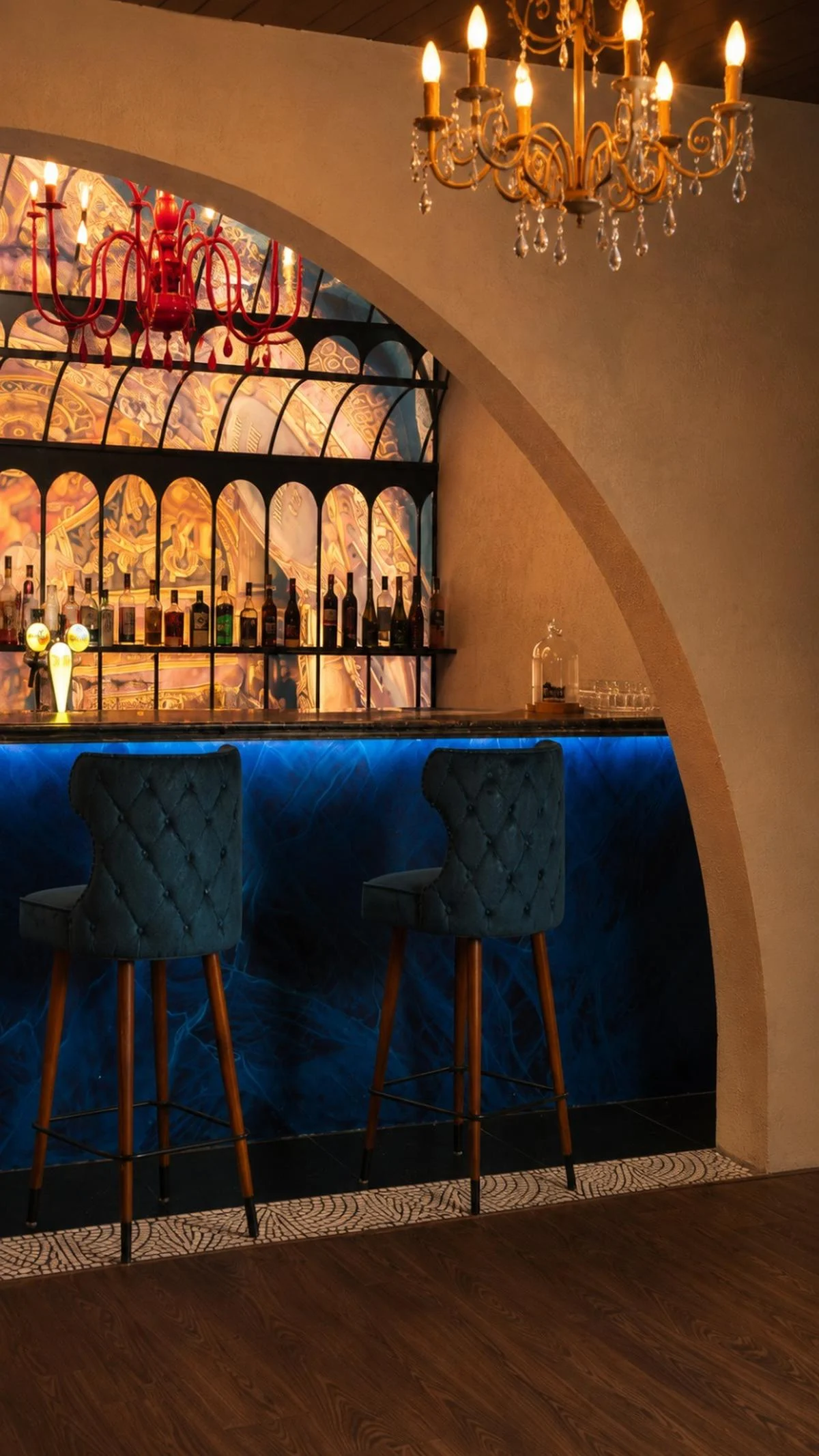
The dominant feature of No Name is its generous use of arches. These weren’t merely decorative; they were a brilliant solution to conceal two large beams interrupting the ceiling. "We wanted to hide them, and the semi-circular shape was the perfect vehicle," explains Bathia. "The arches are repeated on the bar, stained glass windows, and form alcoves facing the street." This repetition creates a visual rhythm, unifying the space and lending it an almost ecclesiastical air, albeit with a modern, electric blue twist. The stained-glass windows, a nod to vintage aesthetics, further enhance this sense of curated history.

H3: Materiality: A Symphony of Blue and Renaissance Hues
The materiality of No Name is as bold as its architectural choices. The bar apron is clad in hand-painted, high-polished electric blue, a vibrant focal point that demands attention. Behind it, a massive arch frames a custom-printed canvas depicting a Renaissance sky, adding a layer of classical artistry. Overlaying this celestial artwork is a bespoke black iron trellis, ingeniously serving as a floating bottle rack. This juxtaposition of the deep blue, the historical artwork, and the industrial trellis creates a unique and memorable visual texture. The use of timber ceilings and wooden flooring adds warmth and a natural counterpoint to the more dramatic elements.
The Quarter Madras: Chennai’s Colonial Charm Reimagined
Nestled within the historic Savera Hotel, The Quarter Madras offers a 50-seater bar that playfully reimagines Chennai’s rich heritage. Amita Joy, co-founder of Studio Reve, has infused the space with a distinct "warm Chennai vibe."

H2: Architectural Style: A Contemporary Take on Colonial Elegance
The entrance, with its foyer and parlour doors, hints at a speakeasy, but the interior unfolds into a sophisticated yet approachable space. The architectural style draws inspiration from the city’s colonial past, evident in the arches behind the bar, which evoke a sense of timeless elegance. The use of wood on the ceiling, rattan for seating, and large fabric chandeliers contributes to a dramatic yet inviting atmosphere.
H3: Materiality: A Tapestry of Local Influence

The material palette is deeply rooted in Chennai’s identity. The "Madras checks" motif, a subtle yet pervasive element, pays homage to the city’s textile heritage. White and green granite are used judiciously, adding a touch of classic South Indian stonework. The inclusion of old memorabilia from the owner’s family personalizes the space, weaving a narrative of history and connection. The large library shelving behind the bar, a clever design choice, allows for dynamic display of books and accessories, further enhancing the bar’s character.
Roc-A-Coe: Art Deco Allure on KNK Road
Roc-A-Coe, named after a classic 1930s cocktail, is a 2,200-square-foot, 80-seater bar on Chennai’s KNK Road. Principal architect George of ING Design has meticulously crafted a space that pays homage to the Art Deco era through its cocktails and its very architecture.
H2: Architectural Style: A Triumvirate of Art Deco Principles

George explains that the bar’s design language is built upon "the triumvirate of balance, rhythm, and proportion," core tenets of the Art Deco movement. This is immediately evident in the harmonious interplay of materials and the considered layout of the space. The design eschews overt ornamentation in favor of sophisticated forms and refined detailing.
H3: Materiality: The Art Deco Trinity
The material trinity of wood, glass, and leather is masterfully employed to evoke the Art Deco spirit. Rich wooden finishes, polished glass elements, and plush leather upholstery combine to create a sense of understated luxury and timeless appeal. The overall impression is one of refined elegance, a subtle nod to the grandeur of a bygone era.

Barback, Hyderabad: Bangkok’s Nocturnal Pulse
Barback in Hitech City, Hyderabad, is a 30-seater space designed to capture the vibrant nightlife of Bangkok. Principal director Russell Sage of Russell Sage Studio, London, has translated the city’s energetic street vibe into a sophisticated bar experience.
H2: Architectural Style: Urban Energy and Thai Accents
The design language is a celebration of nocturnal energy, with a palette of bronze and copper tones, timber, and sculptural metalwork. Wavy glass panels add a dynamic sense of movement, while a striking half-moon motif on the floor serves as a captivating focal point. Sage highlights the incorporation of "arched forms and a dramatic canopy that speak the Thai architectural language, while cane details add a sense of local craft and warmth." This fusion of international design sensibilities with subtle local touches creates a truly unique ambiance.

H3: Materiality: A Nocturnal Palette
The use of bronze and copper creates a rich, warm glow, reminiscent of a city at night. Timber adds natural texture, and woven elements introduce a tactile dimension. The sculptural metalwork provides a sense of artistry and sophistication. The wavy glass panels not only add visual interest but also subtly distort reflections, contributing to the atmospheric quality of the space.
Yaakay Bar and Canteen, Bengaluru: Bengaluru’s Multilingual Soul
Yaakay, meaning "why" in Kannada, is a brainchild of Byg Ventures, designed by Sujit Nair, principal architect of SDeG Design. This terrace bar in Sahakar Nagar is conceived as a two-fold space: "People’s" and "Premium," separated by a courtyard-facing bar.

H2: Architectural Style: A Tale of Two Bangalores
Nair envisioned a space that reflects Bengaluru’s evolving identity. A 16-foot-high shed with an 8.5-foot-high parasol roof provides a sense of expansive openness. The "People’s" section features hand-trowelled plaster walls in a dull white, polished Kota floors, and indigo-blue woodwork, evoking the charm of old Bengaluru homes. In contrast, the "Premium" section boasts white-inlaid green marble, polished timber seating, and decorative metal screens, a sophisticated ode to the city’s older, more exclusive clubs.
H3: Materiality: A Dialogue of Textures and Colors

The materiality is a deliberate dialogue between tradition and modernity. The rough, hand-trowelled finish of the "People’s" section offers a grounded, tactile experience, while the polished Kota floors add a sleek finish. The indigo-blue woodwork provides a vibrant pop of color. The "Premium" section’s green marble and polished timber exude an air of refined luxury. The bar itself, a stylish transition between the two sections, is constructed with green marble, Kota stone, woodwork, and acrylic light boxes, inspired by the ticketing kiosks of Art Deco theatres.
Brine, Bengaluru: Brutalist Chic Meets Natural Oasis
Brine, located on 80 Foot Road in Indiranagar, Bengaluru, is a 5,500-square-foot, 120-seater establishment that defies expectations. Concealed behind a stark grey, windowless facade and a translucent glass-brick exterior, the interior is a revelation: a brutalist space illuminated by a resplendent copper bar and lush with Madagascar almond trees and lantana sculptures. Animesh Nayak, founder and principal architect of Open to Sky, emphasizes adaptive reuse, a philosophy evident in Brine’s transformation of an old bungalow.
H2: Architectural Style: Adaptive Reuse and Brutalist Expression

Nayak and his associate Revathi Ramakrishnan have masterfully repurposed the existing structure, maintaining its "sinews" to delineate spaces. The result is a bar with a lofty roof, luminous skylights, and a striking brutalist facade rendered in lime. The design embraces the raw aesthetic of brutalism, allowing the inherent qualities of the materials to take center stage.
H3: Materiality: A Contrast of Textures and Warmth
The material palette is a deliberate interplay of raw and refined elements. Natural stone flooring with cobblestone paths breaks the monotony, adding textural interest. Upholstered and rattan seating in warm wood provides comfort and a touch of organic warmth. A masonry bench with seating on both sides offers a communal yet intimate feel. The walls are intentionally left bare, a conscious decision to avoid distracting from the company and the cocktails. The generous outdoor space, integrated with the existing trees, further enhances the natural ambiance.

The Ergonomic Art of the Bar Counter
The bar counter is the heart of any drinking establishment, and these South Indian bars have elevated it from a functional surface to a meticulously designed focal point.
No Name, Chennai: A Majestic Centerpiece
The bar at No Name is designed to be a theatrical element. The electric blue apron, as mentioned, is a bold statement. The custom-printed Renaissance sky backdrop, coupled with the floating iron trellis bottle rack, transforms the bar into a stage for both the bartenders and the spirits. The design ensures bartenders have easy access to their tools and ingredients while maintaining engaging interaction with patrons.
The Quarter Madras: A Hub for Conversation
The bar at The Quarter Madras, with its colonial-inspired arches and extensive library shelving, is designed to be a welcoming hub. The shelving allows for dynamic visual displays, making the bar a conversation starter. The layout encourages interaction between patrons and bartenders, fostering a sense of camaraderie.

Roc-A-Coe: The Omakase Experience
Roc-A-Coe’s bar is the undisputed centerpiece, hosting an "Omakase Bar" where the bartender curates cocktails based on guest preferences. The counter is "customized so the staff can easily access spirits, tools, glassware and refrigeration, while maintaining eye contact and conversation with guests," according to architect George. This design prioritizes both efficiency and guest experience, creating an intimate and personalized interaction.
Barback, Hyderabad: A Functional Stage for Mixology
The bar at Barback is designed for efficiency and visual appeal. It allows multiple bartenders to work comfortably, with brightly lit, open shelving ensuring easy access to glassware. The bronze backdrop, illuminated to come alive, draws attention to the bar, making it a natural focal point within the space.
Yaakay Bar and Canteen, Bengaluru: A Classy Transition
The Yaakay bar serves as a sophisticated transition between the "People’s" and "Premium" sections. Constructed with green marble, Kota stone, woodwork, and acrylic light boxes, it takes inspiration from the ticketing kiosks of Art Deco theatres. This design choice imbues the bar with a sense of occasion and elegance, while its placement encourages fluid movement between the two distinct zones.

Brine, Bengaluru: A Glistening Copper Heart
The bar at Brine is a showstopper. Wrapped in a glistening copper metal sheet, it serves as the shimmering centerpiece of the brutalist interior. Bottles are artfully arranged by color, with soft lighting enhancing their appeal. The bar stools offer comfortable seating, creating a vibrant Biergarten atmosphere within the urban setting. The design ensures ample space for bartenders to work efficiently while maintaining a connection with guests.
Acoustic Comfort and Lighting Design: Setting the Mood
Beyond visual appeal, these bars demonstrate a sophisticated understanding of how sound and light shape the patron experience.
No Name, Chennai: Intimate Ambiance
Intimate lighting is achieved through antique brass and cast-iron chandeliers, casting a warm glow from the timber ceilings. Renaissance-inspired sconces illuminate the low-seating arrangements, creating cozy nooks conducive to conversation.

The Quarter Madras: A Sanctuary of Sound
The space is designed for auditory comfort. Soft music with a retro playlist is a staple. Floor-to-ceiling velvet drapes, a coffered ceiling, and wood paneling contribute to excellent acoustic proofing, minimizing external noise and internal reverberation. Ambient lighting sets a relaxed mood, perfect for intimate conversations.
Roc-A-Coe: Dynamic Illumination
The lighting at Roc-A-Coe is designed to be dynamic, transitioning from bright during the day to a warm, inviting glow at night. Upholstered seating, timber surfaces, and soft furnishings actively absorb sound, reducing reverberation. Strategically placed speakers ensure an even distribution of music, whether it’s a DJ set or live jazz.
Barback, Hyderabad: Atmospheric Illumination
The bronze backdrop of the bar becomes a canvas for light, enhancing its visual impact. Upholstered seating, timber, and textured surfaces, along with suspended metal-mesh elements, work together to break up sound, creating a comfortable acoustic environment.

Yaakay Bar and Canteen, Bengaluru: Controlled Ambiance
Wood wool cladding is employed to maintain reasonable decibel levels, ensuring conversations can flow easily. A pre-set playlist of retro English and regional music plays at a comfortable volume. Pendant lights over each table provide focused yet soft illumination, creating an intimate dining or drinking experience.
Brine, Bengaluru: Mood-Enhancing Luminosity
A pre-set playlist of European beats provides a lively yet unobtrusive soundtrack. Dimmable lamps offer focused light on menus, while colored lights shining through the glass-brick facade dynamically shift the mood, from softer tones at noon to warm red-orange hues at night.
Convenience and Daytime Adaptability: Spaces for All Occasions
The most forward-thinking bars understand that their utility extends beyond evening revelry.

No Name, Chennai: Versatile for Learning
The wooden flooring patterns, differentiated across the main floor and DJ area, prevent slips even in dim lighting. Mid-century-inspired armchairs and lounge sofas offer comfortable seating with integrated storage. Crucially, the space is adaptable for weekend lectures, demonstrating its utility beyond a typical bar setting.
The Quarter Madras: Thoughtful Touches
Coat hooks near tables and bag hooks beneath them eliminate the need to place belongings on the floor. The space is also adaptable for private events, available for booking day or night, showcasing its flexibility for various occasions.
Roc-A-Coe: Engaging Daytime Programming
Roc-A-Coe hosts "Pint of View" events on weekends, which involve lectures on various topics. The seating is easily rearranged to face a projector for audio-visual presentations, transforming the bar into a space for intellectual engagement.

Barback, Hyderabad: Evening Focus
Currently, Barback does not host daytime events, focusing its operational hours on evening entertainment.
Yaakay Bar and Canteen, Bengaluru: A Multipurpose Terrace
Yaakay is a popular spot for lunch, offering patrons a pint and local favorites at affordable prices in a screen-free environment, fostering genuine human connection. The wall art, celebrating Bengaluru’s multilingual character, adds an engaging visual element.
Brine, Bengaluru: Business and Social Gatherings
Local businesses utilize Brine for small group events, leveraging the airy ambiance provided by the greenery and high ceilings, along with flexible seating arrangements. This adaptability makes it a sought-after venue for daytime corporate gatherings.

The Future of Indian Hospitality
The evolution of India’s bar scene, as exemplified by these six South Indian establishments, signals a significant shift in hospitality design. It’s no longer solely about the craft of the cocktail but about the holistic experience delivered through thoughtful architecture, material choices, acoustic engineering, and adaptable spaces. These bars are setting a new benchmark, proving that a well-designed environment can elevate the entire patron journey, making each visit a memorable immersion in art, culture, and conviviality. As India continues to refine its place on the global hospitality map, this emphasis on experiential design promises to be a defining characteristic of its most celebrated venues.
