

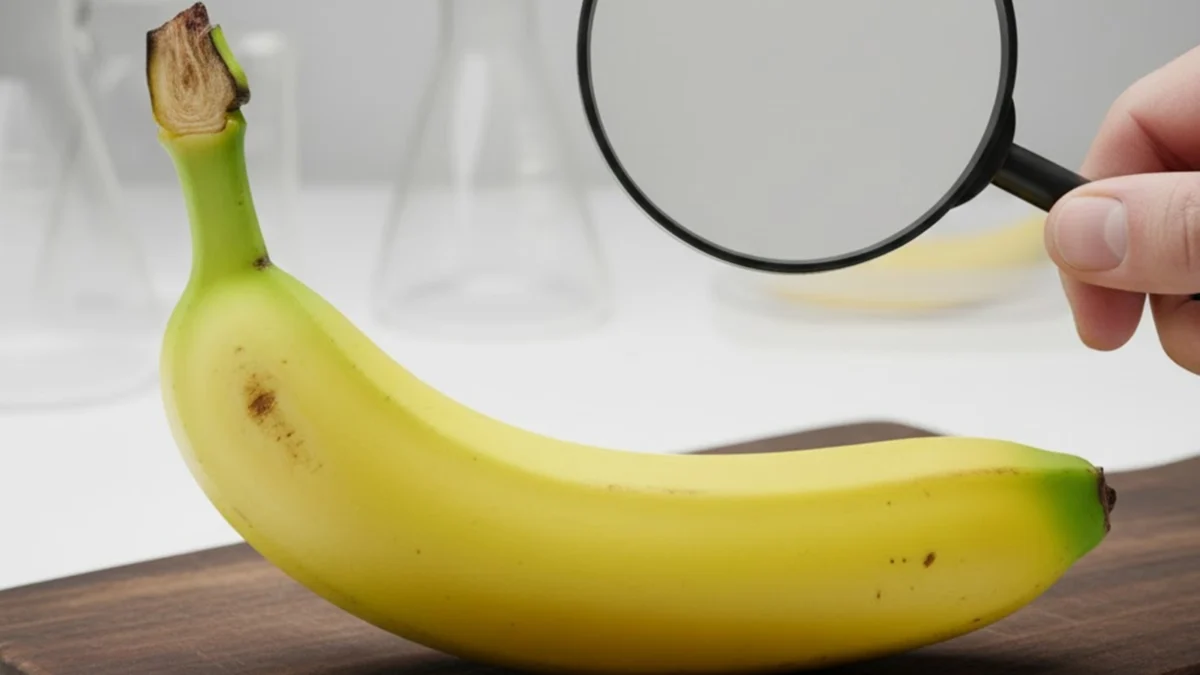
New Delhi – In recent weeks, social media platforms have been inundated with viral videos and "consumer alerts" warning of a widespread health crisis: chemically ripened bananas. These videos, often featuring dramatic demonstrations of uneven skin color or "unnatural" yellowing, have sparked a wave of anxiety among shoppers in India and beyond. However, food safety experts and nutritionists are urging the public to look beyond the viral headlines and understand the nuance of modern agricultural practices.
To address these concerns, Dt. Amreen Sheikh, Chief Dietitian at KIMS Hospitals, Thane, recently clarified the complexities of fruit ripening. Her primary message is one of cautious awareness rather than alarmism. "While it is good to be aware, it’s also important not to panic or rely on oversimplified messages in viral videos," Sheikh noted.
This report explores the reality of the banana supply chain, the science of ripening, the dangers of illegal additives, and how consumers can distinguish between a safe fruit and a hazardous one.
1. Main Facts: The Viral Controversy and the Expert Verdict
The central issue stems from a lack of public understanding regarding the difference between "artificial" and "chemical" ripening. In the world of commercial fruit distribution, almost all bananas are ripened off the tree. This is because bananas are climacteric fruits; they continue to ripen after being harvested green. If allowed to ripen on the plant, they would likely bruise, rot, or be consumed by pests before reaching urban markets.
The Myth of Uniformity
One of the most common claims in viral videos is that a perfectly yellow banana must be chemically treated, while an unevenly colored one is natural. Dt. Sheikh debunked this notion, stating, "Not every unevenly colored banana is chemically ripened. Natural ripening can also be uneven, depending on storage, transport, and temperature."
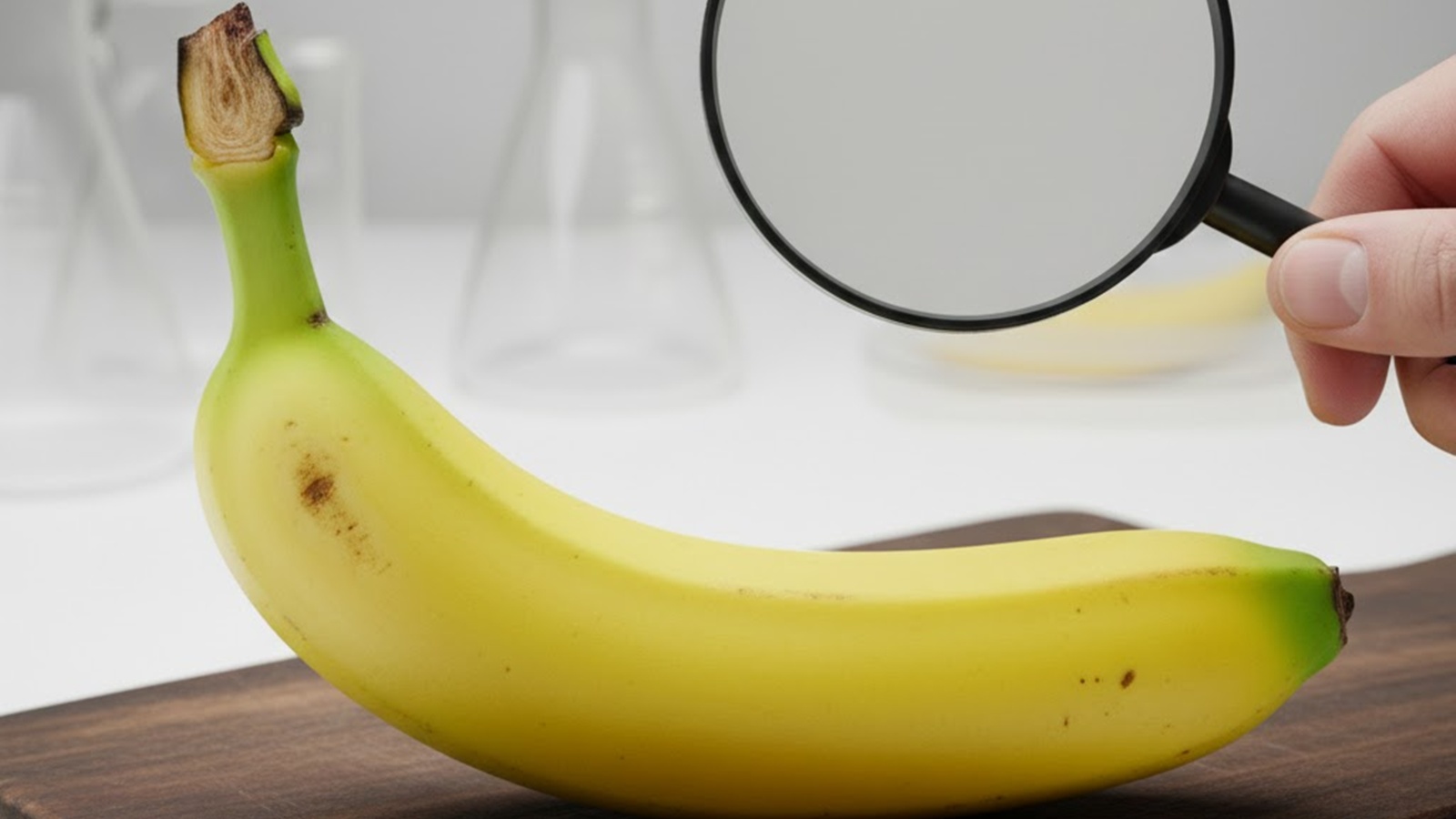
Conversely, a banana that is bright yellow on the outside but has a green stem is often cited as a "tell-tale sign" of chemical ripening. While this can sometimes indicate the use of ripening agents, it is not a definitive proof of toxicity.
Two Types of Ripening Agents
The debate generally involves two substances:
- Ethylene Gas: A naturally occurring plant hormone that is synthesized and used in controlled ripening chambers. It is considered safe and is the global industry standard.
- Calcium Carbide ($CaC_2$): An industrial chemical often used in welding. It is illegal, toxic, and used by unscrupulous vendors to mimic the ripening process quickly and cheaply.
2. Chronology: From Traditional Smoke to Modern Chambers
The history of banana ripening in India and the developing world has evolved through several distinct phases, reflecting changes in technology and regulation.
The Traditional Era (Pre-1980s)
Historically, farmers and local traders used traditional methods to ripen bananas. These included "smoking" the fruit in closed rooms using kerosene lamps or hay. The heat and the trace amounts of ethylene produced by the combustion would trigger the fruit’s internal ripening mechanism. This process was slow and often led to high rates of spoilage.
The Rise of Calcium Carbide (1990s–2010s)
As the demand for fruit in growing urban centers increased, the supply chain needed faster results. This led to the widespread adoption of calcium carbide. Small sachets of "masala" (carbide powder) were placed inside crates of green bananas. When the powder reacted with the moisture in the air or the fruit, it released acetylene gas. Acetylene mimics ethylene but is far more aggressive. This period saw a spike in health complaints, leading to the eventual ban of the substance.
The Regulatory Shift and Ethylene Chambers (2011–Present)
In 2011, the Food Safety and Standards Authority of India (FSSAI) strictly prohibited the use of calcium carbide under the Food Safety and Standards (Prohibition and Restriction on Sales) Regulations. This pushed the industry toward "Ripening Chambers." These are climate-controlled facilities where green bananas are exposed to low concentrations of ethylene gas under specific humidity and temperature settings. This modern chronology represents a shift toward safety and scientific precision.
3. Supporting Data: The Science of Ripening and Health Risks
Understanding why certain chemicals are banned requires a look at the molecular level.
The Dangers of Calcium Carbide ($CaC_2$)
Calcium carbide is not a food-grade substance. Its primary danger lies in its impurities. Industrial-grade carbide often contains traces of arsenic and phosphorus, both of which are highly toxic to humans.
- Symptoms of Exposure: Short-term consumption of fruit ripened with carbide can cause mouth ulcers, diarrhea, skin rashes, and even food poisoning.
- Long-term Risks: Chronic exposure to the arsenic and phosphorus residues can lead to more severe neurological issues, including memory loss, cerebral edema, and dizziness.
- The Acetylene Factor: While acetylene gas causes the fruit to change color, it does not facilitate the conversion of starch to sugar as effectively as natural ethylene. This is why carbide-ripened bananas often look ripe but taste starchy and "flat."
The Safety of Ethylene ($C_2H_4$)
Ethylene is a natural gaseous phytohormone. Every ripening fruit—whether on a tree or in a bowl—naturally emits ethylene.
- The Process: In commercial ripening, ethylene gas is introduced at a concentration of 10–100 ppm (parts per million). It triggers the fruit’s enzymes (amylase and pectinase) to break down starch into sugar and soften the cell walls.
- Health Impact: Since ethylene is a gas that dissipates quickly and leaves no toxic residue on the fruit, it is deemed safe for human consumption by health organizations worldwide, including the WHO and FSSAI.
Nutritional Comparison
Data suggests that while the method of ripening affects the speed of the process, it has a negligible impact on the caloric content of the banana. However, naturally ripened or ethylene-ripened bananas tend to have higher levels of antioxidants and more bioavailable sugars compared to those forced with carbide, which may be harvested too early to develop a full nutrient profile.
4. Official Responses: Regulatory Oversight and Expert Advice
The FSSAI has been proactive in addressing the "carbide menace." They have issued several guidance notes to state food safety commissioners to increase surveillance at wholesale markets (mandis).
FSSAI Guidelines
The official stance is clear: The use of calcium carbide is a punishable offense under the Food Safety and Standards Act, 2006. The regulator encourages the use of ethylene gas as a safe alternative and has even provided subsidies for traders to set up ethylene ripening chambers.
The Expert’s "Senses" Test
Dt. Amreen Sheikh emphasizes that consumers should use their senses rather than just their eyes. She provides a checklist for identifying quality fruit:
- Texture: "Chemically ripened fruits (specifically carbide-treated) might lack aroma and feel unusually hard even though they are yellow," Sheikh explained. A naturally ripe banana will be soft and yielding.
- Aroma: A healthy banana should have a distinct, sweet, fruity scent. Carbide-treated fruits often have a faint chemical smell or no smell at all.
- The Stem Test: While not foolproof, a very green, stiff stem on a very dark yellow banana can be a sign of forced ripening. In natural ripening, the stem usually turns yellowish or brown as the fruit matures.
- The "Black Spot" Myth: Many consumers avoid bananas with black spots, thinking they are "rotting." In reality, these "sugar spots" are a sign of peak ripeness and high antioxidant levels.
5. Implications: Consumer Behavior and the Misinformation Age
The "banana scare" serves as a case study for how misinformation spreads in the digital age. When a video goes viral claiming that "all yellow bananas are poisonous," the implications are far-reaching.
Economic Impact on Farmers
Panic-driven consumer behavior can lead to a sudden drop in demand for bananas, which are a staple crop for millions of small-scale farmers in India. If consumers stop buying bananas based on a misunderstood visual cue (like uniform color), the economic fallout hits the most vulnerable parts of the supply chain.
The "Hygiene First" Approach
The real health risk often isn’t the ripening agent itself, but the conditions in which the fruit is handled. Dt. Sheikh points out that "the real concern arises from the use of illegal chemicals under unhygienic conditions."
She recommends several actionable steps for consumers:
- Source Reliability: Buy from reputable vendors or supermarkets that can verify their sourcing from ethylene chambers.
- Wash Your Fruit: Even though we peel bananas, handling a fruit that has chemical residue on the skin can transfer those toxins to our hands and then to the fruit pulp. Always wash fruit under running water before peeling.
- Seasonal Eating: Focus on seasonal produce. Fruits forced to appear out of season are more likely to have undergone aggressive chemical treatments to meet market demand.
Final Thoughts
Awareness is the best defense against food adulteration, but it must be tempered with scientific literacy. As Dt. Sheikh concludes, "Most bananas in the market today are safe when sourced responsibly. Instead of relying on viral shortcuts, consumers should focus on hygiene, moderation, and informed purchasing."
By understanding that ethylene is a friend and calcium carbide is a foe, consumers can continue to enjoy one of nature’s most convenient and nutritious snacks without unnecessary fear.
DISCLAIMER: This article is based on information from the public domain and the experts cited. It is intended for informational purposes only. Always consult your healthcare practitioner or a certified nutritionist before making significant changes to your diet or if you suspect food-related illness.
