

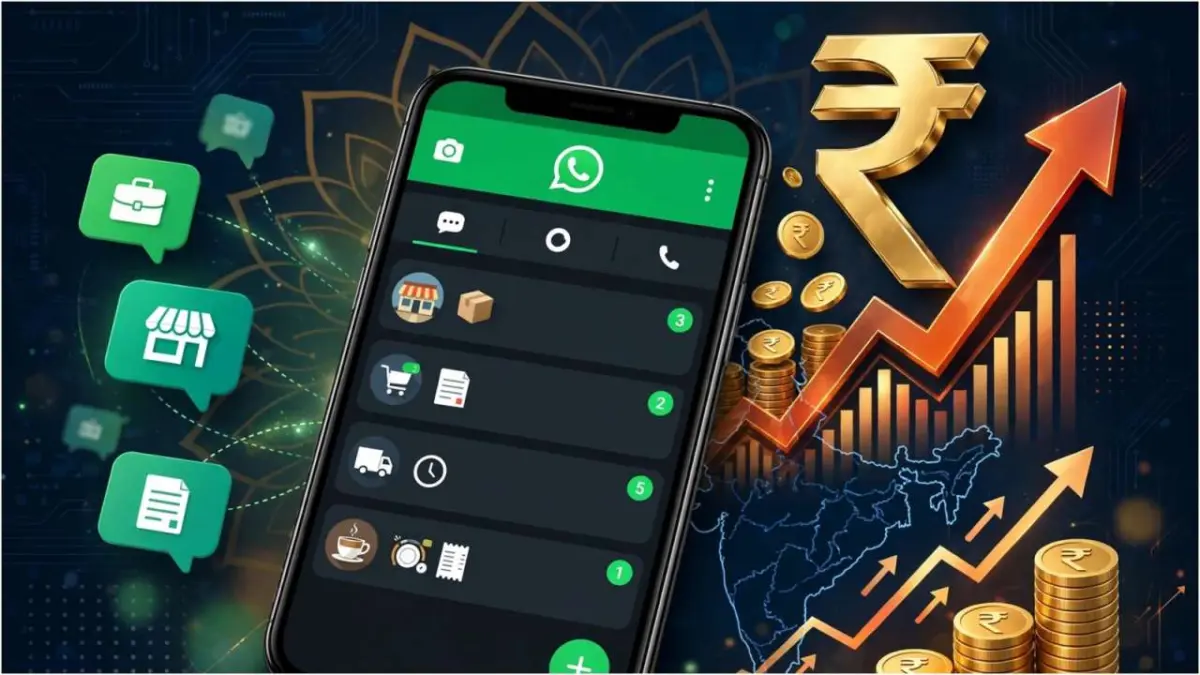
NEW DELHI, India – In a significant move set to reshape the landscape of digital business communication in India, Meta Platforms, Inc., the parent company of WhatsApp, has announced a comprehensive revision of its WhatsApp Business Platform (WBP) pricing structure, effective October 1. This strategic shift will introduce charges for messages that were previously free, marking a pivotal moment in the platform’s monetization strategy within one of its largest and most critical markets. The change, primarily impacting businesses leveraging the advanced API-driven Business Platform, signifies a transition towards a more structured, fee-based model for enterprise-level interactions.
For countless Indian businesses, from e-commerce giants and logistics providers to banks and healthcare services, WhatsApp has evolved beyond a mere messaging app into an indispensable tool for customer engagement, support, and transaction management. This impending pricing adjustment will necessitate a re-evaluation of communication strategies and budgetary allocations for entities that rely heavily on the platform for high-volume customer interactions.
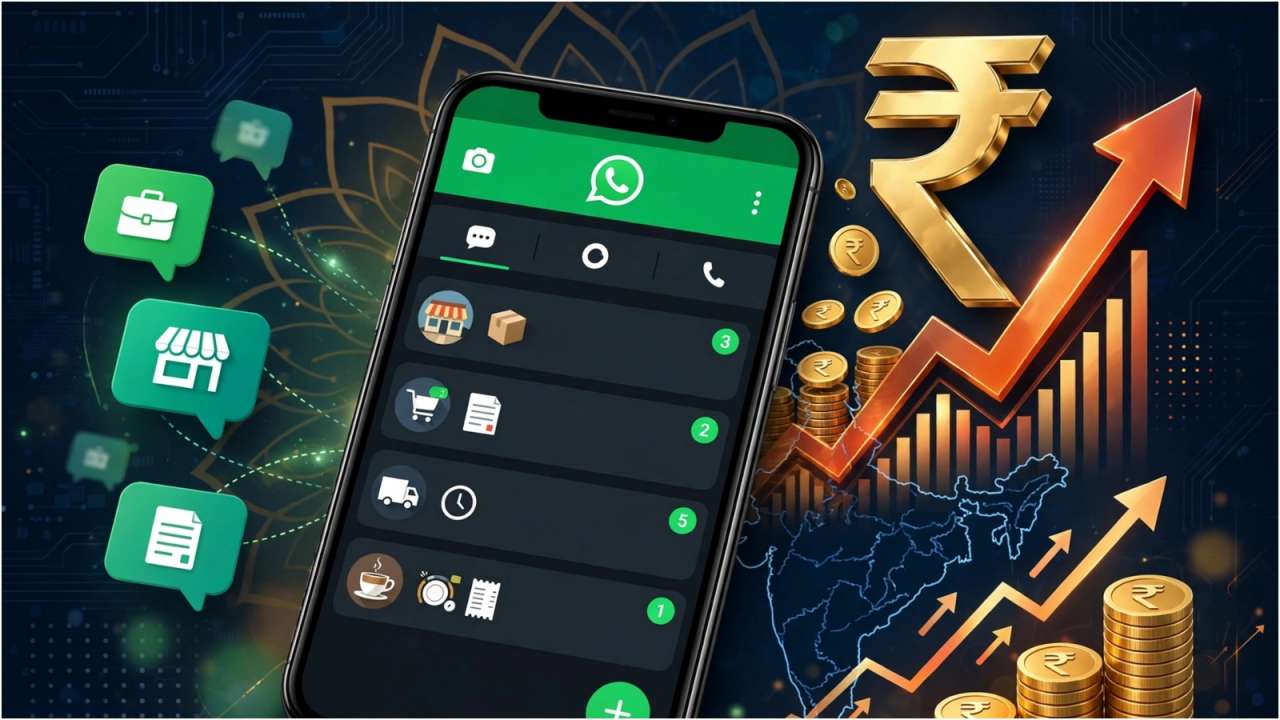
The Impending Shift: What’s Changing?
The core of Meta’s revised policy centers on the monetization of specific message categories that previously fell under a free service window. Understanding this transition requires a clear distinction between the "before" and "after" scenarios.
The Pre-October 1st Landscape: A Familiar Free Flow
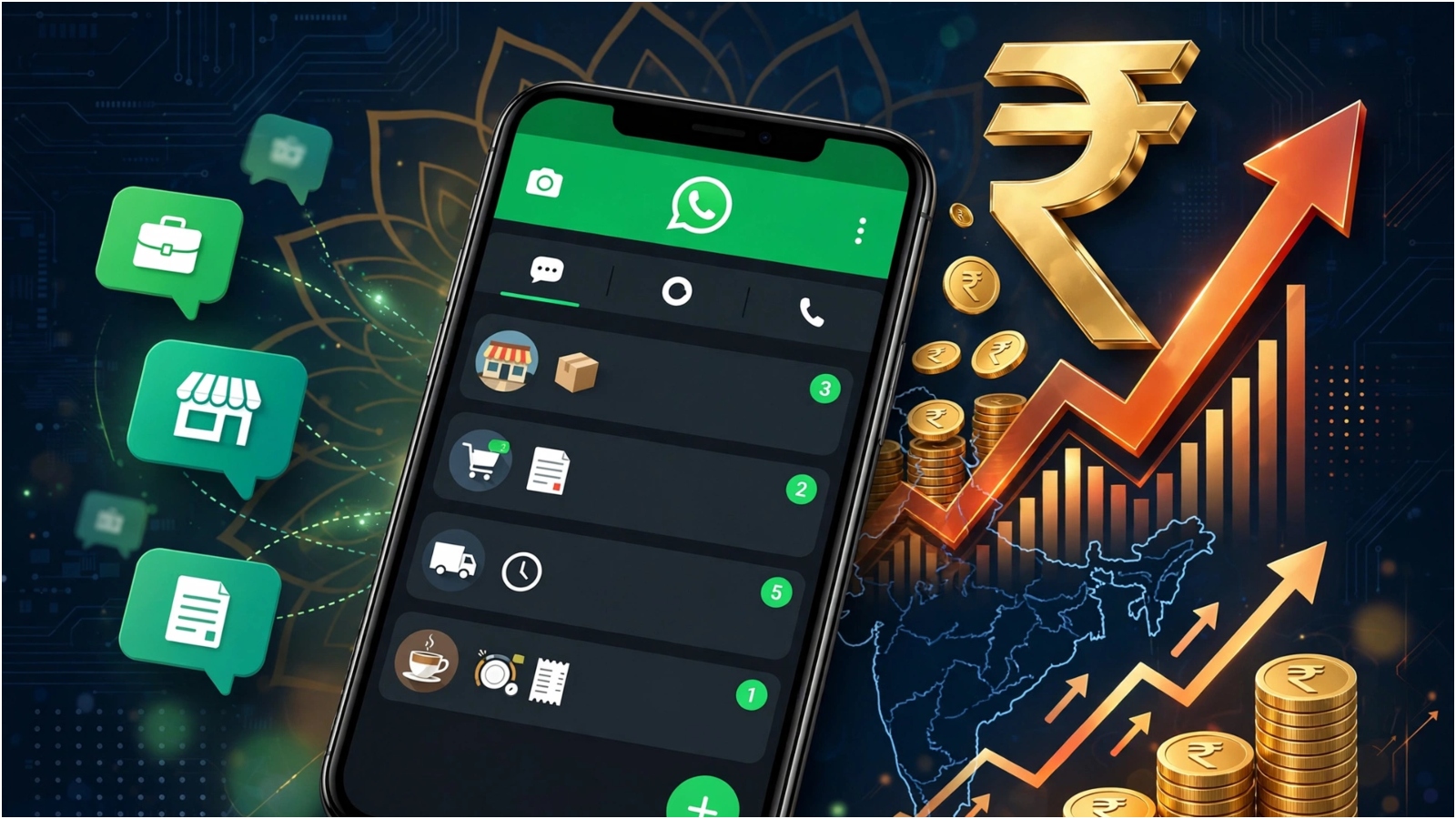
Prior to October 1st, businesses utilizing the WhatsApp Business Platform benefited from a relatively liberal messaging policy. Once a customer initiated a conversation, businesses could respond with a variety of messages within a 24-hour window, and these replies were generally free of charge. This "customer service window" was a cornerstone of the WBP’s appeal, allowing companies to engage proactively and responsively without incurring per-message costs for ongoing dialogues.
)
This free window facilitated a wide array of essential business communications, including:
- Utility Messages: These comprised crucial updates such as order confirmations, shipping notifications, delivery updates, appointment reminders, and payment alerts. For an e-commerce platform, confirming an order or notifying a customer about dispatch was a free, seamless process within this window.
- Customer Support Replies: Direct responses to customer queries, complaints, or requests for information also fell under this free umbrella, enabling fluid and cost-effective customer service.
This model allowed businesses to build robust communication workflows, automating timely updates and personalizing interactions, thereby enhancing customer satisfaction and operational efficiency without direct messaging costs for active conversations. The cost-effectiveness was a major driver for the rapid adoption of WBP across various sectors in India.

The New Paradigm from October 1st: Introducing Charges and Limits
The new policy introduces a significant change by segmenting messages and applying charges to certain "utility messages" even within the 24-hour window, after a specified free limit.
Key Changes from October 1st:
)
- Monetization of Utility Messages: Meta will begin charging for "utility messages" sent during the 24-hour service window. This means updates like order confirmations, delivery notifications, and appointment reminders, which were previously free, will now incur a cost once a free quota is exhausted.
- Introduction of a Free Tier: To mitigate the impact, Meta is introducing a monthly free tier. Each business phone number linked to the WhatsApp Business Platform will receive 1,000 free service replies every month. This quota resets monthly and is designed to accommodate smaller businesses or those with lower message volumes.
- Charge for Additional Service Messages: Once a business exceeds the 1,000 free service replies within a month, all subsequent utility messages will be charged at a specific rate.
- Customer-Initiated Replies Remain Free: Crucially, replies to customer queries initiated by the customer will continue to remain free of charge. This distinction is vital: if a customer sends a message asking for an update, the business’s direct response to that specific query will not be charged. The charges apply primarily to proactive utility messages sent by the business after the free limit.
- Targeted Impact: It is imperative to reiterate that these changes do not apply to regular WhatsApp users or businesses utilizing the standard, free WhatsApp Business App. The revised pricing specifically targets businesses leveraging the more sophisticated, API-driven WhatsApp Business Platform, typically used by medium to large enterprises for automated and integrated communication at scale.
This shift transforms WBP from a primarily volume-based, cost-effective communication channel into one that demands more strategic message management and cost-consciousness from businesses.
Understanding the New Cost Structure
The financial implications of this pricing revision are a critical concern for businesses operating in India. Meta has laid out a clear pricing model for the Indian market, which businesses must factor into their operational budgets.
)
Decoding the Charges
- Base Rate per Message: For the Indian market, Meta has set the base price at Rs 0.115 per delivered message. This rate applies to utility messages sent after the 1,000 free monthly quota is exhausted.
- Applicable Taxes: An additional 18% Goods and Services Tax (GST) will be levied on each charged message. This is a significant factor, increasing the effective cost per message.
Therefore, the actual cost per delivered message will be Rs 0.115 + 18% GST.
Illustrative Examples of Financial Impact
Let’s break down the potential costs with concrete examples to understand the financial implications for businesses:
)
Example 1: A Small Business Operating Within the Free Limit
- Scenario: A local bakery uses WBP to send out 800 order confirmations and delivery updates per month.
- Calculation: Since 800 messages are well within the 1,000 free service replies limit, the business will incur Rs 0 in messaging charges for that month.
- Implication: This free tier is designed to support smaller businesses, allowing them to continue leveraging WBP without direct messaging costs if their volume is modest.
Example 2: A Growing E-commerce Venture Exceeding the Free Limit Modestly
)
- Scenario: An online fashion retailer sends 1,500 utility messages (order confirmations, shipping updates) in a month.
- Calculation:
- Total messages: 1,500
- Free messages: 1,000
- Chargeable messages: 1,500 – 1,000 = 500 messages
- Base cost: 500 messages * Rs 0.115/message = Rs 57.50
- GST (18%): Rs 57.50 * 0.18 = Rs 10.35
- Total cost for the month: Rs 57.50 + Rs 10.35 = Rs 67.85
- Implication: Even a slight exceedance of the free limit can lead to charges, prompting businesses to monitor their usage.
Example 3: A Large Logistics Company with High Message Volume
- Scenario: A national logistics provider sends 50,000 delivery status updates and customer notifications per month.
- Calculation:
- Total messages: 50,000
- Free messages: 1,000
- Chargeable messages: 50,000 – 1,000 = 49,000 messages
- Base cost: 49,000 messages * Rs 0.115/message = Rs 5,635
- GST (18%): Rs 5,635 * 0.18 = Rs 1,014.30
- Total cost for the month: Rs 5,635 + Rs 1,014.30 = Rs 6,649.30
- Implication: For high-volume businesses, the monthly costs can escalate significantly, necessitating robust budgeting and potentially a re-evaluation of their communication strategy to optimize message delivery.
These examples clearly demonstrate that while the per-message cost might seem nominal, the cumulative effect for businesses with substantial customer engagement can be considerable.
)
Official Responses and Meta’s Rationale
While specific direct quotes from Meta regarding this particular price change in India are often embedded within broader policy updates, the underlying rationale for such adjustments by a global tech giant is typically multifaceted and strategic.
Meta’s Strategic Imperative
Industry analysts and observers suggest several key motivations behind Meta’s decision to revise WBP pricing:
)
- Monetization of a High-Value Platform: WhatsApp boasts an enormous user base in India, making it an incredibly valuable channel for businesses. As a mature platform, Meta is naturally moving towards monetizing its enterprise offerings to ensure sustainable growth and profitability. The WhatsApp Business Platform, with its API capabilities, offers advanced features like automation, CRM integration, and large-scale broadcasting, which justify a premium pricing model.
- Ensuring Platform Sustainability and Investment: Maintaining and enhancing a robust, secure, and scalable platform like WBP requires significant ongoing investment in infrastructure, technology, and talent. Charging for high-volume utility messages contributes directly to funding these developments, ensuring the platform continues to evolve and deliver value to businesses.
- Encouraging Efficient Communication: By introducing a cost, Meta subtly nudges businesses towards more purposeful, relevant, and consolidated communication. This can potentially reduce "message fatigue" for consumers and encourage businesses to optimize their messaging workflows, ensuring that only truly essential updates are sent.
- Alignment with Global Pricing Models: Many enterprise-grade communication APIs and cloud services operate on a pay-per-use model. This move aligns WBP with industry standards for advanced business communication tools globally, standardizing its revenue model across markets.
- Focus on Value Delivery: The distinction between chargeable utility messages and free customer-initiated replies highlights Meta’s intent to keep customer support conversations accessible while monetizing the proactive, broadcast-like communication capabilities that offer significant commercial value to businesses.
Industry Perspectives
The general consensus among tech and business analysts is that such pricing adjustments are a natural progression for platforms that have achieved widespread adoption and are now moving from a growth-at-all-costs phase to a focus on sustainable profitability. The introduction of a free tier is often seen as a strategic move to retain smaller businesses and facilitate new user onboarding, while larger enterprises, which derive substantial value from the platform, are expected to bear the costs associated with their scale of usage. This also reflects a broader trend among major tech companies to monetize their API access and enterprise services.
Strategic Implications for Indian Businesses
The revised pricing structure carries profound implications for Indian businesses, demanding careful planning, strategic adjustments, and a re-evaluation of their digital communication ecosystems.
)
Financial Burden and Budgetary Adjustments
- Increased Operational Costs: Businesses, especially those in high-transaction volumes sectors like e-commerce, logistics, banking, fintech, and healthcare, will face an increase in their operational costs. These sectors heavily rely on automated utility messages for critical customer touchpoints.
- Revised Budgeting: Finance departments will need to revise their communication budgets to account for the new WBP charges. This includes forecasting message volumes and allocating specific funds for WhatsApp messaging.
- Impact on Profitability: For businesses operating on thin margins, even a seemingly small per-message cost can accumulate into a significant expenditure, potentially impacting their bottom line if not managed effectively.
Optimizing Communication Strategies
The new pricing will inevitably lead to a shift in how businesses approach their WhatsApp communications:
- Judicious Messaging: Businesses will become more selective about what messages are sent via WBP. Redundant or low-value messages might be pruned.
- Consolidated Updates: Instead of multiple small updates, businesses might opt for consolidated messages, delivering several pieces of information (e.g., "Order confirmed, tracking details: X, estimated delivery: Y") in a single, chargeable message.
- Emphasis on Value: Every message sent will need to justify its cost by delivering clear, actionable value to the customer. Generic marketing messages are less likely to be sent via WBP if they incur a direct cost.
- Strategic Use of Free Messages: Businesses will need to strategize how to best utilize their 1,000 free monthly messages, perhaps prioritizing critical alerts or using them for specific customer segments.
Re-evaluating Channel Mix
While WhatsApp boasts unparalleled engagement rates in India, the new costs might prompt businesses to explore or re-emphasize alternative communication channels:
)
- SMS: For purely transactional, text-based alerts, SMS might become a more cost-effective option for some businesses, especially for non-interactive messages.
- Email: For detailed updates, newsletters, or less time-sensitive information, email remains a viable and often free channel.
- In-App Notifications: Businesses with dedicated mobile apps might push more updates directly through their apps to bypass WBP costs.
- Hybrid Models: The most likely outcome is a hybrid approach, where WBP is reserved for high-priority, interactive, and customer-critical communications due to its superior engagement, while other channels handle less critical or mass communications.
Impact on Small and Medium Enterprises (SMEs)
The 1,000 free messages per month can be a double-edged sword for SMEs:
- Benefit for Micro-Businesses: For very small businesses with low message volumes, the free tier might be sufficient, allowing them to continue leveraging WBP without direct costs.
- Scaling Challenge for Growing SMEs: As SMEs grow and their message volumes increase beyond the free limit, they will face escalating costs. This could pose a challenge for their growth trajectory and might necessitate a shift to the free WhatsApp Business App or other channels if WBP costs become prohibitive.
- Barrier to Entry: New SMEs looking to integrate WBP might find the initial cost modeling more complex, potentially raising the barrier to entry for leveraging the platform’s full capabilities.
Consumer Experience
Paradoxically, the pricing change could lead to a refined consumer experience:
)
- Reduced Message Clutter: Businesses might become more discerning, leading to fewer unnecessary or redundant messages for consumers.
- More Focused Communication: Customers might receive more valuable, concise, and action-oriented updates, improving the overall quality of business interactions.
- Risk of Reduced Updates: Conversely, some businesses might cut back on useful but non-critical updates to save costs, potentially impacting customer satisfaction if customers expect certain notifications.
Broader Context: The Evolution of WhatsApp Business
Meta’s pricing revision is not an isolated event but rather a significant step in the broader evolution of WhatsApp from a simple messaging application to a sophisticated enterprise communication platform.
From Free Messaging to Enterprise Solution
WhatsApp’s journey in India began as a personal communication tool, quickly becoming ubiquitous. Recognizing its potential, Meta launched the WhatsApp Business App for small businesses and subsequently the WhatsApp Business Platform (API) for larger enterprises. The API allows businesses to integrate WhatsApp with their CRM systems, automate messages, run marketing campaigns, and handle customer service at scale, offering capabilities far beyond the basic app. This transition from a free, consumer-centric product to a professional, monetized enterprise solution is a natural progression for a platform of its immense scale and utility.
)
The Indian Digital Landscape
India, with its vast digital population and "Digital India" initiatives, is a unique market for WhatsApp. The platform has played a crucial role in enabling digital commerce, customer service, and even government-to-citizen communication. The pricing change will inevitably interact with this dynamic landscape, potentially influencing digital adoption patterns and business process innovation. It underscores the fact that even in a market accustomed to "free" digital services, premium enterprise tools eventually command a price.
Global Trends in Platform Monetization
This move by Meta aligns with global trends where major tech platforms, after achieving critical mass, begin to monetize their advanced services. Companies like Twitter, with its API pricing changes, or various cloud service providers, have all evolved towards a pay-per-use model for their enterprise offerings. This ensures the long-term viability of these platforms and allows for continuous innovation and investment in their services. The WBP pricing is Meta’s strategy to solidify its position as a premium, value-driven communication channel for businesses worldwide.
)
Navigating the Change: Recommendations for Businesses
To successfully navigate this new pricing regime, Indian businesses must adopt proactive strategies and optimize their WhatsApp Business Platform usage.
Audit Current Usage
The first step is to conduct a thorough audit of current WBP message volumes. Businesses should analyze:
)
- Total messages sent monthly: Understand the overall scale of communication.
- Type of messages: Categorize messages into utility, marketing, and customer support.
- Message frequency: Identify if there are opportunities to consolidate or reduce messages without impacting customer experience.
- Cost projection: Based on current usage, project potential monthly costs under the new pricing.
Optimize Message Templates and Content
- Conciseness and Clarity: Ensure all message templates are as concise and clear as possible, delivering maximum information in minimal words.
- Consolidation: Look for opportunities to combine multiple updates into a single message. For instance, instead of separate messages for "Order Packed" and "Order Dispatched," combine them into one comprehensive shipping update.
- Value-Driven Content: Prioritize sending messages that are essential, actionable, and add significant value to the customer journey. Eliminate any redundant or purely promotional messages that might not justify the cost.
Leverage Customer-Initiated Conversations
Since replies to customer-initiated conversations remain free, businesses should:
- Encourage Inbound Queries: Design customer service flows that encourage customers to initiate contact on WhatsApp for queries, rather than the business proactively sending out potentially chargeable updates.
- Implement Chatbots: Utilize chatbots for initial customer queries. This can help filter and manage interactions, ensuring that human agents (and thus chargeable messages) are only used when truly necessary or when a customer initiates a complex query.
Budget Allocation and Monitoring
- Dedicated Budget: Allocate a specific, revised budget for WhatsApp Business Platform messaging.
- Real-time Monitoring: Implement systems to monitor WBP message usage in real-time or near real-time to track consumption against the 1,000 free messages and against the allocated budget. This helps avoid unexpected cost overruns.
- Cost-Benefit Analysis: Continuously perform a cost-benefit analysis for WBP usage, comparing its ROI with other communication channels.
Explore Hybrid Models
Businesses should consider a hybrid communication strategy:
)
- WBP for Critical Interactions: Reserve WhatsApp Business Platform for high-priority, time-sensitive, and interactive communications where its high engagement rates are indispensable.
- Alternative Channels for Non-Critical Updates: Utilize more cost-effective channels like email or SMS for less critical alerts, marketing campaigns, or bulk notifications where direct interaction is not the primary goal.
Conclusion
Meta’s revision of WhatsApp Business Platform pricing in India from October 1st marks a significant inflection point for digital business communication in the country. While it introduces new costs for businesses, particularly those with high message volumes, it also signals a maturing of the platform as a premium enterprise solution.
This strategic move by Meta will undoubtedly push Indian businesses towards greater efficiency, more judicious use of communication channels, and a deeper understanding of the value each message delivers. For consumers, it might lead to a more streamlined and less cluttered messaging experience. The free tier ensures that smaller businesses can still leverage the platform, while larger enterprises will need to integrate these new costs into their operational models.
)
Ultimately, this change represents a new era for business communication on WhatsApp in India, demanding adaptability, strategic foresight, and a renewed focus on optimizing customer engagement for maximum value. Businesses that proactively audit their usage, refine their messaging strategies, and intelligently integrate WBP within a broader multi-channel approach will be best positioned to thrive in this evolving digital landscape. The move solidifies Meta’s commitment to monetizing its vast user base and establishing WBP as a crucial, albeit now more costly, tool in the modern enterprise communication toolkit.
