

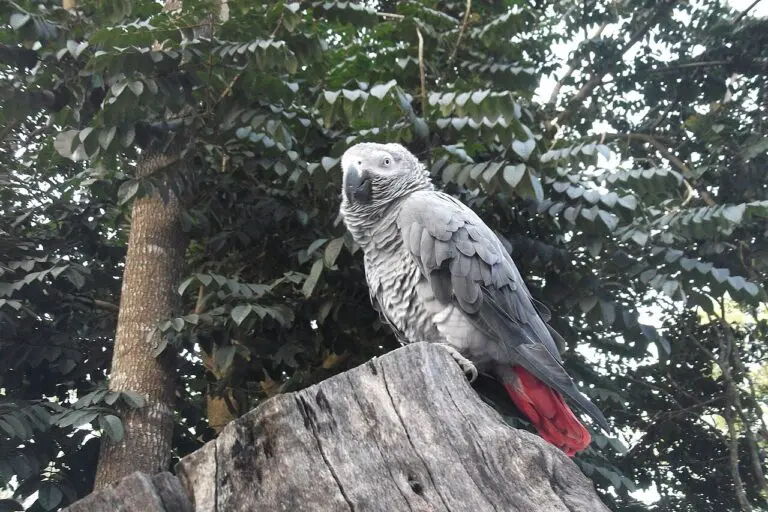
In the early years of the millennium, the sight of a sulfur-crested cockatoo or a vibrant macaw in India was largely restricted to the sawdust rings of traveling circuses or the enclosures of premier state zoos. For the ultra-wealthy, a parrot might have been a decorative fixture in a secluded farmhouse, while the bustling pet markets of Mumbai’s Crawford Market or Delhi’s Jama Masjid dealt primarily in budgerigars and common goldfish. The trade in exotic mammals was virtually non-existent, and the market for non-native species remained discreet, almost subterranean.
Two decades later, the landscape has been transformed by a digital revolution and shifting social aspirations. India has emerged as a major hub in the global wildlife trade, where exotic reptiles, primates, and birds are no longer just curiosities but status symbols curated for social media feeds. This evolution has brought with it a complex web of legal challenges, biosecurity risks, and a burgeoning "grey market" that continues to outpace regulatory efforts.
Main Facts: The Scale of the Modern Trade
The Indian exotic pet market is no longer a fringe industry. According to a 2026 report by Humane World for Animals (HWA), the market was valued at approximately $42.6 million in 2024. Market analysts project this figure will nearly double by 2030, driven by a growing ecosystem of ancillary services, including specialized veterinary care, custom-built enclosures, and a thriving market for live animal feed such as mealworms and cockroaches.
While native species like the Indian hill myna and Alexandrine parakeets are still traded illegally, the modern consumer increasingly looks toward "Schedule IV" species—those listed under the Convention on International Trade in Endangered Species of Wild Fauna and Flora (CITES). Reptiles and birds currently dominate the market, but there is a rising, more concerning demand for exotic mammals, including primates and even small carnivores.

The scale of ownership became partially visible in 2020 when the Ministry of Environment, Forest and Climate Change (MoEFCC) introduced a Voluntary Disclosure Scheme. This one-time amnesty allowed owners of undocumented exotic pets to declare them without fear of prosecution. The results were staggering: over 40,000 individuals across 30 states and union territories came forward. However, conservationists warn that this figure likely represents only the tip of a much larger iceberg.
Chronology: From Physical Markets to Digital Algorithms
The transformation of the trade can be mapped across three distinct phases:
2000–2010: The Era of Discreet Markets
During this period, the trade was localized and physical. Organizations like PETA and People for Animals (PFA) focused on cracking down on the sale of indigenous birds in traditional markets. Exotic animals were rare, and information on their care was scarce.
2010–2020: The Social Media Explosion
The advent of high-speed internet and the rise of platforms like Facebook, Instagram, and WhatsApp changed the trade’s mechanics. A 2021 study documented 84 exotic reptile species being traded across 20 websites and numerous closed social media groups over just two years. Algorithms began to "normalize" the possession of wild animals by pushing high-engagement videos of "cute" exotic pets to broader audiences.

2020–Present: The Post-Pandemic Surge
One might have expected COVID-19—a zoonotic disease—to dampen the desire for close contact with wild animals. Instead, experts observed a paradoxical surge. Lockdown-induced loneliness and increased screen time fueled a spike in demand. Smuggling routes also evolved; while the Indo-Myanmar border was the primary entry point in 2021, traffickers have increasingly pivoted to major international airports to reduce animal mortality rates associated with long overland journeys.
Supporting Data: Pop Culture and the "Hedwig" Effect
The demand for specific species is often dictated by media trends, a phenomenon Jose Louies, CEO of the Wildlife Trust of India (WTI), has tracked for years. The Harry Potter franchise, for instance, created a massive uptick in the demand for owls. A 2010 TRAFFIC report titled "Imperilled Custodians of the Night" documented how fans sought white owls to emulate the character Hedwig, despite owls being strictly protected under the Wildlife (Protection) Act, 1972.
Similar spikes were observed following other major releases:
- Finding Nemo: Led to a surge in clownfish sales, often to owners unprepared for the complexities of saltwater aquarium maintenance.
- The Chronicles of Narnia: Increased interest in huskies, many of which were later abandoned when owners realized the dogs were ill-suited for India’s tropical climate.
- Zootopia: Credited by Louies for popularizing unusual reptiles, including the Indonesian pit viper.
This trend is backed by a 2022 global study which found that while legal trade initially dipped during lockdowns, the online "shadow trade" grew as the pandemic progressed, facilitated by the anonymity of encrypted messaging apps.

Official Responses: The 2022 Legal Pivot
For decades, Indian law enforcement faced a significant hurdle: the Wildlife (Protection) Act (WPA) was designed to protect native Indian species. If a smuggler was caught with a kangaroo or a macaw inside Indian borders, forest officials often lacked the legal jurisdiction to seize the animal or prosecute the owner, as these species were not "Indian wildlife."
This changed with the 2022 Amendment to the Wild Life (Protection) Act. The key highlights of the new regulatory framework include:
- Schedule IV Integration: The Act now incorporates species listed in CITES Appendices I, II, and III.
- Section 49M: This new provision mandates the registration of possession, transfer, and birth of these scheduled exotic species. Owners must also report the death of any registered animal.
- Registration Portals: The government launched online systems to streamline the documentation of exotic pets, moving the trade from a "prohibitory" model to a "regulatory" one.
Shubhra Sotie, an environment lawyer, describes this as a "peculiar" shift. "The entire Act is traditionally prohibitory in nature," she explains. "Now it has been amended to include something that is regulatory. The trade in exotic, non-native animals is now legal but strictly regulated."
Implications: Implementation Gaps and Biosecurity Risks
Despite the new legal framework, experts argue that the implementation remains fractured. The HWA report identifies several critical gaps:

The "Grey Area" Species
There is significant confusion regarding species not listed under CITES. "Whether keeping a corn snake or a ball python at home is legal or illegal is not something most law enforcement agencies can immediately answer," says Sumanth Bindumadhav of HWA. Because these species fall outside Schedule IV, they exist in a regulatory vacuum.
The Repatriation Dilemma
When exotic animals are seized—as seen in a 2025 Mumbai Customs case involving iguanas and tarantulas from Bangkok—the fate of the animals is often grim. India lacks standardized protocols for repatriation. "There is a lot of confusion around deportation," says Pawan Sharma of RAWW. "In many cases, we have no way of knowing the fate of the animals once they are sent back."
Biosecurity and Invasive Risks
The lack of mandatory post-import health standards poses a severe risk of zoonotic disease transmission. Furthermore, there is no legally binding national list of "high-risk" invasive species. If exotic pets escape or are abandoned—a common occurrence when they grow too large or aggressive—they can devastate local ecosystems, as seen with the spread of red-eared slider turtles in Indian water bodies.
Administrative Hurdles
The online registration system is frequently plagued by technical glitches. Jose Louies notes that even when the system works, identifying individual animals remains a challenge. "If you have two grey parrots, how do you establish which individual animal is the one that was registered?" he asks. Without microchipping or unique identifiers, the registration process can be easily manipulated.

Conclusion: Beyond a Wildlife Issue
The surge in India’s exotic pet trade is more than a conservation crisis; it is a complex intersection of animal welfare, public health, and international crime. Jose Louies emphasizes that the trade often involves wider networks associated with money laundering and tax evasion.
As India moves forward with its new regulatory stance, the focus must shift from merely passing laws to building the institutional capacity to enforce them. Without species-specific husbandry standards, rigorous biosecurity screening at ports, and a clear strategy for managing non-CITES species, the digital menagerie will continue to grow, posing a silent but significant threat to both global biodiversity and national health.
