

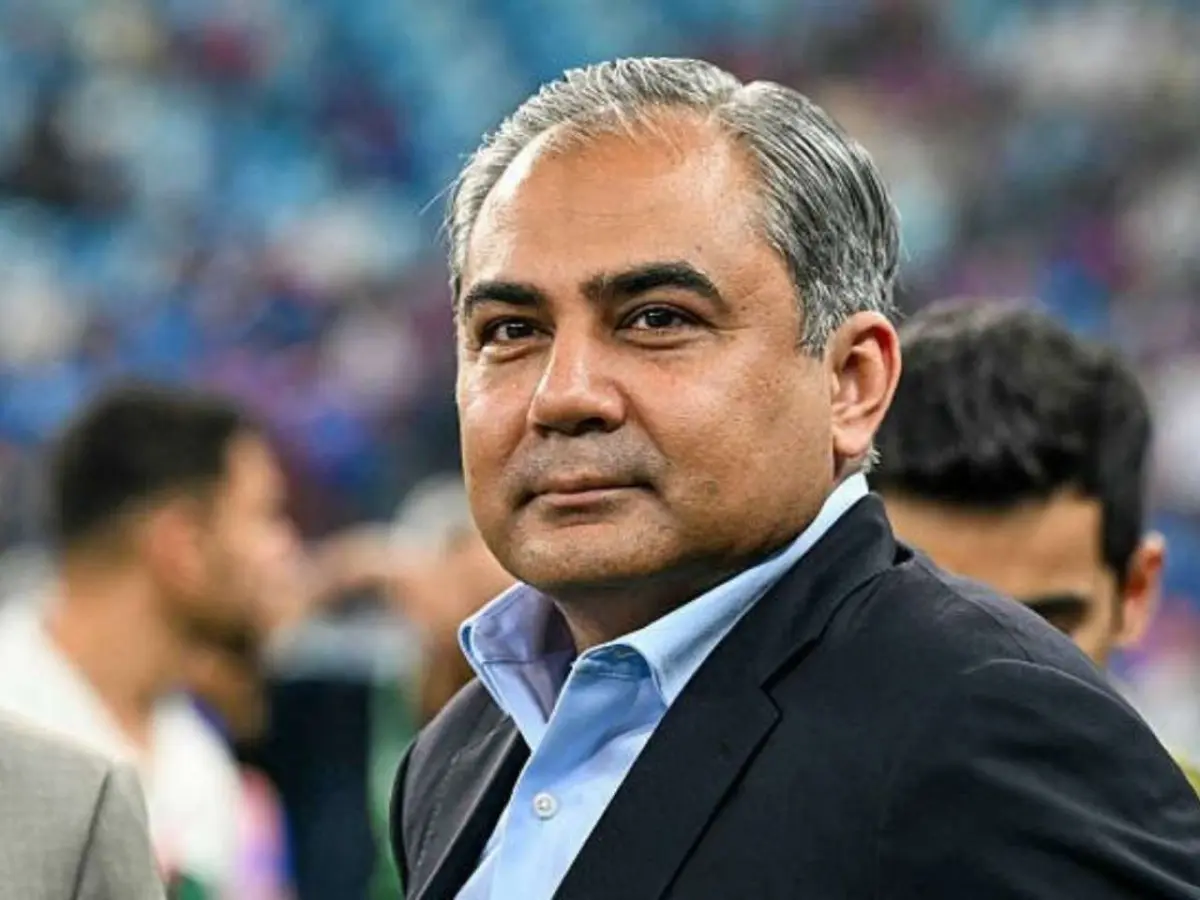
Nagoya, Japan (October 2, 2026) – The highly anticipated men’s cricket final at the Asian Games 2026, featuring arch-rivals India and Pakistan, has drawn global attention not only for the sporting spectacle but also for a significant development off the field. Mohsin Naqvi, the influential President of the Asian Cricket Council (ACC) and Chairman of the Pakistan Cricket Board (PCB), will not be in attendance for the blockbuster clash, a decision officially confirmed by the ACC just hours before the game. This announcement has effectively sidestepped a potential diplomatic and ceremonial flashpoint, given a contentious history of interactions between Naqvi and Indian cricket teams during recent trophy presentations.
The ACC’s statement, released on Friday, cited "existing obligations" as the reason for Naqvi’s absence from the finals day in Nagoya. While he extended his "warmest wishes" to all four competing teams for both the Gold and Bronze Medal Matches, the underlying context of his non-attendance resonates deeply within the cricketing fraternity, particularly in the subcontinent. The decision is widely seen as a pragmatic move to ensure a smooth, controversy-free medal ceremony, allowing the focus to remain squarely on the athletic achievements of the players.
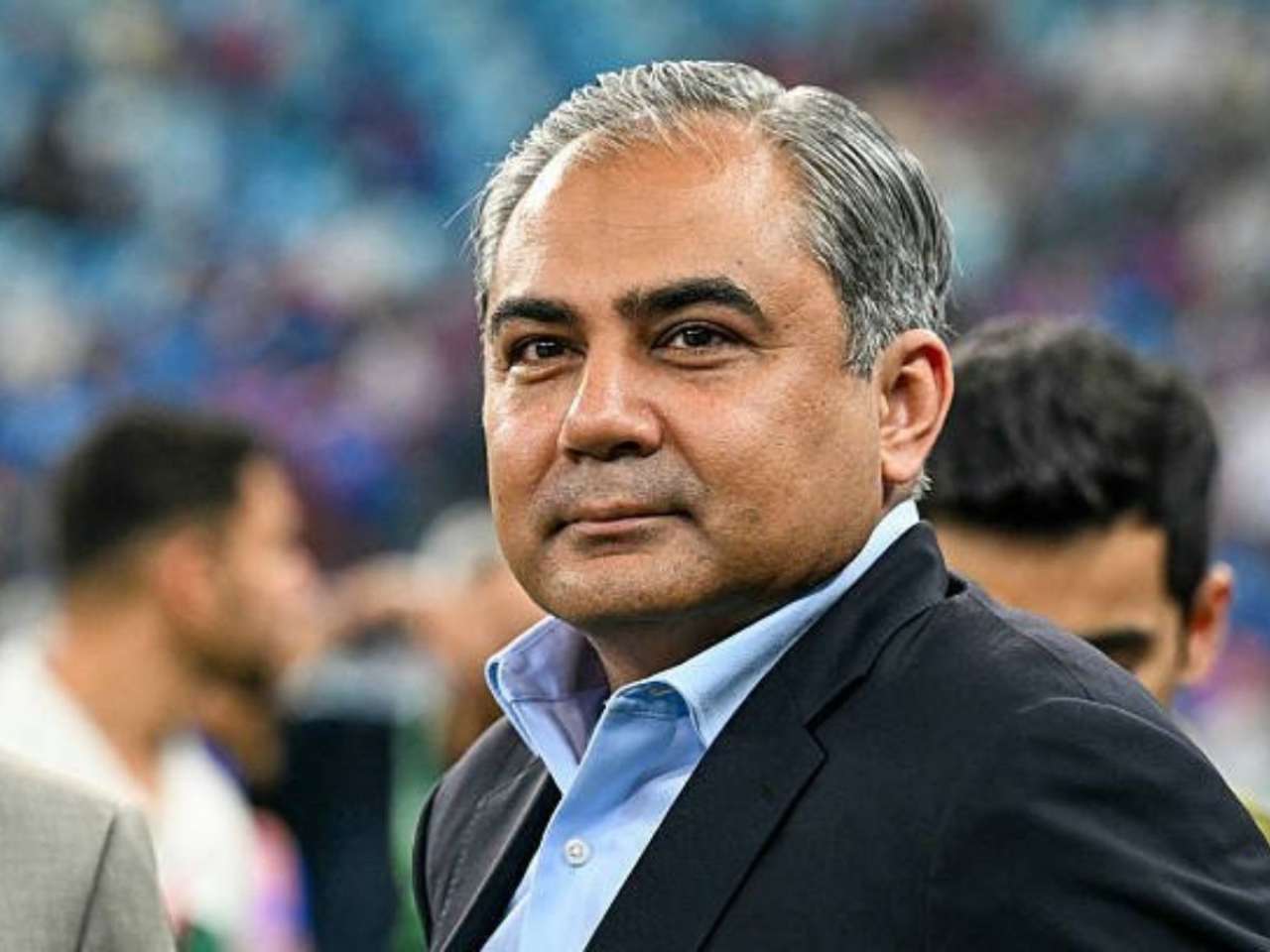
Avertive Action: Naqvi’s Absence Confirmed
The official confirmation came via a social media post from the Asian Cricket Council, which read: "ACC President Mr Mohsin Naqvi will be unable to attend Finals Day at #AsianGames2026 due to existing obligations, though he extends his warmest wishes to all four competing teams for the Gold and Bronze Medal Matches." This clear communication from the continental governing body laid to rest days of speculation regarding the presence of such a high-profile figure at one of cricket’s most charged encounters.
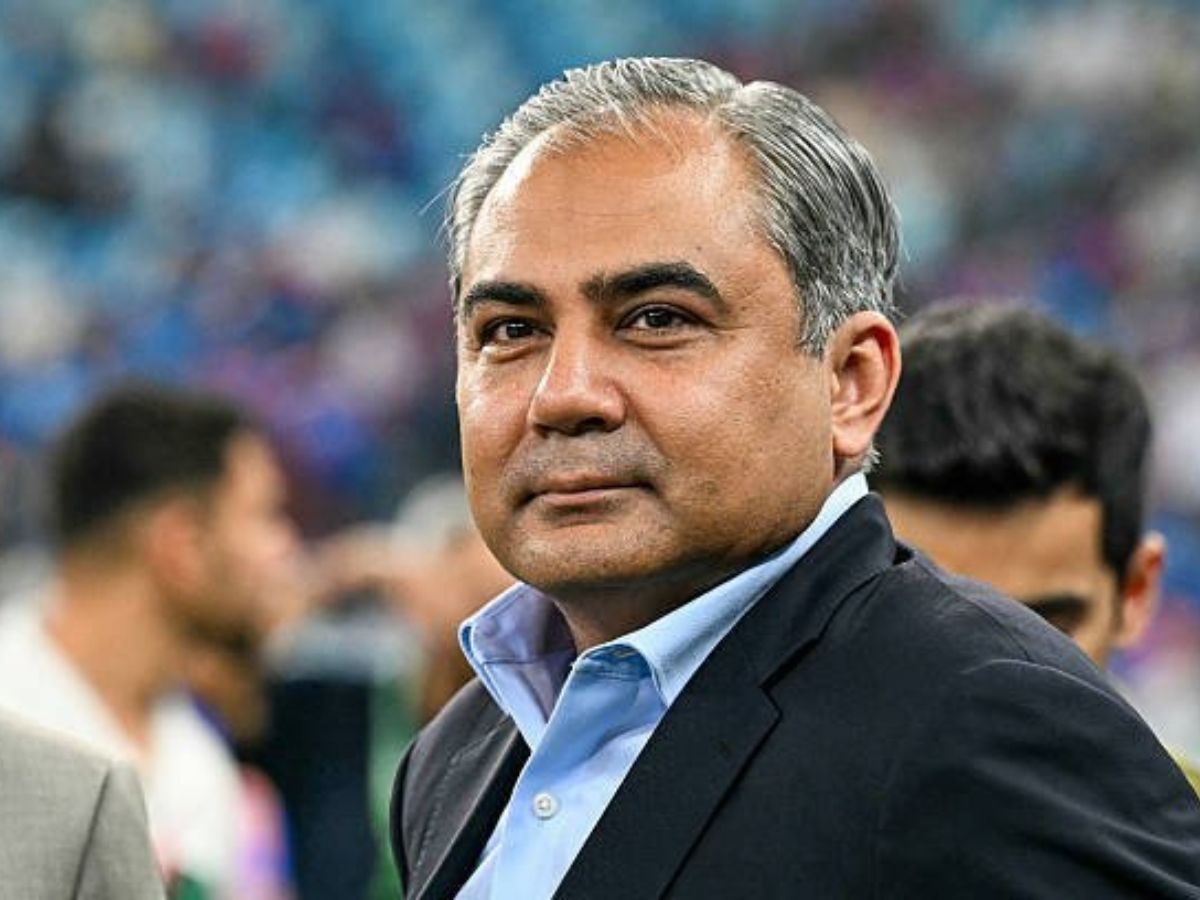
Naqvi himself reiterated the sentiment in an official statement, emphasizing that prior commitments would preclude his physical presence at the medal competitions. "I extend my best wishes to all competitors in the gold and bronze medal matches at the Asian Games 2026. While other responsibilities will keep me from attending in Nagoya, I’m eager to witness some spectacular cricket," Naqvi conveyed, underscoring his support for the event despite his unavoidable absence.
)
The men’s cricket competition at the Asian Games 2026 is culminating with the bronze-medal contest between Bangladesh and Sri Lanka, scheduled to precede the marquee India-Pakistan gold medal match on Saturday. The staging of such a significant final between the two cricketing powerhouses at a multi-sport event like the Asian Games further elevates its profile, making the protocol surrounding the medal ceremony particularly sensitive. The ACC’s pre-emptive announcement therefore serves to manage expectations and, crucially, to mitigate the risk of any repeat of past controversies that have unfortunately overshadowed sporting achievements.
A History of Protocol and Political Tensions
The speculation surrounding Mohsin Naqvi’s attendance and the subsequent decision by the ACC are rooted in a series of highly publicised incidents involving trophy presentations at recent Asia Cup tournaments. These events have highlighted the delicate intertwining of sports, politics, and national sentiment, particularly in the context of India-Pakistan relations.

The Men’s Asia Cup 2023 Precedent
The most prominent incident occurred during the Men’s Asia Cup in the previous year. Following a tense tournament, the Indian team, after clinching the title, notably declined to receive the trophy directly from Mohsin Naqvi. At the time, Naqvi held the dual responsibilities of ACC President and Pakistan’s Interior Minister, a portfolio that carries significant political weight and symbolism.
The geopolitical backdrop to this refusal was particularly strained, as the tournament took place in the wake of the Pahalgam terror attack and Operation Sindoor, events that had significantly heightened tensions between India and Pakistan. In such an atmosphere, sporting gestures often acquire broader political interpretations. The absence of traditional pre-match handshakes between the two teams throughout that tournament had already signalled a departure from conventional cricketing etiquette, underscoring the deep-seated friction. The refusal to accept the trophy from Naqvi was widely interpreted as a deliberate statement, reflecting the Indian team’s and potentially the Board of Control for Cricket in India (BCCI)’s discomfort with receiving accolades from an individual perceived to be representing a state with which political relations were severely strained. This event set a powerful precedent, indicating a clear stance on protocol when high-ranking Pakistani officials were involved in ceremonial duties pertaining to Indian teams.
)
Women’s T20 Asia Cup: A Delayed and Disputed Ceremony
The scenario from the Men’s Asia Cup was regrettably echoed and even amplified earlier this year during the Women’s T20 Asia Cup. India, captained by Harmanpreet Kaur, emerged victorious, overcoming Sri Lanka in a thrilling final. However, the post-match celebrations were overshadowed by an extraordinary delay in the trophy presentation ceremony, which stretched for approximately 50 minutes.
Throughout much of the match and the initial post-game period, Naqvi remained largely out of the spotlight. Yet, as the moment for the trophy presentation approached, he demonstrated what was described as "unwavering determination" in his intention to present the trophy. This resolve, however, further escalated tensions, especially given the presence of two prominent BCCI officials – secretary Devajit Saikia and vice-president Rajeev Shukla – at the Dubai International Stadium. Their presence indicated a clear oversight from the Indian cricket board, ready to navigate any potential protocol issues.
)
The contentious situation ultimately saw the Indian team not appearing on the field for the official trophy presentation ceremony. Instead, it was the BCCI officials, Saikia and Shukla, who took on the responsibility of awarding the fielding medal to Nandni Sharma, highlighting the Indian board’s direct involvement in ensuring their players received due recognition without engaging in the disputed protocol. Naqvi, for his part, presented the runners-up cheque to the Sri Lankan team. While the broadcaster conducted interviews with both Harmanpreet Kaur and Chamari Athapaththu, the overall atmosphere surrounding the final was once more tainted by the underlying controversy surrounding Naqvi’s involvement in the ceremonial aspects. These repeated instances painted a clear picture of the BCCI’s discomfort and firm stance, making Naqvi’s absence from the Asian Games final a less surprising, though no less significant, development.
The Dual Hat: Mohsin Naqvi’s Multiple Roles
Mohsin Naqvi’s unique position as both the President of the Asian Cricket Council (ACC) and the Chairman of the Pakistan Cricket Board (PCB), coupled with his role as Pakistan’s Interior Minister, creates a complex web of responsibilities and potential conflicts of interest. It is this multiplicity of roles that significantly complicates his presence at high-stakes sporting events involving India and Pakistan.
)
As ACC President, Naqvi is the titular head of Asian cricket, tasked with promoting the sport across the continent and ensuring the smooth conduct of tournaments. In this capacity, his presence at major finals, particularly one as significant as the Asian Games gold medal match, would typically be expected and indeed welcomed as a mark of prestige and leadership. However, his simultaneous role as PCB Chairman naturally places him in a partisan position when Pakistan is competing, potentially leading to perceptions of bias, however unintentional.
The most challenging aspect, however, is his political portfolio as Pakistan’s Interior Minister. This role is intrinsically linked to state policy, security, and diplomatic relations – areas that are highly sensitive in the context of India-Pakistan ties. When an individual holding such a powerful government position is also expected to perform ceremonial duties at a sporting event involving a rival nation with whom political relations are fraught, the lines between sportsmanship and diplomacy become irrevocably blurred.
)
For the Indian cricket establishment, particularly the BCCI, interacting with a Pakistani Interior Minister on a public podium during a trophy presentation transcends mere cricketing protocol. It is interpreted through the lens of national security and geopolitical tensions. The past incidents of refusal suggest a deep-seated reluctance to legitimise, or even appear to legitimise, a political figure from Pakistan on a platform that should ideally be apolitical. This reluctance is amplified by the memory of specific events like the Pahalgam terror attack, which are seared into national consciousness and directly inform how official interactions are perceived. Therefore, Naqvi’s multiple hats – as a sporting administrator and a high-ranking political figure – make his presence at India-Pakistan encounters inherently problematic for the Indian side, turning what should be a straightforward sporting ceremony into a potential diplomatic minefield.
Beyond the Stated Reasons: Speculation and Subtlety
While the official reason provided by the ACC for Mohsin Naqvi’s absence is "existing obligations" and "prior commitments," observers within the cricketing world and diplomatic circles understand that such phrases often serve as polite euphemisms for deeper, more nuanced considerations. The decision, while framed as a matter of scheduling, is widely interpreted as a pragmatic and strategic move designed to avert potential embarrassment and controversy.
)
The highly publicised incidents at the previous Men’s and Women’s Asia Cup tournaments left an indelible mark. The spectacle of an Indian team refusing to accept a trophy from the ACC President, particularly one who also holds a significant political portfolio in Pakistan, would undoubtedly be a major public relations headache for all parties involved – the ACC, the Olympic Council of Asia (OCA), the Asian Games organisers, and the respective cricket boards. Such an event, unfolding on a global stage like the Asian Games, where national pride and international representation are paramount, would detract significantly from the sporting achievements and draw unwanted attention to political friction.
The primary objective of any major sporting event organiser is to ensure a smooth, dignified, and celebratory medal ceremony. The risk of a repeat of the Asia Cup scenarios – a delayed ceremony, an awkward standoff, or an Indian team’s absence from the podium – would be antithetical to the spirit of the Games and the image the organisers wish to project. By confirming Naqvi’s absence, the ACC effectively removes this particular variable from the equation, allowing the focus to remain purely on the athletes’ performances and the joyous culmination of the competition.
)
Moreover, the decision could also be seen as a subtle acknowledgement of the BCCI’s unwavering stance. The Indian cricket board has consistently demonstrated its firmness on matters it deems to be of national interest or protocol sensitivity. Forcing a situation where the Indian team might again feel compelled to take a stand could lead to further escalation, potentially straining relations within the ACC itself. Therefore, Naqvi’s absence, whether self-initiated or suggested through diplomatic channels, serves as a crucial de-escalation tactic, prioritising the seamless conduct of the final and its aftermath over the presence of a specific dignitary. It’s a testament to the complexities that continue to surround India-Pakistan sporting encounters, where even a seemingly simple act like a trophy presentation can carry significant geopolitical weight.
Implications for India-Pakistan Cricket Diplomacy
Mohsin Naqvi’s decision not to attend the Asian Games final has significant implications for the delicate landscape of India-Pakistan cricket diplomacy, both in the immediate future and potentially for years to come.
)
Easing Immediate Tensions
The most immediate and tangible implication of Naqvi’s absence is the successful pre-emption of potential friction at the final. The path is now clear for a smooth and dignified medal ceremony, free from the shadow of past controversies. This allows the players, the coaching staff, and indeed the fans, to focus entirely on the cricket itself and the achievements of the teams. The absence of a potential flashpoint will be a relief for the organisers of the Asian Games, who are keen to present an image of harmony and sportsmanship. It ensures that the crowning of the Asian Games men’s cricket champion will be remembered for the sporting contest, rather than for off-field protocol disputes.
A Precedent for Future Encounters?
A crucial question now arises: will this decision set a precedent for future India-Pakistan encounters, particularly those where Naqvi remains the ACC President? If the current scenario is indeed a strategic move to avoid conflict, it suggests a recognition within the ACC that Naqvi’s presence at trophy presentations involving India is problematic. This could lead to a future pattern where other ACC officials or designated neutral figures are deputised for ceremonial duties at such high-profile matches.
)
Such a development would further underscore the deep-seated political nature of India-Pakistan cricket relations, where even the governing body for Asian cricket has to navigate sensitive diplomatic waters. It highlights the challenge for the ACC in fulfilling its mandate of promoting cricket uniformly across the continent when its own leadership’s presence can become a source of contention between its two most influential member nations.
The Role of Governing Bodies
The situation also shines a light on the delicate balancing act performed by governing bodies like the ACC and the BCCI. The ACC, under Naqvi’s leadership, must navigate the political realities while maintaining the integrity of its tournaments. The BCCI, on the other hand, has demonstrated a firm stance, arguably reflecting national sentiment and government policy, by taking a principled position on ceremonial interactions. This interplay suggests that the relationship between cricket and geopolitics in South Asia remains deeply intertwined, with sporting decisions often being influenced by broader diplomatic considerations. The fact that the ACC had to make such an announcement, effectively acknowledging the sensitivity of the situation, speaks volumes about the current state of cricket relations between India and Pakistan. It points to an ongoing challenge for these boards to find common ground for the sake of the sport, even as political differences continue to loom large.
)
The Asian Games Stage: Significance of the Final
The decision regarding Mohsin Naqvi’s absence takes on added significance given the platform of the Asian Games. As a multi-sport event under the Olympic Council of Asia (OCA), the Asian Games represents a major international stage, akin to a mini-Olympics for the continent. Cricket’s inclusion in such a prestigious event, and particularly an India-Pakistan final, amplifies its reach and importance beyond the traditional cricketing calendar.
For both India and Pakistan, winning a gold medal at the Asian Games carries immense national pride and is a significant achievement that contributes to their overall medal tally. The final is not just another cricket match; it’s a representation of national sporting prowess on a broader international stage. The global viewership for an India-Pakistan clash is always massive, but within the context of the Asian Games, it attracts an even more diverse audience, including those who may not regularly follow cricket but are tuning in for the national medal race.
)
The organisers of the Asian Games, therefore, have a vested interest in ensuring that the event concludes smoothly and focuses on the spirit of sportsmanship and friendly competition. Any controversy surrounding the medal ceremony would detract from the overall success of the Games and could potentially reflect poorly on the host nation and the OCA. By removing the potential for an awkward diplomatic incident, the ACC and the parties involved have prioritised the integrity and positive image of the Asian Games. It underscores the desire for the focus to remain on the remarkable talent and competitive spirit of the athletes, allowing them to celebrate their achievements without political shadows. The final, therefore, is not merely a cricket match; it is a moment of national pride and international sporting theatre, now set to unfold without the added layer of ceremonial tension.
Looking Ahead: The Future of India-Pakistan Cricket
The episode surrounding Mohsin Naqvi’s absence from the Asian Games final offers a glimpse into the ongoing complexities that define India-Pakistan cricket relations. While the immediate objective of a controversy-free medal ceremony has been achieved, the broader questions about the future of cricket between the two nations persist.
)
The reality is that bilateral cricket series between India and Pakistan have been suspended for over a decade due to geopolitical tensions. Their encounters are now exclusively confined to multi-nation tournaments organised by the International Cricket Council (ICC) or the Asian Cricket Council (ACC). These tournaments, therefore, become the only arenas where fans can witness this historic rivalry, making each match an event of immense significance and drawing unprecedented viewership.
The financial implications of India-Pakistan matches are colossal. Broadcasters, sponsors, and host nations stand to gain immensely from these encounters, which consistently break viewership records. This commercial imperative often clashes with the political realities, creating a constant tension between the desire to showcase the rivalry and the challenges of diplomatic engagement.
)
The current situation suggests that while sporting bodies are keen to facilitate these matches, the political sensitivities remain paramount. The decision regarding Naqvi’s absence indicates a pragmatic approach to manage these sensitivities, but it does not resolve the underlying issues. It merely sidesteps a potential flashpoint, rather than fostering a path towards more normalised sporting relations.
Moving forward, the question remains whether the two nations can ever truly separate sports from politics. The enduring passion of millions of fans on both sides of the border for India-Pakistan cricket is undeniable. Yet, until there is a significant thaw in diplomatic relations, the encounters will likely continue to be characterised by careful protocol management, political undertones, and an acute awareness of every gesture made on and off the field. The Asian Games final will undoubtedly be a thrilling contest, but it will also serve as another poignant reminder of the unique and often challenging nature of India-Pakistan sporting rivalry.
)
Conclusion
The confirmation of Mohsin Naqvi’s absence from the Asian Games 2026 men’s cricket final between India and Pakistan marks a significant development, effectively defusing a potential diplomatic and ceremonial crisis. Citing "prior commitments," the ACC President’s decision, while officially a scheduling conflict, is widely understood as a pragmatic move to avert a repeat of past controversies where Indian teams declined to receive trophies from him due to his dual role as a high-ranking Pakistani political figure.
This pre-emptive action ensures that the focus of the highly anticipated Gold Medal Match, and indeed the broader Asian Games, remains squarely on the sporting excellence and competitive spirit of the athletes. It underscores the complex interplay between sports and politics in the subcontinent, where even a routine medal ceremony can become fraught with geopolitical implications. While the immediate tensions have been eased, the incident highlights the ongoing challenges for cricket’s governing bodies in navigating the delicate diplomatic landscape that continues to define India-Pakistan sporting encounters. As India and Pakistan prepare to battle for gold in Nagoya, the cricketing world watches, hopeful for a contest remembered for its brilliance, rather than its controversies.
