

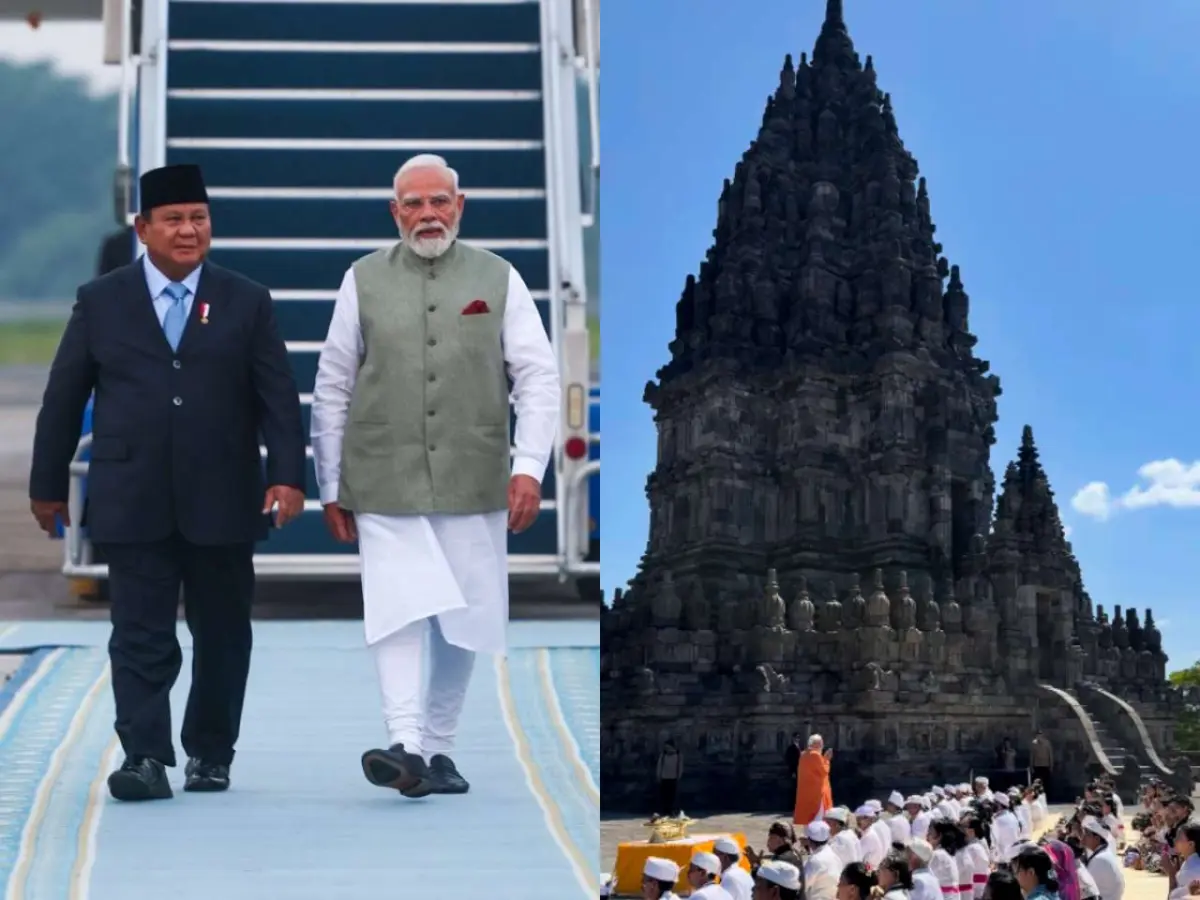
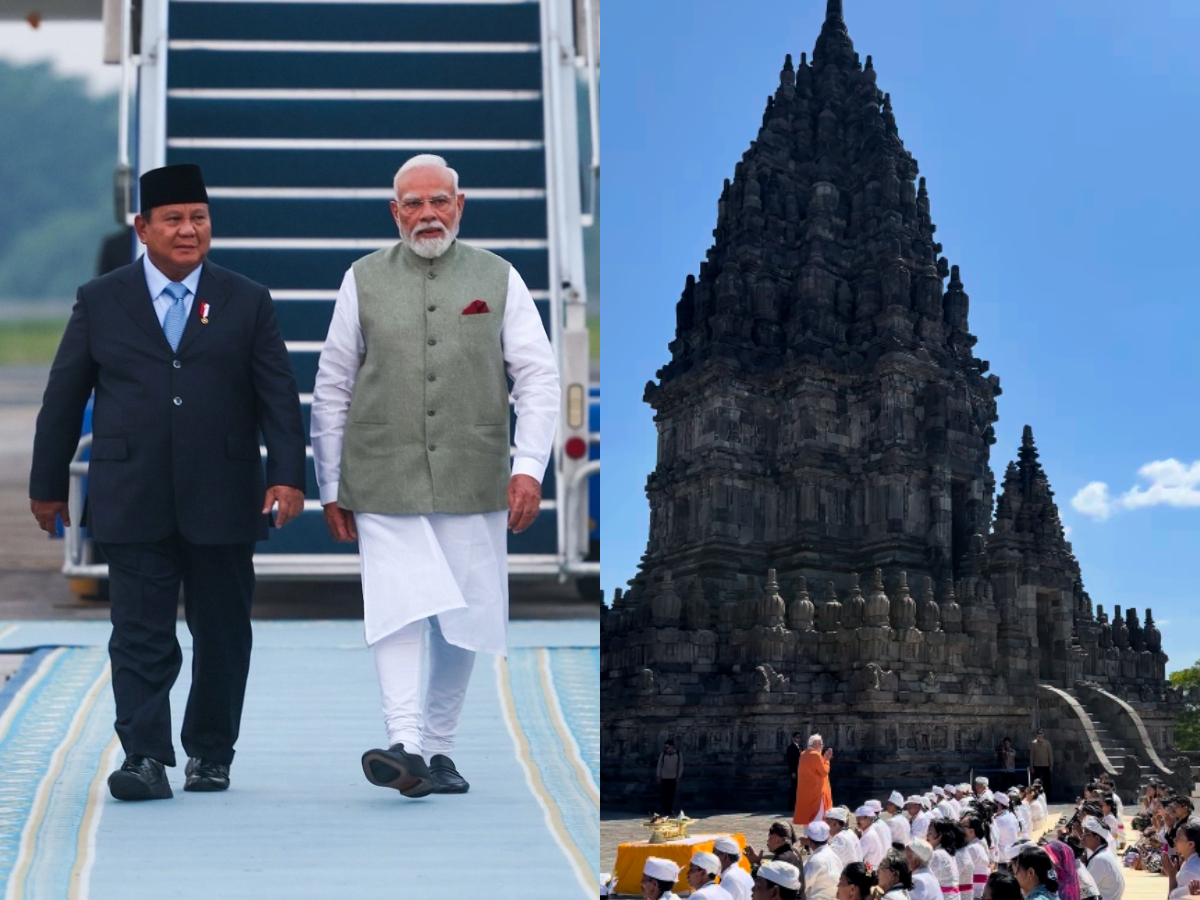
Yogyakarta, Indonesia – July 8, 2026 – During his significant state visit to Indonesia, Prime Minister Narendra Modi embarked on a profound journey into the heart of the archipelago’s rich cultural tapestry, visiting the majestic Prambanan Temple complex. This UNESCO World Heritage Site, a testament to centuries-old Hindu influence and architectural brilliance, served as a powerful symbol of the enduring historical and cultural connections between India and Indonesia. The visit underscored not only the shared heritage but also the potential for collaborative efforts in preserving these invaluable monuments for future generations.
A Symbol of Shared Heritage: India and Indonesia at Prambanan
Prime Minister Modi’s presence at Prambanan was more than just a diplomatic engagement; it was a resonant affirmation of the deep-rooted cultural bonds that have linked India and Indonesia for millennia. The ancient temple complex, a sprawling testament to the grandeur of Hindu architecture, stands proudly in Yogyakarta, Central Java. Its significance transcends its religious denomination, representing a vibrant chapter in Indonesia’s diverse historical narrative and its deep engagement with Indian cultural and spiritual traditions.
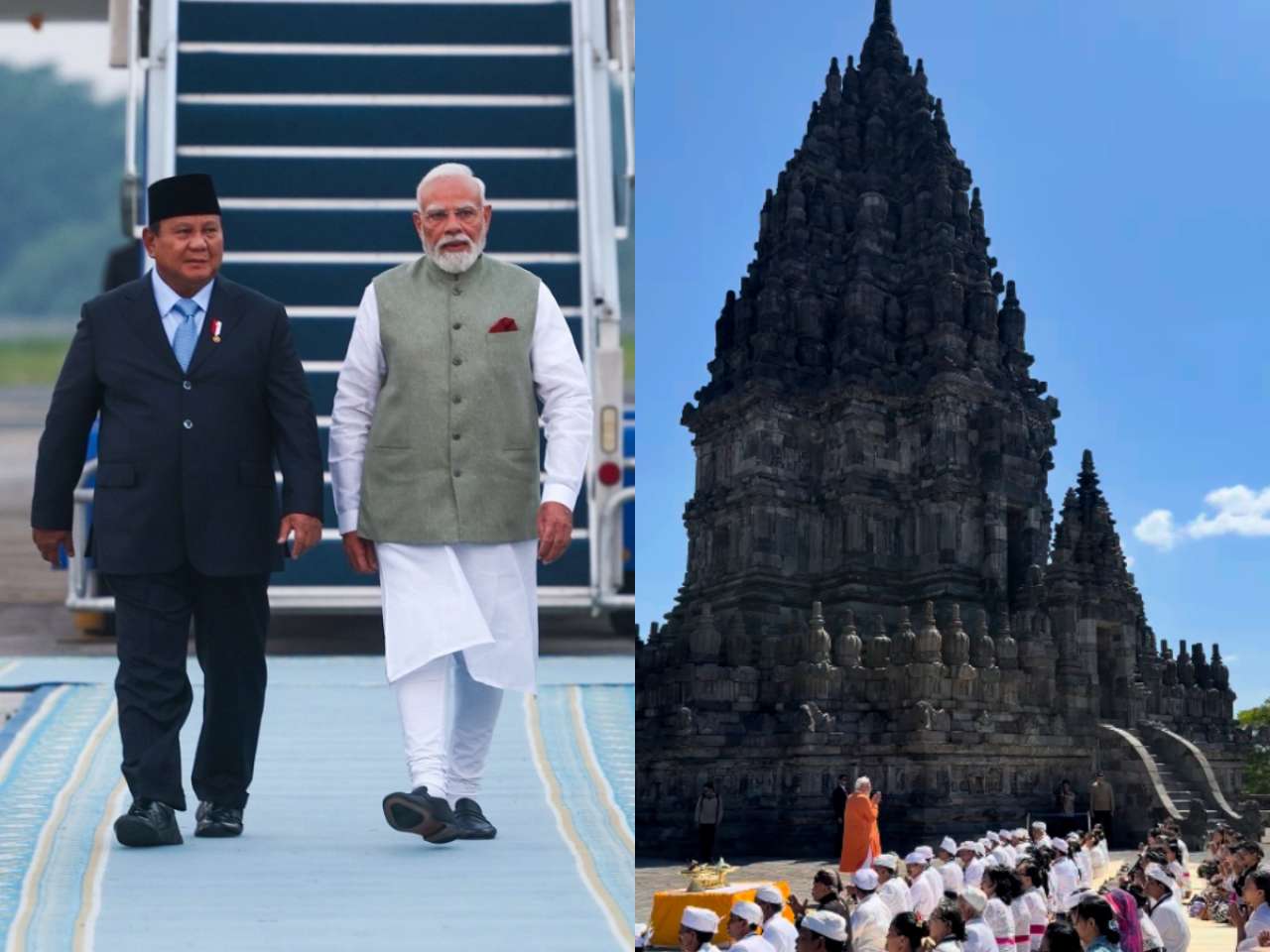
The visit highlighted the profound impact of Indian civilization on Southeast Asia, a legacy that continues to resonate across the region. Prambanan, with its towering spires and intricate carvings, stands as a silent yet eloquent witness to this historical exchange, reflecting artistic styles and religious philosophies that originated in India and were embraced and adapted by the local Javanese culture. This shared heritage forms a bedrock for contemporary diplomatic relations, fostering mutual understanding and respect.
Beyond its historical import, the visit also signaled a commitment to future collaboration. Both nations expressed keen interest in working together on the conservation and restoration of the Prambanan Temple Compound, acknowledging its global significance as a UNESCO World Heritage Site. This collaborative approach aims to ensure that this magnificent testament to human ingenuity and spiritual devotion is preserved for posterity, safeguarding its cultural and historical integrity.
)
The Majestic Prambanan: A Chronicle of Hindu Grandeur in Indonesia
Prambanan, often referred to as Indonesia’s largest Hindu temple, is a sprawling architectural marvel that commands admiration. Situated near the cultural heartland of Yogyakarta, it ranks among the most impressive Hindu temple complexes in Southeast Asia, second only to the awe-inspiring Angkor Wat in Cambodia. Its historical roots stretch back to the 9th and 10th centuries, a period marked by the flourishing of the Sanjaya dynasty of the ancient Mataram Kingdom.
The Sanjaya Dynasty and the Birth of a Monument:
The construction of Prambanan is attributed to the Sanjaya dynasty, a powerful Hindu kingdom that held sway over much of Java during the early medieval period. This era was characterized by a vibrant exchange of ideas and influences, with Indian religious and cultural practices playing a pivotal role in shaping the societal and artistic landscape of the region. The decision to erect such a monumental complex dedicated to the Hindu Trimurti—Lord Shiva, Lord Vishnu, and Lord Brahma—reflects the profound spiritual and philosophical currents of the time.

A Triad of Divine Dedication:
The architectural heart of Prambanan is its central trio of towering temples, each dedicated to one of the principal deities of the Hindu pantheon. The grandest of these is the Shiva temple, soaring to a height of approximately 47 meters. Within its sacred precincts, visitors can find exquisitely carved statues representing Lord Shiva, his consort Durga, the elephant-headed deity Ganesha, and the sage Agastya. The Vishnu and Brahma temples, while slightly smaller, are equally impressive and contribute to the overall harmonious design of the complex.
Architectural Harmony and Cosmic Representation:
The design of Prambanan is rooted in Hindu cosmology, with the temples arranged in a precise square layout. This arrangement is believed to mirror the Hindu concept of the universe, with the central temples representing the sacred Mount Meru, the abode of the gods. Originally, the complex comprised an estimated 240 temples spread across a vast area of nearly 40 hectares. While many of the smaller structures have succumbed to the ravages of time, the principal shrines have undergone meticulous restoration, allowing visitors to appreciate their former glory.
)
A Complement to Borobudur’s Buddhist Legacy:
Prambanan is often discussed in conjunction with the nearby Borobudur Temple, a magnificent monument to Indonesia’s Buddhist heritage. Together, these two colossal structures offer a comprehensive glimpse into the rich religious and cultural history of ancient Java, showcasing the coexistence and interplay of different spiritual traditions that shaped the island’s identity.
UNESCO Recognition:
In recognition of its unparalleled historical significance and architectural ingenuity, the Prambanan Temple Compound was inscribed as a UNESCO World Heritage Site in 1991. This designation underscores its universal value and the collective responsibility to preserve it for future generations.
)
The Ramayana’s Epic Journey Carved in Stone
One of Prambanan’s most captivating features is the intricate bas-reliefs that adorn its temple walls. These detailed stone carvings narrate the epic saga of the Ramayana, one of Hinduism’s most revered and influential scriptures. The narrative unfolds in a sequential manner, guiding visitors on a clockwise journey around the temple complex, mirroring the traditional circumambulation (parikrama) performed in Hindu worship.
A Visual Tapestry of an Ancient Epic:
The Ramayana carvings at Prambanan are a masterpiece of ancient Javanese art. They depict key episodes from the epic, including the birth of Prince Rama, his exile, the abduction of Sita by the demon king Ravana, the valiant efforts of Hanuman and the monkey army, and the ultimate triumph of good over evil. These visual narratives not only served an educational purpose, imparting the moral and spiritual lessons of the Ramayana to the populace, but also showcased the artistic prowess of the artisans who meticulously chiseled these stories into stone.
)
The Fusion of Indian and Javanese Artistry:
While the thematic content is undeniably Indian, the style of the carvings exhibits a distinct Javanese artistic sensibility. The figures are often depicted with flowing garments, elaborate headdresses, and serene expressions, reflecting local aesthetic preferences. This fusion of Indian motifs with indigenous artistic traditions is a hallmark of Javanese art and architecture, demonstrating how foreign influences were assimilated and transformed into something uniquely local.
The Ramayana Ballet: A Living Tradition:
The enduring legacy of the Ramayana at Prambanan is further brought to life through the spectacular open-air Ramayana ballet performances. Against the dramatic backdrop of the illuminated temple complex, dancers, musicians, and actors recreate the epic tale, blending traditional Javanese dance, music, and drama. These performances are a vibrant testament to the living cultural heritage that Prambanan represents, drawing audiences from around the world to witness this captivating spectacle.
)
The Legend of Princess Roro Jonggrang: A Tale of Love, Deception, and Stone
Beyond its historical and religious significance, Prambanan is deeply intertwined with a beloved Javanese legend: the story of Princess Roro Jonggrang. This captivating folklore adds a layer of mystique and romance to the temple complex, contributing to its enduring appeal.
A Love Story with a Supernatural Twist:
According to the legend, the beautiful Princess Roro Jonggrang was betrothed to the powerful warrior Bandung Bondowoso. However, the princess, seeking to avoid the marriage, presented him with an impossible challenge: to build 1,000 temples in a single night. Unbeknownst to her, Bandung Bondowoso possessed supernatural powers and enlisted the aid of legions of spirits to fulfill her demand.
)
The Trickery of Dawn:
As the night drew to a close and the prince neared completion of the thousandth temple, the princess, desperate to thwart his success, resorted to a cunning trick. She ordered her servants to light fires and pound rice in the surrounding villages, simulating the arrival of dawn. The spirits, believing their task was impossible to complete before sunrise, fled, leaving the final temple unfinished.
A Curse and an Eternal Vigil:
Infuriated by the princess’s deception, Bandung Bondowoso, in his wrath, cursed Roro Jonggrang, transforming her into stone. Local tradition holds that the statue of Goddess Durga within the Shiva temple at Prambanan is, in fact, the petrified form of Princess Roro Jonggrang. While historians view this tale as folklore, it continues to be a cherished part of the local narrative, imbuing the temple with an aura of ancient myth and legend.
)
From Ancient Ruins to a Global Icon: The Resilient Journey of Prambanan
The history of Prambanan is also a narrative of resilience, of a magnificent structure that faced periods of decline and destruction, only to be rediscovered and painstakingly restored.
The Shadow of Decline:
Following a shift in political power and the eventual decline of the Mataram Kingdom around the 10th century, Prambanan gradually fell into disrepair. A series of natural calamities, including volcanic eruptions and earthquakes, coupled with years of neglect, took their toll on the temple complex. Many of its structures were reduced to rubble, buried beneath layers of volcanic ash and overgrown vegetation, rendering it a forgotten relic of a bygone era.
)
Rediscovery and Restoration Efforts:
The site remained largely lost to memory until its rediscovery by European explorers in the 19th century. This marked the beginning of a long and arduous process of archaeological investigation and restoration. Efforts were undertaken to unearth the buried structures and piece together the fragmented remains of the ancient temples.
Enduring the Test of Time and Tremors:
Despite significant restoration work, Prambanan faced another severe setback in 2006 when a powerful earthquake struck Yogyakarta, causing further damage to the already fragile structures. However, the commitment to preserving this invaluable heritage remained strong. Ongoing restoration projects, often supported by international collaboration, have continued to stabilize and repair the damaged sections, ensuring the temple’s continued existence.
)
A Beacon of Cultural Tourism:
Today, while many of the smaller temples within the complex are still in various stages of reconstruction, the main shrines stand proudly, having been meticulously restored. Prambanan has emerged as one of Indonesia’s premier tourist attractions, drawing millions of visitors annually who come to marvel at its architectural grandeur, delve into its rich history, and experience the enduring spirit of ancient Java.
The Enduring Significance of Hindu Heritage in Modern Indonesia
Despite the fact that Indonesia is the world’s most populous Muslim-majority nation today, the influence of Hindu traditions remains a vital and integral component of the country’s historical and cultural identity. The arrival of Hindu and Buddhist influences in the Indonesian archipelago dates back over 1,500 years, primarily through extensive trade routes and vibrant cultural exchanges with India.
)
The Golden Age of Hindu-Buddhist Kingdoms:
For centuries, various Hindu and Hindu-Buddhist kingdoms flourished across different islands, including Java and Sumatra, leaving behind a rich legacy of temples, inscriptions, and cultural practices. These kingdoms were centers of learning, art, and spirituality, and their influence permeated all aspects of society.
Bali: The Contemporary Bastion of Hinduism:
While Hindu traditions have left an indelible mark across Indonesia, the island of Bali stands as the contemporary epicenter of Hinduism in the archipelago. Its unique cultural and religious landscape, where Hindu practices are deeply interwoven into daily life, offers a vibrant continuation of ancient traditions.
)
Prambanan: A Living Testament to a Glorious Past:
Monuments like Prambanan serve as powerful reminders of this multifaceted historical journey. They are not merely relics of the past but are active symbols that connect modern Indonesia to its ancient heritage. The presence of such magnificent structures, built centuries ago during periods of Hindu dominance, underscores the country’s diverse religious and cultural evolution. Prime Minister Modi’s visit to Prambanan was thus a recognition of this profound historical continuum, celebrating the shared human story of cultural exchange, spiritual exploration, and artistic achievement that binds India and Indonesia together across the vast expanse of time and geography.
