

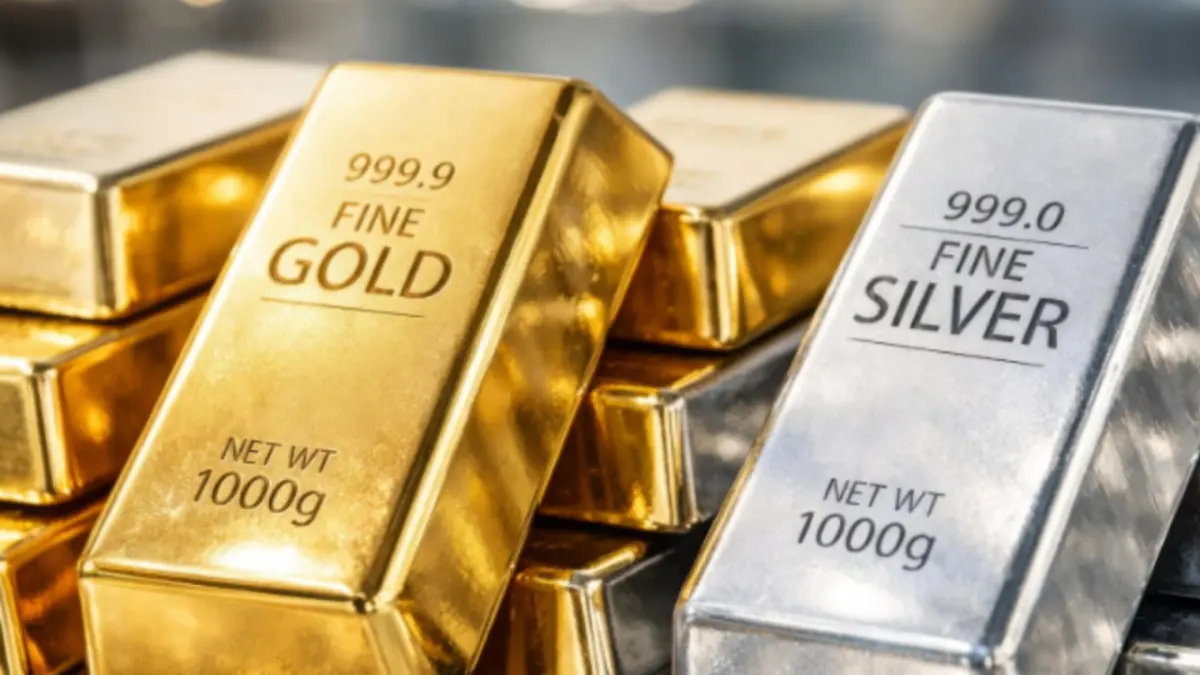
Mumbai, India – September 30, 2026 – India’s vibrant bullion markets continue to reflect a complex interplay of global economic forces and deeply entrenched domestic demand. As of September 30, 2026, both gold and silver prices are experiencing moderate fluctuations, driven by international market trends, the strength of the Indian Rupee against major currencies, and the perennial local appetite for precious metals, particularly ahead of the nation’s festive season. Investors and consumers alike are closely monitoring these shifts, understanding that these metals represent not just commodities but also cultural symbols, hedges against inflation, and significant investment avenues.
The current landscape for gold and silver is shaped by a confluence of factors, ranging from geopolitical stability and global interest rate expectations to the specific buying patterns within India. Today’s figures offer a snapshot of this dynamic environment, highlighting marginal increases in gold prices, largely attributed to persistent global demand and underlying inflationary pressures that make safe-haven assets more appealing. Silver, while less expensive, mirrors gold’s trajectory, with its industrial utility playing an equally significant role in its valuation.
Main Facts: A Snapshot of Today’s Precious Metal Prices
As the trading day progresses on September 30, 2026, the key benchmarks for gold and silver in India present a nuanced picture for both investors and consumers. The market is showing a slight upward tick for gold, signaling sustained interest despite global uncertainties.
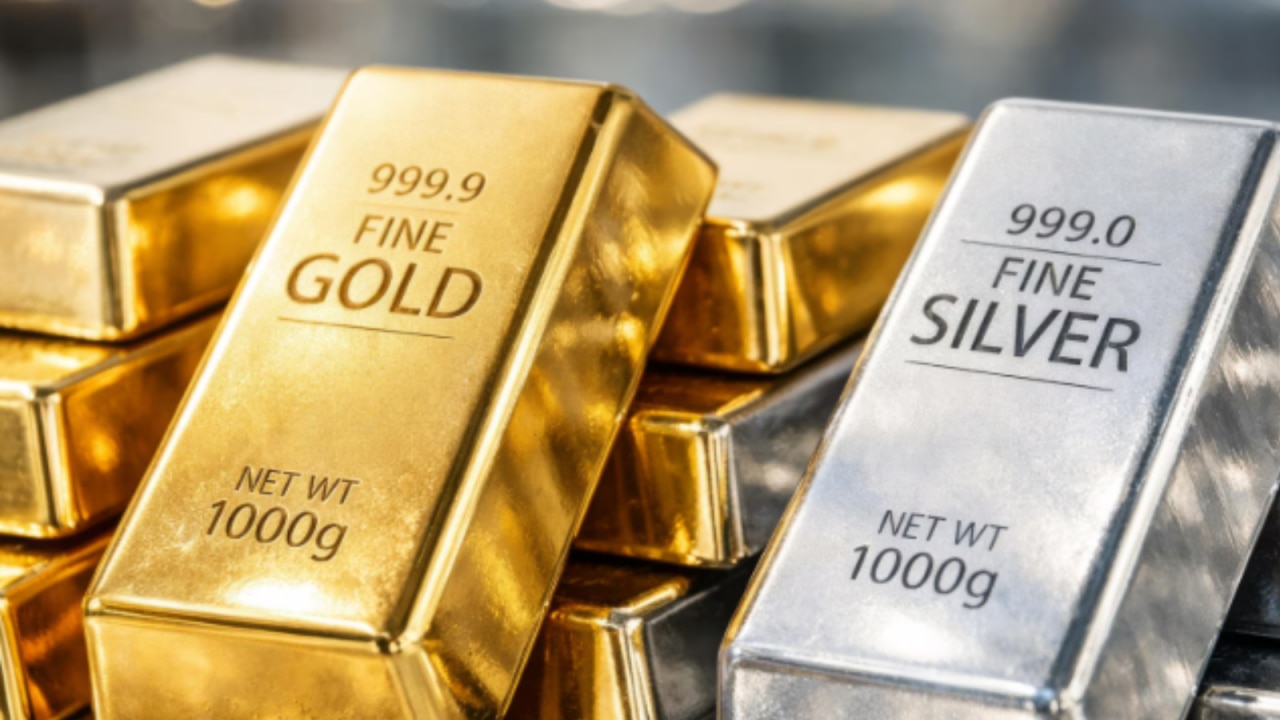
Gold Prices on September 30, 2026:
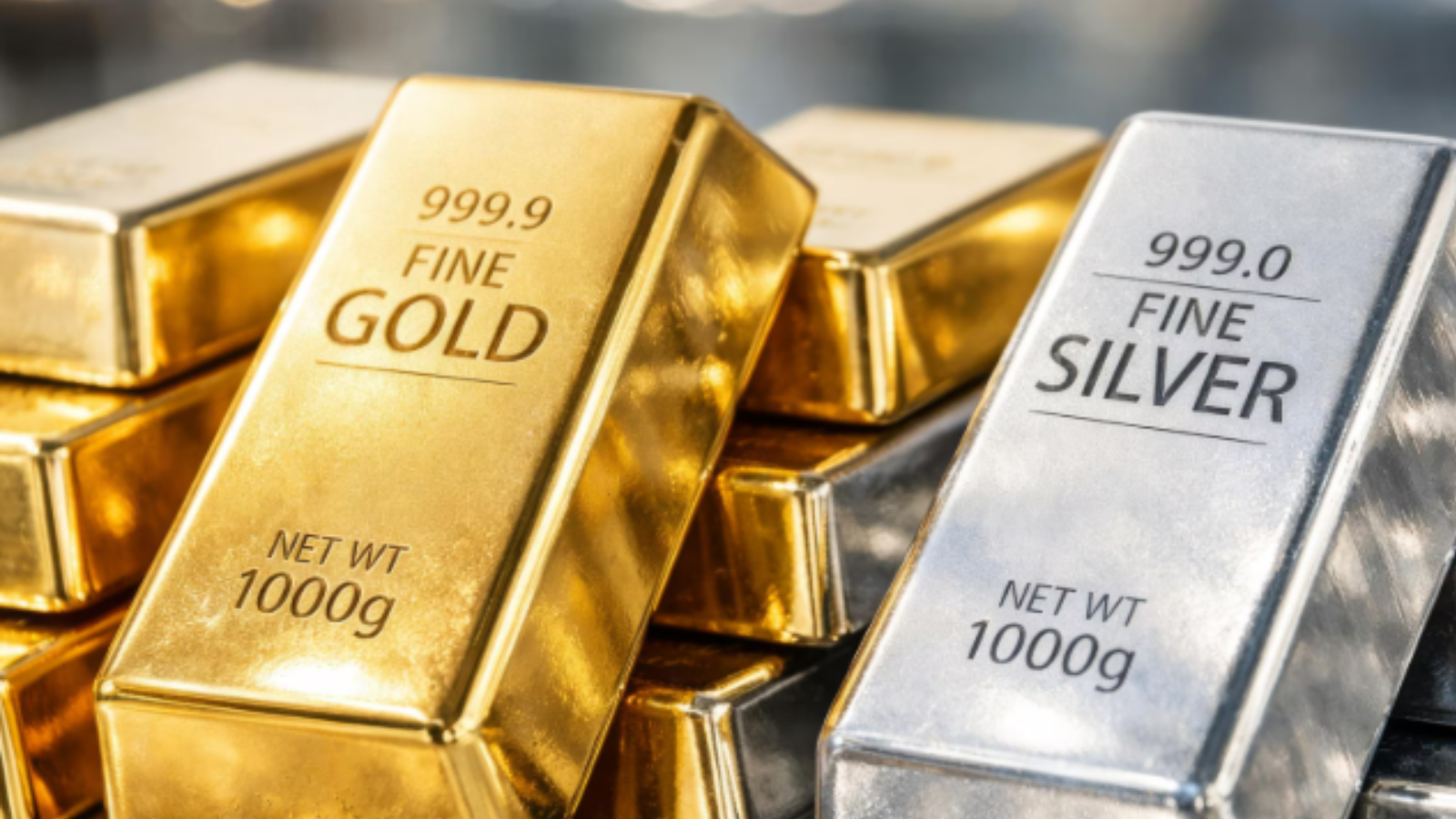
The price of gold across India today has registered a marginal uptick, primarily influenced by a combination of international demand and lingering inflationary concerns. For those seeking the purest form, 24K gold (999 pure) is presently valued at Rs 14,879 per gram on average. This benchmark purity is often preferred by investors for its intrinsic value and ease of storage in digital or physical forms.
For the vast majority of Indian consumers, who predominantly purchase gold for jewellery, 22K gold (91.67% pure), also known as standard jewellery gold, is priced at Rs 13,639 per gram. The difference in price reflects the alloy content, which provides durability and allows for intricate designs.
)
City-wise Gold Rates (as per Good Returns):
While national averages provide a general indication, local market dynamics, including state taxes and logistical costs, can lead to slight variations.
- Gold prices in Delhi:
- 24K gold: Rs 14,894 per gram
- 22K gold: Rs 13,654 per gram
- Gold prices in Mumbai:
- 24K gold: Rs 14,879 per gram
- 22K gold: Rs 13,639 per gram
- Gold prices in Kolkata:
- 24K gold: Rs 14,879 per gram
- 22K gold: Rs 13,639 per gram
- Gold prices in Chennai:
- 24K gold: Rs 14,879 per gram
- 22K gold: Rs 13,639 per gram
The slight premium observed in Delhi compared to other major metros is a recurring pattern, often attributed to specific local demand patterns, regional taxes, or the higher concentration of high-end jewellery markets.

Silver Prices on September 30, 2026:
Silver, often referred to as "the poor man’s gold," also demonstrates significant market activity. As of today, the price of 999 pure silver stands at approximately Rs 2,39,900 per kilogram, translating to Rs 2,399 per 10 grams. This purity is standard for investment-grade silver bars and coins.
For those interested in sterling silver, commonly used in jewellery and silverware, Silver 925 is priced at Rs 2,44,000 per kilogram. The higher price per kilogram for 925 silver might seem counter-intuitive as it’s less pure, but it reflects specific market segments and the crafting costs associated with this alloy, which is widely popular for its durability and aesthetic appeal.
)
City-wise Silver Rates (999 pure):
Unlike gold, silver prices today show remarkable uniformity across major Indian cities, suggesting a more centralized pricing mechanism or less significant local tax variations for investment-grade silver.
- Silver price in Delhi: Rs 2,399 per 10 grams
- Silver price in Mumbai: Rs 2,399 per 10 grams
- Silver price in Kolkata: Rs 2,399 per 10 grams
- Silver price in Chennai: Rs 2,399 per 10 grams
These figures underscore the dynamic nature of India’s precious metals market, where global economic shifts meet deeply rooted cultural practices and investment strategies.
)
Chronology: A Trajectory of Volatility and Resilience in 2026
The current prices on September 30, 2026, are not isolated figures but the culmination of a year marked by significant global economic developments and shifting investor sentiments. The trajectory of gold and silver throughout 2026 has been characterized by periods of both volatility and resilience, reflecting a complex interplay of factors.
The year began with heightened optimism in global markets, fueled by expectations of controlled inflation and stable economic growth. However, this sentiment soon faced challenges. By late Q1 and early Q2 2026, renewed concerns over global supply chain disruptions, coupled with geopolitical tensions in Eastern Europe and the Middle East, began to fuel safe-haven demand for gold. This period saw gold prices steadily climb, moving past key psychological resistance levels, as investors sought refuge from equity market uncertainties.
Mid-year, the narrative shifted slightly. Major central banks, including the US Federal Reserve and the European Central Bank, continued to grapple with persistent inflationary pressures. While some initial rate hike cycles had concluded, the discussion around potential further tightening or the duration of high interest rates created headwinds for non-yielding assets like gold. This led to a temporary cooling off in price surges, with gold consolidating around its elevated levels.
)
Silver, often mirroring gold’s movements but with higher volatility due to its industrial applications, followed a similar pattern. Early 2026 saw robust industrial demand, particularly from the renewable energy sector (solar panels) and electronics manufacturing, providing a strong floor for prices. However, any slowdown in global manufacturing or concerns over economic recession periodically dampened this demand, causing sharper pullbacks than observed in gold.
As Q3 2026 drew to a close, a renewed focus on the long-term inflationary outlook and the continued depreciation of the Indian Rupee against the US Dollar began to push local gold and silver prices upwards. The anticipation of India’s peak festive and wedding season, traditionally a period of heightened gold purchases, also started to factor into the market sentiment. Thus, the slight increase observed on September 30 reflects this late-quarter momentum, driven by a combination of global macroeconomics and impending domestic seasonal demand. The current prices are a testament to the enduring appeal of precious metals in an ever-evolving economic landscape.
Supporting Data: Deeper Dive into Influencing Factors
The prices of gold and silver in India are not merely numbers; they are barometers of a multifaceted global and local economic environment. Understanding the forces that shape these values is crucial for anyone engaging with precious metals.
)
Global Market Trends: The Macroeconomic Bedrock
International gold and silver prices are foundational to their Indian counterparts. Several global factors exert significant influence:
- Geopolitical Stability: Periods of political unrest, conflicts, or major international disputes invariably lead to a surge in safe-haven demand for gold. In 2026, ongoing tensions in various regions continue to provide an underlying support for gold prices.
- Global Economic Growth: Strong global growth typically reduces safe-haven demand but can boost industrial demand for silver. Conversely, fears of recession push investors towards gold. The current global economic outlook, marked by uneven recovery and inflationary concerns, keeps both metals relevant.
- Central Bank Policies & Interest Rates: Decisions by major central banks, particularly the US Federal Reserve, on interest rates have a profound impact. Higher interest rates typically make non-yielding assets like gold less attractive compared to interest-bearing instruments. However, if inflation outpaces interest rate hikes, gold’s appeal as an inflation hedge remains strong.
- US Dollar Strength: Gold is priced in US Dollars globally. A stronger US Dollar makes gold more expensive for holders of other currencies, potentially dampening demand. Conversely, a weaker dollar makes gold cheaper, often leading to increased buying interest. The INR-USD exchange rate then translates this global price into local currency terms.
- Commodity Market Dynamics: Precious metals are part of the broader commodity complex. Trends in crude oil, industrial metals, and agricultural commodities can sometimes correlate with or influence gold and silver prices, especially through their impact on inflation expectations.
Local Demand: The Indian Heartbeat
India’s unique position as one of the world’s largest consumers of gold is driven by cultural, religious, and economic factors:
- Festive Season & Weddings: The upcoming festive season, including Diwali, Dhanteras, and the subsequent wedding season, is a perennial driver of gold demand. Gold jewellery and coins are integral to these celebrations and traditions, making this period crucial for price dynamics.
- Rural Demand: A significant portion of India’s gold demand originates from rural areas, where gold is not just an ornament but also a primary form of savings and financial security, especially for agricultural communities. Good monsoon seasons and higher crop yields often translate into increased gold purchases.
- Inflation Hedge: For many Indian households, gold serves as a traditional and trusted hedge against inflation, preserving purchasing power over time, particularly during periods of economic uncertainty.
- Cultural Significance: Gold holds immense cultural and religious significance, making it an indispensable part of rituals, gifts, and investments across diverse communities. This intrinsic value ensures a consistent baseline demand regardless of price fluctuations.
Currency Rates: The Local Translator
The exchange rate between the Indian Rupee (INR) and the US Dollar (USD) is a critical determinant of local gold prices. Since international gold is denominated in USD, a depreciation of the INR against the USD makes imported gold more expensive in Rupee terms, even if the international dollar price remains constant. Conversely, an appreciation of the Rupee can make gold cheaper locally. In 2026, the Rupee’s performance against the Dollar has been a key factor in the upward movement of local gold prices.
)
Industrial Demand for Silver: A Dual Role
While gold is primarily a monetary and jewellery metal, silver plays a dual role as both an investment asset and a critical industrial commodity.
- Electronics: Silver’s excellent electrical conductivity makes it indispensable in electronics, including switches, contacts, and printed circuit boards.
- Solar Energy: The rapidly expanding solar photovoltaic (PV) industry is a major consumer of silver, used in solar cells. Growth in renewable energy significantly boosts silver demand.
- Photography & Medicine: Although its use in traditional photography has declined, silver compounds still find applications in medical imaging and antibacterial agents.
- Investment & Jewellery: Like gold, silver is also bought as bullion (coins, bars) for investment and crafted into jewellery, particularly in regions where it is more prevalent than gold.
The interplay of these factors creates a complex and often unpredictable market for precious metals, requiring constant vigilance from participants.
Official Responses and Expert Opinions
While daily price fluctuations in commodities like gold and silver don’t typically elicit direct official government responses, broader economic policies and statements from central banks and industry bodies provide crucial context and indirectly influence market sentiment.
)
Reserve Bank of India (RBI) and Government Stance:
The Reserve Bank of India (RBI) consistently monitors inflation, currency stability, and the nation’s current account deficit. While the RBI does not target gold prices, its monetary policy decisions – particularly concerning interest rates and liquidity management – profoundly impact the broader economic environment in which gold and silver operate. For instance, any hawkish stance to curb inflation, even if not directly referencing precious metals, can indirectly make non-yielding assets less attractive. Conversely, a dovish stance could provide support.
In early 2026, the RBI’s focus remained on managing inflation within its target band while supporting economic growth. Statements from the Finance Ministry have often highlighted the government’s efforts to promote domestic manufacturing and reduce reliance on imports, including gold. However, the cultural significance of gold means that outright restrictions are rarely implemented, with policies often focusing on encouraging official channels for imports and promoting digital gold options to formalize transactions.
"The government’s long-term economic strategy aims for sustainable growth, which naturally influences market stability and investor confidence," stated a senior official from the Ministry of Finance, speaking generally on economic indicators earlier in the year. "We continue to monitor global economic shifts closely to ensure resilience in our financial markets."
)
Market Analysts and Industry Bodies:
Commodity analysts and industry bodies offer more direct insights into the precious metals market.
Mr. Alok Sharma, a veteran commodity analyst with "Bullion Insights India," commented on the current scenario: "The slight increase in gold prices today, despite global interest rate uncertainties, underscores its enduring role as a safe haven. We’re seeing sustained buying interest globally, partly due to geopolitical undercurrents and partly due to a longer-term view on inflation. For India, the approaching festive season is already starting to build a floor for prices, and we anticipate this demand to strengthen in October and November."
Regarding silver, Ms. Priya Singh, an analyst specializing in industrial metals at "Global Metals Research," noted: "Silver’s dual nature means it’s constantly balancing investment demand with industrial consumption. While global manufacturing output has shown some moderation in Q3, the long-term outlook for green technologies, especially solar, continues to provide robust support. Any significant breakthrough in these sectors or government incentives can trigger a sharp rally in silver."
)
The Indian Bullion and Jewellers Association (IBJA), a prominent trade body, often voices the industry’s perspective. An IBJA spokesperson, while not commenting on daily fluctuations, reiterated the industry’s preparedness for the festive surge. "Retailers across the country are stocking up, expecting healthy demand. Consumer sentiment remains positive towards gold, viewing it as a reliable asset in uncertain times," the spokesperson remarked in a recent industry brief. They also highlighted the importance of transparent pricing and purity standards for consumer confidence.
These expert opinions collectively suggest a market that is fundamentally supported by both macro-economic factors and strong domestic cultural drivers, with a cautious optimism prevailing despite ongoing global uncertainties.
Implications: For Investors, Consumers, and the Broader Economy
The daily movements in gold and silver prices carry significant implications for various stakeholders, influencing investment strategies, consumer purchasing decisions, and the overall economic health of the nation.
)
For Investors: Strategic Allocation and Diversification
For investors, the current price levels on September 30, 2026, present a nuanced scenario. Gold, maintaining its upward trajectory, reinforces its role as a vital portfolio diversifier and a hedge against inflation. In a period marked by global economic uncertainties and persistent inflationary pressures, allocating a portion of one’s portfolio to gold can help preserve capital.
- Long-term vs. Short-term: Long-term investors often view gold as a wealth preserver, immune to the volatility of equities. Short-term traders, however, must be agile, leveraging price fluctuations driven by geopolitical news or central bank announcements.
- Physical vs. Digital Gold: The rise of digital gold platforms and Gold ETFs has democratized access to gold investment, offering convenience and security without the hassles of physical storage. However, physical gold (jewellery, coins, bars) remains popular, especially in rural areas, for its tangible appeal and cultural significance.
- Silver as an Investment: Silver, with its higher volatility, offers potentially higher returns but also greater risk. Its dual role (industrial and investment) means investors must monitor both economic growth indicators and safe-haven sentiment. It can be a good option for investors seeking higher beta exposure to the precious metals complex.
For Consumers: Timing Purchases and Purity Concerns
Indian consumers, deeply intertwined with gold and silver through tradition, are particularly sensitive to price movements.
- Festive Season Purchases: With the festive season approaching, many consumers might consider making purchases now, anticipating further price increases driven by demand. However, a ‘wait and watch’ approach might also be adopted if they expect a temporary dip.
- Purity and Authenticity: The variation in prices for 24K and 22K gold, and 999 and 925 silver, underscores the importance of understanding purity levels. Consumers must ensure they purchase from reputable jewellers who provide certified purity (e.g., BIS hallmark for gold) to avoid being overcharged or sold substandard products.
- Budgeting: For many, gold purchases are significant financial decisions. Fluctuating prices necessitate careful budgeting and planning, often leading to staggered purchases or opting for lighter jewellery pieces.
For the Broader Economy: Trade Balance and Inflationary Pressures
The precious metals market has broader implications for India’s economy:
)
- Current Account Deficit (CAD): India is a major importer of gold. High gold imports, especially during periods of strong demand and rising international prices, can significantly widen the nation’s CAD, putting pressure on the Rupee and potentially impacting macroeconomic stability.
- Inflationary Impact: Rising gold prices can be both a symptom and a contributor to inflation. As an inflation hedge, its rising value reflects broader price increases in the economy. However, higher gold prices also feed into consumer spending patterns and expectations.
- Financialization of Savings: The government and RBI have been keen on financializing household savings, encouraging investments in instruments like mutual funds, equities, and bonds, rather than solely physical gold. While gold remains dominant, the growth of digital gold and sovereign gold bonds indicates a shift towards more formalized and productive uses of savings.
- Jewellery Industry Health: The health of India’s vast jewellery industry, which employs millions, is directly tied to gold and silver prices. Price stability and predictable trends enable better inventory management and production planning, supporting artisans and retailers.
In conclusion, the prices of gold and silver on September 30, 2026, are not just daily figures but indicators of deeper economic currents. They reflect India’s intricate relationship with precious metals, where global economic forces, local cultural traditions, and astute investment strategies converge to shape market dynamics for millions. Navigating this market successfully requires a keen understanding of these diverse influences and their far-reaching implications.
