

PERSONAL FINANCE
New Delhi, India – September 29, 2026 – India’s vibrant and historically significant precious metals market continues to be a focal point for investors, consumers, and economists alike. As of today, September 29, 2026, the prices of gold and silver across the nation reflect a complex interplay of global economic forces, domestic demand patterns, and the ever-shifting landscape of currency valuations. While gold has seen a slight uptick driven by persistent global demand and inflationary concerns, silver’s trajectory remains influenced by its dual role as both a precious metal and a critical industrial commodity.
The intricate dynamics of these markets mean that daily fluctuations are not merely numbers, but indicators of broader economic health and investor sentiment. This comprehensive analysis delves into the current pricing, the factors shaping these values, and the wider implications for India’s economy and its citizens.
Main Facts: Gold and Silver Prices Today
The morning of September 29, 2026, brings a renewed focus on precious metal valuations, with gold exhibiting a marginal increase and silver holding steady with regional variations. These movements underscore the metals’ enduring appeal as hedges against uncertainty and stores of value.
)
For gold, the purity and international benchmarks remain key determinants. The price of 24-karat gold (999 pure gold) has edged up to ₹15,016 per gram, reflecting a cautious optimism among global investors. Concurrently, 22-karat gold, the preferred choice for jewellery due to its durability and malleability, is priced at ₹13,764 per gram. This slight increase is largely attributed to a confluence of global demand pressures and ongoing concerns about inflation in major economies.
Silver, often considered the ‘poor man’s gold’ but with significant industrial utility, also presents an interesting picture. The price of standard 999 pure silver is approximately ₹239,900 per kilogram. For those interested in finer grades, Silver 925, or sterling silver, is currently valued at ₹244,000 per kilogram. While generally less expensive than gold, silver’s widespread use in both investment portfolios and industrial applications ensures its prices are subject to distinct influences, particularly from manufacturing and technological sectors.

These figures are more than just daily rates; they represent the ongoing dialogue between international market trends, the strength of the Indian Rupee against the US Dollar, and the deep-seated cultural and economic importance of these metals within India.
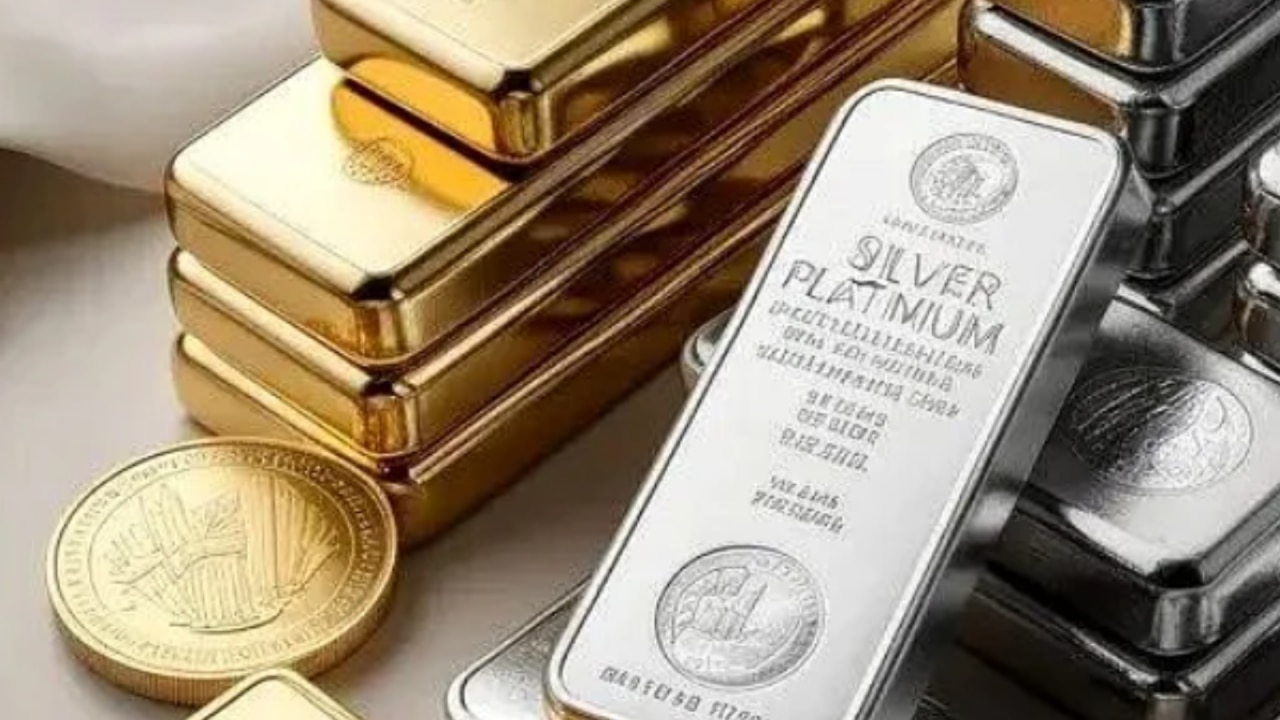
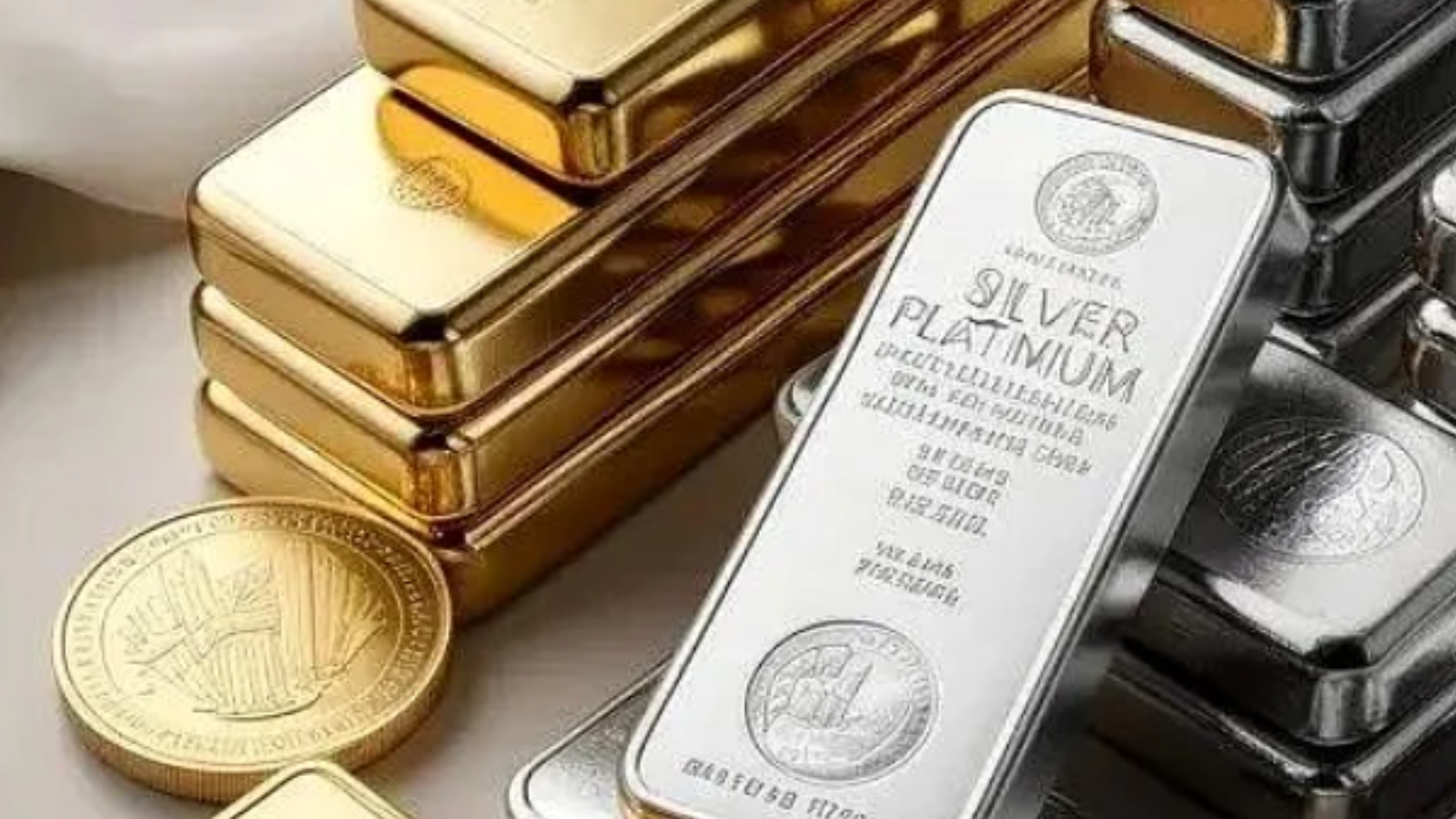
(Image: A visual representation showing gold bars, silver coins, and a map of India highlighting major cities for price comparison, with "Gold, Silver prices today, September 29, 2026: Check city-wise rates in Delhi, Mumbai, Chennai, Kolkata and more" as the caption.)
)
Chronology: Tracing the Path to September 2026
Understanding today’s prices requires a look back at the forces that have shaped the precious metals market leading up to September 2026. The journey has been marked by global economic shifts, geopolitical tensions, and evolving investment philosophies.
A Historical Perspective on India’s Gold Market
India’s relationship with gold is millennia-old, deeply interwoven with its cultural fabric, religious rituals, and economic practices. Gold has historically served as a primary form of savings, a symbol of wealth and status, and a crucial component of traditional ceremonies, particularly weddings and festivals. This intrinsic demand has made India one of the largest consumers and importers of gold globally.
)
Over the decades, India’s gold market has transitioned from largely informal channels to a more regulated and sophisticated ecosystem. Government policies, including import duties, hallmarking mandates, and the introduction of financial instruments like Sovereign Gold Bonds (SGBs) and gold ETFs, have aimed to formalize the market, curb illicit trade, and provide diverse avenues for investment. Despite these changes, the emotional and cultural attachment to physical gold remains a powerful driver of demand, often overshadowing pure investment logic during peak seasons.
Recent Global Economic Climate Leading to September 2026
The period preceding September 2026 has been characterized by a complex global economic environment. Following the initial recovery from the pandemic, the world has grappled with persistent inflationary pressures, largely stemming from supply chain disruptions, robust consumer demand, and significant fiscal and monetary stimuli.
)
Major central banks, notably the U.S. Federal Reserve and the European Central Bank, have been navigating a delicate balance between taming inflation and avoiding recession. Interest rate hikes, a common tool to cool economies, have made non-yielding assets like gold less attractive by increasing the opportunity cost of holding them. However, persistent inflation has simultaneously bolstered gold’s appeal as a hedge, creating a tug-of-war dynamic.
Geopolitical tensions, including regional conflicts and trade disputes, have also played a significant role. Such instabilities typically trigger a flight to safety, with gold often being the preferred safe-haven asset. The strength or weakness of the US Dollar, the primary currency for international gold transactions, has a direct inverse relationship with gold prices; a stronger dollar makes gold more expensive for holders of other currencies, potentially dampening demand.
)
Evolution of Silver’s Role in the Global Economy
Silver’s price trajectory has always been more volatile than gold’s, primarily due to its dual nature. Historically valued as a monetary metal, its industrial applications have grown exponentially in the modern era. Technologies like solar panels, electronics, medical devices, and electric vehicles are heavy consumers of silver, making its demand highly sensitive to global manufacturing output and technological advancements.
Leading up to 2026, the push for green energy initiatives and increased digitalization has provided a strong underlying demand for silver. However, economic slowdowns or shifts in industrial policy can quickly impact its price. Investment demand for silver, while present, often takes a backseat to its industrial utility, leading to a unique set of market drivers compared to gold. The period has seen fluctuating investor interest, with some seeing silver as an undervalued asset with significant upside potential due to its industrial future, while others remain cautious of its price swings.
)
Supporting Data: A Deeper Dive into Market Mechanics
The daily prices of gold and silver are the culmination of numerous interconnected factors. A granular look at these influences provides crucial insights for investors and consumers.
Detailed Gold Prices Across Major Indian Metros
While the national averages provide a benchmark, local market conditions and logistical considerations often lead to slight variations in prices across major Indian cities. These differences, though often minor, are significant for bulk purchasers and regional traders.
)
- Gold prices in Delhi: The capital city, a major trading hub, sees 24K gold at ₹15,031 per gram and 22K gold at ₹13,779 per gram. Delhi’s prices are often a bellwether for the northern Indian market.
- Gold prices in Mumbai: India’s financial capital and a significant port for gold imports, records 24K gold at ₹15,016 per gram and 22K gold at ₹13,764 per gram. Mumbai’s rates often reflect the most direct impact of international prices.
- Gold prices in Kolkata: A prominent market in Eastern India, shares the same rates as Mumbai, with 24K gold at ₹15,016 per gram and 22K gold at ₹13,764 per gram.
- Gold prices in Chennai: The gateway to Southern India, a region known for its high gold consumption, also aligns with Mumbai and Kolkata’s rates for 24K gold at ₹15,016 per gram and 22K gold at ₹13,764 per gram.
These city-wise rates, sourced from reliable market trackers like Good Returns, highlight the relative uniformity of prices across major urban centers, primarily due to efficient supply chains and competitive market forces.
Silver Market Dynamics: Beyond Investment
Silver’s market is distinctly influenced by its diverse applications:
)
- Industrial Demand: This is perhaps the most significant driver. Silver’s exceptional conductivity and reflectivity make it indispensable in solar panels (photovoltaics), electronics (conductors, switches), medical imaging, water purification, and catalysts. Growth in these sectors directly correlates with increased silver consumption.
- Investment Demand: Silver bars and coins are popular among investors looking for a more accessible precious metal than gold. It often tracks gold’s movements as a safe-haven asset, though with higher volatility.
- Jewellery and Silverware Demand: While less prominent than gold jewellery in India, silver ornaments and utilitarian items like silverware have a significant market, particularly in certain regions and for specific cultural occasions.
Detailed Silver Prices Across Major Indian Metros:
- Silver price in Delhi today: 999 pure silver is priced at ₹2,399 per 10 grams.
- Silver price in Mumbai today: 999 pure silver is also at ₹2,399 per 10 grams.
- Silver price in Kolkata today: 999 pure silver is similarly priced at ₹2,399 per 10 grams.
- Silver price in Chennai today: Uniquely, Chennai shows a slightly higher rate for 999 pure silver at ₹2,499 per 10 grams. This regional variation could be attributed to local supply-demand dynamics, transport costs, or specific market premiums.
Key Influencing Factors – A Deeper Dive
The prices we see today are the result of a delicate balance of global and local forces:
)
- Global Market Trends: International spot prices, primarily determined on exchanges like COMEX (New York) and the London Bullion Market Association (LBMA), set the base for domestic rates. Major economic indicators from the US, China, and Europe, along with central bank policies worldwide, ripple through these global markets.
- Local Demand: India’s insatiable appetite for precious metals, particularly during the festive season (Diwali, Akshaya Tritiya) and wedding season, significantly impacts local premiums. This cultural demand can sometimes override international trends, creating unique pricing dynamics.
- Currency Rates: The exchange rate between the Indian Rupee (INR) and the US Dollar (USD) is a critical factor. Since gold is primarily imported and priced in USD internationally, a weaker Rupee makes imports more expensive in INR terms, pushing up domestic prices.
- Inflationary Pressures: Gold is traditionally viewed as an inflation hedge. When the cost of living rises and fiat currencies lose purchasing power, investors often turn to gold to preserve wealth. The current global inflationary environment is a significant contributor to gold’s sustained demand.
- Interest Rates: As central banks raise interest rates to combat inflation, the opportunity cost of holding non-yielding assets like gold increases. Higher interest rates make bonds and savings accounts more attractive, potentially diverting investment away from precious metals.
- Geopolitical Stability: Periods of political instability, economic uncertainty, or international conflict invariably lead to an increase in safe-haven buying. Gold, due to its historical reliability, often benefits from such scenarios.
- Government Policies: India’s government policies, including import duties on gold and silver, Goods and Services Tax (GST), and measures to regulate the jewellery industry (e.g., mandatory hallmarking), directly influence prices and market structure. Changes in these policies can have immediate and significant effects.
Official Responses: Industry Insights and Regulatory Stances
While there are no direct "official responses" on daily price fluctuations, various stakeholders, including industry bodies, market analysts, and government entities, offer insights into the broader trends and regulatory environment.
Expert Market Commentary
Financial analysts and economists generally concur that the medium-term outlook for precious metals remains cautiously optimistic. "The current inflationary environment, coupled with ongoing geopolitical uncertainties, continues to underpin gold’s role as a safe haven," states Dr. Anjali Sharma, Chief Economist at Zenith Capital. "While aggressive interest rate hikes by central banks could cap upward movements, the underlying demand from emerging markets like India and China provides a strong floor."
)
For silver, experts like Mr. Vikram Singh, a commodities analyst at Global Market Insights, highlight its dual nature. "Silver’s performance is a tale of two markets: investment demand, which often mirrors gold, and industrial demand, which is tied to the global manufacturing cycle and the green energy transition. We anticipate continued volatility but with significant upside potential as the world pushes towards decarbonization."
Perspectives from Indian Jewellery Associations
The All India Gem and Jewellery Domestic Council (GJC) and other regional associations constantly monitor price movements. "High gold prices can sometimes deter immediate purchases, especially for discretionary spending," notes Mr. Ashok Minawala, a prominent jeweller and GJC board member. "However, the cultural significance of gold in India means demand never truly vanishes; it merely shifts to smaller purchases or defers to more auspicious timings. We anticipate strong demand during the upcoming festive and wedding seasons, despite the current price levels." He also emphasizes the industry’s focus on transparency and quality through mandatory hallmarking.
)
Government Stance on Precious Metals Trade
The Indian government’s primary objectives regarding precious metals are to manage imports, curb smuggling, and ensure consumer protection. Import duties on gold and silver are a key lever, aimed at discouraging non-essential imports to manage the current account deficit. The Directorate General of Foreign Trade (DGFT) regularly reviews these policies.
Furthermore, the Bureau of Indian Standards (BIS) continues to enforce mandatory hallmarking for gold jewellery, ensuring purity and building consumer trust. There’s an ongoing push to formalize the market, reduce the reliance on unaccounted gold, and integrate precious metals more effectively into the formal financial system through instruments like SGBs. These policies, while not directly influencing daily prices, shape the long-term supply-demand dynamics and market structure.
)
Implications: The Ripple Effect of Precious Metal Prices
The daily fluctuations in gold and silver prices have far-reaching implications, affecting individual consumers, businesses, and the broader Indian economy.
Implications for Indian Consumers
- Purchasing Power: For the average Indian household, rising gold prices mean that traditional purchases for weddings, festivals, or as a form of savings become more expensive. This can lead to adjustments in budgets, opting for lighter jewellery, or deferring purchases.
- Investment Decisions: Gold and silver remain critical components of household savings. Higher prices might encourage some to book profits, while others might view it as a long-term investment opportunity, especially during periods of economic uncertainty or currency depreciation. The choice between physical gold, digital gold, gold ETFs, or Sovereign Gold Bonds depends on individual risk appetite and investment horizon.
- Savings and Wealth Preservation: For many, precious metals are a tangible asset, a hedge against inflation, and a source of financial security, particularly in rural areas where access to formal financial instruments might be limited. Price movements directly impact the perceived wealth of these households.
Implications for Jewellers and the Retail Sector
- Inventory Management: For jewellers, fluctuating prices pose challenges in inventory management and pricing. They must constantly adjust their buying and selling strategies to mitigate risks and maintain profitability.
- Pricing Strategies: Retailers often factor in manufacturing costs, making charges, and local premiums. Significant price movements can impact customer footfall and sales volumes.
- Challenges and Opportunities: While high prices can sometimes dampen demand for larger purchases, they also create opportunities for innovation in design (e.g., lighter jewellery, fusion designs) and the promotion of silver as an alternative. The shift towards hallmarked jewellery also presents opportunities for trusted brands.
Broader Economic Implications
- Current Account Deficit: India is a major importer of gold and silver. Higher international prices and robust domestic demand can inflate the import bill, putting pressure on the country’s current account deficit (CAD). This can, in turn, affect the Rupee’s value.
- Impact on Household Savings and Investment: The significant role of precious metals in household savings means that their price movements have a direct bearing on national wealth and investment patterns. A shift from physical gold to financial instruments could help channel savings into more productive assets.
- Informal Economy: Despite efforts to formalize, a segment of the precious metals trade still operates in the informal economy. Price fluctuations can influence activities in this sector, including potential for smuggling if price differentials are significant.
Future Outlook and Investment Strategy
Looking ahead, the precious metals market is likely to remain dynamic, shaped by global economic policy, geopolitical developments, and domestic demand.
)
- Short-term Volatility vs. Long-term Stability: Investors should anticipate continued short-term volatility in both gold and silver prices. However, many analysts believe that gold, in particular, will retain its long-term value as a hedge against inflation and economic uncertainty. Silver’s future will be heavily tied to industrial growth and the global energy transition.
- Role of Diversification: Financial advisors consistently recommend diversifying investment portfolios. Including a modest allocation to precious metals can help mitigate risks associated with equity market fluctuations and currency depreciation.
- Consideration of Alternatives: Beyond physical gold and silver, investors have options like gold ETFs (exchange-traded funds), Sovereign Gold Bonds (issued by the RBI), and digital gold platforms. These alternatives offer convenience, purity guarantees, and often better liquidity, though they may not carry the same emotional appeal as physical assets.
As India moves forward, its precious metals market will continue to evolve, balancing its deep-rooted cultural significance with modern economic realities. For consumers and investors, staying informed about these intricate dynamics will be key to making prudent financial decisions in a constantly changing global landscape.
Find your daily dose of All Latest News including Sports News, Entertainment News, Lifestyle News, explainers & more. Stay updated, Stay informed- Follow DNA on WhatsApp.
