

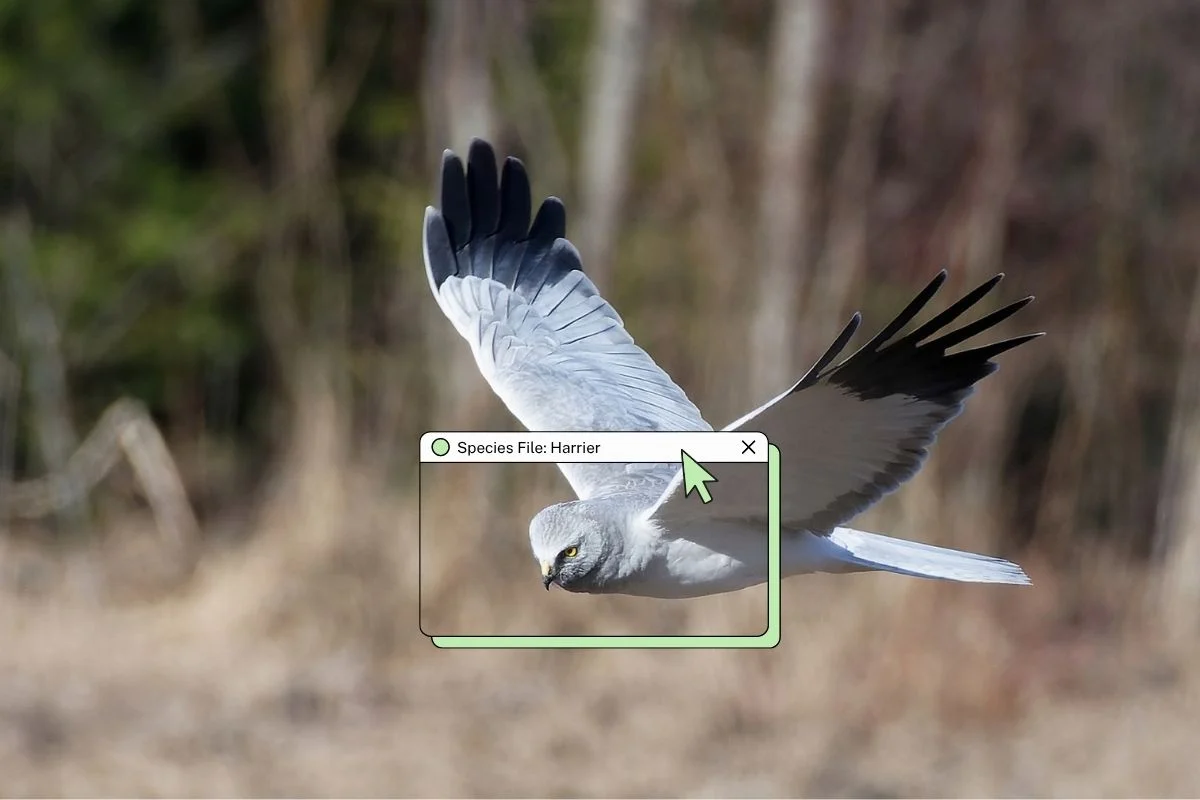
Every year, as the scorching heat of the Indian summer gives way to the monsoon and the subsequent cooling of the subcontinent, a silent arrival occurs over the country’s vast, open grasslands. From the windswept steppes of Central Asia and the frozen tundras of Russia, thousands of raptors embark on one of the most grueling migrations on Earth. These are the harriers—slender, long-winged birds of prey that navigate the treacherous heights of the Himalayas to find sanctuary in the Indian landscape.
Far from being mere seasonal visitors, these birds are integral components of the Indian ecosystem. Recent scientific inquiries have revealed that harriers are not just apex predators but are also "grassland gardeners," playing a sophisticated role in seed dispersal and agricultural health. However, as their habitats face unprecedented pressure from land-use changes and industrial expansion, the future of these "ghosts of the grasslands" remains precariously balanced.
The Seasonal Arrival: Understanding India’s Six Harrier Species
Harriers belong to the genus Circus, a name derived from the Greek word kirkos, referring to the circling flight patterns these birds exhibit while hunting. Unlike many other raptors that soar at high altitudes to spot prey, harriers are specialists of the "low-and-slow" approach. They glide just a few meters above the grass, utilizing a unique combination of keen eyesight and acute hearing—aided by a facial disk similar to that of an owl—to detect movement in the undergrowth.
Of the 16 harrier species recognized globally, six are regular migrants to India:
- Montagu’s Harrier (Circus pygargus): A slender, graceful flyer known for its long-distance migrations.
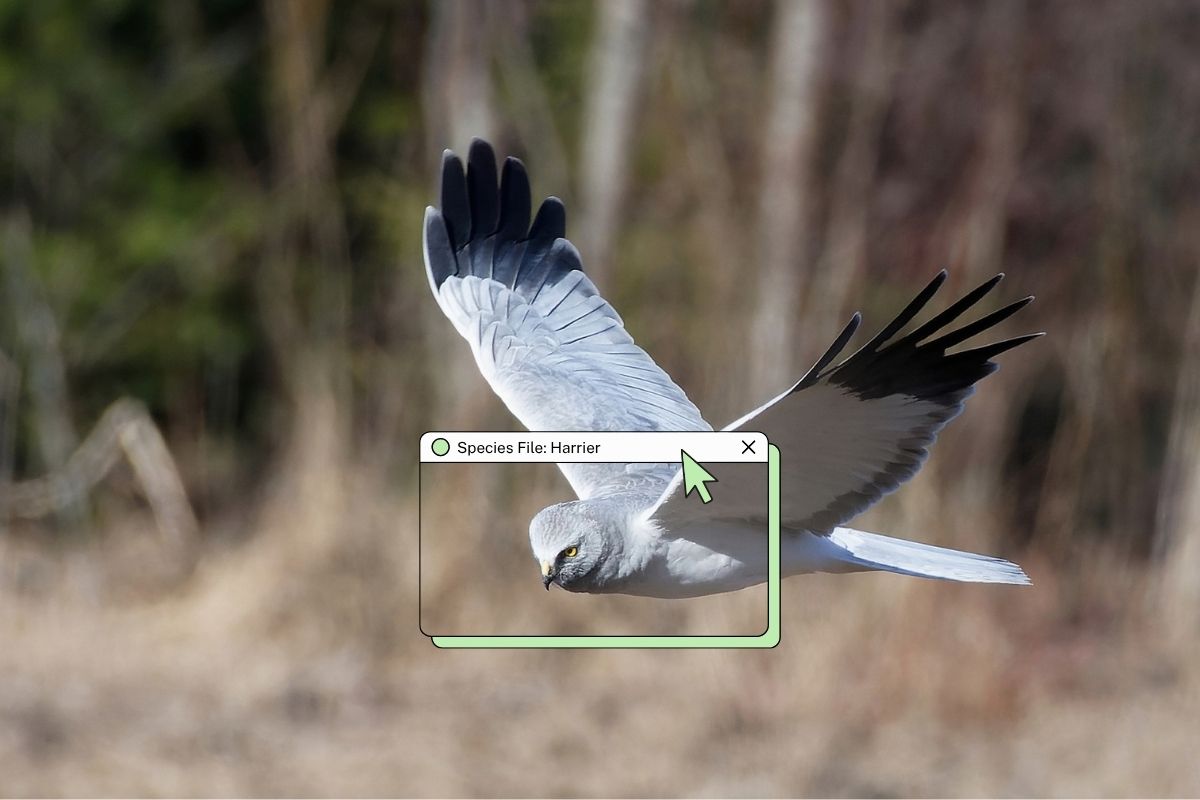
- Pallid Harrier (Circus macrourus): Distinctive for the male’s ghostly pale-grey plumage. It is currently listed as "Near Threatened" by the IUCN.
- Hen Harrier (Circus cyaneus): A robust species that often winters in the northern and western parts of India.
- Pied Harrier (Circus melanoleucos): Notable for the striking black-and-white plumage of the male; it is often found in the eastern and northeastern regions.
- Eurasian (Western) Marsh Harrier (Circus aeruginosus): The largest and heaviest of the group, typically associated with wetlands and reed beds.
- Eastern Marsh Harrier (Circus spilonotus): A close relative of the Western Marsh Harrier, frequently visiting the eastern half of the subcontinent.
These birds typically arrive in India around July and August, staying until the following March or April. Their arrival coincides with the post-monsoon boom in prey populations, including grasshoppers, small rodents, and lizards.
A Chronology of Migration and Discovery
The journey of the harrier is a testament to avian endurance. To reach the Indian heartland, these birds must circumvent or fly directly over the "Third Pole"—the Himalayan mountain range. Satellite tagging studies have shown that some individuals fly at altitudes exceeding 5,000 meters to cross mountain passes, covering thousands of kilometers in a matter of weeks.
Historically, harriers were seen as mere winter guests. However, the timeline of our understanding shifted significantly over the last few decades:
- The 1980s – 1990s: Ornithologists began documenting massive communal roosts. In a phenomenon rare among raptors—which are typically solitary—harriers gather in the hundreds or even thousands to sleep on the ground.
- The Velavadar Record: Velavadar Blackbuck National Park in Gujarat gained international fame for hosting the world’s largest documented communal roost of harriers. In peak years, researchers counted over 3,000 individuals congregating in the park’s protected grasslands.
- 1985–2015: The Ashoka Trust for Research in Ecology and the Environment (ATREE) launched the "Harrier Watch" program. This 30-year monitoring effort provided the first comprehensive data on population trends, revealing a worrying decline in the number of birds returning to their traditional roosting sites.
- 2024–2026: Recent studies have pivoted from population counts to ecological roles, discovering that harriers contribute to the flora of the grasslands through a process known as endozoochory (the dispersal of seeds via an animal’s digestive tract).
Supporting Data: Predators as Grassland Gardeners
The traditional view of harriers is that of a biological control agent. By preying on locusts, grasshoppers, and rodents, they provide an invaluable service to farmers. A single harrier can consume dozens of insects a day, acting as a natural pesticide that keeps agricultural pests in check.
However, a groundbreaking study recently highlighted a more nuanced role: the "Harrier as Gardener." Researchers analyzing the pellets (regurgitated masses of undigested food) of Pallid and Montagu’s harriers found viable seeds within them.
The data suggests that when harriers consume granivorous (seed-eating) birds or rodents, the seeds within the prey’s gut often survive the raptor’s digestive process. When the harrier flies to a new location and expels the pellet, it effectively "plants" these seeds along with a small amount of organic fertilizer. This mechanism allows plants to colonize new areas, maintaining the genetic diversity and structural integrity of the grassland ecosystem. This discovery elevates the harrier from a simple predator to a keystone species essential for the botanical health of their wintering grounds.
Official Responses and Expert Insights: A Landscape in Peril
Despite their ecological importance and the high level of legal protection they receive—listed under Schedule I of India’s Wildlife (Protection) Act, 1972—harrier populations are in a state of flux.
Conservationists point to a systemic misunderstanding of grassland ecosystems as a primary driver of this decline. In India, grasslands are frequently classified as "wastelands" in official land-use records. This misclassification makes them prime targets for industrial "reclamation."
Vishwatej Pawar, co-founder of The Grasslands Trust, emphasized the gravity of the situation in a 2026 interview: "Grassland specialist species like the harriers actually play an important role in stabilizing the populations of insects, pests, and even rodents, which helps farmers. When their habitats change, either due to afforestation or due to trenches, they compete for space or are unable to nest, roost, or properly forage, which causes population decline."
The threats are multi-pronged:
- Renewable Energy Expansion: While wind and solar energy are vital for climate goals, the placement of these plants in "wasteland" grasslands creates physical barriers for low-flying harriers. Power lines associated with these projects are also a significant cause of raptor mortality.
- Agricultural Encroachment: As grasslands are converted into farms, the use of chemical pesticides eliminates the harriers’ primary food source—insects. Furthermore, the conversion of open plains into fragmented plots destroys the large, contiguous areas required for communal roosting.
- Invasive Species: The spread of invasive plants like Prosopis juliflora transforms open grasslands into dense scrublands, making it impossible for harriers to hunt using their signature low-gliding technique.
- Overgrazing: Excessive livestock presence reduces the height of the grass, removing the cover needed by the small mammals and birds that harriers prey upon.
Implications: The Cost of Losing the "Ghost"
The decline of the harrier is a "canary in the coal mine" for the health of India’s semi-arid biomes. The implications of their disappearing act are both ecological and economic.
From an ecological perspective, the loss of harriers disrupts the food web. Without these apex predators, rodent and insect populations can surge unchecked, leading to more frequent and more severe agricultural outbreaks. The cessation of their "gardening" services could also lead to a decline in the natural regeneration of native grass species, further degrading the habitat for other endangered species like the Great Indian Bustard and the Lesser Florican.
From a socio-economic perspective, the harrier is a silent ally to the Indian farmer. By providing free pest control, they reduce the financial burden on rural communities who would otherwise need to invest heavily in chemical interventions—which, in a vicious cycle, further harm the environment.
The conservation of harriers requires a shift in how India views its "open natural ecosystems." Moving away from the "wasteland" narrative and toward a model of "productive grasslands" is essential. This includes:
- Protecting known communal roosting sites like Velavadar and Rollapadu.
- Implementing "bird-friendly" infrastructure for renewable energy projects, such as undergrounding power lines.
- Promoting organic farming buffers around key grassland habitats to ensure a steady, non-toxic prey base.
As the sun sets over the golden plains of Gujarat or the Deccan Plateau, the sight of a harrier silhouetted against the horizon remains one of nature’s great spectacles. They are more than just birds; they are the link between the Siberian wilderness and the Indian farm. Protecting them is not just an act of wildlife conservation—it is an investment in the resilience of the very land that sustains millions of people.
