

Introduction
In the quiet corners of India’s digital landscape, a vibrant and often perilous marketplace is thriving. Once restricted to the shadowy alleys of Crawford Market in Mumbai or the bustling bird bazaars of Jama Masjid in Delhi, the trade in exotic wildlife has undergone a radical transformation. Today, it is a multi-million-dollar industry driven by social media algorithms, pop culture influences, and a burgeoning middle class with rising disposable income.
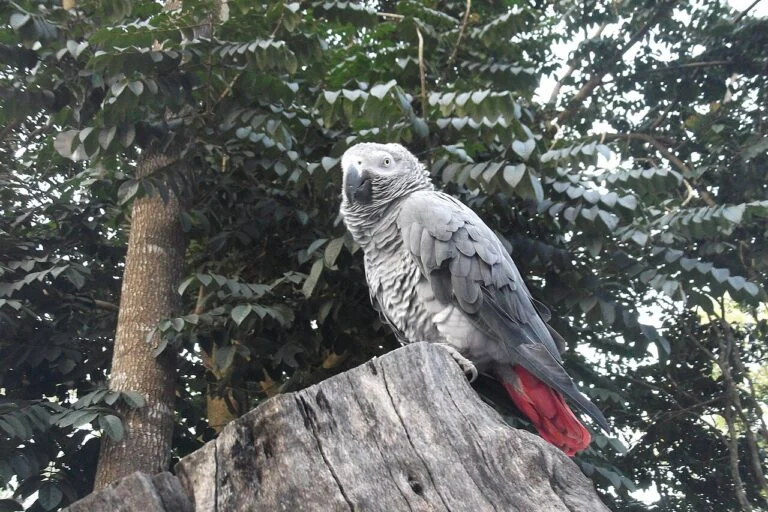
This shift has brought with it a complex web of ecological, legal, and public health challenges. As non-native species—from African grey parrots to Indonesian pit vipers—become common fixtures in Indian households, experts warn that the country’s regulatory framework is struggling to keep pace. This report explores the evolution of India’s exotic pet trade, the legal hurdles in governing it, and the hidden costs of keeping the wild behind glass and bars.
I. Main Facts: The $42.6 Million Market
The scale of India’s exotic pet market is no longer a matter of anecdotal observation; it is backed by staggering data. According to a 2026 report by Humane World for Animals (HWA), the market was valued at approximately $42.6 million in 2024. Projections suggest this figure could nearly double by 2030.

Key Market Characteristics:
- Dominant Species: Reptiles and birds remain the primary commodities, though there is a rising interest in exotic mammals (such as sugar gliders and marmosets) and invertebrates (like tarantulas).
- The Amnesty Revelations: In 2020, a government-led Voluntary Disclosure Scheme saw more than 40,000 individuals across 30 states and union territories declare ownership of non-native exotic pets. This number is widely considered by conservationists to be just the "tip of the iceberg."
- The Support Ecosystem: The trade has spawned a secondary economy involving specialized veterinary care, custom enclosures, and live-feed farming. The production of mealworms, cockroaches, and superworms has become a lucrative home-based business for many.
II. Chronology: From Circuses to Smartphones
The trajectory of the exotic pet trade in India can be divided into three distinct eras, each marked by changes in accessibility and technology.
2000–2010: The Era of Discretion
In the early years of the millennium, exotic animals were a rarity. Jose Louies, CEO of the Wildlife Trust of India (WTI), recalls a time when large parrots like macaws and sulphur-crested cockatoos were primarily seen in circuses or the private farmhouses of the ultra-wealthy. Traditional markets dealt mostly in native species, such as Alexandrine parakeets, or common domestic pets like goldfish. The trade was localized, physical, and relatively easy for enforcement agencies like PETA and People for Animals (PFA) to monitor.
2010–2020: The Digital Explosion
The turning point arrived around 2010 with the mass adoption of the internet. Social media platforms—specifically Facebook, Instagram, and WhatsApp—democratized the trade. Algorithms began amplifying "cute" or "unusual" wildlife content, creating a feedback loop of demand. A 2021 study documented 84 exotic reptile species being traded across closed digital groups over just two years. The privacy afforded by encrypted messaging allowed sellers to bypass public scrutiny, listing animals through photos without ever displaying a public price tag.
2020–Present: The Pandemic Paradox
While the COVID-19 pandemic originated from zoonotic spillover, the global health crisis did not deter the demand for exotic pets. In fact, experts observed a surge. Lockdowns led to a rise in "companion seeking," and as legal transport routes were restricted, smuggling networks became more sophisticated. By 2021-22, the trade shifted from long, overland journeys across the Indo-Myanmar border to high-speed transit through international airports to reduce animal mortality rates.

III. Supporting Data: The Drivers of Demand
Several factors have converged to make India a global hub for exotic wildlife.
The Pop Culture Catalyst
Pop culture has played a disproportionate role in shaping consumer preferences. Ornithologist Abrar Ahmed notes that the Harry Potter franchise triggered a massive spike in demand for owls. Similarly, films like Finding Nemo popularized clownfish, while Zootopia reportedly increased interest in the Indonesian pit viper. These trends often overlook the specialized care these animals require, leading to high mortality rates or abandonment when the "novelty" wears off.
The Rise of Petting Zoos and Cafés
Sumanth Bindumadhav of Humane World for Animals identifies pet cafés and "petting zoos" as major drivers. By normalizing close physical interaction with exotic species, these establishments create a psychological bridge for consumers, making it seem "normal" to keep a wild animal in a domestic setting.
Smuggling Trends
Data from the Wildlife Crime Control Bureau (WCCB) and the Directorate of Revenue Intelligence (DRI) indicate that the Northeast remains a volatile entry point for animals coming from Southeast Asia. However, recent seizures at Mumbai and Chennai airports suggest that traffickers are increasingly utilizing commercial aviation to move high-value CITES-listed species, such as iguanas and tortoises.

IV. Official Responses and the Legal Labyrinth
India’s legal approach to exotic pets has historically been fragmented, but recent years have seen a concerted effort toward regulation.
The 2022 Amendment to the Wild Life (Protection) Act
The most significant shift occurred with the 2022 amendment to the Wild Life (Protection) Act (WPA), 1972. This introduced Schedule IV, which specifically covers species listed under the Convention on International Trade in Endangered Species of Wild Fauna and Flora (CITES).
- Section 49M: This new provision requires owners to register the possession, transfer, birth, and death of any living animal listed under CITES.
- The Shift from Prohibitory to Regulatory: Environment lawyer Shubhra Sotie notes that while the WPA is traditionally a "prohibitory" law (banning the trade of native wildlife), it has now become "regulatory" regarding exotics. This creates a unique legal paradox where it is legal to own a foreign parrot but illegal to own a native Indian parakeet.
Implementation Gaps
Despite the new laws, enforcement remains a challenge. Experts point to several "blind spots":
- Non-CITES Species: Animals not listed under CITES (such as corn snakes or certain ball pythons) exist in a legal grey area. It is often unclear which department has the authority to regulate them.
- Identification Issues: Jose Louies highlights the difficulty of individual identification. Without mandatory microchipping or tagging, it is nearly impossible for a forest officer to verify if a registered permit belongs to the specific animal in a cage.
- Bureaucratic Hurdles: The online registration systems are often prone to technical failure, and many forest departments lack the specific training required to interpret the complex CITES appendices.
V. Implications: Ecology, Health, and Crime
The expansion of the exotic pet trade carries risks that extend far beyond the welfare of the individual animals.

Zoonotic Risks and Biosecurity
The trade in wild animals is a primary vector for zoonotic diseases. The HWA report emphasizes that India currently lacks mandatory post-import health standards. Once an animal clears a port of entry, there is almost no monitoring of its health, posing a risk to the owner and the local ecosystem.
Invasive Species Threats
Escaped or abandoned exotic pets can become invasive species, outcompeting native wildlife for resources. India currently lacks a legally binding national list of prohibited high-risk species, meaning an owner can theoretically release a non-native reptile into the wild without facing specific "invasive species" penalties.
The Organized Crime Connection
Louies warns that the trade should not be viewed through a "hobbyist" lens alone. The sheer volume of money involved suggests links to wider criminal networks. "There is a larger wildlife crime dimension," Louies says, pointing to potential tax evasion and connections with other forms of illegal trafficking, such as drugs or arms.
The Challenge of Repatriation
When animals are seized—as seen in a 2025 Mumbai customs case involving tarantulas and sugar gliders—authorities often face a dilemma. Repatriation to the country of origin is expensive and logistically complex. Often, seized animals end up in overcrowded state-run zoos or, in the worst-case scenarios, face euthanasia due to a lack of lifetime-care frameworks.

Conclusion: A Need for Holistic Reform
India stands at a crossroads. The transition from an unregulated "wild west" of exotic pets to a strictly monitored system is underway, but the road is fraught with complications. While the 2022 amendment provided a much-needed legal foundation, the experts interviewed for this series agree that legislation without implementation is a hollow victory.
To curb the risks of zoonoses, prevent ecological imbalance, and dismantle illegal trade networks, India requires a unified national strategy. This must include standardized husbandry rules, mandatory microchipping, clear repatriation protocols, and a more robust digital monitoring system to track the algorithms that fuel this demand. Until then, the exotic pet trade will continue to be a high-stakes gamble—one where the animals, and the environment, often pay the highest price.
