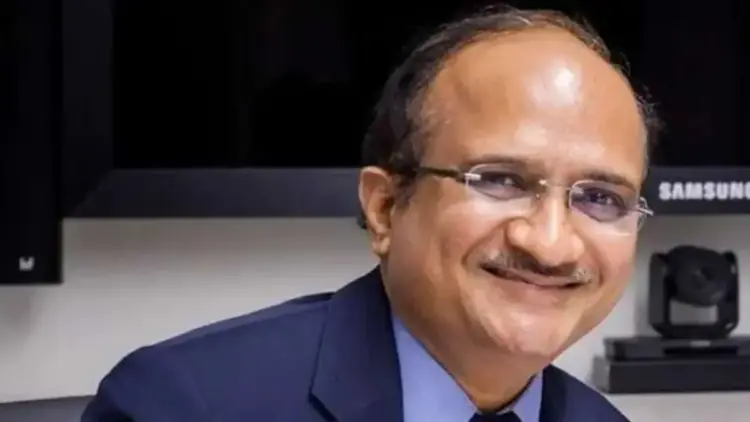
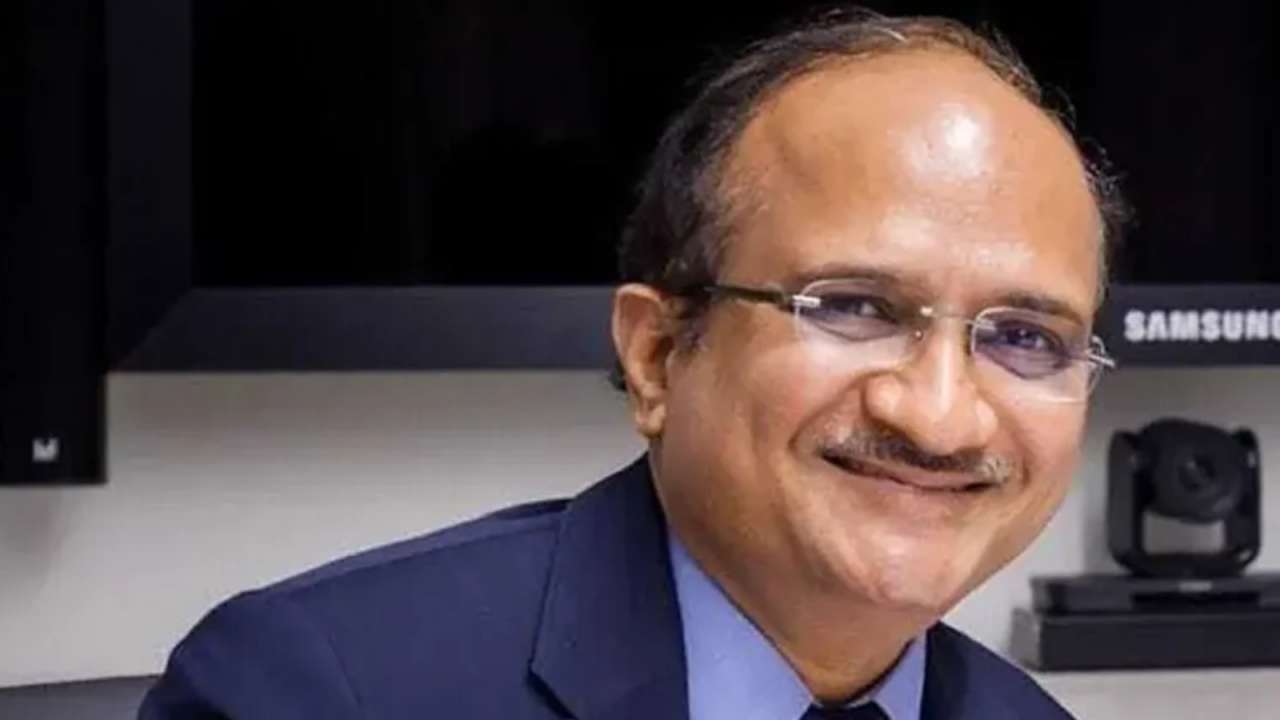
New Delhi, India – In a significant intervention that seeks to address the evolving challenges within India’s premier engineering institutions, V. Ramgopal Rao, Group Vice-Chancellor of BITS Pilani Campuses and a former Director of IIT Delhi, has proposed a radical shift: the implementation of five-year Bachelor of Technology (B.Tech) programs across all Indian Institutes of Technology (IITs). This proposal emerges amidst growing concerns about the increasing heterogeneity of student intake and a recent controversy at IIT Bombay that has ignited debate about faculty treatment and institutional fairness.
Rao, a seasoned academic with over 25 years of experience at IIT Bombay and IIT Delhi, including his tenure as Director of IIT Delhi from 2016 to 2021, argues that the current "one-size-fits-all" approach to undergraduate education in IITs is no longer adequate. His proposition is rooted in the observed disparities in student preparedness and learning paces, stemming from the intensely competitive Joint Entrance Examination (JEE) Advanced ecosystem.
Addressing the Spectre of Heterogeneity: A Multifaceted Challenge
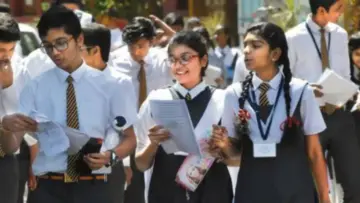
The core of Rao’s argument lies in the stark reality of the IIT classrooms today. He points out that students admitted to the same program, even within the same discipline like Computer Science Engineering (CSE) at IIT Delhi, arrive with vastly different levels of academic grounding. This disparity is reflected in their JEE Advanced ranks, which can range from single digits to five digits.
"The current model is inadequate for the highly heterogeneous classrooms across IITs," Rao stated in an interview, highlighting that this diversity is not solely an academic matter but is also compounded by linguistic differences among students from various regions of India.
He posed a critical question to the educational fraternity: "With such heterogeneity, can we expect every student to learn at the same pace?" Rao emphasized that while opening the doors of top institutions to students from diverse backgrounds is a commendable societal objective, the crucial question is whether the current teaching-learning methodologies within the IIT system have adequately adapted to accommodate this heterogeneity.
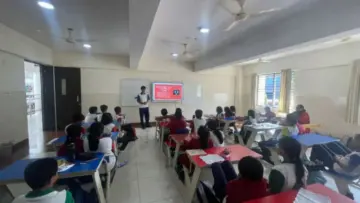
The pedagogical dilemma, as described by Rao, is palpable. "A faculty member cannot pitch every class at several levels at once. Move too slowly, and some students lose interest. Move too quickly, and others are left behind," he explained. This sentiment resonates with his personal experiences, where he has witnessed students with exceptionally high JEE Advanced ranks struggling in his classes.

"Coaching had prepared them to solve familiar types of questions quickly. Many are lost when they see a question which they haven’t solved before," Rao elaborated. He clarified that this challenge is not confined to any specific admission category but is a broader issue stemming from the transition from a coaching-centric preparation to the independent and critical thinking required in an IIT environment. "The move from coaching to independent learning can be hard for anyone," he added.
The IIT Bombay Controversy: A Catalyst for Dialogue
Rao’s call for a re-evaluation of the IIT educational model is partly galvanized by a recent controversy involving IIT Bombay professor Suryanarayana Doola. While the specifics of the controversy were not detailed in the provided text, Rao expressed his dismay at the public vilification of Professor Doola.

"I am disturbed to see Prof. Suryanarayana Doola being vilified over the recent controversy at IIT Bombay," Rao stated. He personally vouched for Doola’s character and professional standing, describing him as "one of the finest faculty members I have known in the IIT system, and a gentleman of the highest integrity."
Rao stressed the importance of fair examination of any concerns raised and cautioned against public campaigns against individuals. "Whatever concerns have been raised should be examined fairly. A public campaign against an individual serves no one," he asserted. This stance underscores his belief in due process and the need to protect the reputation of faculty members from potentially unfair public scrutiny. The controversy, while not the sole impetus, appears to have provided a timely platform for Rao to articulate his broader concerns about the IIT system.

The Proposed Five-Year B.Tech: A Flexible Framework for Learning
Rao’s proposed solution to the heterogeneity challenge is the adoption of a five-year B.Tech program across all IITs. This is not about extending the duration of study for all students but rather about introducing flexibility and providing a more supportive learning environment.
Under the proposed structure, students who successfully meet the credit requirements could still graduate in the conventional four years, or even potentially in three-and-a-half years. However, those who require additional time and support would have the option to extend their coursework over five years.

"I feel we should consider moving our B.Tech programmes to five years in IITs," Rao declared. He outlined how this extended period could be utilized for additional academic support, including access to recorded lectures, supplementary online materials, and language support where necessary.
A key benefit of this model, according to Rao, is that the pace of learning would be determined by individual performance within the IIT system, rather than by a student’s admission category or their entrance rank. "The pace would be decided by performance within the IIT, not by a student’s admission category or entrance rank," he emphasized.

Mitigating Stigma and Fostering Inclusivity
Beyond the academic benefits, Rao highlighted the significant psychological advantages of a designated five-year program. "Students who need more time would simply be following the programme as designed, while those who are ready could complete it sooner. No one would be singled out for taking a fifth year," he explained. This approach aims to normalize the need for extended learning periods, thereby reducing any potential stigma associated with students taking longer to complete their degrees.
Rao firmly reiterated that the academic standards of the IITs must be upheld. However, he believes that the system has a responsibility to provide students with the necessary time and support to achieve these high standards, acknowledging that students do not all begin at the same level or learn at the same pace. "Giving them the time and support to meet those standards is a responsibility of the system," he concluded.

Implications and Future Outlook
The proposal for a five-year B.Tech program at IITs is likely to spark considerable debate within the academic and policy-making circles. While it offers a potential solution to the complex issue of student heterogeneity and aims to foster a more inclusive learning environment, its implementation would require a comprehensive re-evaluation of curriculum design, faculty resources, and infrastructural planning.
The move could also have implications for the overall timeline of graduates entering the workforce or pursuing higher studies. However, proponents argue that a more robust and well-supported undergraduate education could ultimately lead to more capable and resilient professionals.

The discussion initiated by V. Ramgopal Rao serves as a crucial juncture for the IIT system to reflect on its pedagogical approaches in the face of evolving student demographics and societal expectations. The proposition for a five-year B.Tech is not merely an administrative change but a philosophical shift that prioritizes individual learning journeys and the holistic development of every student, ensuring that the IITs continue to be beacons of excellence in engineering education for all.