

The Indian automotive landscape witnessed a watershed moment in September 2026 as the two-wheeler segment recorded its best-ever performance for the month. Driven by a potent combination of revitalized rural demand, a burgeoning electric vehicle (EV) ecosystem, and the early onset of festive season optimism, retail registrations soared to unprecedented heights. According to the latest data, the industry has not only recovered from the post-pandemic stabilization phase but has entered a new era of high-volume growth, signaling a robust economic heartbeat across both urban and rural India.
The Headline Numbers: A Record-Breaking September
In September 2026, total two-wheeler retail registrations reached a staggering 1,790,188 units. This represents a massive 33.08% year-on-year (YoY) increase compared to the 1,345,153 units registered in September 2025. The momentum was also visible on a month-on-month (MoM) basis, with sales growing by 4.41% from the 1,714,610 units recorded in August 2026.
This surge is particularly significant as it marks the highest retail volume ever recorded for the month of September in the history of the Indian two-wheeler industry. Market analysts attribute this performance to several factors, including improved consumer sentiment, favorable monsoon patterns boosting the agricultural economy, and a strategic push by manufacturers to stock dealerships ahead of the peak festive period encompassing Dussehra and Diwali.
Chronology of Growth: From August Momentum to September Peak
The journey to this record-breaking September began with a steady climb throughout the first half of the 2026-27 fiscal year (FY27).
- Q1 FY27: The year started with cautious optimism as manufacturers navigated fluctuating raw material costs and evolving emission norms.
- August 2026: Retail sales touched 1.71 million units, setting the stage for a blockbuster September. The 4.41% MoM growth from August to September indicates that the demand curve is steepening as the year progresses.
- Year-to-Date (YTD) Performance: The cumulative performance for FY27 further underscores the industry’s health. On a YTD basis, the two-wheeler segment registered a 20.43% growth, with total sales reaching 1,10,43,407 units, compared to 9,169,815 units during the same period in the previous fiscal year.
This consistent upward trajectory suggests that the industry is on track to potentially breach previous annual registration records, provided the festive momentum sustains through the third quarter.
Supporting Data: Fuel Mix and Regional Dynamics
A deeper dive into the sales data reveals fascinating shifts in consumer preferences and regional economic health.

The Fuel Transition: Petrol Dominates, EVs Stabilize
While the "green revolution" continues to make headlines, internal combustion engine (ICE) vehicles remain the backbone of Indian mobility.
- Petrol-powered models: Accounted for a dominant 88.35% of the market share. The reliability, established service networks, and lower upfront costs of petrol bikes and scooters continue to appeal to the mass market.
- Electric Two-Wheelers (E2Ws): Captured an 11.58% market share. While the growth in the EV segment has been substantial over the last few years, the September data shows a consolidation phase where established players and innovative startups are fighting for a slice of a growing, yet competitive, pie.
- CNG/LPG Models: These accounted for a marginal 0.07%. Despite the introduction of specialized CNG models by players like Bajaj, this segment remains a niche, primarily constrained by refueling infrastructure.
Urban vs. Rural: The Recovery of the Hinterland
One of the most encouraging signs from the September data is the synchronized growth across different geographies:
- Urban Retail Sales: Grew by 5.29%. Urban demand is increasingly driven by the "premiumization" trend, with consumers opting for high-end scooters and performance motorcycles.
- Rural Retail Sales: Increased by 3.62%. While the percentage growth is slightly lower than in urban areas, the absolute volume from rural markets is critical for mass-market manufacturers like Hero MotoCorp and Honda. A favorable monsoon has led to better crop yields, increasing the disposable income of the rural populace.
Manufacturer Performance: The Battle for Supremacy
The competitive landscape in September 2026 saw a fierce tug-of-war between the "Big Three" and a surging mid-segment.
Honda vs. Hero: The Fight for the Top Spot
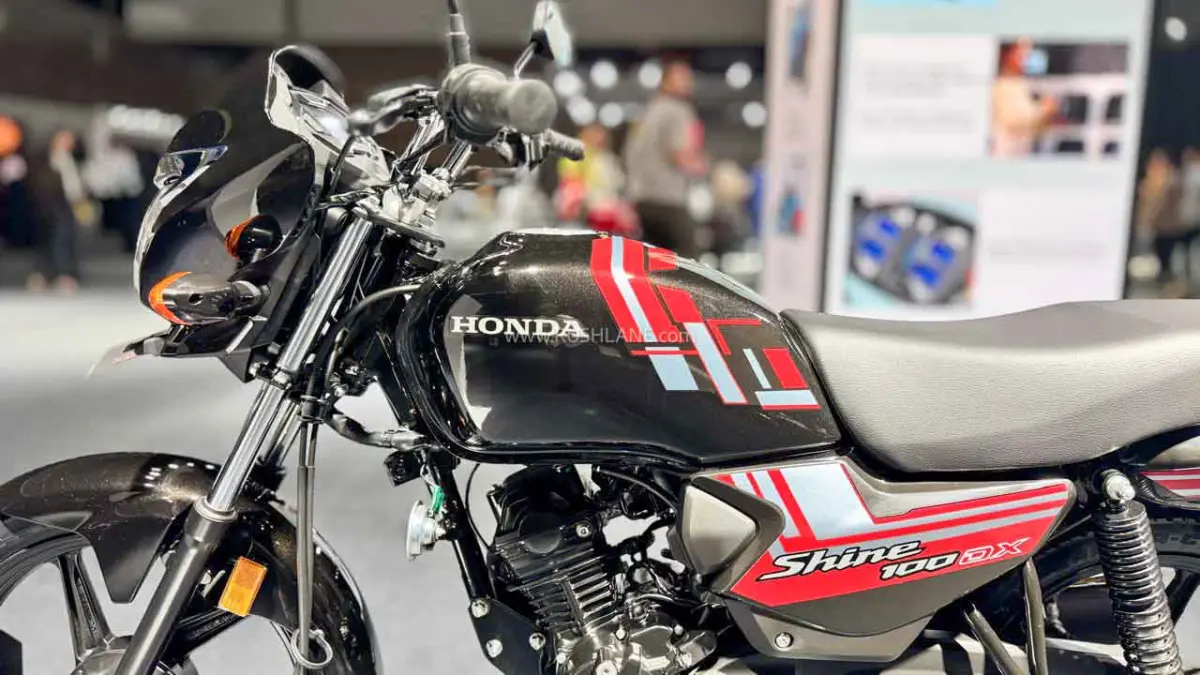
Honda Motorcycle & Scooter India (HMSI) maintained its lead, registering 4,69,789 units. More importantly, Honda managed to grow its market share to 26.19%, up from 25.24% a year ago. The success of the Activa brand and the growing penetration of the Shine series in rural markets have been pivotal for Honda.
In contrast, Hero MotoCorp—traditionally the rural king—recorded 4,34,442 units. While its volumes remain massive, its market share saw a slight contraction to 24.26% from 24.57% YoY. Hero is currently in a transitional phase, aggressive in its attempts to recapture the premium segment while defending its commuter stronghold.
TVS Motor: The Growth Engine
TVS Motor Company emerged as the standout performer among the legacy players. It posted a significant jump to 3,64,640 units, compared to 2,56,042 units in September 2025. Its market share climbed impressively to 20.37% from 19.03%. TVS’s diverse portfolio, ranging from the iQube electric scooter to the Apache performance series, has allowed it to capture demand across all demographics.

The Mid-Tier and Premium Segments
- Bajaj Auto: Sales rose to 1,66,112 units (from 1,44,214 units), but its market share dipped to 9.28%. Bajaj’s focus on exports and the premium Pulsar/Dominar range remains its core strategy.
- Royal Enfield: The cult classic manufacturer sold 1,02,226 units, surpassing the 1-lakh mark. However, its market share fell slightly to 5.71%, reflecting the increased competition in the 350cc+ category.
- Suzuki & Yamaha: Both Japanese manufacturers saw volume growth. Suzuki reached 1,01,926 units, while Yamaha improved to 64,292 units, though both faced marginal pressure on market share due to the sheer volume of the top three players.
The Electric Frontier: Ather Ascends, Ola Falters
The electric two-wheeler segment provided the most dramatic narrative of the month.
Ather Energy witnessed a surge in demand, with sales reaching 30,533 units, up from 19,620 units YoY. Ather’s focus on build quality and a refined software experience seems to be paying off as it commands a 1.71% total market share.
Conversely, Ola Electric continued its downward trend. Retail sales fell to 13,451 units from 13,862 units in September 2025. This YoY decline is a cause for concern for the market leader, as it struggles with service-related complaints and increasing competition from both legacy brands (TVS, Bajaj) and agile startups.
Other notable performers in the EV space include:
- Greaves Ampere: Sales more than doubled to 9,316 units.
- River Mobility: A rising star in the utility EV space, growing to 5,556 units from 1,895 units.
- BGauss and Bounce Electric: Both showed triple-digit or near-triple-digit growth, indicating a diversifying market where consumers are looking beyond the top two EV brands.
Official Responses and Industry Sentiment
While official statements from the Federation of Automobile Dealers Associations (FADA) and the Society of Indian Automobile Manufacturers (SIAM) emphasize the record-breaking nature of the month, there is an underlying tone of "cautious celebration."
Industry experts suggest that the 33% growth is partly due to a lower base in some regions last year and a very aggressive "shradh" period (considered inauspicious for purchases) occurring at a different time this year. However, the consensus is that the fundamental demand is real.

Dealers have reported that inventory levels are currently at a healthy 30-40 days, which is optimal for the festive rush. Manufacturers are also offering attractive financing schemes, with low-down-payment options becoming a major driver for first-time buyers in Tier-2 and Tier-3 cities.
Implications for the Future
The September 2026 sales figures carry several long-term implications for the Indian economy and the automotive sector:
- Rural Economic Resilience: The 3.62% growth in rural areas, following a period of stagnation, suggests that the rural economy is finally decoupling from inflationary pressures. This bodes well for other sectors like FMCG and consumer durables.
- The Premiumization Trend: The growth of brands like Royal Enfield, TVS (Apache/Ronin), and Yamaha indicates that the Indian buyer is willing to spend more for lifestyle and performance, moving away from "pure utility" commuting.
- EV Market Correction: The contrast between Ather’s growth and Ola’s decline suggests that the "early adopter" phase of EVs is over. The "mass-market" buyer is now prioritizing serviceability and long-term reliability over pure tech specs or aggressive pricing.
- Infrastructure Pressure: With nearly 1.8 million new vehicles hitting the road in a single month, the pressure on urban infrastructure and the need for faster EV charging rollouts have never been more acute.
As India moves into the heart of the festive season, the two-wheeler industry stands as a beacon of growth. If the current momentum is any indication, FY27 could go down in history as the year the Indian two-wheeler market truly found its "top gear."
