

THIRUVANANTHAPURAM, India — For Shaju Antony, a traditional fisherman from the coastal state of Kerala, the promise of the deep sea arrived not as a bounty, but as a mounting debt. Encouraged by his parish priest and the lure of government-backed prosperity, Antony applied for a financial assistance scheme in 2020 designed to transition small-scale fishers into the high-stakes world of deep-sea exploration. He liquidated assets and pooled approximately ₹7.2 million ($86,000) to cover his portion of a vessel commissioned under the Pradhan Mantri Matsya Sampada Yojana (PMMSY).
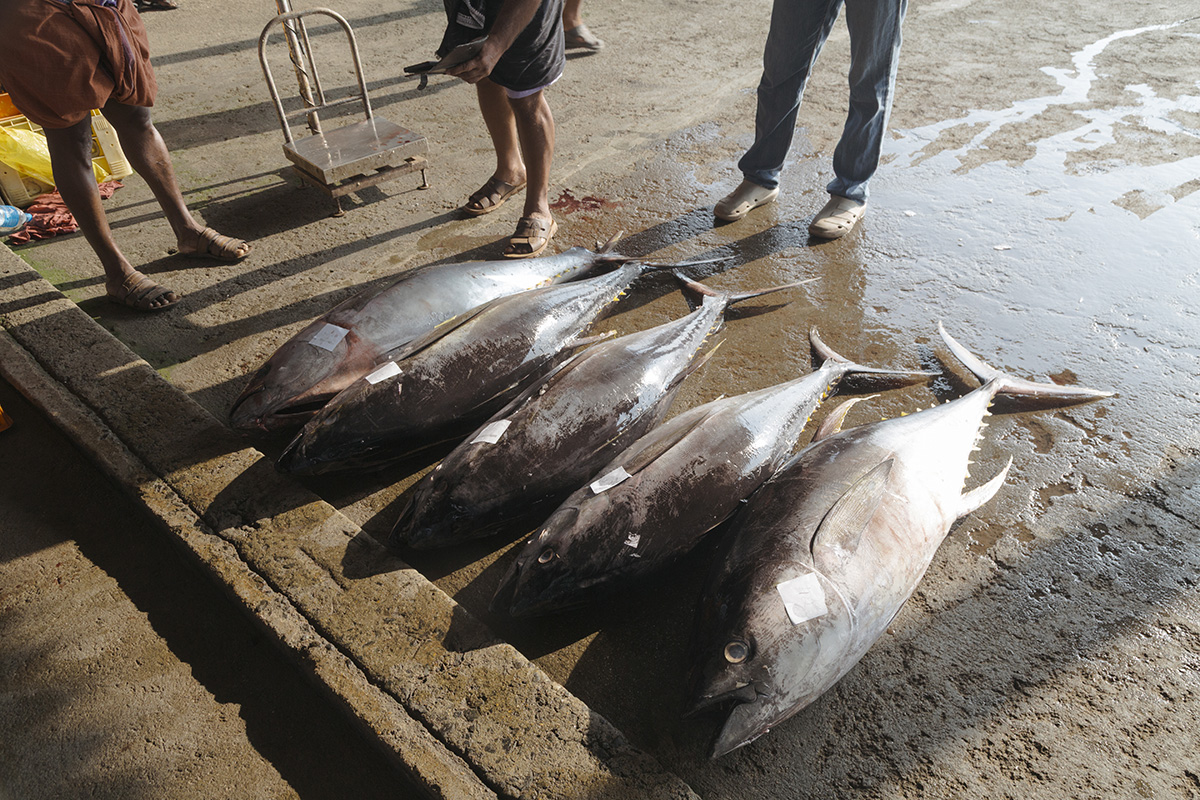
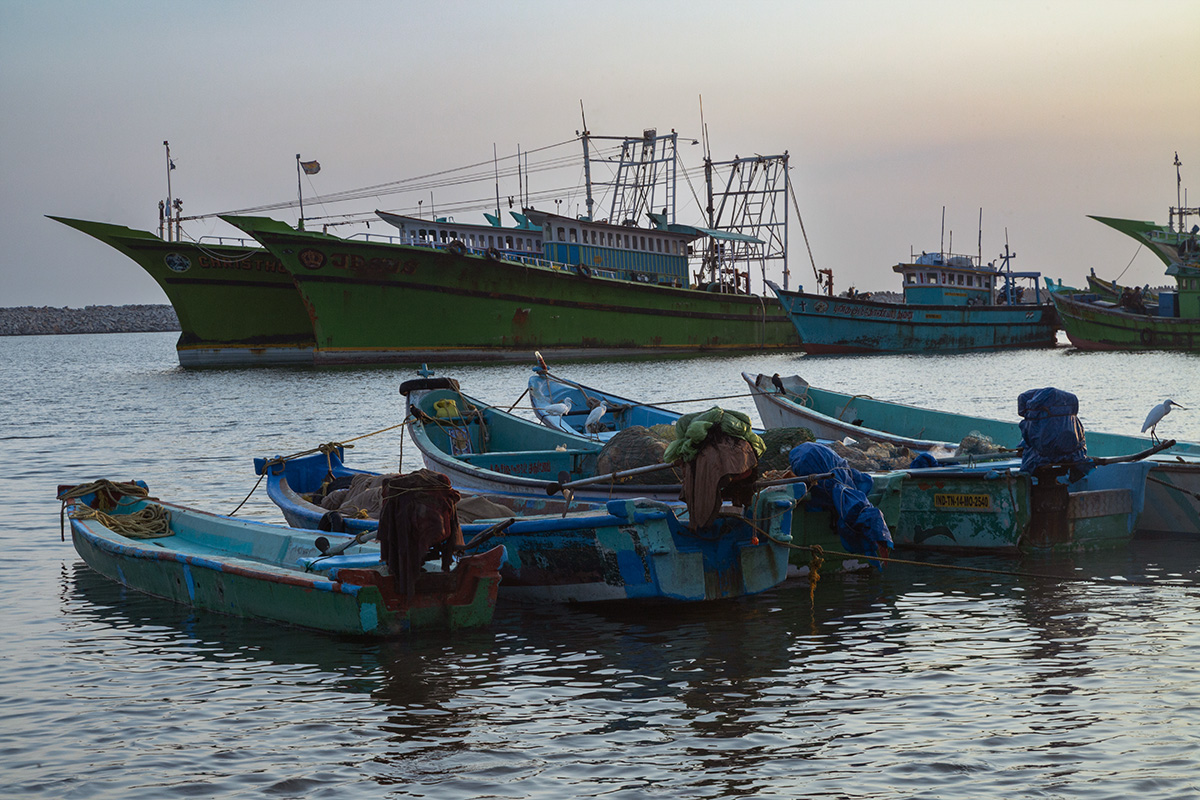
The boat, delivered three years later in December 2023, was meant to be his ticket to the lucrative tuna grounds of the Indian Ocean. Instead, it became a liability. Within weeks, the vessel’s cooling compressors failed, engines stalled mid-ocean, and water seeped into the engine room. Antony spent an additional ₹3 million on repairs before petitions to the state government went unanswered.
“If they are building boats for fishermen, why aren’t they consulting the fishermen?” Antony asks, standing near the docks of Muthalapozhy. His story is a microcosm of a broader national struggle. As India attempts to modernize its fisheries sector to compete globally, a significant disconnect has emerged between high-level policy objectives and the ground-level realities of the people the policy is intended to benefit.
Main Facts: The PMMSY and the Deep-Sea Push
India’s fisheries sector is a vital pillar of the national economy, contributing 1.1% to the total GDP and 7.26% to the agricultural Gross Value Added (GVA). With a coastline stretching over 11,000 kilometers, the industry supports the livelihoods of nearly 28 million people and accounts for 8% of global fish production. However, coastal waters—those within 12 nautical miles of the shore—are increasingly plagued by overfishing, habitat degradation, and climate-induced erosion.
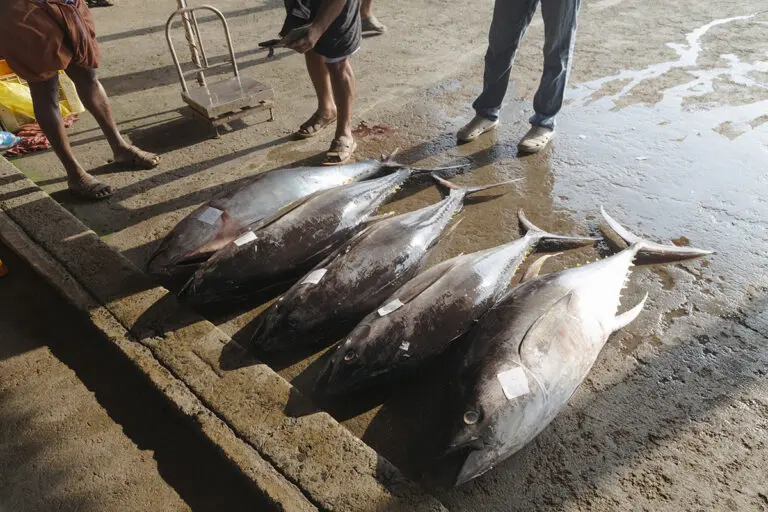
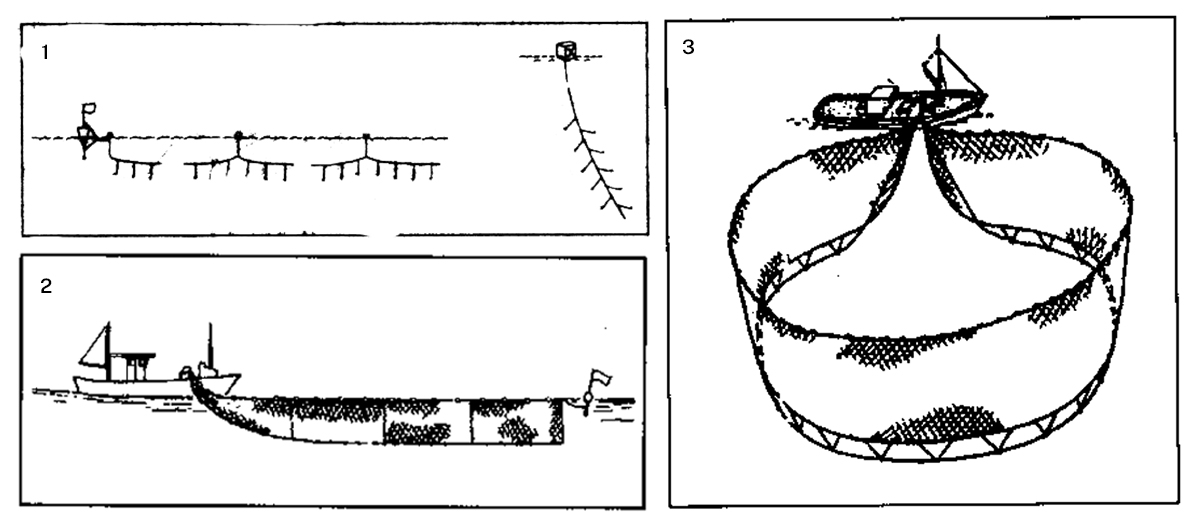
To alleviate pressure on nearshore ecosystems and tap into high-value export markets, the Government of India launched the PMMSY in 2020. A primary component of this ₹20,050-crore (approx. $2.4 billion) flagship scheme is the Deep Sea Fishing Vessel (DSFV) program. The initiative aims to provide traditional fishers with "tuna longliner-and-gillnetters"—vessels capable of operating at depths greater than 200 meters. These boats are designed to harvest "Blue Economy" staples like yellowfin tuna, billfish, and oceanic squid.

The financial structure of the scheme is built on a subsidy model: the government typically covers 40% of the vessel’s cost (up to 60% for women and disadvantaged groups), while the fisher is responsible for the remaining 60%. With a standard deep-sea vessel costing upwards of ₹1.2 crore (₹12 million), the financial barrier for a traditional fisherman is immense.
Chronology: From "Blue Revolution" to PMMSY
The trajectory of India’s deep-sea policy has evolved through several iterations, often responding to global market shifts and domestic protests.

- 2017–2020 (The Neel Kranti Phase): Under the "Blue Revolution" mission, the government began focusing on converting trawlers to longlining vessels, particularly in the Palk Bay region. In Tamil Nadu, the government sanctioned ₹281.5 crore to convert 750 boats, but only 91 orders were realized due to fisher skepticism.
- 2020 (The Launch of PMMSY): The scheme was rebranded and expanded with the goal of commissioning 392 deep-sea vessels by 2025. It emphasized "indigenous manufacturing" under the "Make in India" banner.
- 2023–2024 (The Implementation Crisis): As the first wave of boats hit the water, reports of mechanical failures surfaced. In Kerala, vessels built by Cochin Shipyard Ltd. faced consistent complaints regarding rudder malfunctions and inadequate refrigeration.
- 2025 (The Policy Pivot): Recognizing the design flaws, the Ministry of Fisheries issued a modified Standard Operating Procedure (SOP) in August 2025. Meanwhile, the 2025-26 Union Budget announced a specific focus on "tuna clusters" in the Andaman & Nicobar Islands and Lakshadweep.
- 2026 (The Current Stagnation): As of late 2026, the program is significantly behind schedule. Of the 392 approved vessels, only 131 have been ordered or constructed—less than half of the target.
Supporting Data: A State-by-State Disparity
The implementation of the DSFV scheme varies wildly across India’s maritime states, reflecting regional economic health and fisher confidence.
| State | Approved Vessels (2020-25) | Vessels Ordered/Operational | Key Challenges |
|---|---|---|---|
| Karnataka | 114 | 58 | High upfront costs; fisher hesitancy. |
| Maharashtra | – | 49 | Delayed subsidy installments; design mismatch. |
| Andhra Pradesh | 50 | 6 | Lack of processing/cold storage facilities. |
| Gujarat | 50 | 0 (until late 2026) | High fuel taxes; lack of VAT rebates. |
| Tamil Nadu | – | 0 | Skilled labor shortage for longlining. |
| Kerala | – | 6 | Major mechanical and design failures. |
In Gujarat, the state with the longest coastline, the scheme saw zero takers for years. Damodar Chamudiya, president of the Mahavir Fisheries Cooperative Society, noted that a vessel consuming 60,000 liters of diesel annually is unviable without fuel tax rebates. It was only after a June 2026 revision to the Diesel VAT Subsidy Scheme that Gujarat fishers began to show interest.

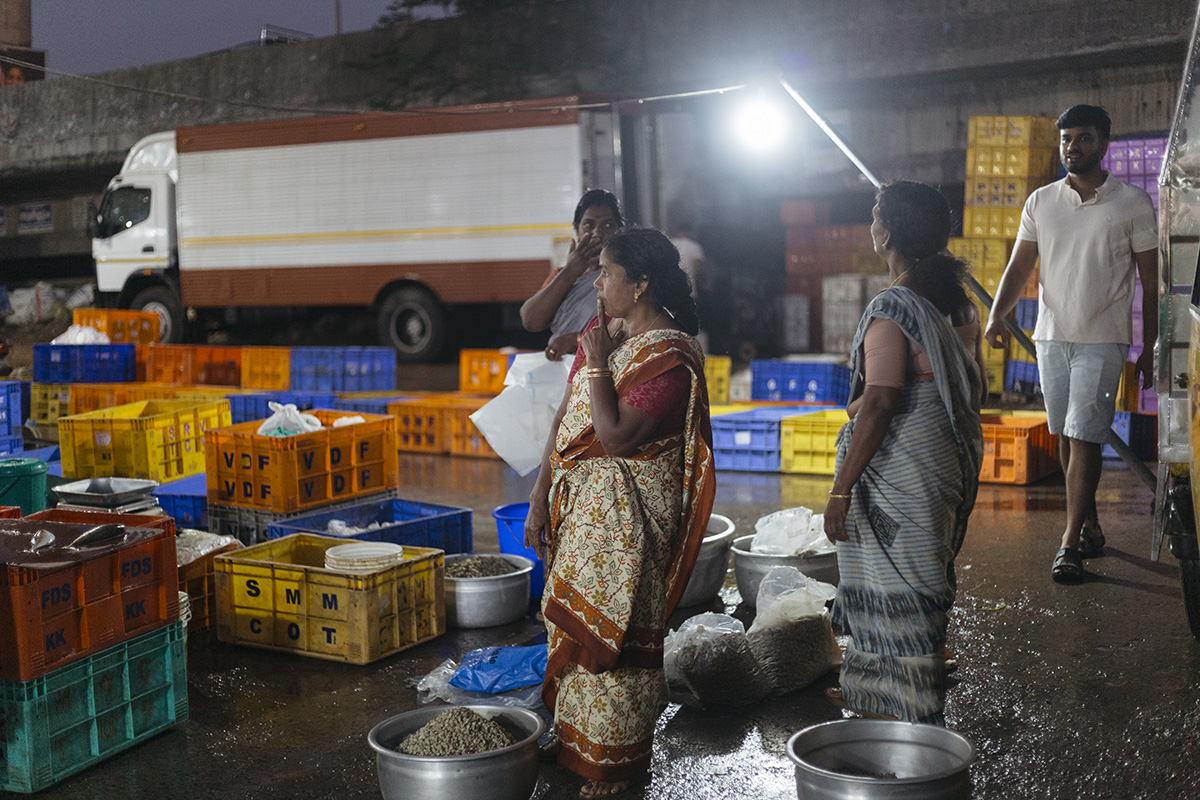
In Andhra Pradesh, the few who took the leap are struggling to sell their catch. While yellowfin tuna is a premium product globally, the lack of "shore-based infrastructure"—advanced cold chains and export-grade processing units—means fishers often sell high-quality tuna at domestic "trash fish" prices.
Official Responses and Strategic Imperatives
The Indian government views deep-sea fishing not just as an economic endeavor, but as a geopolitical necessity. By increasing the presence of Indian-flagged vessels in the Exclusive Economic Zone (EEZ) and Areas Beyond National Jurisdiction (ABNJ), India seeks to secure its maritime interests against distant-water fishing nations.
In late 2025, the Ministry of External Affairs introduced new rules to regulate high-seas fishing, driven by obligations to the World Trade Organization (WTO) and the Indian Ocean Tuna Commission (IOTC). India recently signed the WTO fishery subsidies agreement, which aims to curb subsidies that contribute to overcapacity and illegal fishing, while fighting for the rights of developing nations to maintain support for small-scale fishers.
However, internal strategy documents from NITI Aayog, the government’s premier think tank, acknowledge the hurdles. Their strategy report on the Blue Economy identifies the "lack of adequate infrastructure and access to advanced technologies" as the most significant bottleneck.

When questioned about the technical failures in the Kerala fleet, officials have pointed toward the "Make in India" mandate, which required all components—from Greaves Cotton engines to specialized electronics—to be sourced domestically. While intended to boost local industry, fishers argue this came at the expense of vessel reliability.
Implications: The Human and Economic Cost
The failure of the scheme to meet its targets carries heavy implications for India’s coastal communities.
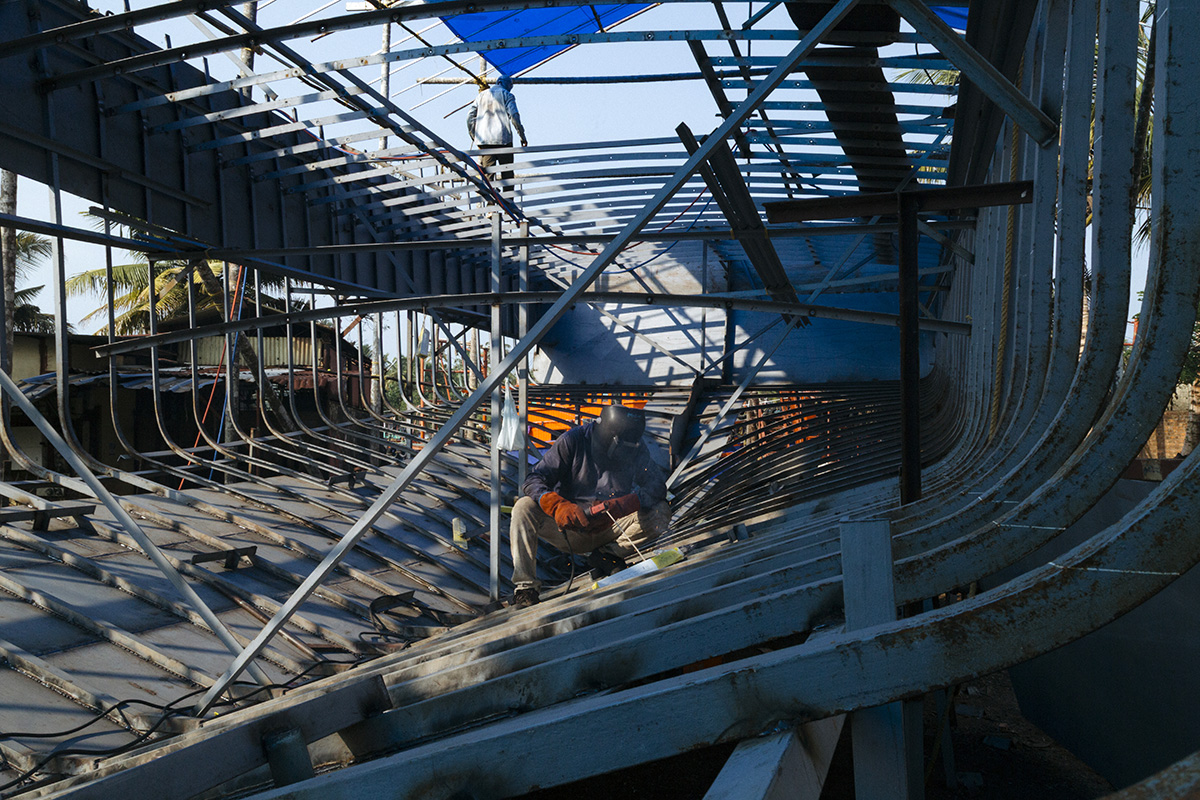
- The Debt Trap: Traditional fishers, who operate on thin margins, are taking on life-altering debt. Kiran Koli, a union leader from Maharashtra, highlights the irony: "We were supposed to prosper with this new boat, but are instead caught in a deeper mess. If a union leader is stuck, how will a regular fisherman survive?"
- Market Failures: Without a "tuna-specific infrastructure" at harbors, the DSFV scheme is essentially a bridge to nowhere. If the catch cannot be preserved at -60°C (the standard for sashimi-grade tuna), the export potential remains untapped.
- Ecological Pressures: If the transition to the deep sea fails, fishers will inevitably return to nearshore waters, further depleting already stressed coastal stocks and heightening the risk of conflict between mechanized trawlers and traditional artisanal fishers.
- International Credibility: As India negotiates for higher tuna quotas at the IOTC, its inability to fully utilize its existing sanctioned fleet may weaken its bargaining position against nations like China or the EU.
Conclusion: A Need for Consultation
The ambition of the Pradhan Mantri Matsya Sampada Yojana is undeniable. It envisions a future where India is a global seafood powerhouse. Yet, as Shaju Antony’s rusting boat in Kerala suggests, top-down engineering cannot replace the generational wisdom of those who actually sail.
For the scheme to succeed, stakeholders argue the government must move beyond vessel subsidies and address the "ecosystem of fishing"—ensuring reliable boat designs, timely subsidy disbursements, fuel tax relief, and, most importantly, the specialized cold chains required to bring the deep sea’s bounty to the global market. Until then, India’s deep-sea dreams remain anchored by the weight of their own implementation.
This story was produced in partnership with the Pulitzer Center’s Ocean Reporting Network.
