

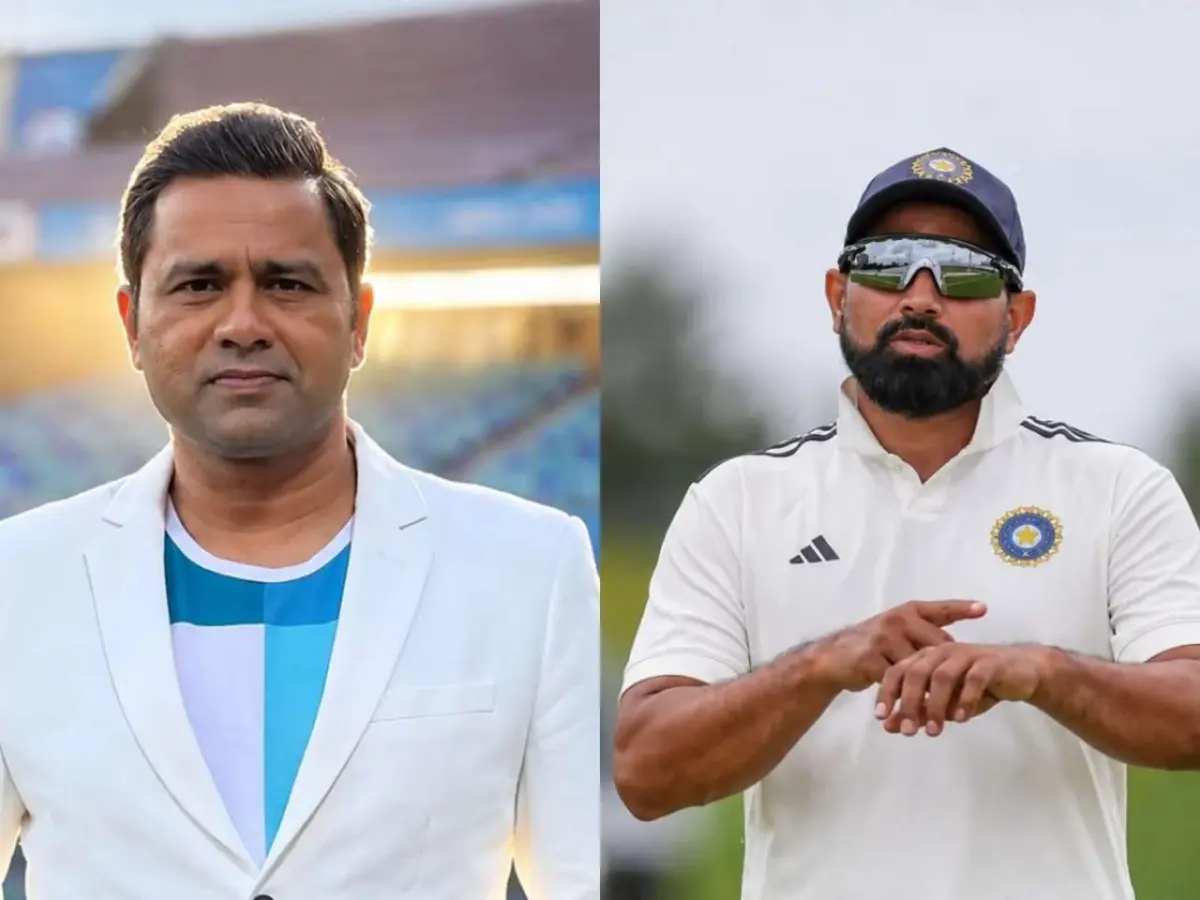
Mumbai, India – The landscape of Indian cricket selection has once again become a hotbed of speculation and debate, particularly concerning the potential return of veteran fast bowler Mohammed Shami. Following the recent departure of chief selector Ajit Agarkar and the surprising recall of 36-year-old Bhuvneshwar Kumar, cricketing circles are abuzz with discussions about whether Shami, another seasoned campaigner, might also find his way back into the national squad. However, former India cricketer and renowned commentator Aakash Chopra has offered a starkly realistic assessment, suggesting that Shami’s path back to international cricket is fraught with challenges, extending far beyond the influence of any single individual in the selection committee.
Chopra’s candid remarks underscore a broader philosophical dilemma facing Indian cricket: how to balance the invaluable experience of established stars with the imperative to blood new talent and build a robust squad for future global tournaments. With a critical tour of New Zealand looming and the 2027 World Cup firmly on the horizon, every selection decision carries immense weight, shaping not only immediate team dynamics but also the long-term trajectory of Indian cricket.
The Unfolding Narrative: Main Facts
The central question gripping Indian cricket aficionados is whether Mohammed Shami, a linchpin of India’s pace attack for over a decade, will don the national colours again. This query gained particular traction after the Board of Control for Cricket in India (BCCI) selection committee, post-Ajit Agarkar’s departure, opted to recall another veteran seamer, Bhuvneshwar Kumar, despite his age and the team’s purported focus on a youth-centric transition.
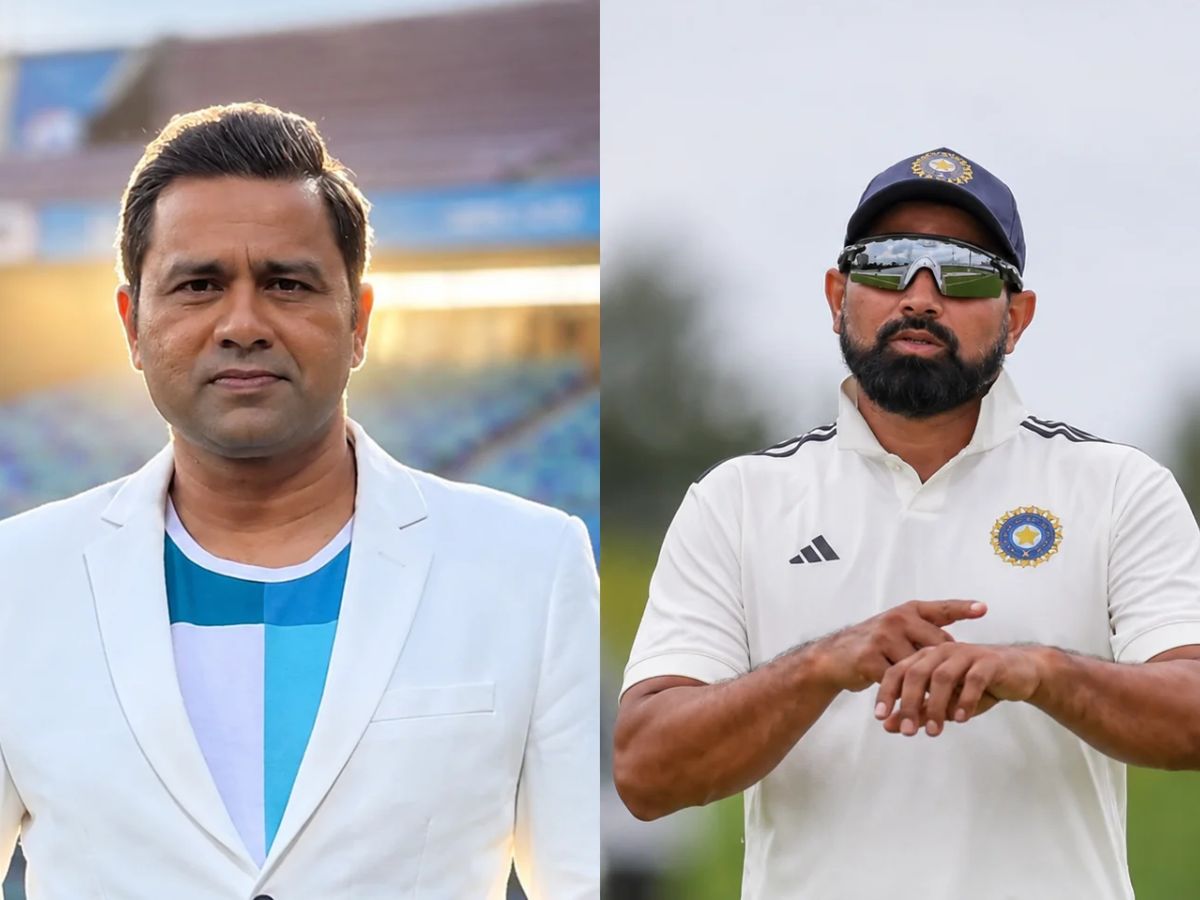
Aakash Chopra, known for his astute analysis, has emphatically stated that while Bhuvneshwar’s return might hint at a renewed appreciation for experience, it would be "fooling ourselves" to assume Shami’s comeback is merely contingent on Agarkar’s exit. Chopra, citing direct conversations with selectors, revealed that the reservations about recalling Shami were widespread across the five-member committee, not solely confined to the former chairman. This suggests a deeper, collective strategic thinking at play regarding the team’s fast-bowling resources.
)
According to Chopra, if Shami is to make a return, the upcoming New Zealand series represents his "last opportunity" to stake a claim for the 2027 World Cup squad. The urgency is palpable, given the increasing competition from a new generation of fast bowlers and the ticking clock of age.
The context for these discussions is further complicated by the current state of India’s pace attack. While Jasprit Bumrah remains the undisputed spearhead, concerns over his workload are perennial. Furthermore, a spate of injuries to promising young pacers like Harshit Rana and Prasidh Krishna, alongside the multi-utility all-rounder Hardik Pandya, has thinned India’s fast-bowling reserves. With a demanding New Zealand tour featuring five T20Is, five ODIs, and two Tests, the need for a deep and versatile pool of fast bowlers is paramount, making the selection committee’s choices all the more critical.

A Career Forged in Fire: Chronology of Mohammed Shami’s Journey and India’s Pace Evolution
Mohammed Shami’s journey in international cricket has been nothing short of remarkable, marked by periods of sublime performance, significant injuries, and unwavering resilience.
Shami’s Illustrious Career Arc:
Born in Amroha, Uttar Pradesh, Shami burst onto the international scene in 2013, quickly establishing himself as a potent force with his ability to seam the ball, generate disconcerting bounce, and later, master the art of reverse swing. His early career saw him become a consistent performer across formats, particularly excelling in Test cricket with his relentless accuracy and wicket-taking prowess.
)
Key milestones include:
- 2014-2015: Shami was a vital cog in India’s pace attack during the challenging tours of England and Australia, and subsequently played a pivotal role in the 2015 ICC Cricket World Cup, finishing as India’s second-highest wicket-taker with 17 scalps.
- 2018-2019: Following a period of fitness struggles and personal issues, Shami made a powerful comeback, becoming a cornerstone of India’s formidable Test pace battery alongside Ishant Sharma and Jasprit Bumrah. His performances in Australia and England were instrumental in India’s historic Test series victories. He continued this form into the 2019 World Cup, where he famously took a hat-trick against Afghanistan.
- Post-2019: Shami remained a crucial component, particularly in Test and ODI formats, contributing significantly with both new and old balls. His ability to break partnerships and provide crucial breakthroughs, often in the middle overs of ODIs or with reverse swing in Tests, became his hallmark. However, recent years have seen a more selective approach to his workload, with periods of rest or omission, especially in the T20I format, largely due to the emergence of younger, more death-overs-specialist pacers. His last international appearance predates the current discussion, leading to questions about his place in the modern, fast-evolving Indian white-ball setup.
The Evolution of India’s Pace Attack:
For decades, Indian cricket was synonymous with spin dominance. However, the last 15-20 years have witnessed a revolutionary shift, transforming India into a nation capable of producing world-class fast bowlers. This transformation gained significant momentum in the 2010s with the rise of pacers like Shami, Ishant Sharma, Umesh Yadav, and later, the generational talent of Jasprit Bumrah.
)
The strategy shifted from merely containing batsmen to actively seeking wickets with pace and aggression. The advent of the Indian Premier League (IPL) also provided a platform for raw talent to be honed, leading to a consistent pipeline of fast bowlers. The current era boasts a formidable, if sometimes injury-prone, pool including Bumrah, Mohammed Siraj, Arshdeep Singh, Umran Malik, and the injured trio of Prasidh Krishna, Harshit Rana, and Hardik Pandya. The "transition to a newer pace attack," as mentioned in the article, refers to this deliberate effort to integrate these younger talents and build a strong contingent for the next decade.
Ajit Agarkar’s Tenure and Departure:
Ajit Agarkar, a former India all-rounder, took over as the chief selector in mid-2023, bringing with him the experience of having played at the highest level. His tenure was marked by some bold decisions and a clear focus on the upcoming ICC tournaments. While the specifics of his departure are not publicly detailed in the provided text, the timing has undoubtedly created a vacuum and opened the door for renewed discussions on selection policy. The implication is that a new regime, or at least a modified approach, might now prevail.
)
Bhuvneshwar Kumar’s Unexpected Recall:
The most immediate and "eye-catching" development preceding the Shami debate was the recall of Bhuvneshwar Kumar for the white-ball series. At 36, and having been out of the national reckoning for a significant period, his return for a major series sent ripples through the cricketing fraternity. While Bhuvneshwar’s swing and experience are undeniable assets, his age and the team’s stated policy of looking towards the future sparked considerable debate. Some saw it as a pragmatic move to inject experience, especially in the absence of key pacers; others viewed it as a step back from the youth-first strategy. This decision, however, has undeniably set a precedent, suggesting that the door might not be entirely shut for other seasoned veterans like Shami.
Delving Deeper: Supporting Data and Expert Perspectives
To fully grasp the complexities surrounding Mohammed Shami’s potential comeback, it’s essential to examine his statistical profile, dissect Aakash Chopra’s detailed commentary, and consider the broader context of India’s fast-bowling requirements.
)
Mohammed Shami’s Statistical Prowess:
Shami’s career statistics paint a picture of a world-class fast bowler across formats:
- Tests: With over 200 wickets in Test cricket at an impressive average, Shami has been a consistent performer in the longest format. His ability to pick up wickets in all conditions, particularly with the old ball reverse-swinging, makes him a formidable adversary.
- ODIs: In One Day Internationals, Shami boasts a healthy wicket tally at a strike rate that rivals the best in the business. He has a knack for breaking partnerships and can be incisive in both the powerplay and middle overs. His performances in the 2015 and 2019 World Cups stand as testament to his big-tournament temperament.
- T20Is: While his T20I appearances have been less frequent in recent times, Shami has demonstrated his capability in the format, particularly with his ability to hit hard lengths and deliver crucial yorkers. However, the modern T20 game demands extreme pace or highly specialized death-bowling skills, which has led to him being overlooked in favour of younger, more format-specific talents.
His recent form, if any domestic or IPL performances are considered, would also be crucial. While the original article doesn’t detail this, a professional journalistic piece would usually cross-reference his latest competitive outings to assess his current match fitness and rhythm.
)
Aakash Chopra’s Detailed Assessment:
Chopra’s YouTube channel often serves as a platform for his in-depth analyses, and his views on Shami’s situation are particularly insightful. He systematically dismantled the notion that Agarkar was a lone barrier, emphasizing the collective nature of the selection committee’s decisions.
"If Bhuvi has come, will Shami also come? I think we will be fooling ourselves if we feel that one guy was stopping everyone and that only he was resisting and everyone else wanted to pick them," Chopra stated emphatically. He further solidified his point by asserting, "It is not possible because it is a five-member selection committee. I can actually vouch that I have spoken to the selectors, and all of them are on the same page. So, it’s not like the chairman randomly said it and everyone was agreeing." This suggests a unified stance, likely based on a strategic vision that extends beyond individual preferences.
Chopra’s commentary also focused on the timeline for Shami. "There are discussions that Shami’s name might come in the ODI team. I am not saying that it cannot come, but will it come just because Ajit Agarkar has left? That I don’t agree," he reiterated. The critical juncture, according to him, is the upcoming New Zealand series. "The big thing is that this is his last opportunity if you are looking at the 2027 World Cup, because if not now, then when after this?" This highlights the age factor and the need for a long runway for World Cup preparations. While acknowledging he has no "inside information," Chopra conceded that Shami’s return is "not outside the realm of possibilities," but remains highly uncertain.
)
Other Expert Opinions and Team Requirements:
The debate around veteran pacers vs. youth is a perennial one in cricket. Many experts advocate for a blend of experience and youth, particularly in multi-format tours or major tournaments. The argument for experience often centres on composure under pressure, tactical nous, and the ability to adapt to varying conditions. Shami certainly possesses these attributes.
However, the counter-argument stresses the need for speed, fitness for modern high-intensity cricket, and building a core group that can serve the team for years to come. The current Indian pace attack, though talented, faces significant challenges:
)
- Jasprit Bumrah’s Workload: He is India’s premier fast bowler, but managing his workload across formats is crucial to prevent burnout and injury.
- Injury Concerns: The recent injuries to Harshit Rana, Prasidh Krishna, and Hardik Pandya significantly deplete the fast-bowling resources. Rana and Krishna were seen as promising long-term prospects, while Pandya’s absence affects the team’s balance.
- New Zealand Tour Demands: A tour featuring 12 international matches across three formats (5 T20Is, 5 ODIs, 2 Tests) will require a deep bench of pacers. Different formats demand different skill sets and fitness levels. For instance, T20Is require death-bowling specialists, ODIs demand wicket-taking ability in the middle overs, and Tests necessitate sustained pressure over long spells. This varied demand could potentially open a slot for Shami, especially in ODIs or Tests, where his experience could be invaluable.
The Unspoken Stance: Official Responses and Selection Philosophy
In the world of cricket selection, official responses are often guarded, especially when dealing with high-profile players and sensitive decisions. The original article provides no direct quotes from the BCCI or the selection committee regarding Mohammed Shami’s current status or the reasons for his previous omissions. This lack of explicit communication fuels speculation and relies heavily on the interpretations of former players like Aakash Chopra.
However, based on Chopra’s interactions with the selectors, it can be inferred that the committee’s stance on Shami’s recall was not a singular decision but a collective agreement. This points towards a more defined, albeit unstated, selection philosophy. This philosophy likely encompasses:
)
- Age and Fitness: While Bhuvneshwar Kumar’s recall suggests age isn’t an absolute barrier, it’s probable that selectors weigh a veteran’s current fitness levels and ability to withstand the rigours of international cricket against the potential of younger players. The demanding schedule and high-performance requirements mean that even experienced players must demonstrate peak physical condition.
- Future Planning vs. Immediate Needs: The balance between building a squad for the 2027 World Cup and addressing immediate team requirements is a constant tightrope walk. The "transition to a newer pace attack" indicates a long-term vision, but pressing injury concerns or specific match conditions might necessitate a deviation towards experience.
- Role Clarity: For any player, particularly a veteran, being clear about their role in the team is paramount. Is Shami being considered as a primary strike bowler, a rotation option, or a mentor for younger players? The answer to this would influence the selectors’ decision.
- Form and Availability: While Shami’s past record is stellar, his current form in any competitive cricket (domestic or IPL) and his availability for the full duration of a multi-format tour would be critical factors.
The upcoming squad announcement for the ODI and Test legs of the New Zealand tour, expected around mid-October, will serve as the official "response" to these pressing questions. Until then, the silence from the BCCI only amplifies the anticipation and the weight of the selectors’ impending decisions.
Charting the Course Ahead: Implications and Future Outlook
The decision regarding Mohammed Shami’s comeback carries significant implications, not just for the player himself, but for the Indian cricket team’s strategic direction, its selection philosophy, and the broader debate around experience versus youth.
)
Implications for Mohammed Shami:
For Shami, a return would be a testament to his enduring skill, dedication, and resilience. At 36, playing international cricket, especially fast bowling, is physically demanding. A comeback would allow him to further cement his legacy, potentially contributing to another World Cup campaign. However, it also means facing intense competition and proving his fitness and form consistently. If he doesn’t make the cut for the New Zealand tour, as Chopra suggests, it could signal the definitive end of his international white-ball career, shifting his focus perhaps solely to Test cricket or domestic leagues. The pressure would be immense, as this might be his final window of opportunity.
Implications for Team India:
The decision will reflect directly on India’s long-term strategy for the 2027 World Cup.
)
- Youth Policy vs. Experience: If Shami is recalled, it would indicate a pragmatic shift towards valuing experience in crucial moments, potentially slowing down the "transition" phase. If he isn’t, it would reinforce the commitment to nurturing younger talent, even amidst injury woes.
- Addressing Pace Attack Depth: Shami’s inclusion could provide immediate relief for the injury-hit pace department, offering a reliable wicket-taking option and easing the workload on Bumrah. His experience would also be invaluable in mentoring younger pacers like Mukesh Kumar or Arshdeep Singh.
- Balance and Flexibility: A seasoned campaigner like Shami offers flexibility in team composition, especially in formats like ODIs and Tests where sustained pressure and wicket-taking ability are paramount. His ability to perform in different phases of an innings or over extended periods is a significant asset.
The Broader Selection Philosophy Debate:
The debate surrounding Shami is a microcosm of a larger philosophical discussion within Indian cricket.
- The "Horses for Courses" Approach: Are selectors opting for players best suited for specific conditions or formats, or are they trying to build a consistent core across all formats?
- The Pressure on the New Committee: The post-Agarkar committee faces immediate scrutiny. Their choices will set the tone for their tenure and define their approach to team building. Balancing public expectation, expert advice, and the team management’s requirements will be a tightrope walk.
- The Role of IPL: While IPL provides a platform, selection for international cricket requires a different set of skills and temperament. How much weight is given to IPL performances versus domestic red-ball cricket or past international records?
Significance of the New Zealand Tour:
The upcoming tour of New Zealand is not just another series; it’s a critical testing ground for India’s bench strength and strategic decisions.
)
- Multi-format Challenge: Playing across T20Is, ODIs, and Tests against a strong opponent like New Zealand demands adaptability and depth.
- Player Audition: For many fringe players and those returning from injury, this tour will be a crucial audition to stake their claim for future assignments, including the T20 World Cup and the foundational planning for the 2027 ODI World Cup.
- Setting the Tone: The squad selected and the performances delivered will set the tone for India’s international calendar, influencing morale, confidence, and tactical adjustments for the foreseeable future.
In conclusion, Mohammed Shami’s potential return to the Indian team is far from a simple yes or no. It’s a complex decision intertwined with India’s long-term vision, current injury concerns, the collective wisdom of the selection committee, and the player’s own enduring capabilities. As the mid-October squad announcement approaches, the cricketing world watches with bated breath to see if the seasoned seamer will be given one "last opportunity" to contribute to India’s cricketing aspirations on the international stage.
