

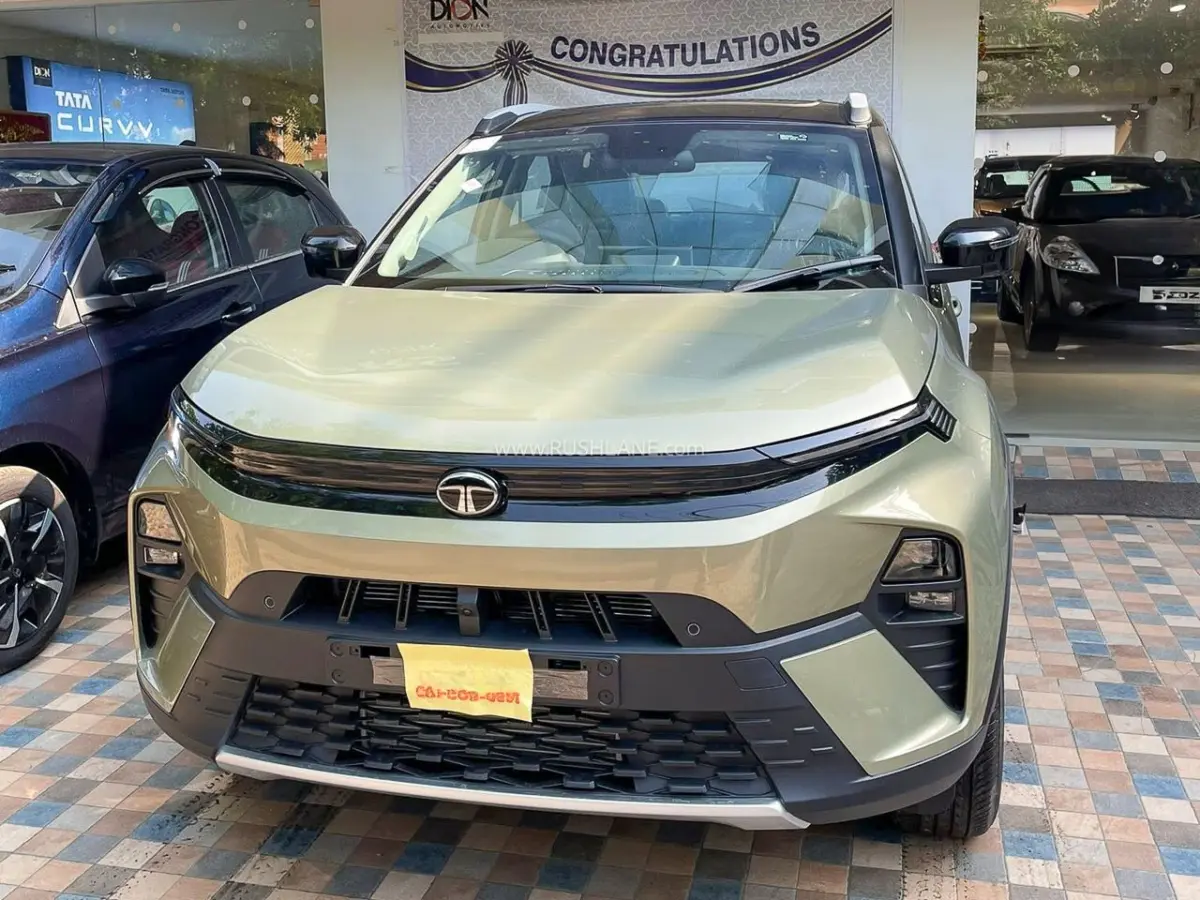
The Indian automotive landscape continues to be redefined by the unstoppable momentum of the Sport Utility Vehicle (SUV). In September 2026, the segment reached a significant milestone, reflecting both the maturing preferences of the Indian consumer and the aggressive product cycles of leading manufacturers. According to the latest industry data, the top 10 best-selling SUVs in the country accounted for a staggering 1,58,719 units. This figure represents a robust 21.88% year-on-year (YoY) growth compared to the 1,30,230 units recorded in September 2025.
The month-on-month (MoM) trajectory also points toward a healthy recovery and a buildup for the festive season, with volumes increasing by 5.82% over August 2026’s 1,49,994 units. As the industry enters the final quarter of the year, the competition has narrowed to razor-thin margins, particularly at the top of the leaderboard where Tata Motors continues to exert its dominance, albeit under increasing pressure from Maruti Suzuki and Mahindra.
Main Facts: A Market Divided by Inches and Units
The most striking revelation from the September 2026 data is the intense "sibling rivalry" within the Tata Motors stable. The Tata Nexon, a long-standing champion of the sub-compact segment, maintained its pole position, but only by the narrowest of margins. Selling 20,456 units (inclusive of its EV derivatives), the Nexon edged out its smaller stablemate, the Tata Punch, by a mere 123 units.
Key highlights from the September report include:
- Total Volume: 1,58,719 units for the Top 10 models.
- Market Concentration: Every single model in the top 10 list surpassed the 10,000-unit monthly sales mark, indicating a high floor for success in the current market.
- Tata’s Duopoly: Nexon and Punch combined contributed 40,789 units, representing approximately 25.70% of the total sales within the top 10.
- Growth Leaders: The "Victoris" and the Kia Seltos emerged as the percentage growth kings, with the former posting a triple-digit YoY increase of over 200%.
- Momentum: Nine out of the top 10 models showed positive growth compared to August 2026, signaling a strong consumer appetite heading into the Diwali period.
Chronology: From August Lull to September Surge
To understand the September 2026 figures, one must look at the preceding months. August 2026 was characterized by a period of inventory correction and strategic "wait-and-watch" from consumers expecting festive discounts. However, as September rolled in, manufacturers unleashed a series of promotional campaigns and variant refreshes that successfully converted inquiries into sales.
In August 2026, the total volume for the top 10 SUVs stood at 1,49,994. The jump to 1.58 lakh units in September illustrates a 5.82% MoM increase. This period also saw the stabilization of supply chains for semi-conductors and high-end electronic components, which had previously hampered the production of feature-rich models like the Mahindra Scorpio-N and the Hyundai Creta.

By mid-September, the market saw a distinct shift. While the Tata Punch had been leading the charts in several months of the first half of 2026, the Nexon regained its crown in September through aggressive fleet sales and the continued popularity of its mid-life facelift. Simultaneously, Mahindra began ramping up the production of the XUV3XO, which reflected in the model’s staggering 30.37% MoM growth—the highest on the list.
Supporting Data: The Leaderboard Breakdown
The Podium Finishers
- Tata Nexon: Despite a YoY decline of 9.38% (down from 22,573 units in Sept 2025), the Nexon remains the gold standard. Its ability to offer petrol, diesel, and electric powertrains allows it to capture a diverse demographic. It saw a 10.99% MoM increase from August’s 18,431 units.
- Tata Punch: The Punch recorded 20,333 units. While it grew 27.95% YoY, it was the only model in the top 10 to see a monthly decline (down 4.63% from August). This suggests a slight saturation or perhaps internal cannibalization by the Nexon’s recent promotional offers.
- Maruti Suzuki Fronx: Ranking third, the Fronx continues to be Maruti’s star performer in the crossover-SUV space. With 19,282 units, it grew 40.06% YoY, proving that the "SUV-coupe" silhouette has found a permanent home in Indian garages.
The Mid-Segment Powerhouses
- Hyundai Creta: The Creta maintains its status as the "King of Mid-size SUVs" with 17,657 units. Although it saw a 6.38% YoY dip, its 8.40% MoM growth indicates that it remains the default choice for buyers looking for a premium experience.
- Mahindra Scorpio (Classic + N): The Scorpio brand remains an icon of ruggedness, moving 17,313 units. It narrowly missed the fourth spot by just 344 units. While it saw a 5.76% YoY decline, its 11.15% MoM increase shows that the demand for the Scorpio-N remains high, especially in Tier-2 and Tier-3 cities.
- Maruti Suzuki Brezza: The Brezza posted 15,685 units, a massive 54.18% jump from the 10,173 units sold in September 2025. This reinforces Maruti’s recovery in the compact SUV segment.
The Growth Outliers
- Victoris: This model was the surprise of the month, recording 13,111 units. With a YoY growth of 207.70%, it added 8,850 units to its tally compared to the previous year. This suggests a successful product relaunch or a significant expansion in dealership reach.
- Kia Seltos: The Seltos proved its resilience with 12,593 units, a 116.52% YoY increase. Kia’s focus on tech-heavy interiors and ADAS features continues to attract urban buyers.
- Hyundai Venue: With 11,466 units, the Venue remained stable, showing a marginal 0.89% MoM growth. It continues to be a consistent volume driver for Hyundai.
- Mahindra XUV3XO: Completing the list is the XUV3XO with 10,823 units. It achieved the highest MoM growth of 30.37%, signaling that Mahindra has finally resolved the production bottlenecks for this specific model.
Official Responses and Industry Sentiment
While individual manufacturers rarely comment on month-on-month fluctuations, the overarching sentiment from industry bodies like SIAM (Society of Indian Automobile Manufacturers) suggests a "cautiously optimistic" outlook.
Analysts at leading brokerage firms note that Tata Motors’ strategy of "multi-powertrain flexibility" is paying off. A spokesperson from the industry noted, "The narrow gap between the Nexon and the Punch highlights Tata’s ability to dominate two different price points within the SUV category simultaneously. However, the resurgence of Maruti and the aggressive growth of Mahindra’s XUV3XO suggest that the market is becoming increasingly fragmented."
Mahindra & Mahindra officials have hinted at further expansion. With the XUV3XO already showing the highest monthly growth, the company is reportedly preparing for the launch of a CNG variant featuring a twin-cylinder setup, similar to Tata’s iCNG technology. This move is expected to directly challenge the Nexon’s entry-level petrol variants and further boost Mahindra’s market share in the sub-4-meter segment.
Implications: What This Means for the Future
The September 2026 sales data carries several long-term implications for the Indian automotive market:
1. The "SUV-ification" is Complete
The fact that all top 10 SUVs sold more than 10,000 units each suggests that the SUV is no longer a "niche" or "premium" choice—it is the standard. Hatchbacks and sedans are increasingly being relegated to the periphery, as consumers prioritize high ground clearance, commanding seating positions, and perceived safety.

2. The Rise of Alternative Fuels
The inclusion of EV sales in the figures for the Nexon and Punch is a significant contributor to their top-tier rankings. As charging infrastructure improves, the "EV-first" approach of brands like Tata is creating a moat that traditional manufacturers are struggling to cross. However, the upcoming XUV3XO CNG variant suggests that the battle for the "eco-friendly" buyer will soon expand into the affordable CNG space.
3. Feature Democratization
The triple-digit growth of the Kia Seltos and the Victoris indicates that Indian buyers are willing to pay a premium for technology. Features that were once reserved for luxury cars—such as 360-degree cameras, ventilated seats, and Level 2 ADAS—are now becoming "must-haves" in the ₹12 lakh to ₹20 lakh price bracket.
4. Competitive Pricing Pressures
With the top three models (Nexon, Punch, and Fronx) all hovering around the 19,000–20,000 unit mark, price wars are inevitable. We can expect aggressive financing schemes and "limited edition" launches as we head into the peak of the 2026 festive season.
In conclusion, September 2026 has set a high benchmark for the Indian SUV segment. As Tata Motors fights to keep its crown, the rapid ascent of Mahindra and the steady growth of Maruti Suzuki ensure that the Indian consumer remains the ultimate winner in a market defined by choice, innovation, and value.
