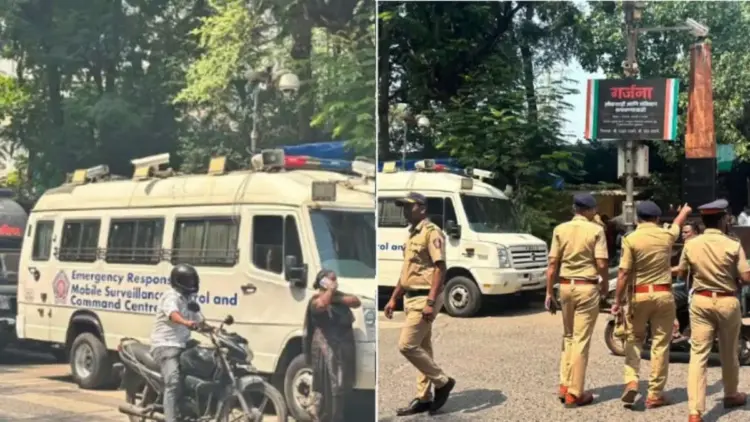
Mumbai, October 2, 2026 – Shivaji Park, the iconic grounds synonymous with Mumbai’s vibrant political and cultural life, has been transformed into an impenetrable fortress today, Friday, October 2, 2026. A massive deployment of Mumbai Police personnel, including elite anti-riot squads, Quick Response Teams (QRT), and dog squads, has cordoned off the sprawling expanse in Dadar, anticipating a "jail-filling protest" planned by a group identified only as CJP. Authorities have categorically stated that the proposed gathering lacks official permission, setting the stage for a potential standoff between activists and law enforcement.
The heightened security measures come amidst growing concerns over public order and the delicate balance between the right to peaceful assembly and the state’s prerogative to maintain peace and safety. As dawn broke over the city, residents of the bustling Dadar area awoke to a landscape dramatically altered by barricades, police vehicles, and a palpable tension in the air, underscoring the gravity with which authorities are treating the unpermitted demonstration.
While the exact grievances driving the CJP’s "jail-filling" protest remain officially undisclosed by the police, observers and local media speculate that the demonstration is likely linked to pressing socio-political issues, possibly concerning civil liberties, government policies, or human rights. A "jail-filling" protest, a form of civil disobedience, typically involves participants deliberately courting arrest to highlight their cause and overwhelm the judicial system, thereby drawing widespread attention. The police’s pre-emptive actions suggest a determination to prevent any such disruption and ensure the city’s normal functioning.
A Fortress Erected: Unprecedented Security Measures Transform Shivaji Park
The scale of the security deployment at Shivaji Park is comprehensive, indicative of a meticulously planned operation aimed at pre-empting any unauthorized assembly. From physical barriers to advanced surveillance, every aspect of crowd control and law enforcement has been activated.
Physical Barriers and Controlled Access
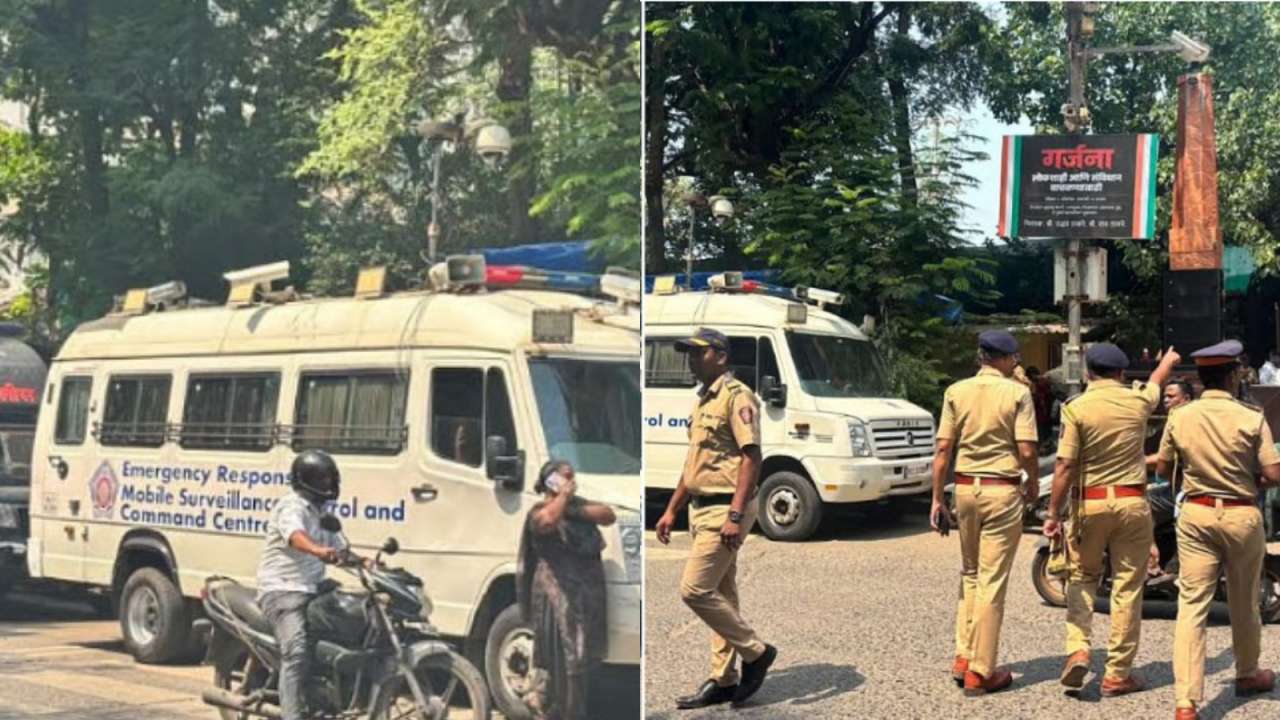
The most immediate and visible manifestation of the security crackdown is the extensive physical fortification of Shivaji Park. The main entrance to the grounds has been sealed shut, effectively blocking direct access. Complementing this, nearly a dozen heavy-duty barricades have been strategically erected around the entire perimeter of the premises. These steel barriers, often used in riot control, serve multiple purposes: to channel traffic, restrict pedestrian movement, and create controlled access points should any be designated. The area immediately surrounding the ground has also been completely cordoned off, creating a sterile zone intended to prevent large crowds from congregating near the protest site. Police personnel are maintaining a vigilant watch, rigorously questioning individuals attempting to approach the cordoned areas and ensuring that no unauthorized entry into the park occurs. This level of physical control aims to isolate the park, preventing the formation of a critical mass of protesters that could challenge police lines.
Elite Squads on High Alert
Beyond the visible barricades and uniformed police presence, specialized units have been mobilized and placed on high alert, ready to respond to any eventuality.

- Anti-Riot Squads: These highly trained units, equipped with protective gear, shields, and non-lethal crowd control instruments, are a critical component of the deployment. Their presence signals the police’s preparedness for potential confrontations, ensuring they can manage and disperse unruly crowds with minimal harm, should the situation escalate beyond peaceful demonstration. Their training focuses on disciplined formation and de-escalation tactics, but they are also equipped for rapid intervention.
- Quick Response Team (QRT): The QRT, known for its rapid deployment capabilities and tactical expertise, is positioned to provide immediate reinforcement and address any emergent threats. These teams are typically armed and trained to handle high-risk situations, signifying the police’s assessment of potential contingencies, including those beyond mere crowd control. Their agility allows for swift movement to any flashpoint within the expansive park area.
- Dog Squad: The deployment of the dog squad adds another layer of security. Police dogs are effective in crowd management, acting as a deterrent, and can be crucial in detecting hidden individuals or suspicious objects. Their presence underscores a comprehensive security strategy that covers various aspects of public safety and potential threats.
Covert Surveillance and Digital Vigilance
In addition to overt displays of force, authorities are also employing discreet and technological means to monitor the situation.
- Plainclothes Personnel: A significant number of police personnel in plain clothes have been strategically deployed at key locations both inside and around Shivaji Park. Their primary role is to blend in with the public, gather intelligence, identify potential instigators or organizers, and report on real-time developments without drawing undue attention. This intelligence-gathering operation is crucial for informing police strategy and pre-empting coordinated actions by protesters.
- Social Media Monitoring: Recognizing the power of digital platforms in mobilizing crowds, authorities are rigorously monitoring social media posts linked to the proposed protest. This includes tracking hashtags, public announcements, and private group communications to gauge the level of mobilization, identify key organizers, and anticipate any changes in protest strategy. This digital vigilance allows police to stay ahead of potential developments and tailor their response accordingly, preventing unauthorized calls for assembly from gaining traction.
Official Stance and Pre-emptive Actions: Maintaining Law and Order
The Mumbai Police’s actions are firmly rooted in their mandate to maintain public order and prevent any breach of peace. Their official statements and actions reflect a clear and uncompromising stance against unauthorized gatherings.

The Permitting Conundrum
At the heart of the current standoff is the issue of official permission. Mumbai, like many major Indian cities, has stringent regulations regarding public gatherings and protests. Organizers are typically required to seek and obtain permission from the police and local civic bodies well in advance, detailing the purpose, expected number of participants, route (if a march), and duration of the event. These regulations are designed to ensure public safety, manage traffic, and prevent disruption to daily life.
Police officials have unequivocally stated that the CJP’s planned "jail-filling protest" has not been granted the necessary permissions. While the specific reasons for the denial have not been publicly detailed, such decisions are often based on assessments of potential public inconvenience, traffic congestion, the likelihood of violence or unlawful assembly, and the overall security implications. The police’s position is that any assembly proceeding without this requisite permission is illegal and will be dealt with according to the law. This firm stance aims to deter participants and uphold the legal framework governing public demonstrations.

Senior Leadership’s Direct Oversight
The seriousness with which the Mumbai Police leadership is treating the situation was evident on Thursday evening, when several senior police officers conducted a comprehensive inspection of Shivaji Park and its environs. This on-site assessment by high-ranking officials underscores the critical nature of the impending protest. During their inspection, officers meticulously reviewed the main gate, nearby arterial roads, and other areas identified as potentially sensitive. They assessed the readiness of deployed personnel, the efficacy of the barricading, and the overall logistical arrangements.
Following the inspection, officials conveyed a clear message of preparedness. They affirmed that the police force is fully equipped to handle a large crowd, emphasizing their readiness to bring in additional personnel and resources should the situation demand it. This proactive leadership involvement aims to ensure seamless coordination, effective command and control, and a swift, proportionate response to any developments.

A Clear Message from Authorities
The consistent messaging from police authorities has been unequivocal: unauthorized assembly will not be tolerated. Their actions serve as a stark warning to potential protesters, highlighting the legal consequences of participating in an unpermitted gathering. The police’s primary objective is to prevent the protest from materializing or, if it does, to contain it effectively and disperse participants peacefully, or by force if necessary, to prevent escalation. This pre-emptive approach aims to uphold law and order and ensure the safety and security of all citizens, including those who may be inadvertently caught in the midst of a protest.
Echoes from the Ground: Public Sentiment and Local Impact
As Shivaji Park braces for a day of potential confrontation, the situation has inevitably drawn reactions from local residents and raised questions about the democratic right to protest.

Residents Caught in the Crossfire
For the residents living in the immediate vicinity of Shivaji Park, the heavy security deployment and cordoning off of the area have brought significant disruption to their daily lives. The quote from a local resident, who remarked on the "large crowd here and so many police personnel, and a stage has been set up," encapsulates the mix of curiosity, concern, and inconvenience experienced by the community. While some residents might appreciate the enhanced security for maintaining peace, others likely feel the pinch of restricted movement and the unsettling atmosphere. The transformation of a familiar public space into a temporary security zone impacts local businesses, commuter routes, and the general sense of normalcy. The resident’s statement, "We are not protesting. We are residents of Shivaji Park, and we are just taking a round of the area," highlights the challenge for authorities in distinguishing between genuine residents and potential participants, leading to general inconvenience for everyone.
The Protesters’ Dilemma
While the CJP group has not issued an official statement within the provided context, their planned "jail-filling protest" itself speaks volumes about their determination. For groups like CJP, the denial of permission often fuels their resolve, transforming the act of protesting without authorization into a statement against what they might perceive as restrictions on fundamental rights. They would likely argue that peaceful assembly is a cornerstone of democracy and that the state’s actions stifle dissent. Their objective, through courting arrest, is to amplify their message and garner public support by highlighting what they see as an infringement on their civil liberties. This creates a classic dilemma: the state’s duty to maintain order versus citizens’ right to express grievances, often leading to a tense standoff.

Shivaji Park: A Historic Nexus of Protest and Power
The choice of Shivaji Park as the protest venue is not incidental; it carries profound historical and symbolic weight within Mumbai and Maharashtra. Understanding this context enriches the narrative of the current security measures.
The Symbolism of the Location
Shivaji Park is far more than just a large open ground; it is a crucible of political discourse, cultural events, and historical movements. Named after the legendary Maratha warrior king Chhatrapati Shivaji Maharaj, the park has served as the launchpad for numerous significant political careers and social movements. It is famously associated with the Shiv Sena’s annual Dussehra rallies, where its founder, Bal Thackeray, would deliver fiery speeches that shaped the political landscape of Maharashtra. Historically, it has been a venue for massive public gatherings, cricket matches, and cultural festivals, embodying the spirit of Mumbai’s public life.

This symbolic significance makes it a potent location for any protest. For activists, holding a demonstration at Shivaji Park is a strategic move designed to maximize visibility and leverage the historical resonance of the venue. It is a statement that their cause is important enough to demand attention at a place where crucial public dialogues have historically unfolded. For the authorities, therefore, ensuring control over Shivaji Park during an unpermitted protest is not just about crowd management but also about managing the powerful symbolism attached to the location, preventing it from becoming a platform for widespread dissent that could potentially inspire broader unrest. The sanctity and public order of such an iconic site are paramount for the state.
The Broader Implications for Civil Liberties and Public Order
The standoff at Shivaji Park raises crucial questions about the delicate balance between fundamental civil liberties, particularly the right to peaceful assembly and freedom of speech, and the state’s legitimate responsibility to maintain public order and safety. In a democratic society, the ability to protest is a vital mechanism for citizens to voice grievances, hold power accountable, and advocate for change. However, this right is not absolute and is often subject to reasonable restrictions in the interest of national security, public order, and the rights of others.

The current situation highlights the inherent tension when these two principles collide. While police are duty-bound to prevent unlawful assembly and ensure peace, excessive restrictions can be perceived as stifling dissent. Conversely, allowing unpermitted protests to proceed unchecked could lead to chaos, endanger public safety, and set a precedent for future defiance of regulations. The outcome of this day’s events at Shivaji Park could have broader implications for how similar situations are handled across the country, influencing future policies regarding public gatherings and the exercise of protest rights. It will be closely watched by civil rights advocates, political commentators, and citizens alike, as it reflects on the health of democratic freedoms and the state’s approach to dissent.
Looking Ahead: An Unfolding Narrative
As the day progresses, the situation at Shivaji Park remains fluid and highly dynamic. The heavy security deployment indicates the police’s firm resolve to prevent the CJP’s "jail-filling" protest from materializing into a large-scale unauthorized assembly. However, the determination of protest groups to push their agenda, even in the face of restrictions, suggests that the day could yet witness dramatic developments. The eyes of Mumbai, and indeed the nation, are fixed on Shivaji Park, awaiting the unfolding narrative of a day that underscores the perpetual interplay between state power and civil expression in a vibrant democracy. The adaptability of security measures, as stated by officials, hints at the continuous assessment of the ground situation and the potential for a dynamic response depending on the number of people who turn up and the evolving circumstances at the protest site.