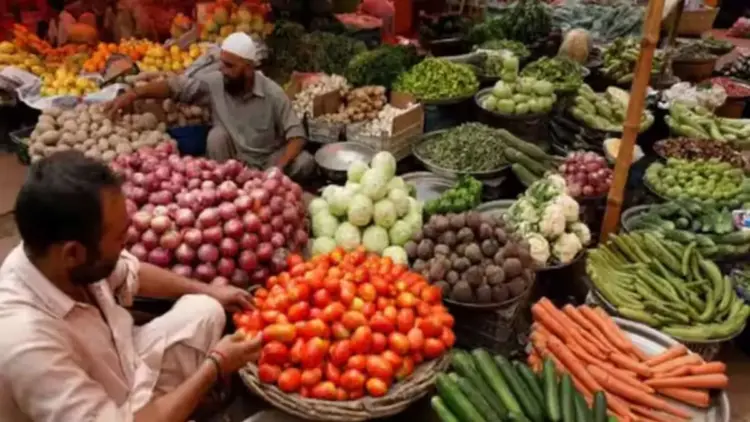
NEW DELHI, INDIA – A recent survey by LocalCircles has cast a stark light on the escalating economic pressures faced by Indian households, revealing a significant shift in consumer spending patterns driven by relentless inflation. The findings indicate that an overwhelming 61% of Indian consumers are now spending at least 20% more on essential commodities compared to their expenditures in 2025, forcing them to make difficult choices and drastically cut down on discretionary expenses. This economic strain, captured vividly by the survey, underscores a broader national challenge where rising prices of daily necessities are eroding purchasing power and reshaping the fabric of household budgets across the country.
The survey’s revelations come against a backdrop of persistently high inflation, with key economic indicators pointing to a challenging period for the Indian economy. The Wholesale Price Index (WPI) has seen a double-digit increase for consecutive months, and both headline and food inflation have surged past the Reserve Bank of India’s (RBI) comfort limits. This confluence of macroeconomic pressures and ground-level consumer distress paints a grim picture, prompting urgent questions about coping mechanisms for the masses amidst stagnant income growth and the adequacy of policy responses.
Chronology of Inflationary Pressures: A Trajectory of Rising Prices
The current inflationary spiral did not emerge overnight but has been building momentum over several months, culminating in the alarming figures observed in late 2026. Understanding this chronology is crucial to grasping the depth of the challenge faced by Indian consumers and policymakers alike.
Early Warning Signs (Mid-2026)
The initial tremors of rising prices began to manifest clearly in the retail sector around mid-2026. Data from the Consumer Price Index (CPI), which directly reflects the prices paid by urban and rural consumers, showed a steady and concerning upward trend. In July 2026, retail CPI inflation stood at 4.45%, a figure that, while within the RBI’s tolerance band of 2-6%, was already signaling potential trouble. This was followed by a rise to 4.82% in August, marking the tenth consecutive monthly increase. This sustained upward trajectory was particularly notable as it represented the highest rate of inflation witnessed in approximately 20 months, indicating a systemic pressure rather than a transient fluctuation.
Accompanying the headline CPI, food inflation, a critical component given its disproportionate impact on household budgets, also began to climb. Early in this period, food inflation had soared to 5.95%, hinting at the impending crisis in essential commodity prices. The relentless increase in these indices served as an early warning to economists and policymakers about the brewing storm.
The October 2026 Surge: A Critical Turning Point
The situation significantly deteriorated by October 2026, marking a critical inflection point in India’s inflation narrative. The Wholesale Price Index (WPI), which measures price changes at the producer level, soared to a staggering 12.3%. This was the second consecutive month that the WPI registered a double-digit increase, signaling widespread inflationary pressures across various sectors of the economy.

The primary drivers behind this WPI surge were external and deeply impactful. Crude petroleum and natural gas witnessed an unprecedented inflation of 70%, directly translating into higher fuel prices. Fuel, being a foundational input for transportation and manufacturing, acted as a powerful inflationary engine, driving up costs across the supply chain—from agricultural produce reaching markets to finished goods on retail shelves. The escalating cost of fuel became the main reason behind the overall inflation going up, creating a cascading effect on virtually every commodity.
In tandem with the WPI, the consumer-facing inflation also breached critical thresholds. The headline CPI inflation soared to 6.09% in October, decisively crossing the 6% upper limit set by the Reserve Bank of India. This breach signified a failure to keep inflation within the targeted band, raising concerns about the effectiveness of monetary policy and the broader economic stability. More alarmingly, food inflation climbed even higher, reaching a painful 8.94% in October 2026. This figure meant that families were spending significantly more on their basic sustenance, leaving less for other necessities and discretionary items.

Consumer Response Captured: LocalCircles Survey
It is against this backdrop of escalating and persistent price hikes that LocalCircles conducted its survey. Carried out recently, the survey effectively captured the immediate and profound impact of these macroeconomic shifts on the daily lives of ordinary Indians. The comparison to spending patterns in 2025 provides a clear baseline, illustrating just how dramatically household budgets have been stretched in a relatively short period. The survey findings, therefore, are not merely statistics but a reflection of the lived reality of millions grappling with an increasingly expensive cost of living.
Supporting Data: The Granular Impact on Indian Households
The LocalCircles survey provides compelling and granular data that illuminates how these macroeconomic figures translate into real-world challenges for consumers. It details not only the extent of increased spending on essentials but also the desperate measures households are adopting to cope.

The LocalCircles Revelation: Redefining Household Budgets
The core finding from LocalCircles is unequivocal: 61% of consumers are now spending 20% more on essential commodities than they did just a year prior in 2025. This 20% increase represents a significant drain on household incomes, especially for a populace where a large segment operates on fixed or slowly growing wages. The list of commodities driving this increase is comprehensive, encompassing the fundamental components of daily sustenance: vegetables, flour, fruits, milk, cooking oil, rice, wheat, pulses, and cooking gas. These are not luxury items; they are the bedrock of any household budget, making their rising costs particularly impactful.
Commodity-Specific Pains
The survey further dissected the specific categories of essentials causing the most distress:

- Dairy and Edible Oils: About 75% of respondents stated that the rising prices of ghee, butter, and cooking oil have severely affected their budgets. These items are fundamental to Indian cuisine and daily nutrition, and their price volatility creates widespread concern.
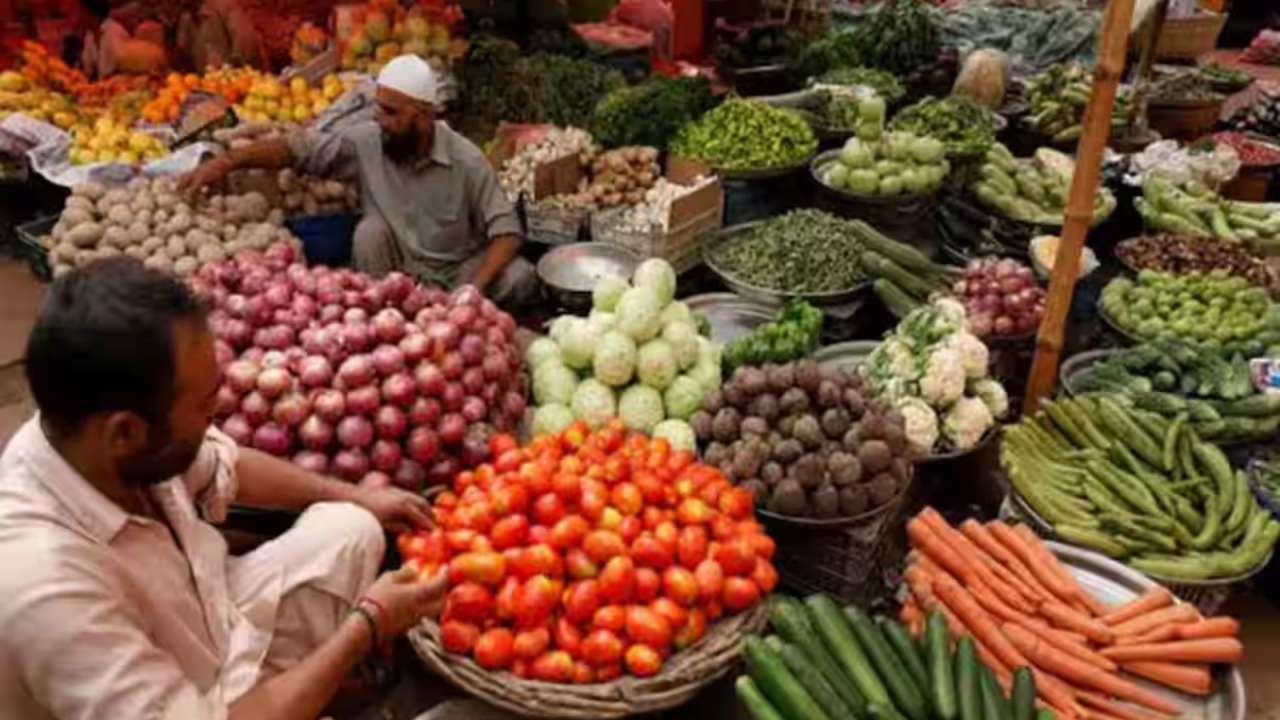
- Vegetables: A close second, approximately 73% of respondents reported being impacted by the higher prices of vegetables. Fresh produce, essential for a balanced diet, has seen significant price fluctuations, often driven by seasonal factors, supply chain disruptions, and fuel costs.
- Cereals: Around 71% of the respondents indicated that the increasing cost of rice, wheat, and other cereals has affected them. These staple grains form the basis of meals for the majority of Indian households, making their rising prices a direct hit on food security.
Coping Mechanisms and Sacrifice
Faced with the unavoidable reality of higher essential commodity prices and no commensurate increase in income, Indian households are being forced to make difficult and often painful adjustments. The survey highlighted two primary coping strategies:
- Cutting Discretionary Spending: A significant 74% of household consumers surveyed reported cutting down on discretionary spending. This includes activities traditionally associated with a better quality of life: eating out, shopping for non-essentials, and entertainment. This shift implies a reduction in leisure activities and consumer-driven sectors of the economy. For many, it means foregoing small luxuries that once provided comfort or respite.
- Buying Smaller Quantities: About 50% of respondents admitted to buying smaller quantities of essential items. This is a stark indicator of financial stress, as it suggests households are not just reallocating funds but actively reducing consumption of even basic necessities, potentially impacting nutrition and well-being.
The collective impact of these measures extends beyond immediate financial adjustments. It affects savings, which are crucial for future security and investment. It curtails aspirations, as families postpone plans for education, healthcare, or asset creation. Ultimately, it signifies a reduction in the overall quality of life for a substantial portion of the population.

Public Demands for Intervention
The survey also captured the public’s expectations from the government, reflecting a widespread desire for intervention:
- Action Against Hoarding: A striking 80% of household consumers surveyed want government action against hoarding and artificial price inflation. This indicates a public perception that some of the price hikes are not solely due to market forces but also due to speculative practices and artificial scarcity.
- Stronger Price Monitoring: Furthermore, 72% expressed a desire for stronger monitoring of wholesale and retail prices. This demand highlights a lack of trust in market mechanisms to self-regulate and a belief that government oversight is necessary to ensure fair pricing.
Economic Indicators in Detail
To fully appreciate the consumer experience, it’s vital to understand the underlying economic indicators:

- WPI vs. CPI: Understanding the Discrepancy: The Wholesale Price Index (WPI) measures prices at the producer or wholesale level, primarily reflecting input costs for businesses. The Consumer Price Index (CPI) measures prices at the retail level, reflecting what consumers actually pay. While WPI (12.3%) and CPI (6.09%) for October 2026 showed different magnitudes, the high WPI indicates that producers are facing significant cost pressures, which inevitably get passed on to consumers, contributing to the CPI rise. The wide gap between WPI and CPI for a period suggests that the full impact of producer-level inflation might still be trickling down to consumers, hinting at potential future CPI increases.
- Fueling the Fire: Energy Costs: The 70% inflation in crude petroleum and natural gas is a critical factor. India is a net importer of crude oil, making its economy highly vulnerable to global oil price fluctuations. Higher crude prices mean increased costs for transportation (trucking, rail, air cargo), which directly impacts the delivery costs of goods, from farm to fork. It also affects the cost of manufacturing, as many industries rely on energy as a primary input. The ripple effect of such a significant energy price hike is felt across all sectors, from food processing to textile manufacturing.
- RBI’s Mandate and the Breach: The Reserve Bank of India (RBI) is mandated to maintain retail inflation within the 2-6% target band. The breach to 6.09% in October 2026 signifies a departure from this critical objective. Sustained high inflation beyond this threshold can lead to economic instability, erode savings, and hinder investment. It also puts pressure on the RBI to potentially raise interest rates, which could slow down economic growth.
- Food Inflation’s Disproportionate Burden: With food inflation climbing to 8.94% in October 2026, it disproportionately affects lower-income households, who spend a larger percentage of their income on food. When food prices soar, these households are forced to cut back on other essential expenditures like healthcare and education, or even reduce food consumption, impacting their nutritional well-being. This creates a significant challenge for poverty alleviation and income equality efforts.
Official Responses and Policy Challenges: Navigating the Inflationary Storm
The escalating inflation and its profound impact on household budgets place significant pressure on both the Reserve Bank of India (RBI) and the government. Their responses, or lack thereof, will determine the trajectory of the economy and the welfare of millions of citizens.
The Reserve Bank of India’s Tightrope Walk
The RBI’s primary mandate is price stability, specifically targeting retail inflation within the 2-6% range. With inflation breaching this upper limit, the central bank faces a difficult balancing act.

- Monetary Policy Tools: The RBI’s main tools are interest rates (repo rate) and liquidity management. Raising interest rates is a conventional response to curb inflation by making borrowing more expensive, thereby reducing demand in the economy. However, in a scenario where inflation is partly driven by supply-side shocks (like global crude oil prices or agricultural produce shortages), monetary policy can be less effective and might inadvertently stifle economic growth.
- Balancing Act: The challenge for the RBI is to control inflation without derailing economic recovery or growth. Aggressive rate hikes could deter investment, slow down credit growth, and impact employment. Conversely, inaction risks embedding inflationary expectations into the economy, making it harder to control later.
- The Dilemma of Supply-Driven Inflation: A significant portion of India’s current inflation is attributed to supply-side factors (e.g., global crude oil prices, agricultural production issues, supply chain bottlenecks). Monetary policy is more effective against demand-pull inflation. For supply-driven inflation, fiscal and administrative measures from the government are often more appropriate. This creates a dilemma for the RBI, as its tools might not be perfectly suited to the root causes of the current problem.
Government’s Role: Supply-Side Management and Consumer Protection
The government’s role becomes crucial in addressing inflation, particularly when supply-side factors are at play and public demands for intervention are high.
- Addressing Hoarding and Black Marketing: In response to the 80% of surveyed consumers demanding action against hoarding and artificial price inflation, the government is expected to intensify vigilance and enforcement. Measures include invoking essential commodities acts, conducting raids on suspected hoarders, and ensuring smooth supply chains to prevent artificial scarcity.
- Monitoring and Intervention in Essential Commodity Markets: The demand from 72% of respondents for stronger monitoring of wholesale and retail prices highlights the need for direct market interventions. This could involve setting buffer stocks for essential food items, deploying price stabilization funds, and even imposing price caps on certain commodities if necessary, though such measures can have unintended consequences.
- Fiscal Measures to Ease Burden: The government has several fiscal levers. Adjusting excise duties on fuel can directly impact petrol and diesel prices, thereby easing transportation costs and overall inflation. Subsidies on essential items, though fiscally challenging, could provide relief to vulnerable populations. Investments in improving agricultural productivity, storage, and cold chain infrastructure are long-term solutions to mitigate food inflation.
- Challenges in Managing Global Commodity Price Shocks: India’s heavy reliance on imports for crude oil, and to some extent for pulses and edible oils, means that global price volatility directly impacts domestic inflation. The government faces the challenge of insulating the domestic economy from these external shocks, often through a combination of diplomatic efforts, strategic reserves, and fiscal adjustments.
International Context: IMF’s Global Warning
The International Monetary Fund’s (IMF) prediction of "stubborn" inflation across the world, as articulated by Managing Director Kristalina Georgieva, provides a broader context for India’s situation. Georgieva expressed apprehensions that the world faces risks from persistent inflation, higher debt service costs, and challenges related to artificial intelligence (AI) investment. While AI investment is a distinct concern, the warnings about "stubborn inflation" and "higher debt service costs" resonate strongly with India’s current economic climate.

India’s inflation is not an isolated phenomenon but part of a global trend driven by post-pandemic supply chain disruptions, geopolitical tensions, and robust demand recovery in many economies. This global backdrop means that even with robust domestic policies, India will continue to face external inflationary pressures, making the task of price stability even more arduous for its policymakers.
Implications: A Shifting Socio-Economic Landscape
The current inflationary environment and the resulting shifts in consumer behavior have profound implications across various facets of Indian society and economy.

For the Average Indian Household
- Erosion of Real Income and Purchasing Power: The most immediate and significant implication is the erosion of real income. Even if nominal incomes remain stable or see minor increases, the 20% surge in essential commodity costs means that the purchasing power of every rupee has diminished substantially. This effectively makes households poorer, irrespective of their stated income.
- Impact on Aspirations: With less money available for discretionary spending and savings, aspirations for a better future are put on hold. This includes investments in children’s education, accessing quality healthcare, or making significant purchases like vehicles or homes. The dream of upward mobility becomes harder to achieve when basic sustenance consumes a larger share of the budget.
- Increased Financial Stress and Psychological Burden: The constant struggle to make ends meet, the need to meticulously plan every expense, and the inability to save create immense financial stress. This stress can have significant psychological and social consequences, affecting mental health and family dynamics.
- Potential for Widening Inequality: Lower-income households are disproportionately affected by food and fuel inflation. While affluent households can absorb a 20% increase in essential spending, it represents a severe hardship for those living paycheck to paycheck. This exacerbates existing income inequalities and can push more families below the poverty line.
For the Indian Economy
- Slowdown in Consumption-Led Growth: India’s economy is heavily reliant on domestic consumption. When 74% of consumers cut down on discretionary spending, sectors like retail, hospitality, entertainment, and consumer durables suffer. This reduction in demand can slow down overall economic growth, creating a vicious cycle where businesses face reduced sales and investment.
- Challenges for Various Sectors: Businesses across the spectrum will feel the pinch. Manufacturers face higher input costs (energy, raw materials) and potentially reduced demand for their products. Retailers and hospitality providers will see lower footfall and reduced sales. Small and medium enterprises (SMEs), which are often less resilient to economic shocks, are particularly vulnerable.
- Pressure on Wage Negotiations and Potential for a Wage-Price Spiral: As the cost of living rises, there will be increasing pressure for wage hikes. If wages increase to compensate for inflation, businesses might pass on these higher labor costs to consumers through further price increases, leading to a wage-price spiral—a difficult phenomenon to break.
- Long-term Impact on Savings and Investment: Reduced household savings, a direct consequence of increased essential spending, can impact the availability of domestic capital for investment. Lower investment can hinder long-term economic growth and job creation.
The Road Ahead: Navigating Uncertainty
The path forward for India’s economy and its households remains fraught with uncertainty.
- Dependence on Global Commodity Prices: India’s vulnerability to global crude oil prices, geopolitical events impacting supply chains, and international food commodity markets means that external factors will continue to play a significant role in domestic inflation.
- Effectiveness of Domestic Policy Interventions: The success of government and RBI policies in taming inflation without stifling growth will be critical. This requires a coordinated approach, combining monetary prudence with targeted fiscal and administrative measures.
- Importance of Agricultural Output and Supply Chain Efficiency: Given the high food inflation, ensuring robust agricultural output, efficient post-harvest management, and resilient supply chains are paramount. Investments in these areas can help stabilize food prices over the long term.
- The Need for Adaptive Strategies: Both consumers and policymakers will need to adopt adaptive strategies. Households must continue to manage budgets creatively, while the government and RBI must remain agile in their policy responses, ready to adjust to evolving economic realities.
The LocalCircles survey serves as a critical bellwether, signaling a deep-seated economic challenge that demands immediate and comprehensive attention. As Indian households tighten their belts and sacrifice discretionary comforts, the onus is on policymakers to navigate this inflationary storm with foresight and decisive action, ensuring that the economic burdens do not disproportionately crush the aspirations of its citizens.