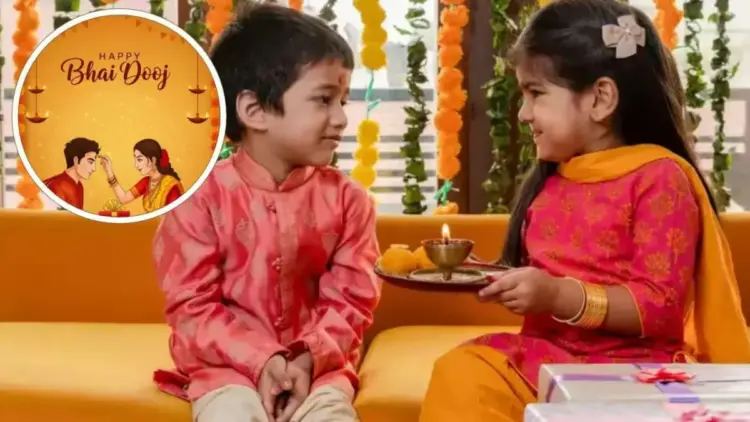
New Delhi, India – As the vibrant festivities of Diwali conclude, the nation gears up to celebrate another cherished occasion that underscores the profound bond between siblings: Bhai Dooj. In 2026, this auspicious festival will be observed on Wednesday, November 11th. While the date is now firmly established, the precise timing for the sacred ’tilak’ ceremony has been meticulously calculated, offering a window of opportunity for sisters to bestow blessings upon their brothers. The most auspicious ’tilak muhurat’ is scheduled to span from 1:10 PM to 3:20 PM on November 11th, providing a significant two-hour and ten-minute period for these heartfelt rituals.
The precise calculation of these dates and timings is rooted in the Hindu lunisolar calendar, specifically the Dwitiya Tithi (second day) of the Shukla Paksha (waxing moon phase) in the month of Kartik. This year, the Dwitiya Tithi commences on November 10th, 2026, at 2:00 PM, and extends until November 11th, 2026, at 3:53 PM. Given that the Tithi is visible during the daytime on November 11th, the festival will be celebrated on this latter date, ensuring the continuity of tradition and the spiritual efficacy of the observances. The Aparahna era, the period of the afternoon, is considered the most propitious time for performing the tilak ceremony, further emphasizing the significance of the calculated muhurat.
The Enduring Significance of Bhai Dooj: A Tapestry of Mythology and Love
Bhai Dooj, also known by various regional names such as Bhau Beej, Bhai Phonta, and Bhai Tika, is a festival dedicated to celebrating and reinforcing the unique and unbreakable bond between brothers and sisters. It is a day where sisters offer prayers for their brothers’ long life, good health, and prosperity, while brothers, in turn, pledge their unwavering support and protection.
The origins of Bhai Dooj are steeped in ancient Indian mythology, with the most popular narrative revolving around Lord Yama, the God of Death, and his sister, Yamuna. According to legend, on this particular day, Yamuna had invited her brother Yama to her home. She performed a ceremonial tilak on his forehead, offered him a delicious meal, and expressed her deep affection. Immensely pleased by his sister’s love and devotion, Yama bestowed a boon upon her. He declared that any brother who receives a tilak from his sister on this day would be blessed with a long and prosperous life, free from the clutches of untimely death. This myth beautifully encapsulates the essence of the festival – the power of a sister’s love and the divine protection it can invoke.
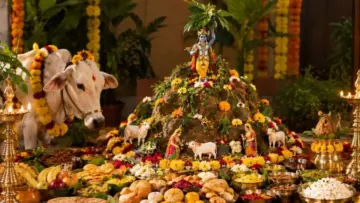
Another popular legend associated with Bhai Dooj connects it to Lord Krishna. It is said that after defeating the demon Narakasura, Lord Krishna visited his sister Subhadra. Subhadra, in celebration of her brother’s victory and safe return, applied tilak to his forehead and offered him sweets. This act is also considered a precursor to the Bhai Dooj tradition, highlighting the joy and relief a sister feels upon her brother’s well-being and success.
These mythological narratives imbue Bhai Dooj with profound spiritual significance, transforming it from a mere social custom into a sacred ritual that honors the divine protection and blessings associated with the sibling relationship. The tilak, a mark applied on the forehead, symbolizes purity, auspiciousness, and the sister’s heartfelt wishes for her brother’s well-being. The accompanying aarti, a ritualistic waving of lamps, further amplifies the blessings and wards off any negative energies.

Chronology of Celebration: A Post-Diwali Reverence
Bhai Dooj consistently falls on the second day after Diwali, the festival of lights. This timing is not coincidental but rather serves to extend the spirit of joy and familial togetherness that characterizes the Diwali period. While Diwali signifies the triumph of light over darkness and good over evil, Bhai Dooj focuses specifically on the cherished relationship between brothers and sisters, offering a dedicated moment to express gratitude and strengthen these ties.
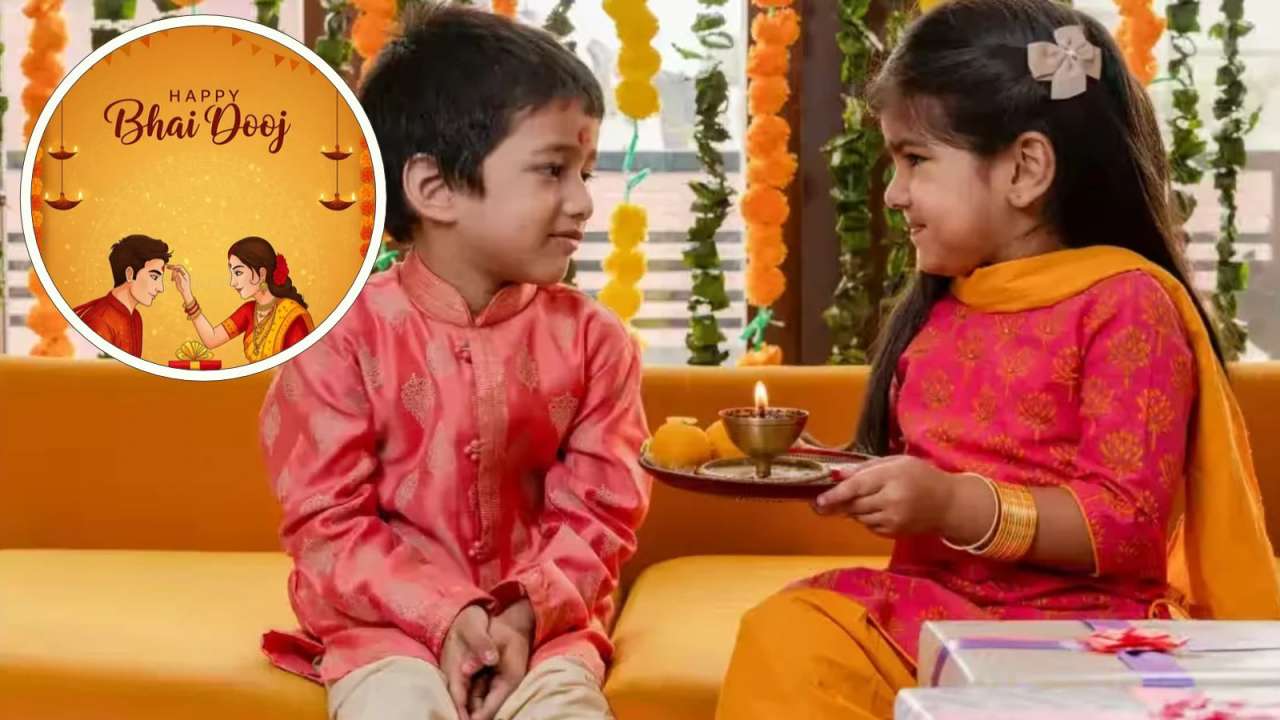
The sequence of celebrations often begins with the sisters preparing special sweets and dishes for their brothers. On the day of Bhai Dooj, the sister, adorned in her finest attire, invites her brother to her home or visits his residence. The ritual typically commences with the sister performing an ‘aarti’ of her brother, a practice symbolizing the dispelling of darkness and the illumination of his life with good fortune. Following the aarti, she applies the sacred ’tilak’ on his forehead, reciting prayers for his longevity and happiness.

The brother, in turn, offers his sister gifts and sweets, acknowledging her love and the blessings she bestows upon him. This exchange of gifts is a tangible representation of their mutual affection and appreciation. The day is often spent in joyous revelry, sharing meals, and reminiscing about cherished childhood memories.
The regional variations in the celebration of Bhai Dooj add a rich cultural texture to the festival. In Maharashtra, it is known as Bhau Beej, where sisters pray to the Yamaraj for their brothers’ long life. In Bengal, it is called Bhai Phonta, and the ceremony involves the application of a mark made of sandalwood, ghee, and alta on the brother’s forehead. In Nepal, it is celebrated as Bhai Tika, with similar rituals of tilak and prayers. Regardless of the regional nomenclature or minor variations in rituals, the core sentiment remains the same: a profound celebration of the brother-sister bond.

Supporting Data and Astronomical Insights: The Science Behind the Sacred
The precise determination of festival dates in Hinduism is a complex undertaking, relying on the meticulous calculations of the Panchang (Hindu almanac). The Panchang takes into account the movements of celestial bodies – the Sun and the Moon – to define lunar days (tithis), lunar months, and auspicious timings (muhurats).
In the case of Bhai Dooj 2026, the key factor is the Dwitiya Tithi of the Shukla Paksha in the month of Kartik. The Tithi is defined by the angular separation between the Sun and the Moon. When the Moon is waxing (Shukla Paksha), the Dwitiya Tithi begins when the Moon is approximately 24 degrees ahead of the Sun and ends when it is about 36 degrees ahead.

For 2026, the astronomical data indicates:
- Dwitiya Tithi Start: November 10, 2026, at 2:00 PM IST (Indian Standard Time).
- Dwitiya Tithi End: November 11, 2026, at 3:53 PM IST.
The principle guiding the selection of the festival date is Udaya Vyapini Tithi – meaning the Tithi that is present during the sunrise on a particular day. Since the Dwitiya Tithi extends beyond sunrise on November 11th and is thus "Udaya Vyapini," the festival is celebrated on this day. This ensures that the auspicious rituals are performed within the designated lunar day, as prescribed by tradition.

The ’tilak muhurat’ is further refined by considering the most auspicious time of day for performing the ritual. The Aparahna kala, which generally falls between midday and late afternoon, is considered ideal. For New Delhi in 2026, this window has been calculated as:
- Tilak Muhurat: November 11, 2026, from 1:10 PM to 3:20 PM IST.
This specific timing is likely determined by further astrological considerations, such as the position of the planets and the prevailing cosmic energies, to maximize the spiritual efficacy of the ’tilak’ and prayers. The duration of the muhurat, two hours and ten minutes, provides ample opportunity for sisters to perform the rituals without undue haste, allowing for a more focused and devotional experience.

The scientific precision behind these calculations underscores the deep understanding of astronomy and astrology that has been cultivated in Indian traditions for millennia. It is a testament to the intricate relationship between celestial movements and human life, as perceived and integrated into cultural practices.
Official Responses and Societal Impact: A Festival of Unity
While there are no "official" governmental pronouncements on the date of Bhai Dooj, the consensus among religious scholars, astrologers, and the general populace, guided by the Panchang, forms the basis of its observance. News organizations and religious bodies play a crucial role in disseminating this information, ensuring that families can plan their celebrations accordingly.

The significance of Bhai Dooj extends beyond individual families; it acts as a powerful force for social cohesion. In a society where familial bonds are highly valued, festivals like Bhai Dooj provide dedicated opportunities to nurture and strengthen these relationships. The act of coming together, irrespective of geographical distances, reinforces the sense of community and belonging.
In an increasingly globalized world, where families may be spread across different cities or even countries, the virtual aspect of celebrations has also gained prominence. While the traditional physical presence is cherished, sisters and brothers who cannot be together often resort to video calls and virtual rituals to maintain the spirit of Bhai Dooj. This adaptability highlights the enduring importance of the festival and the human desire to connect with loved ones.

Furthermore, Bhai Dooj serves as a reminder of the complementary roles that brothers and sisters play in each other’s lives. It is a day to acknowledge the unique support systems they offer, the shared memories they create, and the lifelong companionship they provide. This mutual respect and affection contribute to a healthier and more harmonious society.
Implications and Future Outlook: Preserving Tradition in a Modern World
The celebration of Bhai Dooj in 2026, like in previous years, will undoubtedly be a vibrant display of familial love and traditional practices. As society evolves, there are ongoing discussions about how to best preserve the essence of such festivals while adapting to modern lifestyles.

One of the key implications of these traditional celebrations is their role in cultural transmission. By observing Bhai Dooj, younger generations are introduced to the rich tapestry of Indian mythology, values, and customs. This ensures that these cultural legacies are passed down through time, preventing them from fading into obscurity.
However, the challenges of urbanisation, busy schedules, and changing family structures do present certain considerations. The emphasis on the ’tilak muhurat’ encourages a mindful and dedicated approach to the rituals, even amidst a fast-paced life. The continued observance of these precise timings reflects a deep respect for tradition and the belief in the efficacy of auspicious moments.

The future of Bhai Dooj celebrations will likely involve a blend of traditional practices and modern adaptations. While the core rituals of tilak, aarti, and gift-giving will remain central, the ways in which families connect and celebrate might continue to evolve. The digital age offers new avenues for maintaining these bonds, ensuring that the spirit of Bhai Dooj transcends geographical limitations.
Ultimately, Bhai Dooj 2026 stands as a testament to the enduring power of sibling love. The meticulous calculation of dates and timings, rooted in ancient astronomical knowledge, underscores the spiritual significance of the festival. As families come together on November 11th to celebrate this cherished occasion, they not only honor a mythological narrative but also reaffirm the invaluable and timeless bond that enriches their lives. The festival serves as a beautiful reminder that amidst the complexities of modern life, the simple yet profound connections of family remain the most treasured.