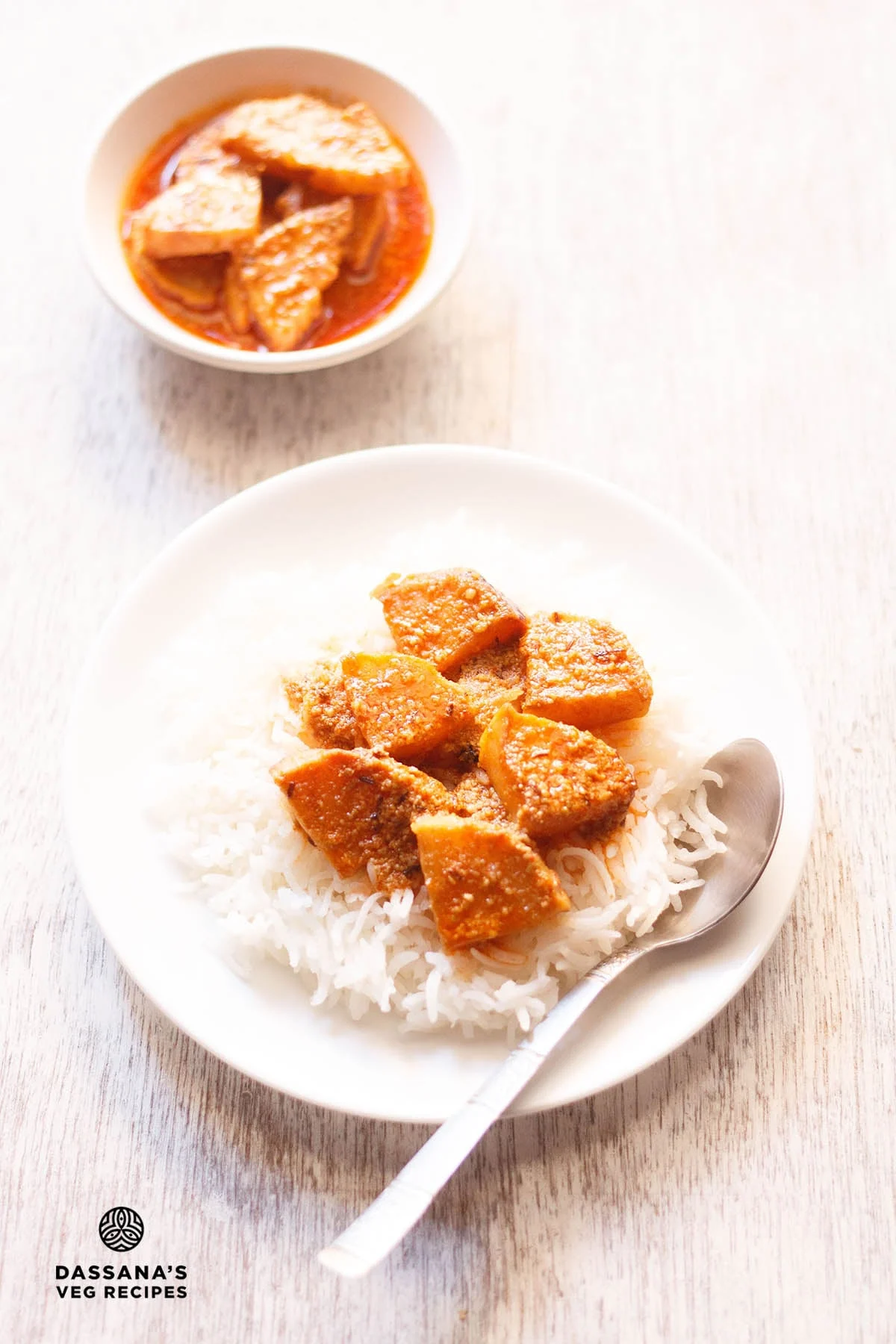
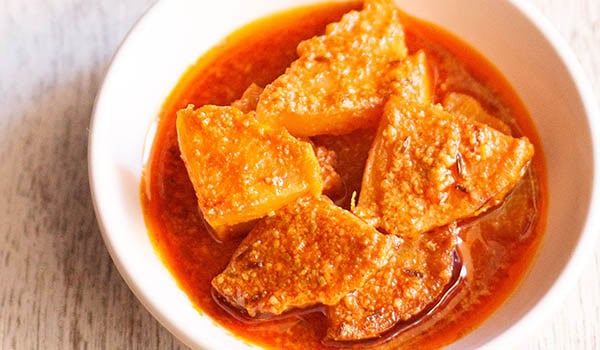
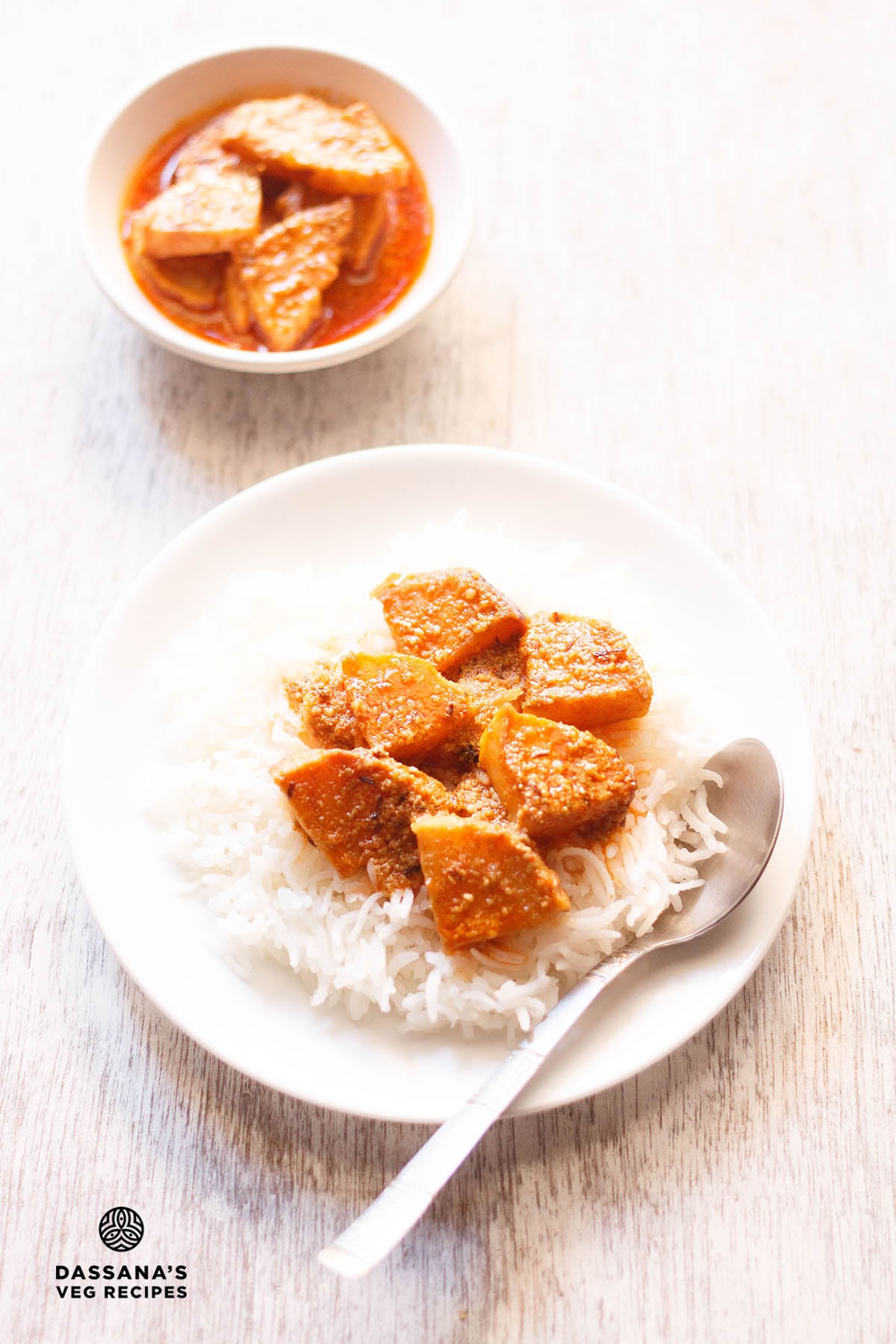
SRINAGAR — In the diverse tapestry of Indian gastronomy, the regional cuisines of the Kashmir Valley have long been celebrated for their aromatic depth and sophisticated use of spices. While the world is well-acquainted with the robust flavors of Rogan Josh or the creamy texture of Yakhni, a humbler yet equally significant dish is seeing a resurgence in both domestic kitchens and high-end culinary circles: Dum Monji.
Known colloquially as Knol Khol or Kohlrabi curry, this dish represents the pinnacle of Kashmiri Pandit culinary philosophy. Characterized by its exclusion of onion, garlic, and tomatoes, the recipe relies on a delicate balance of yogurt and specific ground spices to achieve a flavor profile that is simultaneously tangy, spicy, and cooling. As global food trends shift toward plant-based diets and the preservation of heritage recipes, the Knol Khol curry stands as a testament to the ingenuity of traditional Indian cooking.
Main Facts: The Anatomy of a Heritage Dish
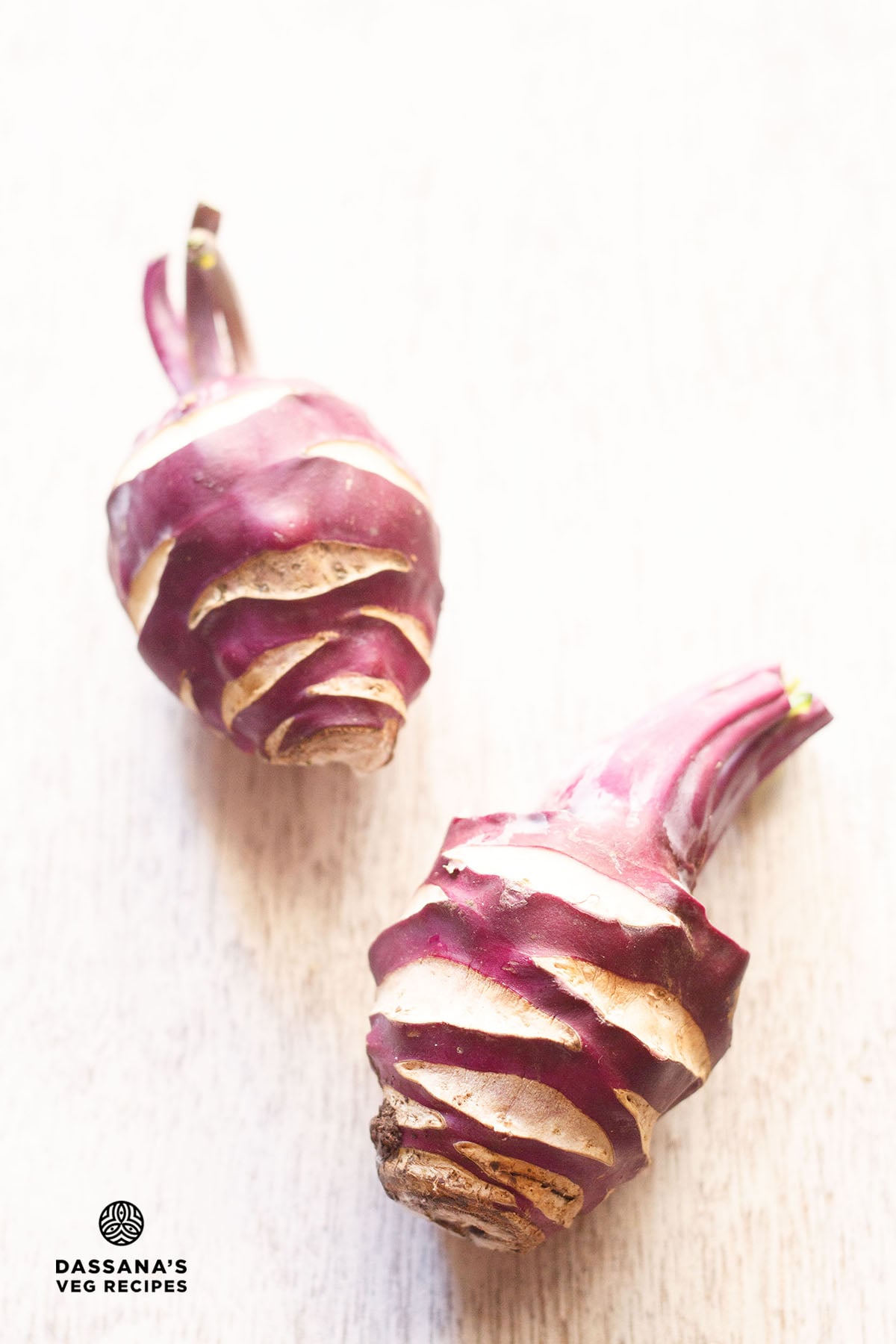
At its core, the Kashmiri-style Knol Khol recipe is a study in minimalism and technique. The primary ingredient, the kohlrabi bulb (Ganth Gobi), is a member of the cruciferous vegetable family, often overlooked in Western supermarkets but a staple in the Himalayan foothills.
The Flavor Architecture
The dish’s distinctiveness arises from three "pillar" spices:
Fennel Powder (Saunf): Provides a sweet, anise-like undertone and aids digestion.
Dry Ginger Powder (Saunth): Offers a sharp, warming heat that differs from the pungency of fresh ginger.
Asafoetida (Hing): Acts as the crucial savory bridge in the absence of onion and garlic.
Unlike the heavy, oil-laden gravies of the plains, Dum Monji utilizes a yogurt-based foundation. This choice is not merely for taste; it reflects the Sattvic dietary principles often followed by the Kashmiri Pandit community, which prioritize ingredients that promote mental clarity and physical lightness.
The Role of Mustard Oil
In authentic Kashmiri preparations, the choice of fat is non-negotiable. Mustard oil is utilized for its high smoke point and its characteristic pungent "bite." When heated to its smoking point, the oil undergoes a chemical transformation that mellows its bitterness, providing a rich, golden hue and a depth of flavor that neutralizes the sulfurous notes inherent in the kohlrabi.
Chronology: The Culinary Procedure of Dum Monji
The preparation of Knol Khol curry is a systematic process that prioritizes texture preservation and the prevention of ingredient degradation, particularly concerning the delicate yogurt base.
Phase I: Preparation and Pre-treatment
The process begins with the selection of the kohlrabi. Whether light green or purple-skinned, the vegetable must be firm. The outer fibrous skin is removed—a critical step, as the skin can become woody and unpleasant after cooking. The bulbs are then cut into uniform medium cubes to ensure even heat distribution.
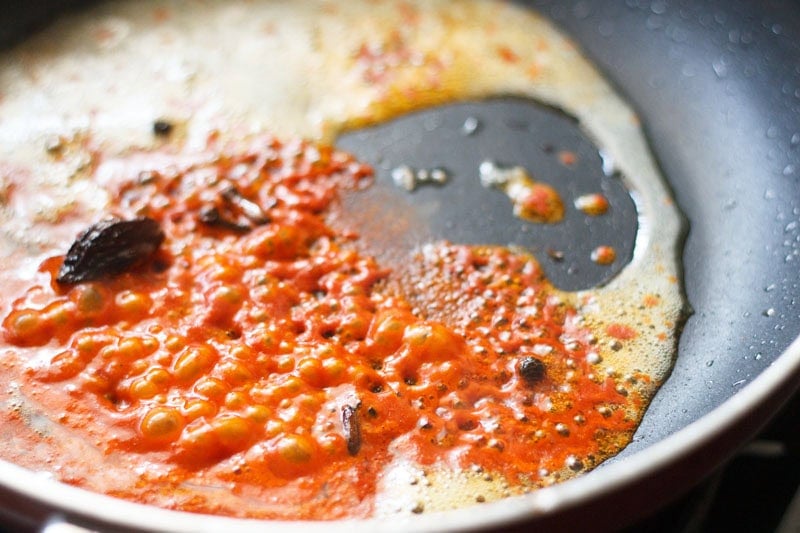
Simultaneously, a "chili slurry" is prepared. One to two teaspoons of Kashmiri red chili powder are dissolved in a tablespoon of water along with asafoetida. This technique is a hallmark of Kashmiri cooking; adding dry chili powder directly to hot oil often results in burning and bitterness. The water acts as a thermal buffer, allowing the chili to bloom and release its pigments without scorching.
Phase II: The Maillard Reaction and Frying
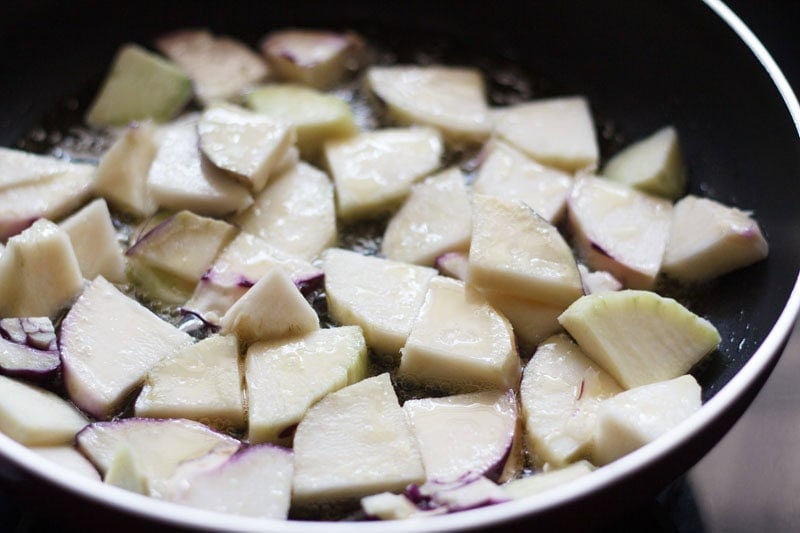
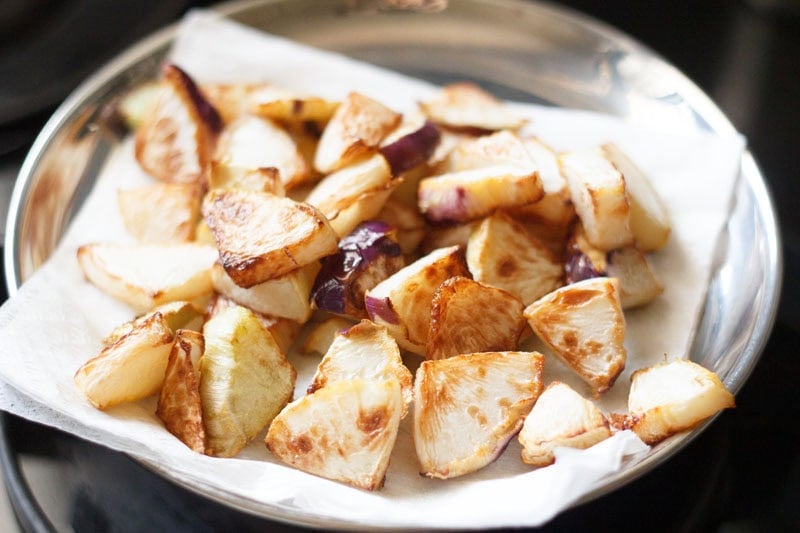
The kohlrabi pieces are pan-fried in mustard oil until golden. This step is essential for two reasons: it initiates the Maillard reaction, enhancing the natural sweetness of the vegetable, and it creates a structural "crust" that prevents the pieces from disintegrating during the subsequent simmering phase. Once fried, the vegetables are set aside to drain.
Phase III: Tempering and Emulsification
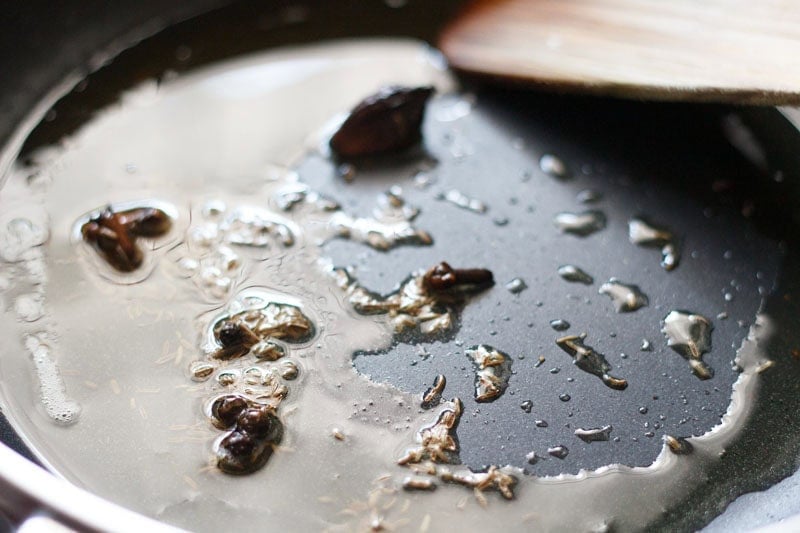
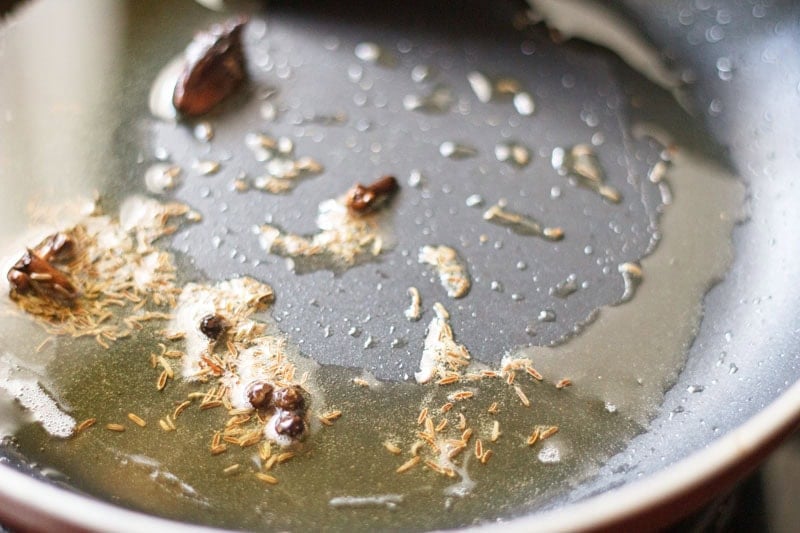
The leftover oil is tempered with whole spices—typically cloves, cinnamon, and black cardamom. Once these aromatics splutter, the chili slurry is introduced.
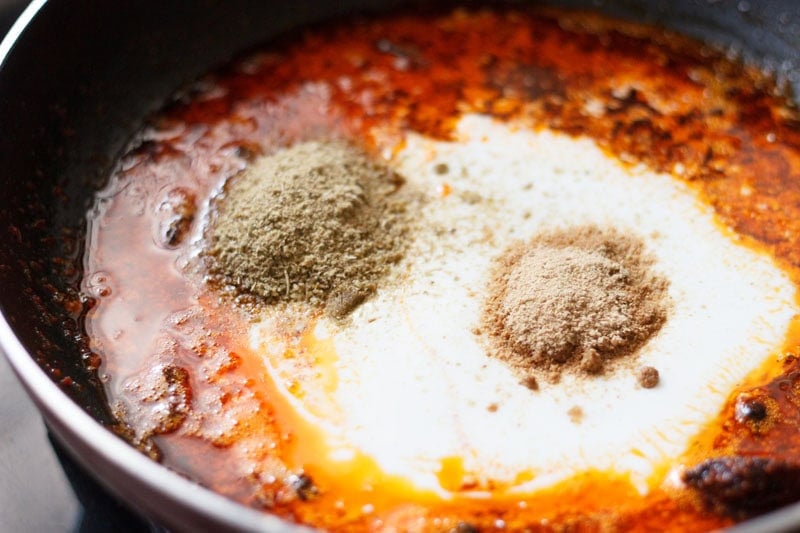
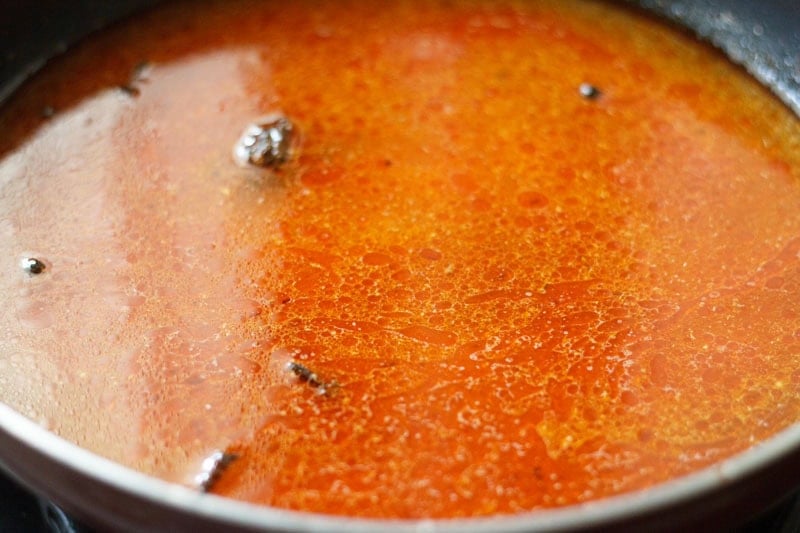
The most technical aspect follows: the heat is extinguished before adding whisked yogurt, fennel powder, and dry ginger powder. This temperature control is vital to prevent the yogurt from curdling (splitting), a common pitfall in dairy-based gravies. Once the mixture is homogenous, water is added, and the heat is restored to a gentle simmer.
Phase IV: The Slow Simmer (The "Dum" Process)
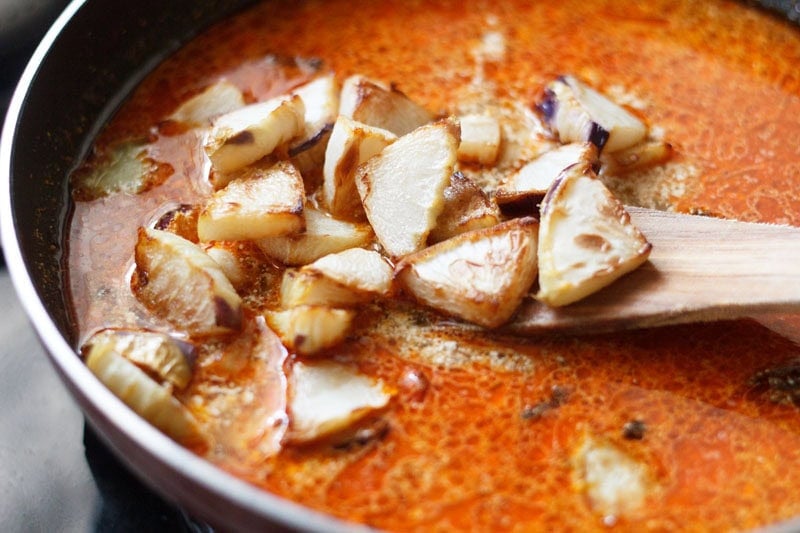
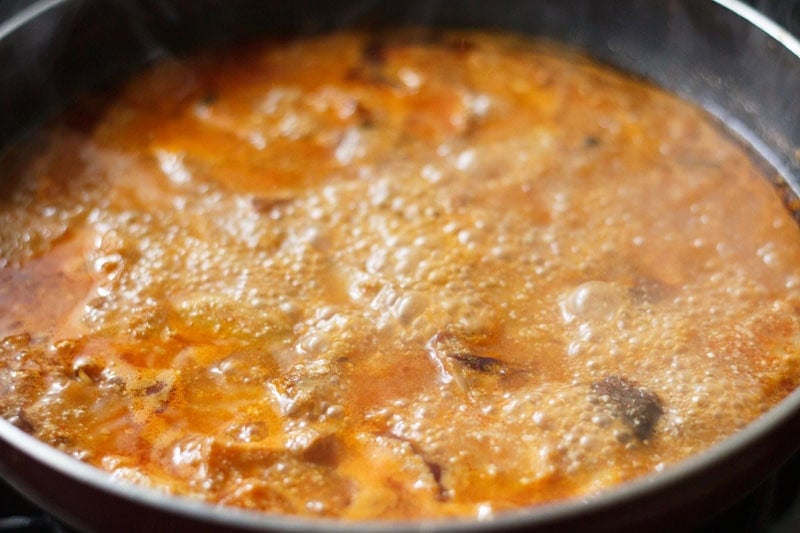
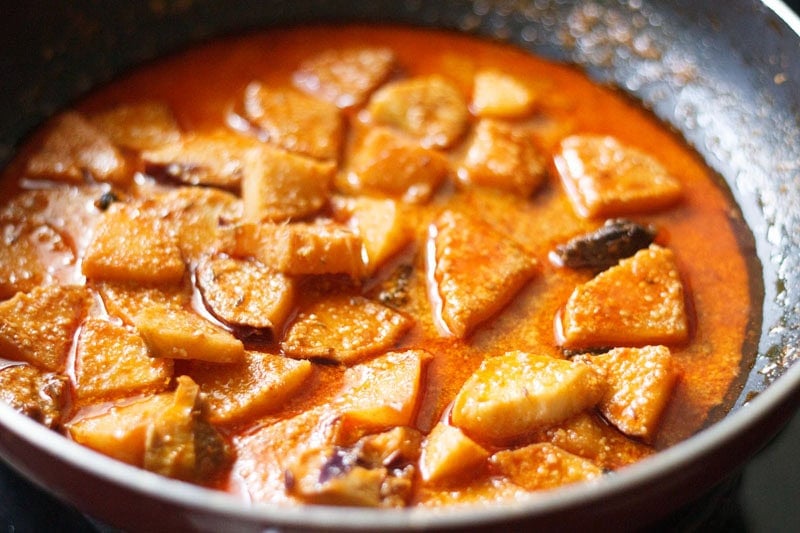
The fried kohlrabi is reintroduced to the liquid. The pan is covered, allowing the vegetable to undergo a slow simmer for 15 to 20 minutes. During this time, the "flowing" consistency of the gravy begins to thicken, and the kohlrabi absorbs the spicy-tangy essence of the yogurt. The dish is considered complete when a thin layer of spiced oil separates and floats on the surface, indicating that the flavors have fully married.
Supporting Data: Nutritional and Botanical Profile
Beyond its cultural value, the Knol Khol curry is a nutritional powerhouse, making it a subject of interest for dietitians and health-conscious consumers.
Botanical Properties
Kohlrabi (Brassica oleracea) is a variety of cabbage that has been bred for its swollen, succulent stem. Its flavor is frequently described as a hybrid between a broccoli stem and a turnip, though it is milder and sweeter.
Nutritional Breakdown (Per Serving)
Based on standardized recipe data for a two-serving preparation, the dish offers a balanced macronutrient profile:
Calories: 268 kcal
Total Fat: 23g (primarily heart-healthy monounsaturated fats from mustard oil)
Carbohydrates: 15g
Fiber: 8g (32% of the Daily Value)
Protein: 5g
Vitamin C: 94mg (over 100% of the recommended daily intake)
Potassium: 680mg
The high Vitamin C content is particularly notable, as it supports immune function and collagen synthesis. Furthermore, the inclusion of fennel and ginger powders provides significant carminative benefits, reducing bloating and improving gut health.
Official Responses: Culinary Experts Weigh In
The rise of regional dishes like Dum Monji has drawn the attention of food historians and professional chefs.
Chef Ananya Sharma, a specialist in Himalayan cuisines, notes:
"What makes the Kashmiri Pandit style of cooking Knol Khol so fascinating is the ‘No-Allium’ constraint. In most Indian cooking, onions and garlic are the crutches used to build flavor. Here, the chef must rely on the quality of the spices and the precision of the yogurt emulsification. It is a high-wire act of culinary balance."
Dr. Rajesh Kumar, a nutritionist and researcher in traditional diets, adds:
"We are seeing a ‘return to the roots’ in urban India. Vegetables like kohlrabi were relegated to rural kitchens for decades. However, its low glycemic index and high fiber content make it an ideal vegetable for managing modern lifestyle diseases like diabetes. When prepared with probiotics like yogurt and anti-inflammatory spices like ginger, it becomes more than just a meal; it’s functional medicine."
Implications: The Future of Heritage Cooking
The documentation and popularization of the Knol Khol recipe have broader implications for the global food industry and cultural preservation.
1. Sustainability and Food Security
Kohlrabi is a hardy vegetable that grows well in cooler climates and requires less water than many leafy greens. As the world grapples with climate change, diversifying the human diet to include resilient root and stem vegetables like Knol Khol is a step toward more sustainable food systems.
2. The De-centralization of Indian Cuisine
For too long, "Indian Food" in the global imagination was limited to North Indian Punjabi staples. The emergence of Kashmiri Pandit recipes in mainstream media signals a shift toward a more nuanced, localized understanding of the subcontinent’s flavors. It highlights that "spicy" does not always mean "hot," and "rich" does not always mean "heavy."
3. Preservation of the "Pandit" Culinary Identity
For the Kashmiri Pandit diaspora, dishes like Dum Monji are more than sustenance; they are a link to a lost homeland. The specific techniques—the use of mustard oil, the avoidance of onions, the reliance on fennel—serve as a cultural "DNA" that is passed down through generations, ensuring that even in displacement, the heritage remains intact.
4. Adaptation in the Modern Kitchen
While the traditional recipe calls for specific steps to prevent yogurt from splitting, modern interpretations suggest the addition of a small amount of gram flour (besan) to the yogurt as a stabilizer. This adaptation shows the evolution of the dish as it moves from traditional wood-fired hearths to modern induction cooktops, proving that heritage recipes are not static but living, breathing entities.
In conclusion, the Kashmiri Knol Khol curry is far more than a simple vegetable dish. It is a sophisticated intersection of botany, chemistry, and history. Whether served with steamed Basmati rice or a simple roti, it offers a sensory journey into the heart of the Kashmir Valley, reminding us that sometimes, the most profound flavors are found in the most humble ingredients.