

NEW DELHI — In the high-octane world of modern fitness, the air is thick with the scent of synthetic vanilla whey and the clinking of plastic shaker bottles. From the bustling gyms of Mumbai to the high-end wellness retreats of the West, "protein" has become the ultimate secular religion. However, as the global market becomes increasingly saturated with ultra-processed supplements, a quiet counter-revolution is brewing in the heart of India.
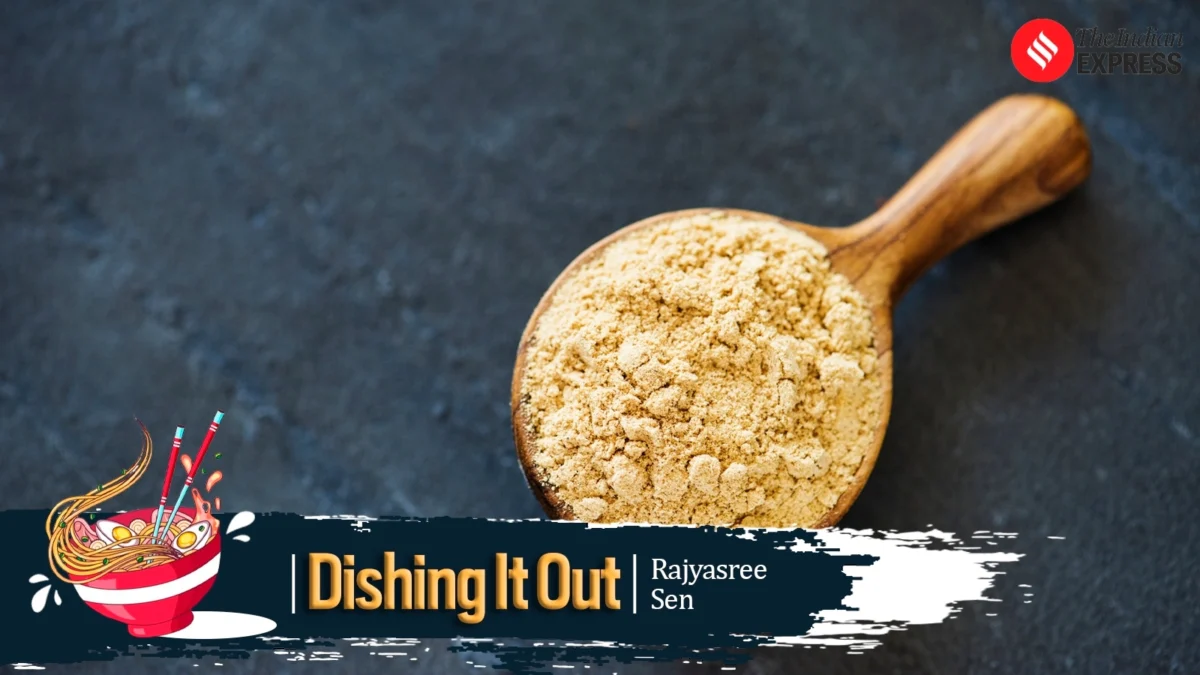
Sattu—a humble, stone-ground powder made from roasted Bengal gram (chickpeas)—is stepping out of the rural kitchens of Bihar and Uttar Pradesh and into the spotlight of mainstream clinical nutrition. Long dismissed as the "poor man’s meat," sattu is now being reclaimed by nutritionists and fitness enthusiasts as a superior, natural alternative to the laboratory-engineered protein powders that dominate the multi-billion dollar wellness industry.
Main Facts: The Nutritional Powerhouse in a Grain of Sand
Sattu is not merely flour; it is a functional food created through an ancient process of dry-roasting Bengal gram in hot sand, which is then stone-ground into a fine powder. This roasting process is crucial—it breaks down complex starches, making the nutrients more bioavailable and giving the flour a distinct, nutty aroma.
The nutritional profile of sattu is, by any standard, formidable. A 100-gram serving typically yields:
- Protein: 20.2 grams
- Carbohydrates: 64-65 grams
- Fiber: 13-15 grams
- Energy: 360-400 kcal
- Micronutrients: Rich in Calcium, Iron, Magnesium, Manganese, and Potassium.
Unlike many modern plant-based protein isolates, sattu is a "whole food." It retains its natural fiber, which is essential for digestive health and metabolic regulation. Furthermore, sattu is naturally gluten-free and possesses a low Glycemic Index (GI), making it an ideal dietary staple for those managing blood sugar levels or seeking sustained energy release without the "crash" associated with refined carbohydrates.
Chronology: From Ancient Sustenance to Urban Superfood
The history of sattu is inextricably linked to the agrarian landscape of the Indo-Gangetic plain. Its evolution can be traced through three distinct eras:
1. The Agrarian Staple (Ancient – 19th Century)
For centuries, sattu was the primary fuel for farmers, laborers, and travelers in Bihar, Jharkhand, and Uttar Pradesh. Its popularity was driven by necessity: it required no cooking (having already been roasted), it had a long shelf life, and it provided a slow-release form of energy that allowed workers to endure grueling hours under the tropical sun. It was often carried in cloth pouches, mixed with water and a pinch of salt or jaggery whenever hunger struck.
2. The Migration and the "Street Food" Era (20th Century)
As laborers migrated from rural heartlands to urban centers like Kolkata and Delhi, they brought sattu with them. It became a ubiquitous sight on the streets—vendors with large stainless steel urns covered in red cloth, serving Sattu ka Sharbat. For decades, it remained a "class-coded" food, associated with the working class and ignored by the burgeoning middle class who were beginning to favor Western dietary habits.
3. The Wellness Renaissance (2020 – Present)
The COVID-19 pandemic and the subsequent rise in lifestyle diseases sparked a renewed interest in traditional Indian medicine and "clean" eating. As consumers began to question the long-term effects of artificial sweeteners, emulsifiers, and preservatives found in commercial whey and soy isolates, sattu emerged as a transparent, "single-ingredient" alternative. By 2026, sattu has trended globally, fueled by the "Vocal for Local" movement and the endorsement of celebrity nutritionists who advocate for indigenous superfoods.
Supporting Data: A Comparative Analysis of Efficacy
To understand sattu’s rising dominance, one must look at the data comparing it to mainstream supplements. While a standard scoop of whey protein (30g) provides roughly 24g of protein, it often lacks the micronutrient density and fiber found in sattu.
The "Cooling" Effect:
In Ayurveda, sattu is classified as a Sheetal (cooling) food. Scientific studies into the endothermic properties of foods have noted that sattu helps regulate internal body temperature. This is particularly relevant in the context of climate change and rising global temperatures. While synthetic protein shakes can sometimes cause "internal heat" or digestive distress (bloating and gas) due to lactose intolerance or artificial additives, sattu acts as a digestive balm.
Gut Health and Satiety:
Sattu contains significant amounts of insoluble fiber. Data from clinical trials suggests that a high-fiber diet significantly improves the gut microbiome. Sattu’s fiber content helps in the secretion of Cholecystokinin (CCK), a hormone that signals fullness to the brain. This makes it an effective tool for weight management, especially for individuals dealing with "rebound hunger" after using weight-loss medications like GLP-1 agonists (Ozempic/Wegovy).
The Amino Acid Profile:
While chickpeas are not a "complete" protein (they are slightly low in certain sulfur-containing amino acids like methionine), the traditional Indian practice of consuming sattu with milk or as a paratha (cereal-legume combination) creates a complete amino acid profile, rivaling that of animal-based proteins.
Official Responses: What the Experts Say
Nutritionists and medical professionals are increasingly vocal about the transition from "supplement culture" to "whole food culture."
Dr. Ananya Sharma, a New Delhi-based clinical nutritionist, states: "The obsession with protein isolates has blinded us to the benefits of complex matrices. When you eat sattu, you aren’t just getting 20 grams of protein; you are getting a delivery system of minerals and fiber that stabilizes insulin. For my Type 2 diabetic patients, sattu is a game-changer. It prevents the glucose spikes that we often see with flavored, commercial protein shakes."
Furthermore, gastroenterologists have noted a rise in "protein-powder-induced" constipation among urban youth. Dr. Rajesh Iyer, a consultant at a leading private hospital, notes: "Many young gym-goers rely entirely on whey and neglect fiber. We are seeing an uptick in chronic indigestion. Switching even one meal to a sattu-based drink can alleviate these symptoms because of its high prebiotic content."
However, experts also offer a word of caution. Because sattu is high in fiber and certain complex sugars, individuals with severe IBS (Irritable Bowel Syndrome) or those prone to uric acid issues should consult a professional regarding portion sizes.
Implications: The Future of Functional Foods
The resurgence of sattu has broader implications for the economy, sustainability, and the global food hierarchy.
1. Agricultural Sustainability:
Bengal gram is a hardy, drought-resistant crop that requires significantly less water than the dairy farming required for whey production or the intensive monocultures of soy. As the world moves toward sustainable food systems, sattu represents a low-carbon footprint protein source.
2. Economic Empowerment:
The "Sattu Boom" is creating a value-added market for pulse farmers in India’s "Sattu Belt." By transitioning from selling raw chickpeas to processed sattu, local cooperatives are capturing a larger share of the wellness market, reducing the need for expensive imported supplements.
3. The "Posh Makeover" of Traditional Diet:
We are witnessing a cultural shift where traditional foods are being rebranded for the elite. Sattu is no longer just a street drink; it is being infused into "Protein Lattes," "Sattu Energy Bars," and "Gluten-Free Sattu Pasta." While this "posh makeover" increases accessibility, it also raises questions about price inflation and whether the original consumers—the rural poor—will eventually be priced out of their own staple.
4. Challenging the "Bro-Science" Narrative:
The most significant implication is the dismantling of "bro-science"—the culture of unverified fitness advice that prioritizes "processed gains" over holistic health. Sattu encourages a return to intuitive eating, where food is viewed as both fuel and medicine.
Conclusion: Embracing the "Desi" Powerhouse
As we move further into 2026, the message from health experts is clear: the most effective solutions are often the ones that have been under our noses for centuries. Sattu is more than just a trend; it is a testament to the scientific validity of traditional Indian diets.
Whether it is consumed as a savory sharbat on a scorching afternoon in Kolkata, or as a sophisticated almond-milk smoothie in a South Delhi high-rise, sattu offers a blueprint for the future of nutrition—one that is natural, affordable, and deeply rooted in the soil. In the battle between the factory-made supplement and the stone-ground grain, the humble sattu is proving that "modern" isn’t always better.
As the old adage goes, “Taste bhi, health bhi” (Taste and health, both)—it is time to stop being a "protein shake bro" and start being a "sattu powder bro."
Next week, we continue our series on traditional Indian wellness by exploring the science behind India’s favorite cooling sharbats and their role in mitigating heat stress during the intensifying summer months.
