

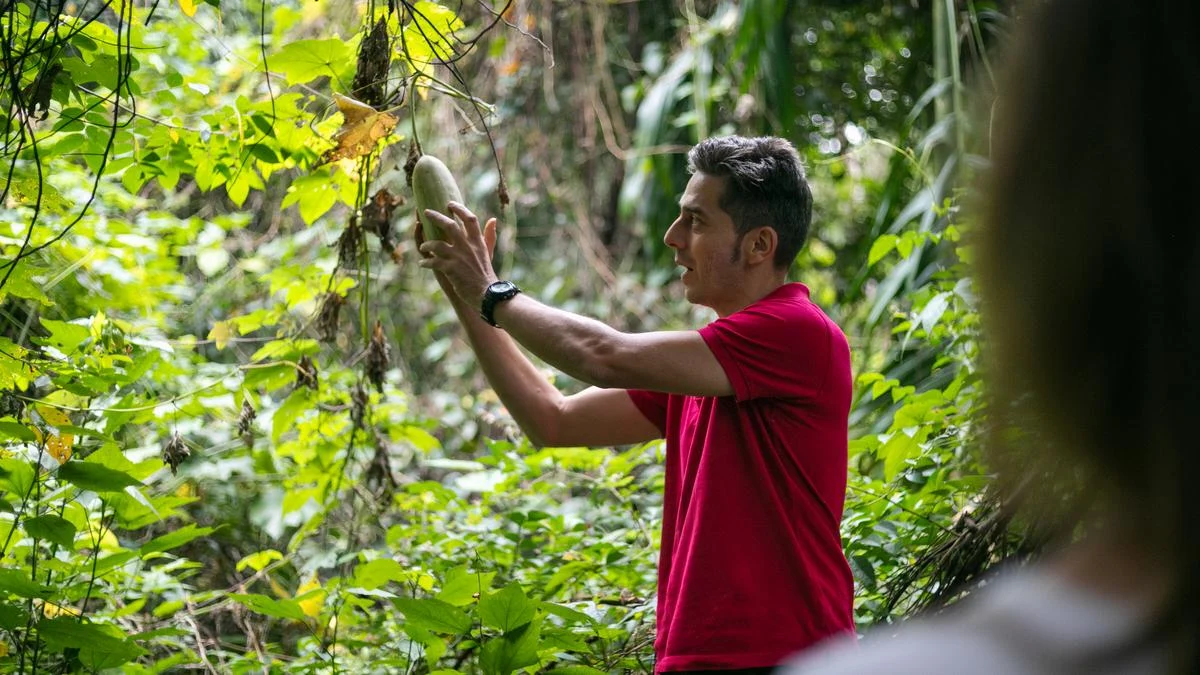
GOA, INDIA – As the mercury climbs and the tropical humidity of the Konkan coast begins its relentless ascent in April, a peculiar ritual unfolds across the emerald landscapes of Goa. It is a season defined not just by the heat, but by a scent—the pungent, sweet, and unmistakable aroma of ripening cashew apples. This is the time of Urrak, a cloudy, nectar-like spirit that represents the first distillation of fermented cashew juice.
For a fleeting window of six to eight weeks, typically spanning April and May, Goa retreats from its globalized, tourist-heavy image to embrace a deeply local obsession. While the world knows Feni, the locals wait for its precursor. Urrak is the unfiltered soul of the Goan summer, a drink that is rarely exported, impossible to preserve for long, and serves as the ultimate social currency among the villages of Quepem, Canacona, and Sattari.
Main Facts: The Anatomy of a Seasonal Obsession
Urrak is often misunderstood by outsiders as merely "weak Feni." In reality, it is a distinct beverage with its own flavor profile, social etiquette, and production constraints. Unlike Feni, which undergoes a second distillation to reach a higher alcohol by volume (ABV) and a clearer consistency, Urrak is the result of the first distill. It is lower in alcohol (typically between 12% and 18%), cloudy in appearance, and intensely fruity.

The Sensory Profile
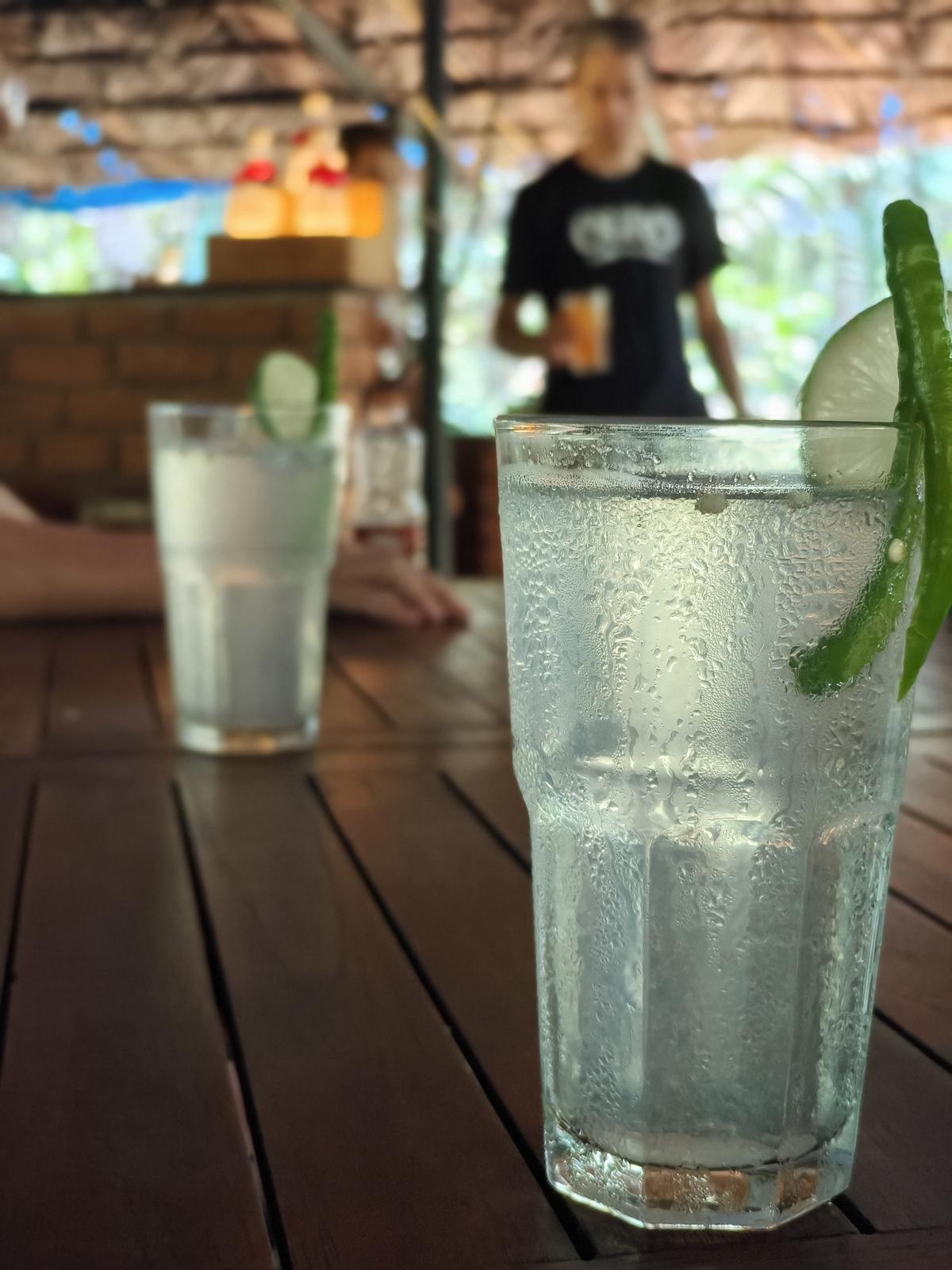
The experience of drinking Urrak is inherently tied to the Goan landscape. It is traditionally served in a highball glass, diluted with lemonade or Limca, a pinch of salt, and a slit green chili. The salt cuts through the natural acidity of the cashew fruit, while the chili provides a sharp counterpoint to the drink’s saccharine notes.
The Barter System
Even in a modern economy, the distribution of the "best" Urrak often bypasses traditional retail. It is a spirit of the manos (orchards). Greetings during this season are frequently exchanged alongside re-used glass bottles filled with fresh distill, often accompanied by the proud proclamation that the liquid within is the finest from the year’s harvest.
Chronology: From Portuguese Arrival to the Modern Bhaan
The history of Urrak is a tapestry of colonial exchange and indigenous adaptation. While the cashew tree (Anacardium occidentale) is now synonymous with Goa, it is not native to the Indian subcontinent.
- The 16th Century: Portuguese explorers brought the cashew tree to Goa from Brazil. Initially, it was planted not for its fruit or nut, but for afforestation and to prevent soil erosion on the rugged Western Ghats.
- The Evolution of Distillation: Over the centuries, Goans discovered that the "accessory fruit" (the cashew apple), which was largely ignored by the Portuguese, could be fermented and distilled. They applied traditional coconut-sap distillation techniques to the cashew juice.
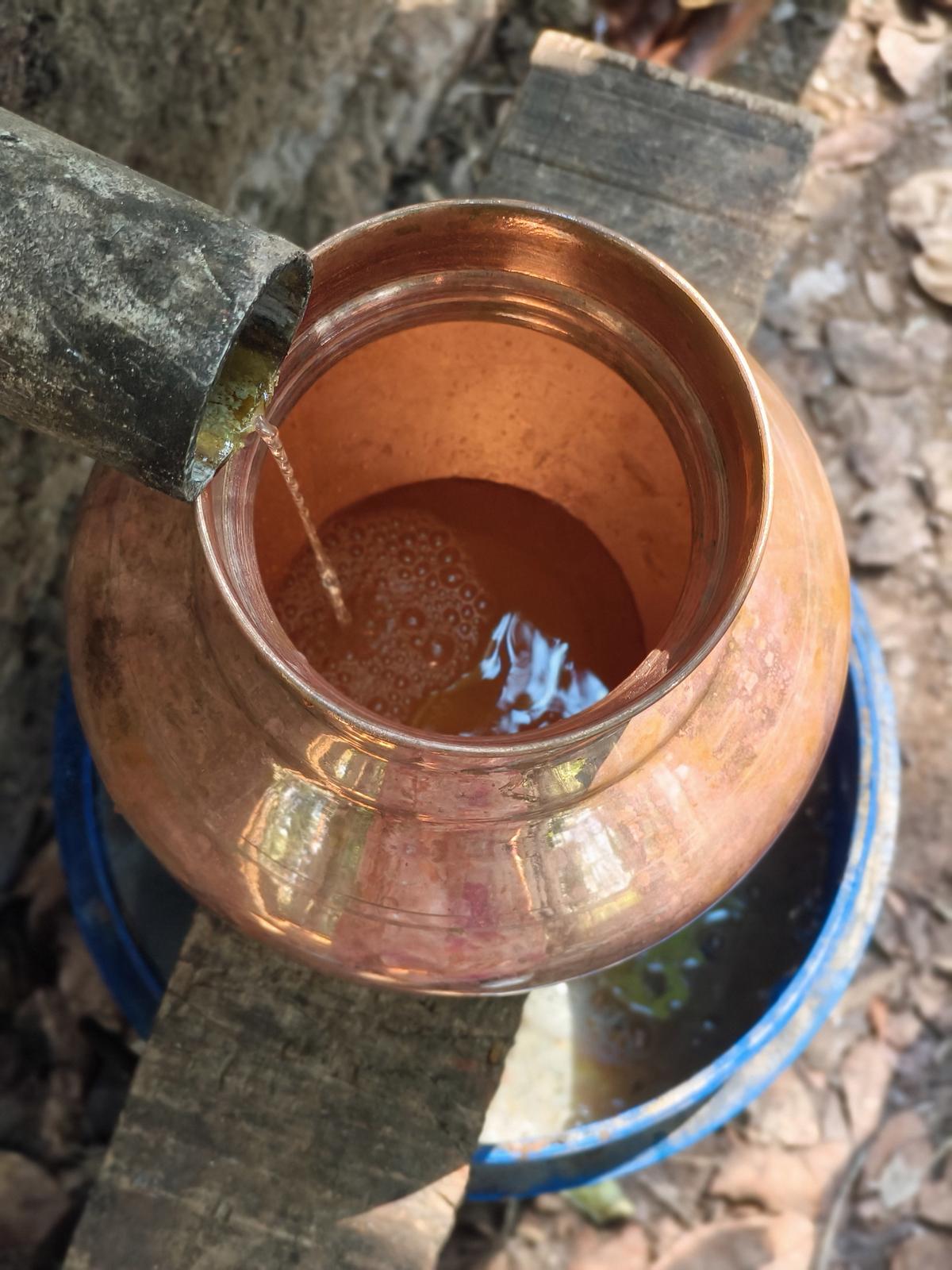
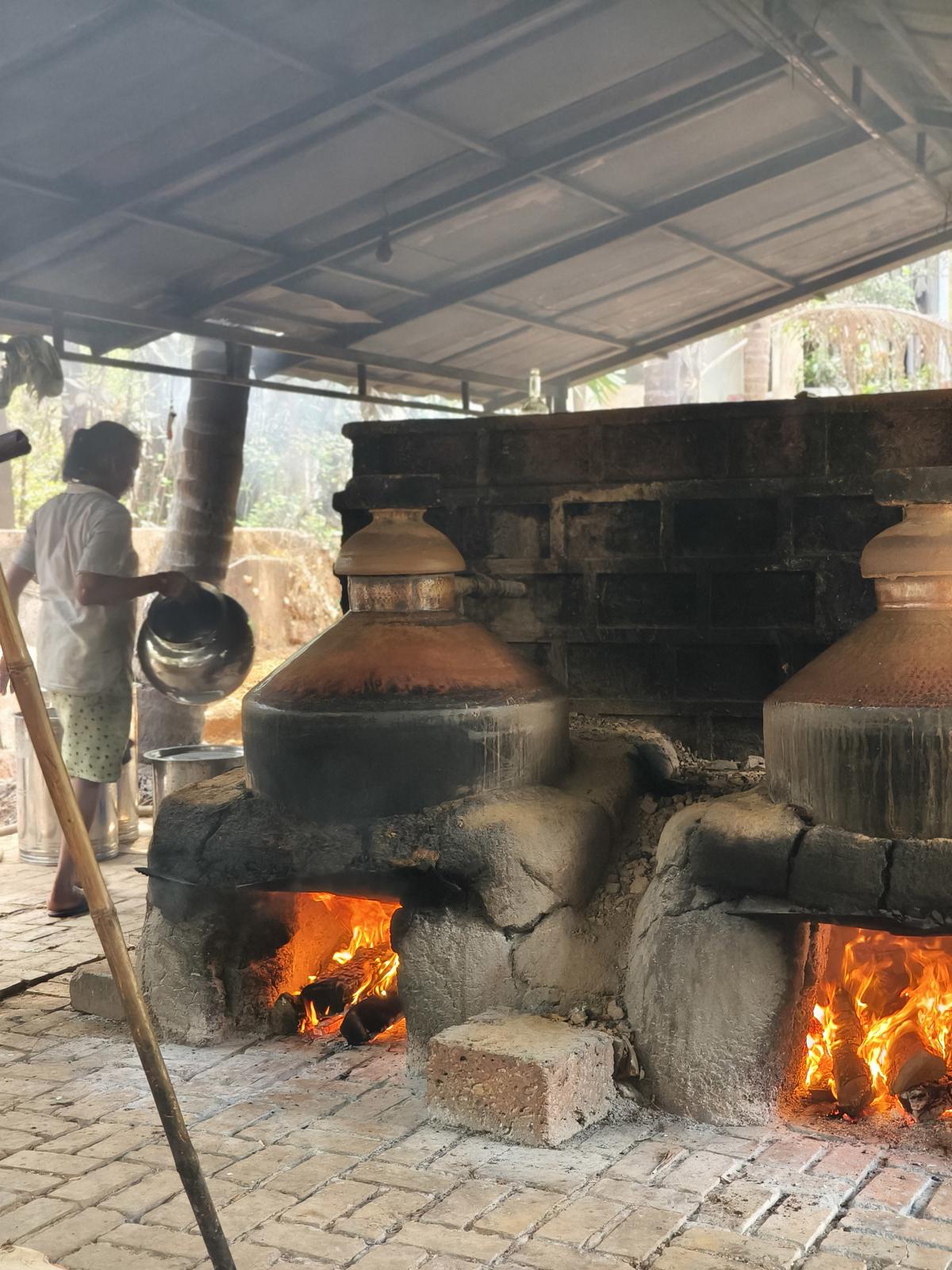
- The Late 1800s: Families like the Diniz clan in Cotombi began formalizing distillation processes. This period saw the stabilization of the bhaan (the traditional copper or earthen pot distillation system) as the standard for production.
- 2009: Cashew Feni earned a Geographical Indication (GI) tag, providing it with legal protection and recognition. While Feni holds the GI status, Urrak remains the celebrated, seasonal "raw" version that fuels the local economy during the harvest months.
Supporting Data: The Economics and Ecology of the Cashew Apple
The production of Urrak is a labor-intensive process that remains largely unmechanized, relying on the "circular living" systems of Goan plantations.
The Production Process
The cycle begins at dawn. Fallen cashew apples—only those that have naturally dropped from the tree are considered ripe enough—are gathered. The nuts are removed (to be roasted and sold separately), and the apples are crushed. Traditionally, this was done underfoot in a stone basin called a colmbi, though many now use mechanical presses.
The juice is then fermented in vats for two to three days. The distillation occurs in the bhaan. The first vapor that condenses is Urrak. If this Urrak is mixed with more fermented juice and distilled a second time, it becomes the potent Feni.
Economic Impact
For many Goan distillers, the Urrak season is a double-edged sword. Solomon Diniz, a fourth-generation distiller and the proprietor of Adinco Distilleries, notes that the seasonal popularity of Urrak creates a unique market vacuum. "During these two months of the year, sales of all our other premium liquors drop drastically," Diniz explains. "Everyone is only drinking freshly brewed Urrak!"
This seasonal shift represents a significant internal movement of capital within the state, as urban Goans travel to rural southern villages to secure their supply, supporting small-scale agrarian families.
Perspectives: Voices from the Plantations
To understand Urrak is to understand the people who guard its heritage. The debate among modern distillers is how much of this "secret" should be shared with the burgeoning "farm-to-table" tourism market.
The Traditionalists: The Diniz Family
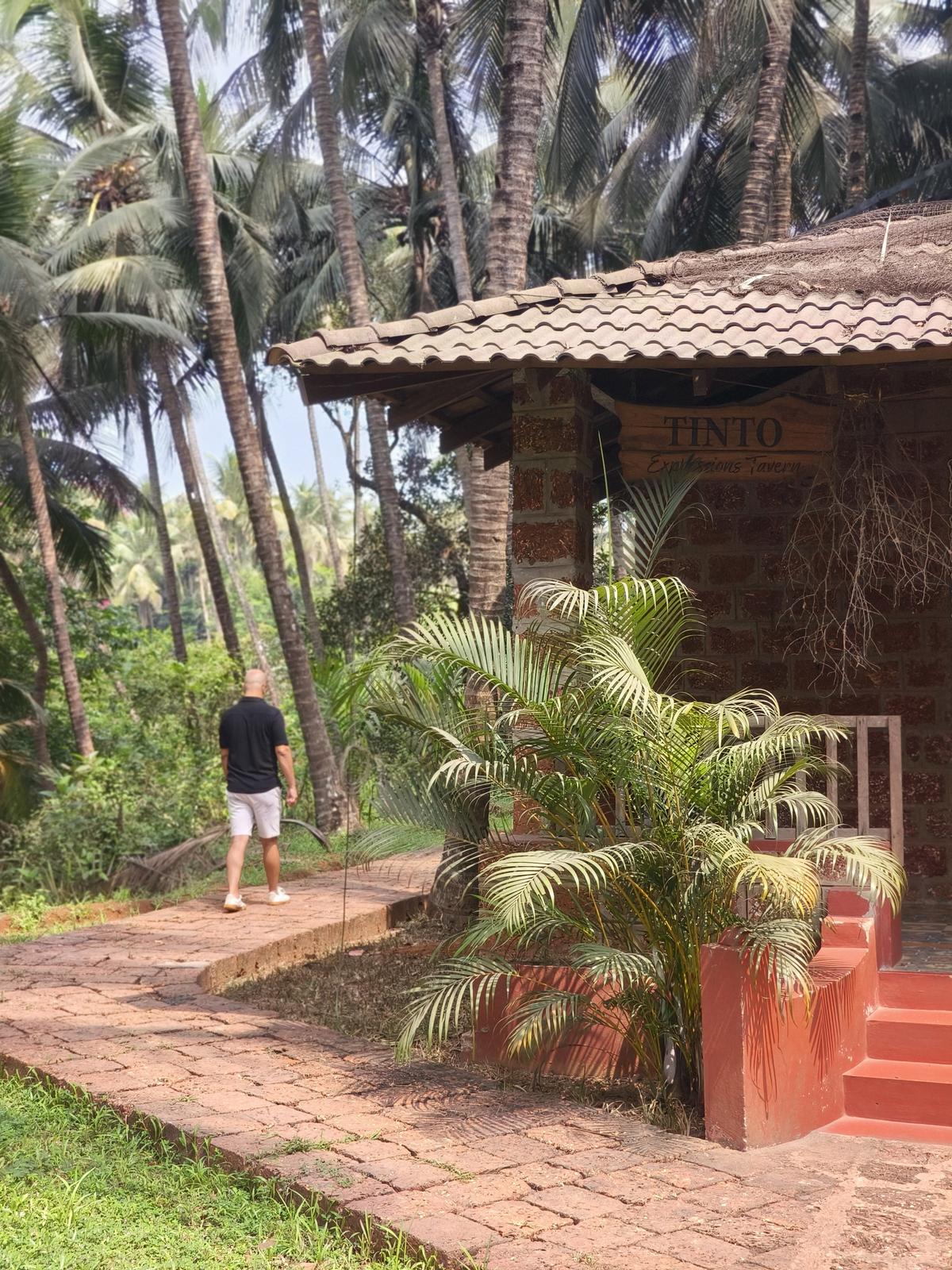
In the village of Cotombi, the Diniz family has been distilling since the late 19th century. Their approach is one of quiet preservation. The road to their distillery winds through terraced paddy fields and ancient mango groves. Solomon Diniz views Urrak not just as a product, but as a nostalgic anchor. At his Tinto Expressions Tavern in Quepem, he maintains a "calibrated" stash for aficionados, ensuring that the heritage of four generations is not lost to mass production.
The Visionaries: Dudhsagar Plantation
Deep in the folds of the Western Ghats, near the Mollem National Park, Ajit Malkarnekar and his son Ashok represent the ecological wing of the industry. In the 1980s, Ajit took 50 acres of barren, red-rust laterite soil and transformed it into a dense tropical thicket.
Today, Dudhsagar Plantation is a model of circular living. Ashok Malkarnekar explains their philosophy: "Know your trees, know your fruit, don’t rush anything." Their distillation process uses every part of the harvest, and the spent cashew pulp often returns to the soil as fertilizer. For the Malkarnekars, Urrak is a radical act of slow living in an era of "instant everything."
The Historian: Hansel Vaz
Hansel Vaz, often referred to as the "Feni Dotor" (Feni Doctor), provides the intellectual framework for the spirit. Vaz, of the Cazulo Feni lineage, has spent years tracing the etymology of the word. He notes that "Urrak"—historically referred to as hurrak or urraca—likely shares roots with the Arabic araq, a term used for various distilled spirits across Asia.
Vaz posits an intriguing historical theory: early references to "Urrak" likely pointed to a coconut distillate. However, the cashew apple, with its overwhelming fragrance and short, intense season, essentially "hijacked" the name. The sweetness of the cashew juice proved so popular that it became the definitive version of the spirit in the Goan mind.
Implications: Heritage, Tourism, and the Future
The current state of Urrak production sits at a critical juncture between cultural preservation and commercial opportunity.

The Rise of "Feni Tourism"
As global travelers move away from generic luxury toward "authentic" experiences, Goan plantations are opening their doors. Tours at Dudhsagar and Adinco allow visitors to witness the stomping of the fruit and the fire-stoking of the bhaan. This provides a vital secondary income stream for farmers, potentially saving small orchards from being sold to real estate developers.
The Preservation of "Terroir"
Like fine wine, the quality of Urrak is dictated by "terroir"—the specific soil and microclimate of the village. Urrak from Canacona is said to differ significantly from that produced in Sattari. As climate change alters monsoon patterns and flowering seasons, the consistency of this seasonal crop is under threat. Maintaining the biodiversity of the Goan hinterland is now a prerequisite for maintaining the spirit itself.
Conclusion: A Fleeting Cultural Anchor
Urrak remains one of the few things in the modern world that cannot be rushed, synthesized, or easily bottled for long-term shelf life. It is a beverage of the here and now. For the Goan population, it is a liquid reminder of their history—a spirit that arrived as a foreign botanical experiment and evolved into a cornerstone of regional identity.
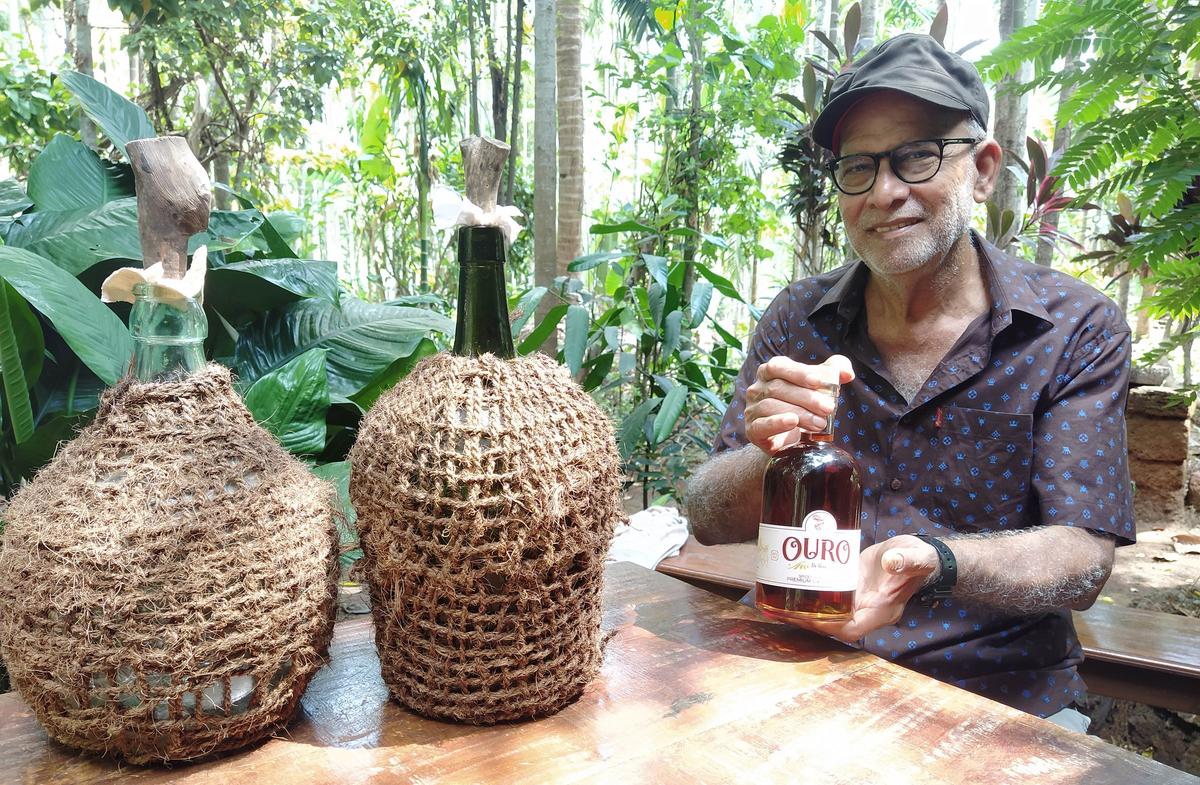
As the season ends in late May and the first monsoon clouds gather over the Arabian Sea, the bhaans are cleaned and put away. The Urrak fades, and the second distillation—the hardy, age-worthy Feni—takes its place. But for those who know the rhythm of the land, the memory of that first, cloudy, salt-and-chili-spiked glass remains the true highlight of the Goan year.
If You Go:
- Season: March to May.
- Cost: Experiences and tours typically start at ₹750.
- Key Sites:
- Adinco Distilleries (Quepem): adincodistilleries.com
- Dudhsagar Plantation (Karmane): dudhsagarplantation.com
- The Ritual: Always ask for fresh lime, a pinch of salt, and a split green chili. Drink slowly; the Goan sun is as potent as the spirit.
