

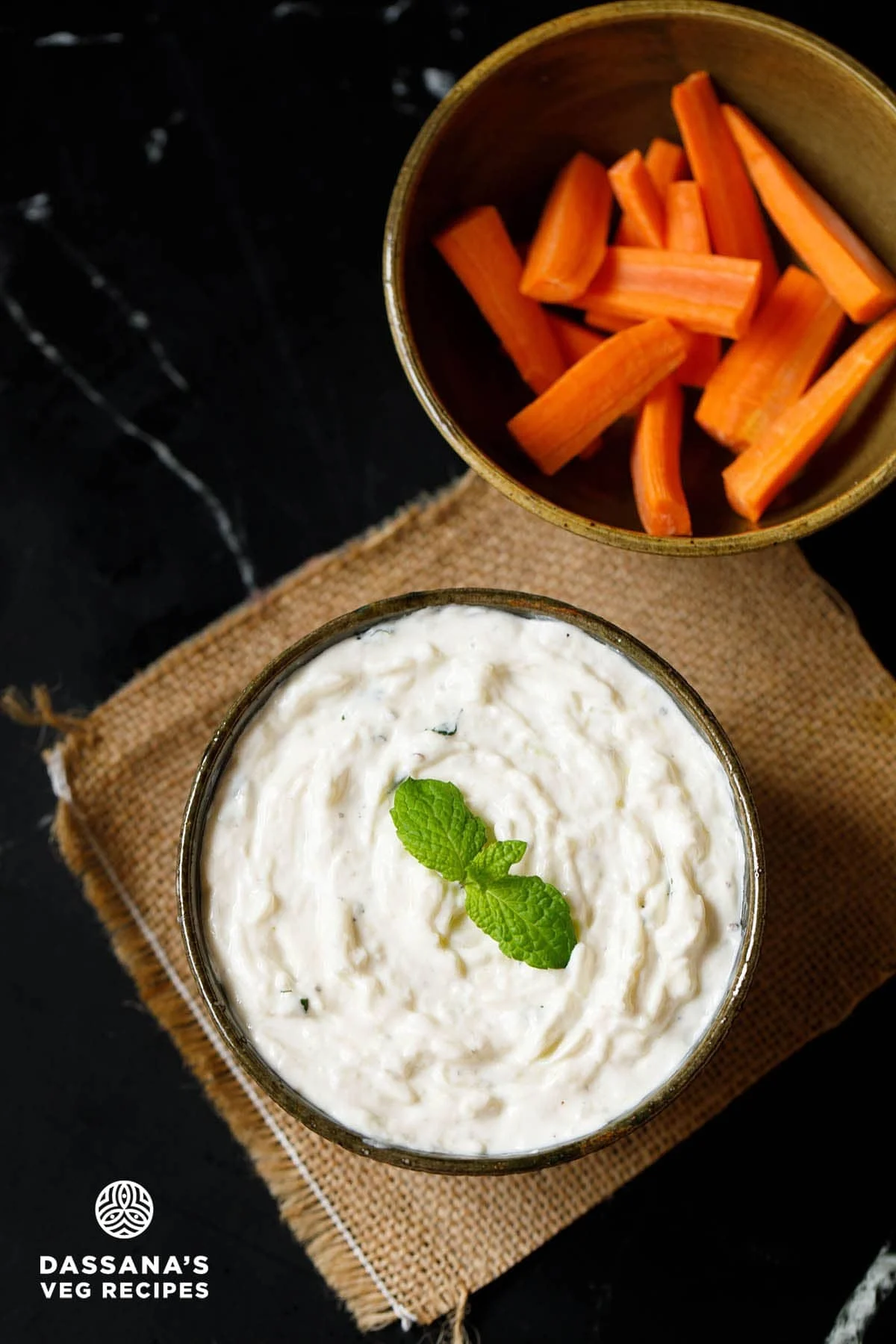
The global culinary landscape has seen a significant shift toward the Mediterranean diet, celebrated not only for its heart-healthy benefits but also for its vibrant, clean flavors. At the heart of this gastronomic movement lies Tzatziki, a classic Greek yogurt-based sauce that has transcended its regional origins to become a staple in kitchens worldwide. Far more than a simple dip, Tzatziki represents a delicate balance of cooling cucumber, pungent garlic, and the rich tang of fermented dairy—a testament to the sophistication found in simplicity.
Main Facts: The Essence of the Mediterranean Staple
Tzatziki is a traditional Greek preparation, served primarily as a chilled dip, a spread, or a side accompaniment. Its foundation is built upon four pillars: thick, strained Greek yogurt, crisp cucumbers, aromatic garlic, and high-quality extra virgin olive oil. While it is synonymous with Greek cuisine, it belongs to a broader family of yogurt-based appetizers found throughout the Levant and the Middle East.
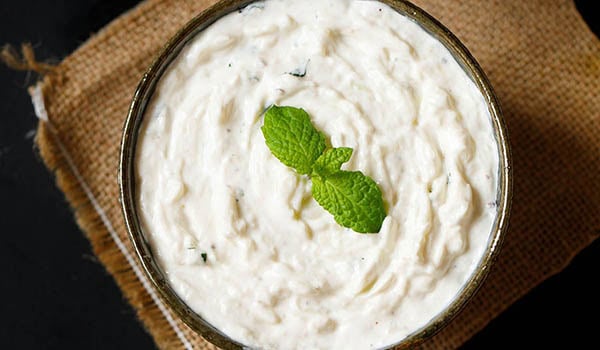
The sauce is characterized by its dual-textured nature. The yogurt provides a smooth, creamy mouthfeel, while the grated cucumber introduces a refreshing crunch. The addition of an acidic component—typically lemon juice or vinegar—cuts through the richness of the dairy, while fresh herbs like dill or mint provide a fragrant finish.
Beyond its flavor profile, Tzatziki is prized for its nutritional density. It is naturally high in protein due to the Greek yogurt base and remains relatively low in calories compared to mayonnaise-based dressings. It serves as a versatile bridge between disparate food groups, pairing seamlessly with grilled meats (such as souvlaki or gyros), roasted vegetables, and various flatbreads.
Chronology: The Evolution of a Yogurt Legacy
The history of Tzatziki is a journey through the migrations of people and the evolution of dairy preservation across the Ottoman Empire and the Mediterranean basin.
The Ancient Roots of Yogurt
The history of Tzatziki begins with the domestication of sheep and goats in the Neolithic period. Yogurt, the primary ingredient, was a practical way for ancient nomadic tribes to preserve milk in warm climates. By the time of the Ottoman Empire, yogurt-based dishes had become central to the diet of the region.
The Ottoman Connection and "Cacık"
While the world knows it as Tzatziki, the dish shares a direct lineage with the Turkish Cacık. During the Ottoman era, which spanned several centuries and encompassed Greece, culinary traditions were heavily exchanged. The Turkish version is often served as a more liquid soup, whereas the Greek evolution favored a thicker, strained consistency that allowed it to be used as a dip or a spread.
The Modern Greek Identity
In the 20th century, as Greek cuisine became codified and exported through the global diaspora, Tzatziki was solidified as a national emblem. It moved from the rural household table to the urban taverna, eventually finding a place in the international "Mezze" (appetizer) platter. Today, it is a globalized food item, found in supermarket aisles from London to New Delhi, though the artisanal, homemade version remains the gold standard for quality.
Supporting Data: The Science of Texture and Nutrition
To understand why Tzatziki works, one must look at the chemical and nutritional composition of its ingredients. The recipe provided in recent culinary guides highlights a specific balance designed for both flavor and stability.
The Importance of Moisture Control
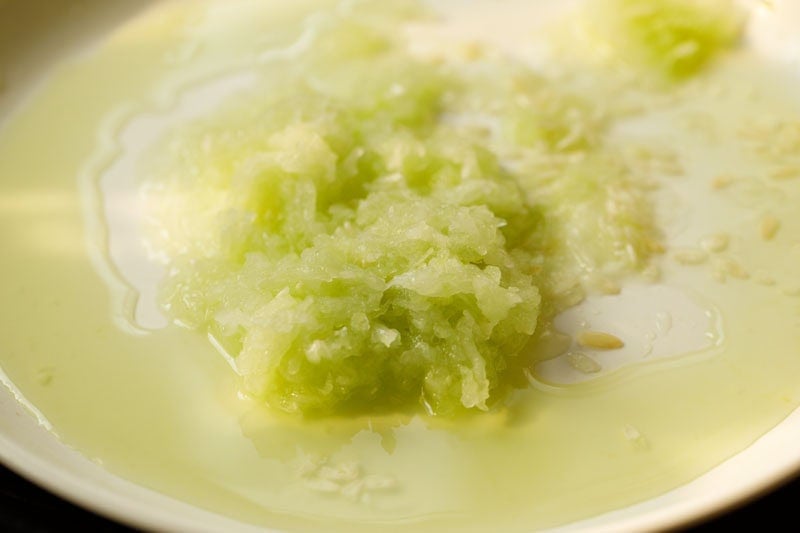
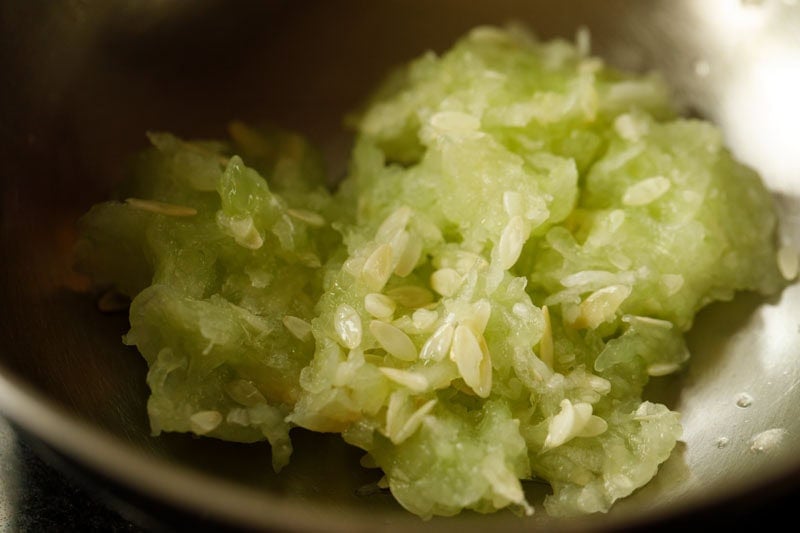
One of the most critical steps in creating Tzatziki is the treatment of the cucumber. Cucumbers are approximately 95% water. If grated and added directly to yogurt, the salt in the recipe would draw out the water through osmosis, turning a thick dip into a thin, unappealing soup. Culinary experts emphasize the "squeeze" method—using palms or a muslin cloth to remove excess moisture—to ensure the dip maintains its structural integrity.
Nutritional Breakdown
Based on a standard two-serving preparation, the nutritional profile of Tzatziki is impressive for a condiment:
- Calories: 203 kcal
- Protein: 11g (Significant for a dip)
- Fats: 15g (Primarily monounsaturated fats from olive oil)
- Carbohydrates: 7g
- Micronutrients: Rich in Calcium (135mg), Vitamin A, and Vitamin K.
The high protein content, derived from Greek yogurt, makes it a satiating snack. Furthermore, the use of extra virgin olive oil provides healthy fats and antioxidants, aligning the dish with the nutritional goals of the Mediterranean diet.
Official Responses: Expert Culinary Methodology
Professional chefs and home cooks alike agree that while Tzatziki is "beginner-friendly," the quality of the final product depends on the selection of ingredients and the precision of the assembly.
The Yogurt Selection
Experts argue that the choice of yogurt is non-negotiable. Traditional Greek yogurt is strained to remove whey, resulting in a thicker consistency and a higher protein concentration. If Greek yogurt is unavailable, culinary authorities suggest straining regular whole-milk yogurt through a cheesecloth for several hours to achieve the necessary "stand-up" texture.
The Herb Debate: Dill vs. Mint
There is an ongoing "official" debate within the culinary community regarding the appropriate herb. In Northern Greece and many international versions, dill is the standard, providing a bright, slightly anise-like flavor. However, in many coastal regions and in variations like the Indian Cucumber Raita, mint is preferred for its cooling, refreshing properties. Many modern recipes now suggest a choice of dill, mint, or even parsley to suit personal preference or the dish it accompanies.
The Acid Balance
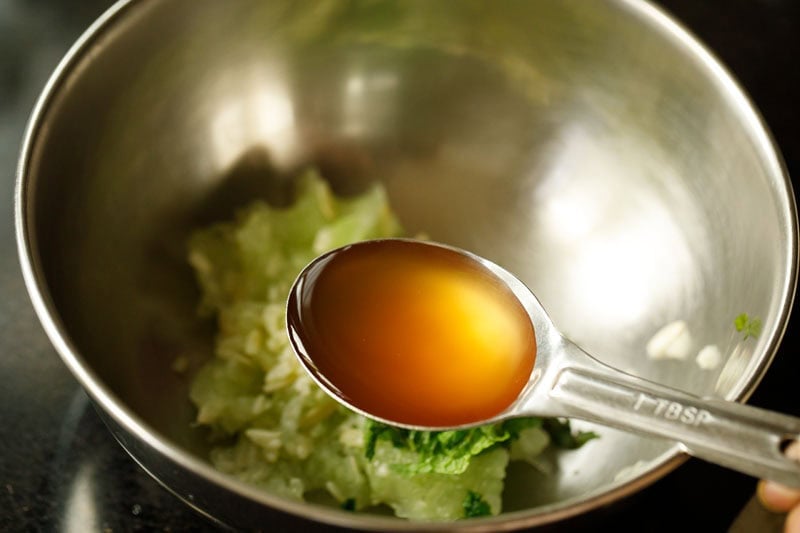
The use of apple cider vinegar versus lemon juice is another point of professional nuance. Lemon juice offers a citrusy, floral lift, whereas apple cider vinegar provides a sharper, more fermented tang. Chefs recommend adjusting the acid levels based on the natural sourness of the yogurt used; a very tart yogurt requires less added acid to maintain balance.
The Preparation Masterclass: A Step-by-Step Guide
The process of creating an authentic Tzatziki requires no heat, making it an accessible entry point for novice cooks.
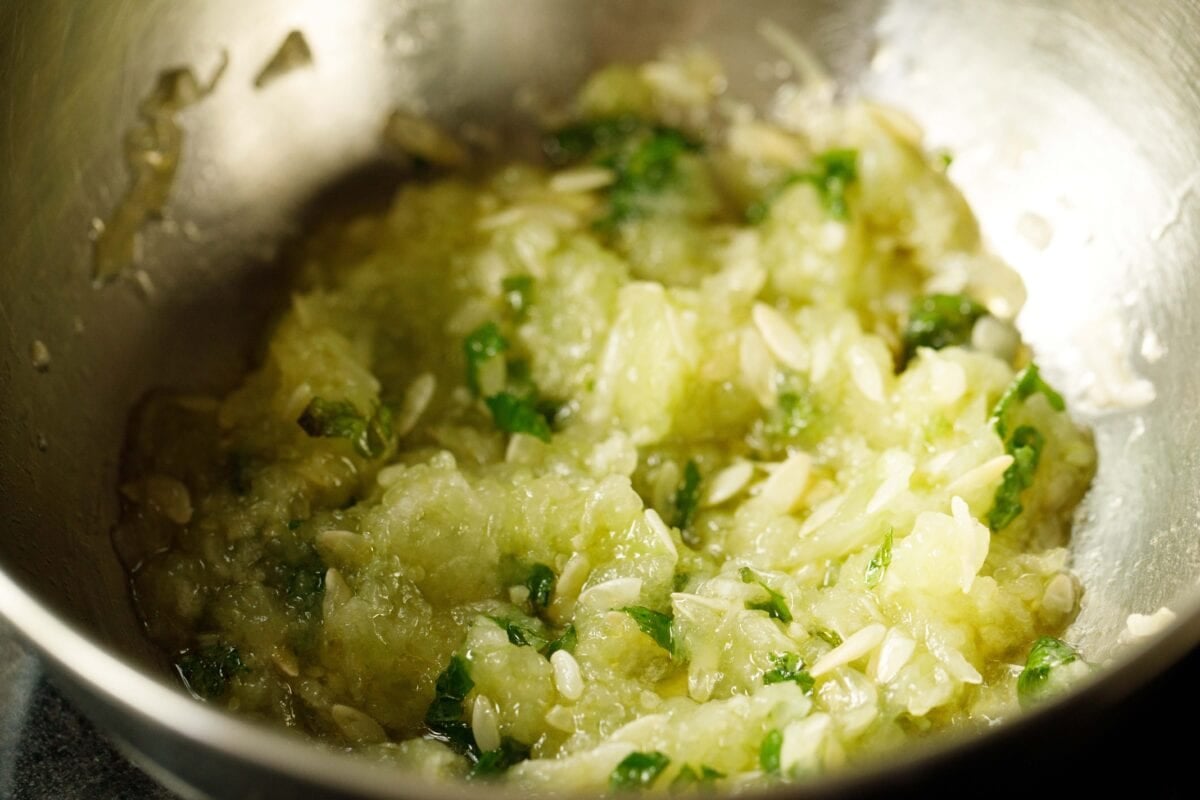
- Cucumber Preparation: A medium cucumber (approx. 200g) is peeled and grated using a fine or medium box grater.
- The Extraction: The grated cucumber is squeezed firmly to remove all liquid. This liquid is often discarded or used in cocktails and smoothies.
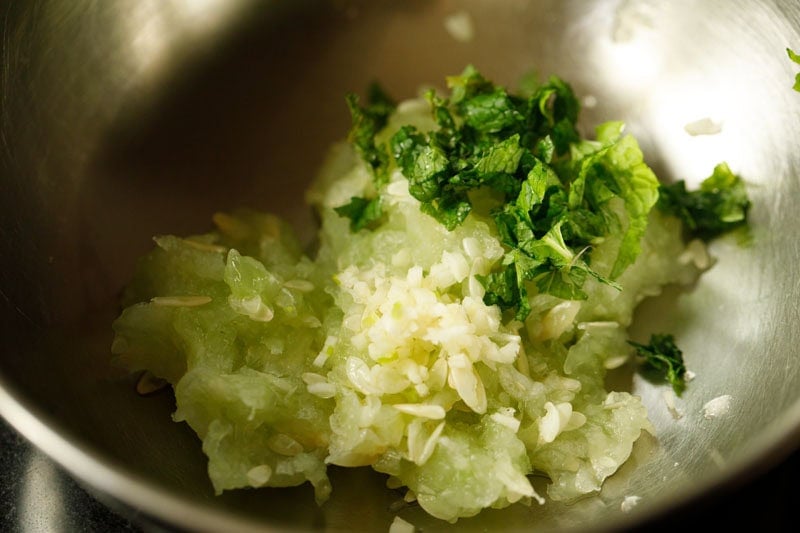
- Aromatic Integration: Mined garlic (2-3 cloves) and finely chopped herbs (1 tablespoon) are combined with the cucumber.
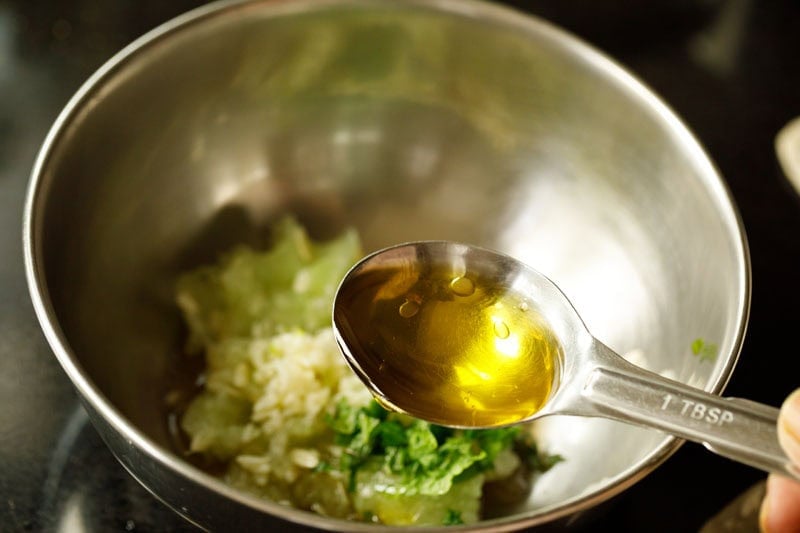
- Emulsification: Extra virgin olive oil (2 tablespoons) and the chosen acid (1 tablespoon of lemon juice or vinegar) are stirred into the cucumber mixture. This allows the fat and acid to coat the vegetables before the dairy is introduced.
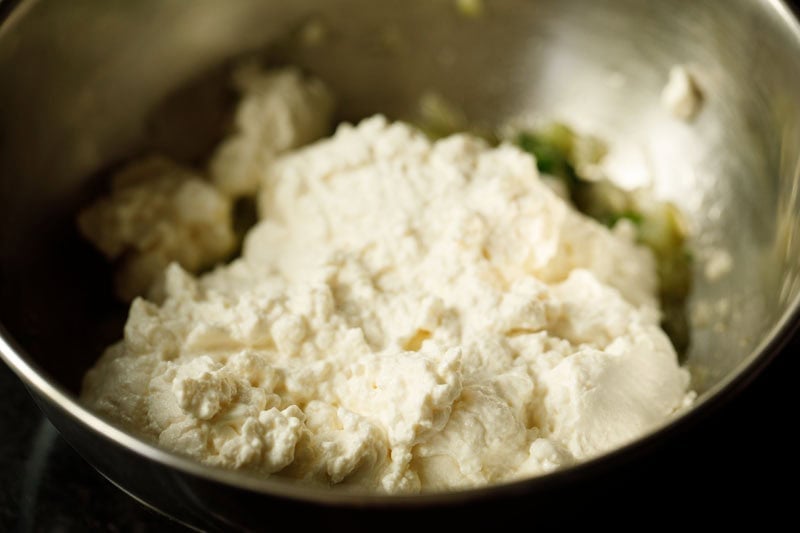
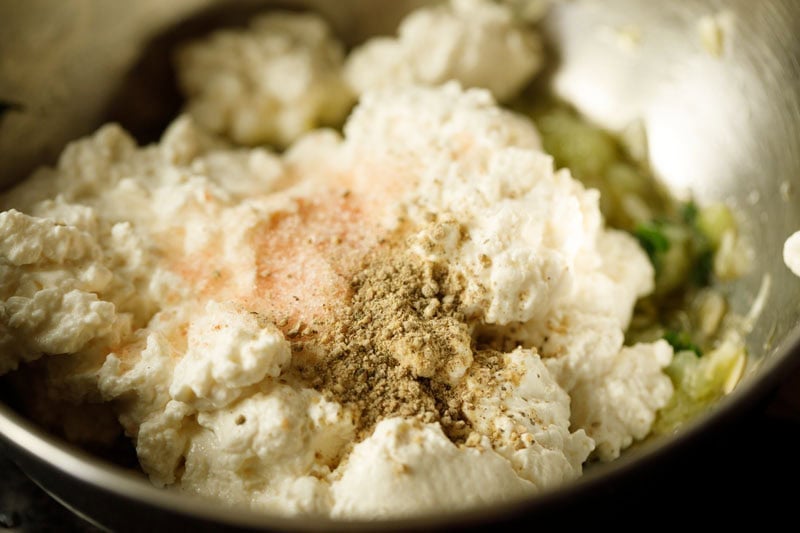
- The Fold: One cup of Greek yogurt is folded in. Seasoning with salt and ground white pepper is done at the very end to prevent the cucumber from releasing more water prematurely.
- The Finish: A final drizzle of olive oil and a sprig of fresh herbs serve as the garnish.
Implications: Cultural Fusion and the Global Table
The rise of Tzatziki has broader implications for global food culture and health. It serves as a prime example of "culinary convergence."
The Indian Parallel
In Indian cuisine, the Cucumber Raita serves an almost identical function. While Raita typically uses thinner curd and includes roasted cumin or chili powder, the fundamental concept—using yogurt to cool the palate against spiced or grilled foods—is a shared human culinary response to warm climates. The recognition of these similarities has allowed Tzatziki to find a natural home in Indian kitchens, often served alongside parathas or pulao.
Health and Lifestyle
As Western diets move away from processed, sugar-heavy condiments, Tzatziki offers a viable alternative. Its probiotic nature (from live yogurt cultures) supports gut health, while the garlic provides antimicrobial benefits. In a world increasingly focused on "clean eating," Tzatziki is a rare example of a food that is both indulgent in texture and beneficial in composition.
Versatility in Modern Dining
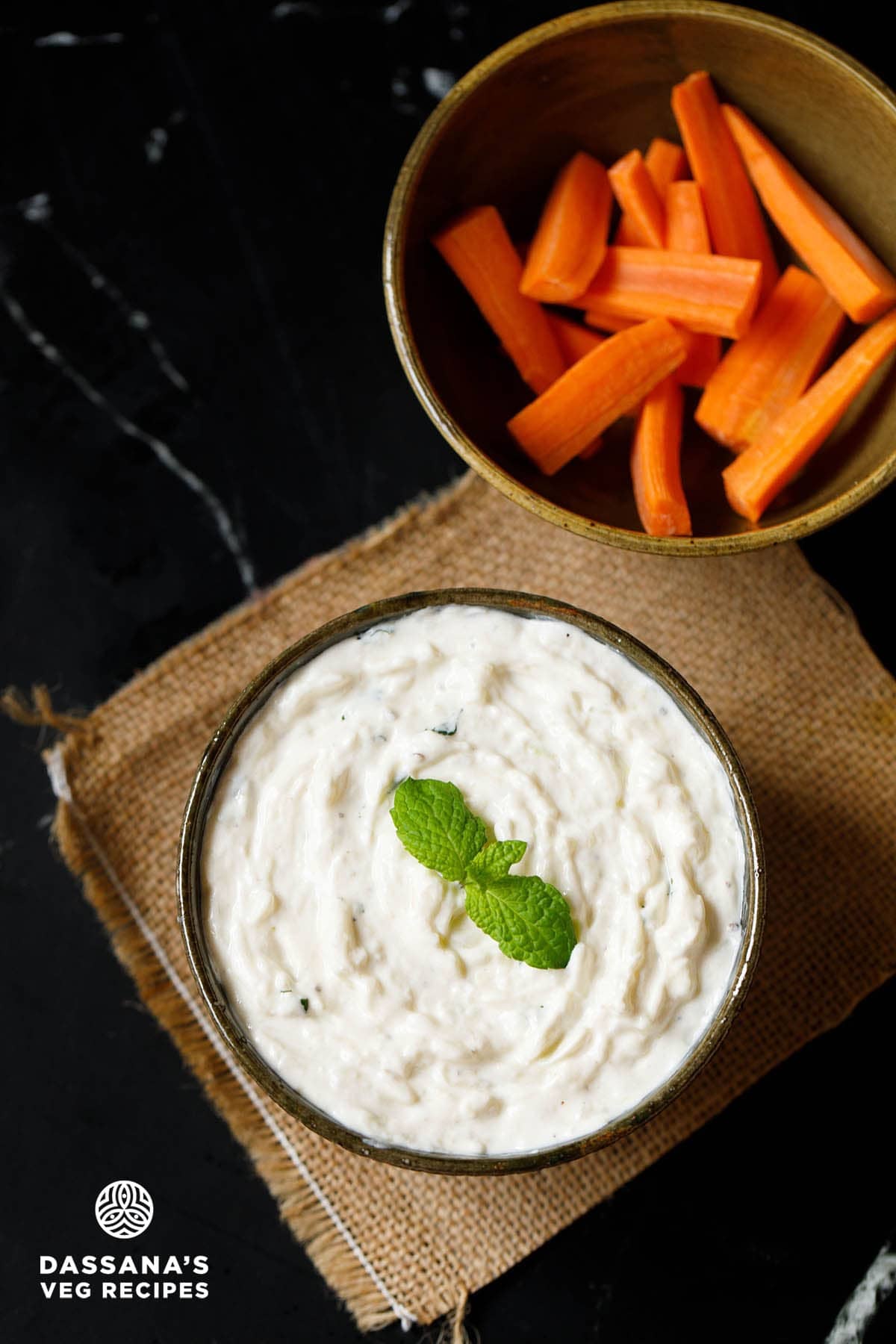
The implications of Tzatziki’s popularity are seen in its adaptability. It has moved beyond the pita bread. It is now a common spread for gourmet burgers, a dressing for grain bowls, and a dip for crudités in school lunches. Its ability to pair with both vegetarian and non-vegetarian dishes makes it an essential tool for inclusive modern catering.
Conclusion
Tzatziki is more than a recipe; it is a culinary bridge. It connects the ancient traditions of the Mediterranean with the fast-paced, health-conscious demands of the 21st century. By mastering the simple techniques of moisture extraction and ingredient balance, any cook can bring a piece of the Greek islands to their table. As we continue to explore the intersections of flavor, history, and health, the humble yogurt dip stands as a shining example of how the simplest ingredients, when treated with respect, can create a dish of enduring global significance.
