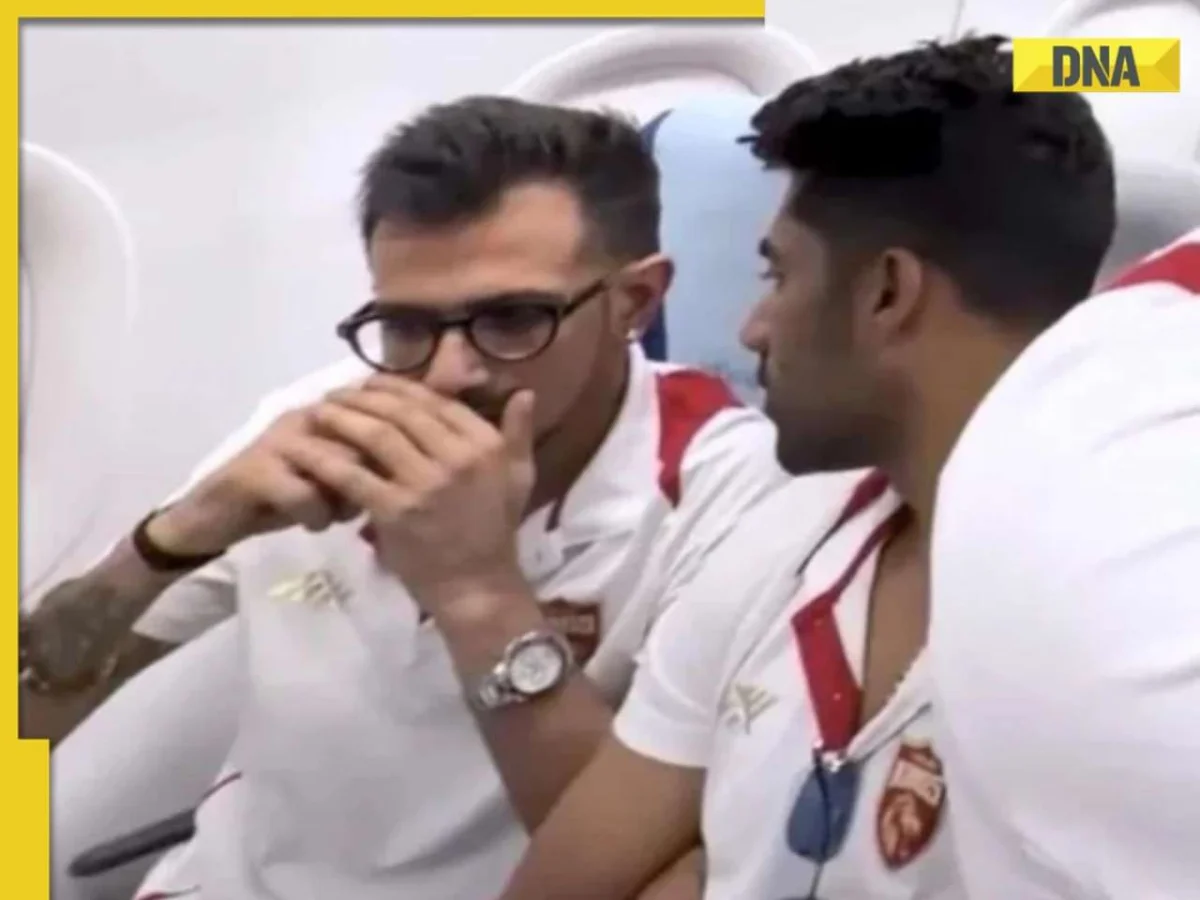
MUMBAI, INDIA – May 9, 2026 – A viral video allegedly depicting star spinner Yuzvendra Chahal vaping during a flight with his Indian Premier League (IPL) teammates has plunged the cricketing world into a fresh wave of controversy. The unverified footage, which rapidly circulated across social media platforms, particularly X (formerly Twitter), has sparked intense debate among fans, pundits, and former players alike, raising critical questions about player conduct, public responsibility, and the enforcement of laws within India’s premier sporting league.
The incident comes on the heels of a similar controversy involving Rajasthan Royals captain Riyan Parag earlier in the season, underscoring a growing challenge for the Board of Control for Cricket in India (BCCI) in maintaining the integrity and public image of the IPL and its athletes. Chahal, a prominent figure for Punjab Kings and a well-known personality in Indian cricket, has remained conspicuously silent on the matter, a silence that has only amplified the public discourse and the severity of the allegations.
Main Facts
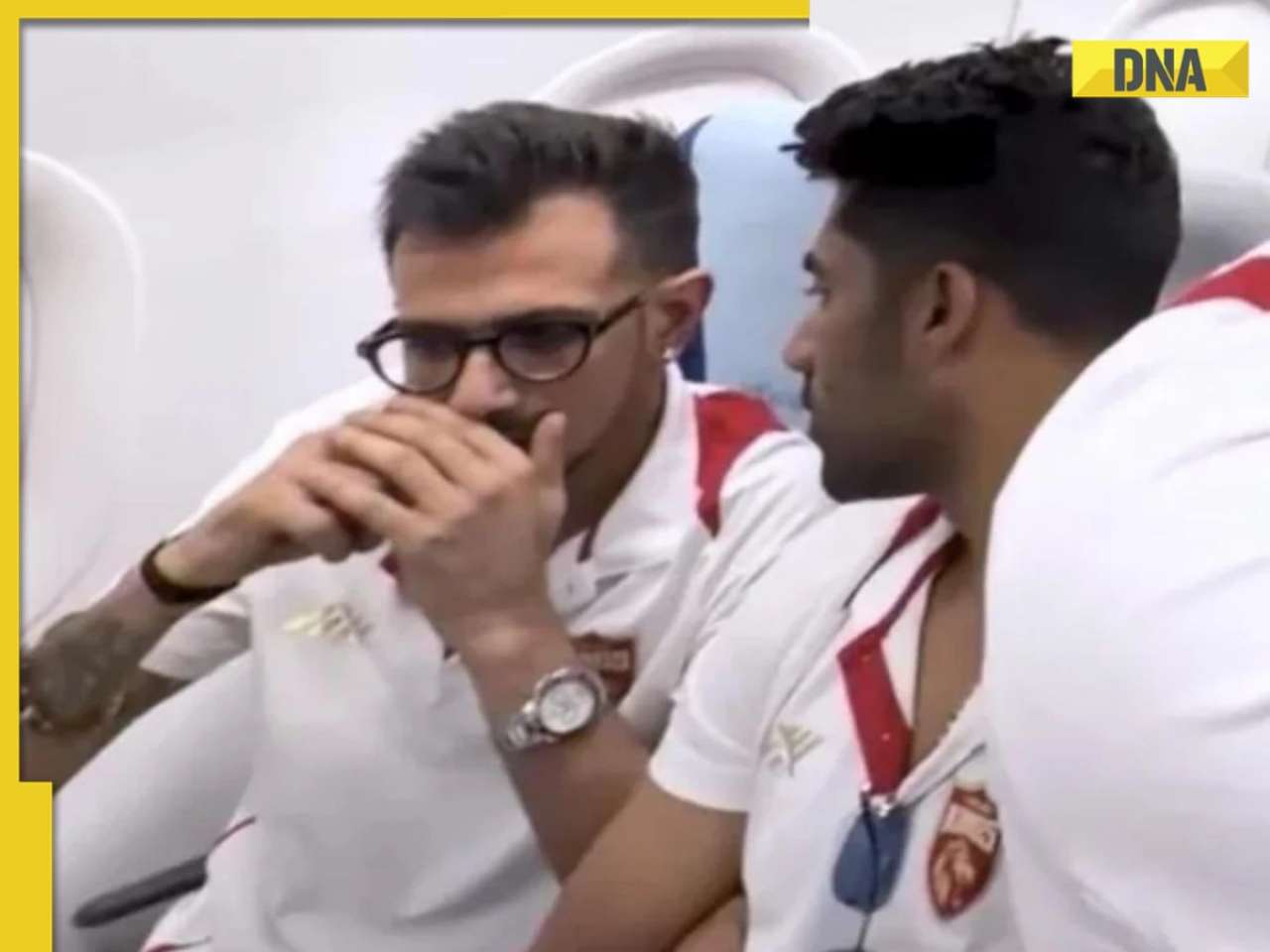
At the heart of the burgeoning scandal is a video clip that purports to show Yuzvendra Chahal, the charismatic leg-spinner, engaging in an act of vaping while onboard a flight. The setting, presumably an IPL team charter, adds another layer of scrutiny, as player conduct in such enclosed, team-centric environments is typically held to a high standard. The video’s authenticity, while not officially confirmed by Chahal or the Punjab Kings management, has been widely accepted as genuine by a significant portion of the online community, leading to a swift and fervent backlash.
The most forceful condemnation came from former India cricketer Laxman Sivaramakrishnan, who did not mince words in his reaction. He explicitly called for stringent legal consequences, asserting that if the video proves to be authentic, Chahal should face more than just a token fine. Sivaramakrishnan highlighted the legal landscape in India, where the sale, manufacture, and use of vapes are outright banned, questioning the efficacy of lenient penalties such as a percentage of match fees. His provocative statement, "Should be behind bars," reverberated through the cricketing fraternity, igniting a broader discussion on accountability.
This incident is not an isolated one. The IPL has already grappled with a similar situation this season involving Riyan Parag, who was caught on camera vaping in the dressing room. That episode resulted in a fine and a demerit point for Parag, establishing a precedent for action against such breaches of conduct. The repeated nature of these incidents now forces the BCCI to confront the issue with renewed vigor, potentially leading to a re-evaluation of its disciplinary framework.
Chronology of Events
The unfolding saga surrounding Yuzvendra Chahal’s alleged vaping video can be traced through a series of rapid developments, primarily driven by social media and the subsequent reactions from key figures within Indian cricket.
Initial Viral Spread
The controversy burst into the public consciousness when the unverified video clip began circulating widely on X (formerly Twitter) and other social media platforms on or around May 8, 2026. The footage quickly gained traction, with users sharing, commenting, and dissecting its contents. The immediate reaction was a mix of shock, disappointment, and outrage, particularly given Chahal’s status as a national cricketer and a role model for millions of young fans. Hashtags related to Chahal and player conduct began trending, indicating the speed and scale of the public’s engagement with the issue. The lack of context surrounding the video – such as the exact date, flight, or specific circumstances – did little to temper the fervor, with the visual evidence alone proving sufficient to ignite the debate.
Sivaramakrishnan’s Outburst
As the video continued its viral ascent, former India cricketer Laxman Sivaramakrishnan added significant weight to the controversy with his scathing remarks. Taking to X, Sivaramakrishnan launched a direct broadside against Chahal and the perceived leniency of current disciplinary measures. His tweet, posted on May 8, 2026, unequivocally stated:
"Vape is banned in India. Should be behind bars. What is the point in having Laws and not implementing them. 25% of match fees is peanuts. What if a regular person had done this, What would the action be?"
— Laxman Sivaramakrishnan (@LaxmanSivarama1) May 8, 2026
This statement dramatically escalated the debate, shifting the focus from mere player conduct to the legal implications of vaping in India. Sivaramakrishnan’s call for imprisonment underscored his belief that the current penalties are insufficient deterrents, especially for high-profile individuals who are expected to uphold the law and serve as exemplars. His comparison to how an "ordinary person" would be treated resonated with many who felt that celebrity status should not confer immunity from legal consequences.
Chahal’s Silence
In the immediate aftermath of the video going viral and Sivaramakrishnan’s strong condemnation, Yuzvendra Chahal has maintained a conspicuous silence. Neither he nor the Punjab Kings management have issued any official statement addressing the video’s authenticity, the allegations, or the mounting criticism. This silence, while perhaps a strategic move to await official verification or internal team discussions, has been interpreted by some as an implicit acknowledgment or a lack of concern, further fueling the speculative fires on social media. In an era where public figures are often expected to swiftly address controversies, Chahal’s quiet stance has become a notable aspect of the unfolding narrative.
Precedent: Riyan Parag Incident
The current Chahal controversy is significantly contextualized by a similar incident earlier in the IPL season involving Rajasthan Royals’ young talent, Riyan Parag. During a match against Punjab Kings in Mullanpur, Parag was caught on camera vaping inside his team’s dressing room. This breach of conduct, occurring in a highly visible and professional setting, quickly drew the attention of the BCCI.
The BCCI acted decisively, fining Parag 25% of his match fee and assigning him a demerit point. The official statement from the board clarified that Parag had breached Article 2.21 of the IPL’s Code of Conduct, which pertains to "any behavior that drags the game’s reputation through the mud." Parag, for his part, accepted the punishment handed down by match referee Amit Sharma without protest, bringing a swift resolution to that particular episode. This incident established a clear precedent for the BCCI’s stance on vaping-related violations, setting a benchmark against which the Chahal situation is now being measured.
BCCI’s Stance and Potential Future Actions
Following the Riyan Parag incident and now the more high-profile Chahal controversy, the BCCI is reportedly not content to let the matter rest with standard fines. Sources suggest the board is actively looking into implementing tougher measures, which could extend beyond individual player penalties. Discussions are reportedly underway to explore further sanctions, potentially targeting team officials or management, to ensure a more comprehensive approach to maintaining discipline.
The BCCI’s primary concern remains the preservation of the IPL’s reputation, which is watched by millions globally and represents the pinnacle of franchise cricket. While Level 1 violations typically involve financial penalties and demerit points, the recurring nature of these incidents, particularly those involving substances banned by Indian law, indicates that the stakes are now about more than just money. The board is under pressure to send a strong message that actions have consequences, regardless of a player’s stature, and that the integrity of the league is paramount.
Supporting Data and Context
The alleged vaping incident involving Yuzvendra Chahal is not merely a question of individual player conduct; it intersects with national law, professional sporting ethics, and the societal expectations placed upon public figures. Understanding these broader contexts is crucial to grasp the full gravity of the situation.
Legality of Vaping in India
India has taken a firm stance against electronic cigarettes, including vapes, through comprehensive legislation. The Prohibition of Electronic Cigarettes (Production, Manufacture, Import, Transport, Sale, Distribution, Storage and Advertisement) Act, 2019, effectively banned all aspects of e-cigarettes. This law was enacted with the stated aim of protecting public health, particularly to prevent the initiation of vaping among youth and to mitigate the potential health risks associated with these devices.
Under this Act, individuals found to be in possession or using e-cigarettes face significant penalties. For a first offense, the law stipulates imprisonment for up to one year or a fine of up to ₹1 lakh (approximately $1,200 USD), or both. Subsequent offenses carry even harsher penalties, including imprisonment for up to three years and a fine of up to ₹5 lakh (approximately $6,000 USD). These legal provisions underscore the seriousness with which the Indian government views vaping, categorizing it not just as an undesirable habit but as a prosecutable offense. Sivaramakrishnan’s demand for Chahal to be "behind bars" directly references these legal ramifications, highlighting the disparity he perceives between legal mandates and the disciplinary actions taken by sports bodies.
The health concerns underpinning the ban are substantial. Vaping products contain nicotine, which is highly addictive, and often other harmful chemicals and flavorings. Experts have raised alarms about their potential long-term health effects, including respiratory and cardiovascular issues, and their role as a gateway to traditional tobacco products. The government’s proactive ban reflects a public health policy aimed at preventing a potential public health crisis, especially among younger demographics.
Player Conduct and Professionalism in Sports
In a nation where cricket is often described as a religion, cricketers hold a unique and influential position. They are not merely athletes; they are national icons, role models, and ambassadors for the sport. This elevated status comes with an inherent responsibility to uphold moral and ethical standards, both on and off the field. The actions of high-profile cricketers like Chahal are scrutinized not just by fans but by parents, educators, and the broader society, who often look to these athletes as exemplars of discipline, dedication, and character.
The IPL, with its massive viewership and global appeal, amplifies this scrutiny. Players participating in such a high-stakes league are expected to maintain an impeccable public image, reflecting positively on their teams, the league, and the sport itself. Any deviation from this expected conduct, especially involving illegal substances or activities, can significantly tarnish individual reputations and, by extension, the image of the league. The pervasive nature of social media further intensifies this pressure, as incidents that might once have remained confined to locker rooms or private spaces now instantly become public spectacles, debated and judged by millions. This makes player education on conduct, both visible and discreet, more critical than ever.
IPL Code of Conduct
The IPL operates under a stringent Code of Conduct designed to ensure fair play, maintain discipline, and uphold the integrity of the game. Article 2.21, which Riyan Parag was found to have breached, specifically addresses "conduct that brings the game into disrepute." This broad clause grants the BCCI and match officials significant discretion in penalizing actions that damage the sport’s image.
The Code categorizes offenses into various levels, with Level 1 violations typically incurring financial penalties and demerit points, as seen in Parag’s case. However, more severe or repeated offenses can lead to higher-level violations, potentially resulting in longer bans, suspension from matches, or even termination of contracts. The role of the match referee is pivotal in assessing these breaches, gathering evidence, and imposing appropriate sanctions. The current situation with Chahal, particularly given the legal backdrop of vaping in India, could potentially be classified as more severe than a standard Level 1 violation, or at the very least, prompt a re-evaluation of how such incidents are categorized and penalized.
Financial Implications of Fines
Laxman Sivaramakrishnan’s dismissive comment that "25% of match fees is peanuts" for IPL cricketers highlights a critical aspect of the current disciplinary framework: the actual deterrent effect of financial penalties. Top IPL players earn substantial sums, with salaries ranging from several lakhs to many crores of rupees per season. For a player earning, for instance, ₹5 crore (approximately $600,000 USD) for a season of 14 matches, a 25% match fee fine for one game might amount to roughly ₹9 lakh (approximately $10,800 USD). While this is a significant sum for an ordinary person, it represents a relatively small fraction of a high-earning cricketer’s overall income.
This perspective suggests that for many players, such fines might be viewed as a cost of doing business rather than a truly prohibitive penalty. This raises questions about whether the current financial sanctions are sufficient to deter repeat offenses or to effectively communicate the seriousness of breaches, especially when those breaches also constitute violations of national law. The debate therefore shifts towards the necessity of non-financial penalties, such as suspensions or more severe demerit points, that could have a more tangible impact on a player’s career and reputation.
Official Responses and Industry Reactions
The alleged vaping incident involving Yuzvendra Chahal has put various stakeholders in Indian cricket on high alert, prompting official statements and internal deliberations across the board.
BCCI’s Official Stance
The BCCI, as the governing body for cricket in India and the orchestrator of the IPL, finds itself in a challenging position. While there has been no immediate official statement specifically addressing the Chahal video, the board’s actions following the Riyan Parag incident indicate a zero-tolerance policy towards activities that bring the game into disrepute. The BCCI has previously emphasized its commitment to upholding the highest standards of professionalism and integrity within the league.
Sources within the BCCI suggest that the board is taking the matter seriously and is currently investigating the authenticity of the video and the circumstances surrounding it. The recurring nature of such incidents is a significant concern for the BCCI, which is keen to protect the IPL’s brand image and ensure that its players adhere to both the Code of Conduct and national laws. There is an ongoing discussion about whether the existing penalties are robust enough or if a more comprehensive and stricter framework is required to prevent future occurrences. The board is expected to make a formal announcement once its internal inquiry is complete.
Team Management’s Perspective
For the Punjab Kings, Chahal’s current team, the situation presents an immediate internal challenge. While they have remained publicly silent on the specific Chahal incident, the article alludes to proactive measures taken by the team management in other contexts. It states, "Punjab Kings management to discuss BCCI’s latest rules with squad after Arshdeep Singh social media chatter." This indicates that the team is aware of the need to educate its players on BCCI guidelines and expectations regarding public conduct, especially in the age of social media. The Chahal video will undoubtedly accelerate these discussions and potentially lead to stricter internal codes of conduct within the franchise. The team will likely conduct its own internal investigation and counseling with the player, while also cooperating fully with any BCCI inquiry.
Rajasthan Royals, having already dealt with the Riyan Parag incident, offers a template for how team management might handle such situations. Their swift action in accepting the BCCI’s punishment and ensuring Parag’s compliance showcased a commitment to accountability. This approach likely sets an expectation for other franchises to handle similar controversies with a blend of internal discipline and adherence to league directives.
Expert Opinions and Public Discourse
Beyond Laxman Sivaramakrishnan’s forthright comments, the wider cricketing fraternity and general public are deeply divided on the issue. Many former players and purists echo Sivaramakrishnan’s sentiment, advocating for harsh penalties to send an unequivocal message. They emphasize the moral obligation of cricketers as role models and the sanctity of the sport’s image. This camp believes that leniency only emboldens players to disregard rules and public expectations.
Conversely, some voices advocate for a more measured approach, stressing the need for player education, awareness campaigns, and a focus on rehabilitation rather than just punitive measures. They argue that while rules must be enforced, overly harsh punishments might be counterproductive, especially for young players who might make mistakes. There’s also a discussion about player privacy versus public scrutiny, although the consensus largely leans towards public figures having a higher degree of accountability. The debate also highlights the cultural shift, with vaping being a relatively new phenomenon that clashes with traditional sporting values and legal frameworks.
Implications and Future Outlook
The alleged vaping incident involving Yuzvendra Chahal carries significant implications, not only for the individual player but for the broader ecosystem of the IPL and Indian cricket. It forces a critical re-evaluation of player conduct, disciplinary measures, and the responsibilities of public figures in a highly scrutinized environment.
Impact on Chahal’s Image and Career
For Yuzvendra Chahal, a popular and successful cricketer, the controversy poses a considerable threat to his personal brand and professional trajectory. Regardless of the final outcome of any investigation, the viral nature of the video and the strong reactions it has elicited have already inflicted reputational damage. Endorsement deals, which form a significant part of a cricketer’s income, could be jeopardized if sponsors perceive a misalignment with their brand values or a negative public sentiment.
Furthermore, depending on the BCCI’s findings and any subsequent disciplinary action, Chahal could face more severe sanctions than a mere fine. This might include a suspension from matches, a ban for a certain period, or even more drastic measures if the board decides to set a stronger precedent. Such actions could directly impact his playing career, both in the IPL and potentially at the international level, should the Indian national selectors consider such conduct. His silence, while possibly strategic, also carries the risk of being interpreted negatively, potentially alienating fans and stakeholders.
Broader Implications for IPL and Indian Cricket
The recurring nature of vaping-related incidents underscores a systemic challenge for the IPL. The league’s immense popularity and commercial success are built on its perceived integrity and the professionalism of its athletes. Repeated breaches of conduct, particularly those involving substances banned by national law, erode this foundation.
The controversy will likely compel the BCCI to undertake a comprehensive review of its player conduct policies. This could lead to:
Stricter Enforcement: A move towards more stringent penalties, potentially including longer suspensions or multi-demerit point system for first-time offenders of serious breaches.
Enhanced Scrutiny: Increased monitoring of player behavior, both on and off the field, with a particular focus on public spaces and team environments.
Player Education Programs: More robust and mandatory educational workshops for players on the IPL Code of Conduct, national laws (especially concerning banned substances), and the responsibilities of being a public figure.
Accountability for Teams: Potential sanctions or demerit points for franchises if their players repeatedly violate the Code of Conduct, encouraging team management to take a more proactive role in player discipline.
The incident serves as a crucial reminder that the IPL is not just a sporting spectacle but a powerful cultural phenomenon that influences millions. Upholding its reputation is paramount for its continued growth and credibility.
The Debate on Punishment vs. Rehabilitation
Laxman Sivaramakrishnan’s call for Chahal to be "behind bars" starkly highlights the ongoing debate within sports and society regarding the appropriate response to player misconduct: should the focus be purely punitive, or should there be an element of rehabilitation and education?
On one side, proponents of strict punishment argue that public figures, especially those in sports, must face severe consequences for breaking the law or breaching ethical standards. This approach aims to deter others and reinforce the message that no one is above the law. It aligns with public expectations for accountability and justice, particularly when comparing how ordinary citizens might be treated for similar offenses.
On the other side, some argue for a more nuanced approach. While acknowledging the need for consequences, they emphasize that young athletes can make mistakes and that opportunities for education, counseling, and guidance can be more effective in fostering long-term behavioral change. This perspective suggests that while fines and suspensions are necessary, they should be coupled with efforts to help players understand the gravity of their actions and reintegrate them positively.
The Chahal controversy will force the BCCI to navigate this complex terrain, balancing public demands for justice with the welfare and development of its athletes.
Conclusion
The alleged vaping incident involving Yuzvendra Chahal is more than just another social media storm; it represents a critical juncture for the BCCI and the IPL. It underscores the challenges of managing player conduct in the age of instant media and highlights the fundamental tension between individual freedoms and the responsibilities that come with being a high-profile athlete in a country where cricket is revered.
As the BCCI deliberates on its next steps, the cricketing world watches intently. The actions taken in response to this controversy will not only determine Chahal’s immediate future but will also set a significant precedent for player conduct and disciplinary enforcement for years to come, shaping the public perception and integrity of the IPL and Indian cricket as a whole. The league’s message must be unambiguous: actions have consequences, and upholding the sanctity of the game and the law of the land is non-negotiable, irrespective of a player’s stature.


)

)
)
)
)
)
)
)
)
)
)
)
