

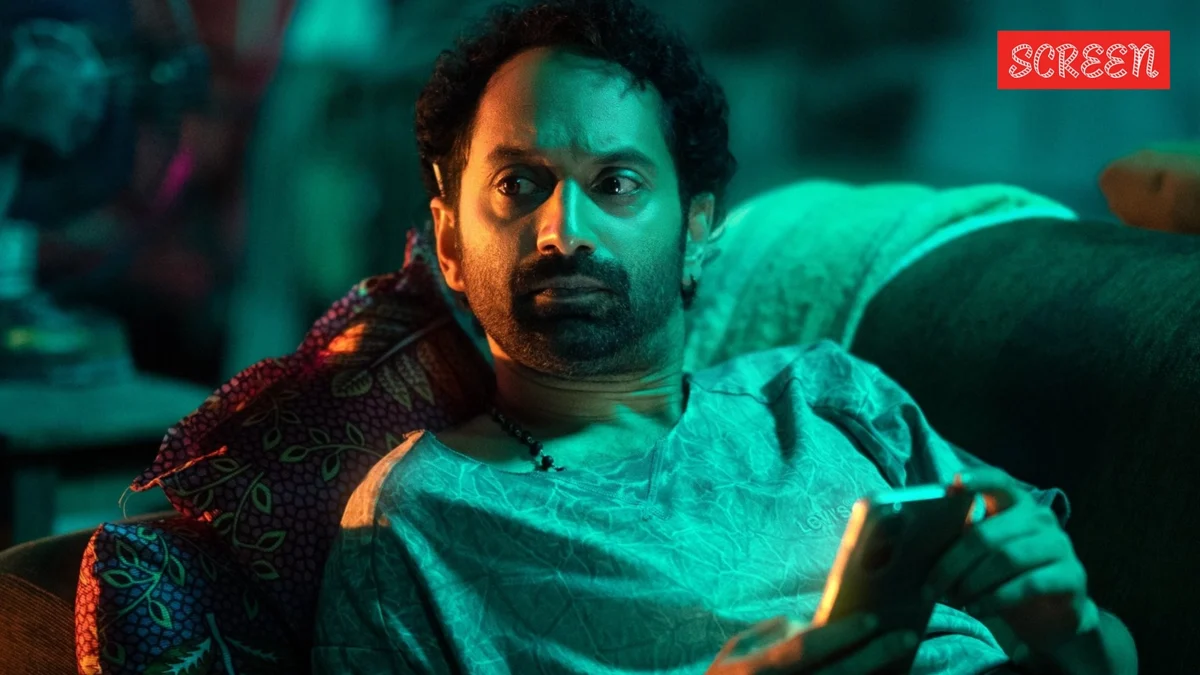
Fahadh Faasil, a name synonymous with nuanced performances and compelling storytelling in Malayalam cinema, has embarked on a significant new chapter with his solo lead debut in the Telugu film, "Don’t Trouble the Trouble." This foray into a new linguistic and industrial landscape has not only presented the actor with profound challenges but also offered him invaluable insights into different filmmaking philosophies. Faasil’s meticulous approach to his craft, his unwavering commitment to authentic performance, and his unique perspective on filmmaking are all brought into sharp focus through his experiences on this ambitious project.
The Genesis of a Cross-Industry Endeavor
"Don’t Trouble the Trouble" marks Fahadh Faasil’s first venture as the sole protagonist in a Telugu film, a significant undertaking for an actor who has predominantly carved his niche within the Malayalam film industry. The decision to step into this new arena was driven by a desire to explore different narrative territories and challenge himself artistically. Faasil revealed in an interview with SCREEN that the script for "Don’t Trouble the Trouble" was unlike anything he had encountered before. "Honestly, I felt like I was hearing a story like this in my life for the first time. I have never heard anything like this before," he confessed, highlighting the script’s originality and its immediate impact on him.
This desire to venture beyond his established comfort zone is a recurring theme in Faasil’s career. He elaborated on the distinctiveness of his Malayalam films, describing them as "very subtle" with "less drama." This contrast fueled his ambition to "try out something in another space." The opportunity presented by "Don’t Trouble the Trouble" proved to be the perfect catalyst for this exploration, especially given the caliber of talent involved. "There are so many talented actors here and they came to me. I didn’t want to lose that opportunity," he stated, underscoring the collaborative spirit that drew him to the project.
The Art of Linguistic Immersion: A Herculean Task
The most formidable challenge Faasil faced was the linguistic barrier. Unlike actors who may rely on dubbing or prompting, Faasil insisted on a method that demanded absolute immersion and authenticity. His process involved a complex mental translation: "The biggest challenge was thinking in Telugu. I think in Malayalam. Then convert to English. Then perform in Telugu. This is all not very smooth. So primarily the challenge was to start thinking in the language. Discovering words. Discovering the language itself." This intricate cognitive process, repeated for every single dialogue across 79 real locations in Hyderabad over eighteen months of production, is a testament to his dedication.
Faasil’s commitment to his performance extended to his refusal to use prompting on set. This decision stemmed from his deep-rooted understanding of sync-sound recording, a standard practice in Malayalam cinema. "I was very particular that I wanted to dub, I wanted to do the lines myself. Back home we do sync sound. So we have to learn our lines. I made sure we function that way here also. There was no prompting on sets. We shot in Telugu," he explained.
Bridging the Gap: Sync Sound Discipline in Telugu Cinema
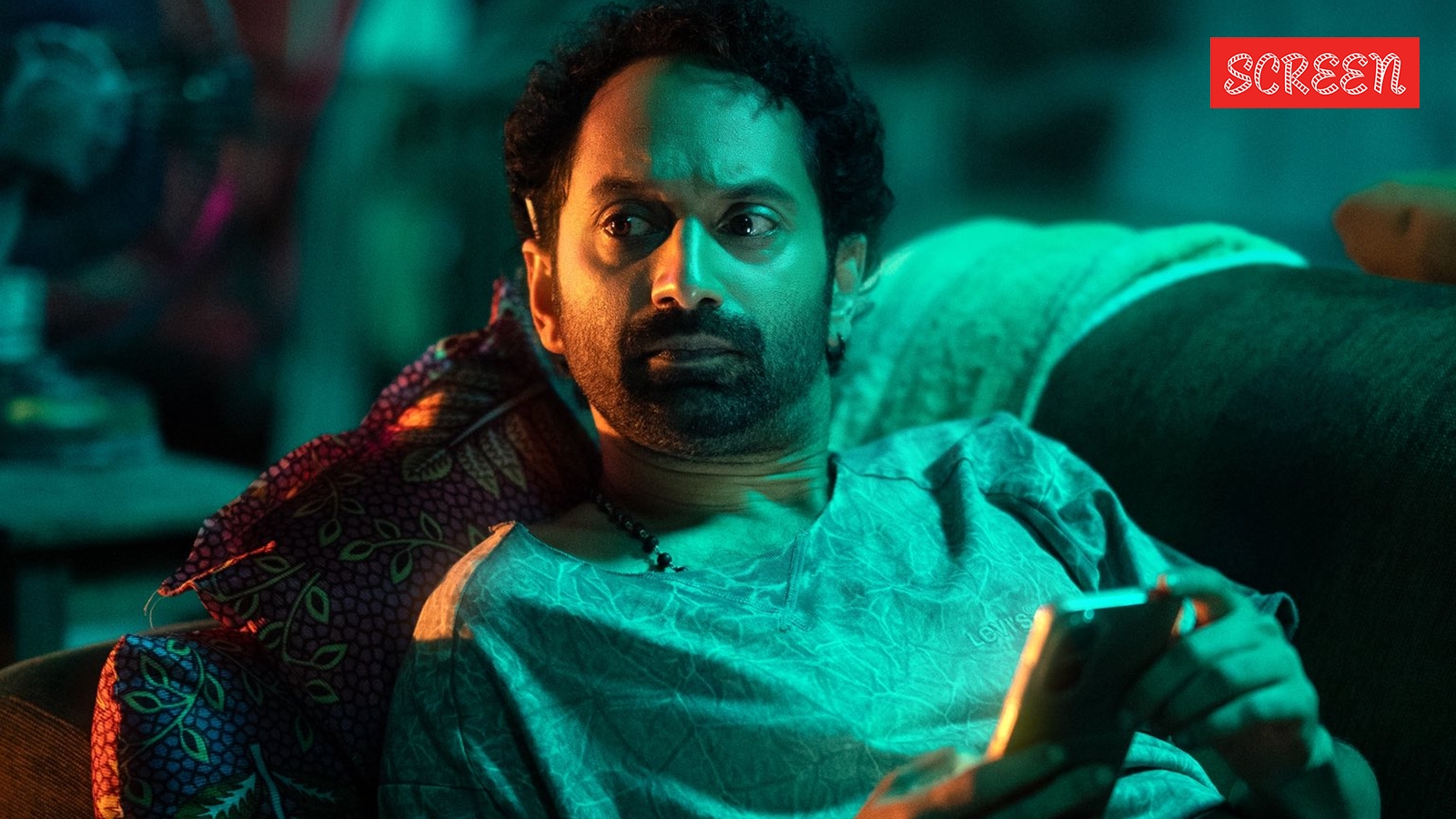
The difference in production methodologies between Malayalam and Telugu cinema presented another significant hurdle. Malayalam cinema predominantly operates on sync sound, requiring absolute silence on set to capture clear audio live. In contrast, Telugu cinema traditionally employs post-production dubbing, which allows for a more relaxed atmosphere on set regarding ambient noise. Faasil, however, consciously brought his ingrained discipline from Malayalam cinema to the Telugu production.
"Malayalam cinema operates almost exclusively on sync sound, where dialogue is recorded live on set, requiring complete silence from the crew. Telugu cinema traditionally dubs dialogue in post-production, which allows for more noise on set during shooting. Hence, Fahadh brought his Malayalam discipline to a Telugu set," the article notes. Faasil elaborated on this, stating, "While we didn’t do sync sound specifically, I made sure we brought something of that sort here. The only thing I told them is I function with a small group. Let’s try and do that." This insistence on a controlled and focused environment, even if not strictly sync sound, reflects his belief in the paramount importance of capturing authentic performance.
Deconstructing "Don’t Trouble the Trouble": A Film for All Ages
Beyond the technical and linguistic hurdles, Faasil offered a profound insight into the thematic core of "Don’t Trouble the Trouble." He was quick to clarify that the film’s appeal transcends its fantastical elements. "The film is all about love. The film is all about concern. The film is all about care. Magic or being invisible, these are all elements. But the film is much deeper and more rooted than all these," he asserted.
When pressed to define the film’s genre, Faasil coined a unique term: "A kids’ film for grown-ups. It brings out the kid in the adult." This description suggests a narrative that taps into a sense of wonder and innocence, resonating with audiences of all ages by evoking shared human emotions and experiences.
Lessons Learned: The Telugu Cinema Ecosystem
Faasil’s engagement with Telugu cinema has been a rich learning experience, extending beyond his own performance. He particularly lauded Telugu cinema’s strategic approach to audience outreach and distribution. "I think Telugu cinema takes a lot of effort. At least in the last five, six years, it made great efforts to take the film outside the country to various other countries. It has to do with planning. It has nothing to do with the creative scope or the quality of your film or the stars. It just needs proper planning," he observed. This insight into the logistical and strategic planning involved in reaching a global audience is something he hopes to integrate into his future Malayalam productions. "Hopefully, I will explore that for my Malayalam films also," he expressed.
Another valuable lesson learned from Telugu cinema was the practice of shooting in controlled studio environments, a departure from Faasil’s usual preference for real locations. "I am trained to performing in real locations. Back home, there are no studios or anything. So we shoot in real locations. I always prefer shooting in real locations," he stated. He acknowledged that "Pushpa" was his first experience shooting in a controlled environment, a testament to the evolving production practices he has encountered.
The Writer’s Primacy: A Malayalam Cinema Ethos
The conversation also touched upon the evolving recognition of writers in Malayalam cinema. Faasil strongly echoed this sentiment, emphasizing the foundational role of writers in filmmaking. "I believe writers are perhaps more important than the actor. And I have functioned like that in my films. I rely on my director and writer a lot," he affirmed. He described his collaborative dynamic as being in "tandem" with the director and writer, stating, "I hold my right hand to the director and my left hand to the writer." This close partnership highlights his belief in a holistic creative process where the script forms the bedrock of the film. For "Don’t Trouble the Trouble," he found this synergistic relationship with writer-director Shashank Yeleti and co-writer Hamza Ali, making the experience feel akin to working with family and friends.
The Art of Collaboration: Discovering Through Diversity
Faasil’s career trajectory has seen him gracefully navigate between Malayalam, Tamil, and Telugu cinema. He views each collaboration as an opportunity for discovery and growth. His experience working with stalwarts like Kamal Haasan provided him with invaluable insights into different approaches to acting and filmmaking. "When I worked with Kamal Haasan, it was a discovery itself. The way he processes, the way he performs, the way he deals with his actors. There is so much to learn from any talent that you collaborate with. Everyone has their own technique. It’s like cooking. You may not cook the way she cooks, but your food will taste good. Every artiste will have a technique. It’s very interesting to watch it closely and discover it," he mused. This philosophy underscores his appreciation for the diverse methodologies and artistic expressions that enrich the cinematic landscape.
The Moral Compass of Suri: A Character’s Arc
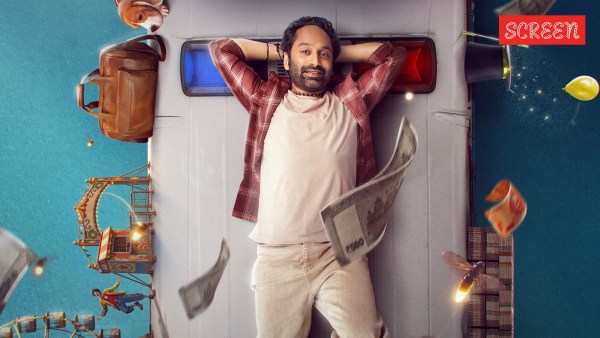
In "Don’t Trouble the Trouble," Faasil portrays Suri, a street magician and con artist whose life takes an unexpected turn upon encountering a young girl named Divya, played by Ssara Palekar. What captivated Faasil about the character was his compelling moral journey. "The character has a very interesting journey from grey to white. That journey is very interesting. In that journey, you see the magic, the fantasy, the love, everything," he explained. This nuanced portrayal of a character undergoing transformation, navigating ethical complexities, and ultimately embracing love and care, is a hallmark of Faasil’s selective script choices.
The Producer’s Insight: Balancing Art and Commerce
Beyond his acting prowess, Fahadh Faasil has also made significant strides as a producer under his banner, Fahadh Faasil and Friends, backing several critically and commercially successful Malayalam films like "Premalu" and "Aavesham." Reflecting on the success of these ventures, he admitted to a degree of surprise. "I knew ‘Bethlehem Kudumba Unit’ would be a hit. But not this big. I didn’t think ‘Aavesham’ would be this big. I do not have a type while selecting a script. The only thing I can judge is whether people like it or not. The rest of it is bonus," he candidly stated.

His approach to script selection as a producer is rooted in a fundamental understanding of narrative structure. "I won’t start a film without a beginning, midpoint and end. These three aspects need to be in place for me to start shooting. Once you have that structuring, then you play around," he elaborated. This foundational principle, combined with a willingness to embrace the unpredictable nature of audience reception, defines his successful production strategy.
A Journey of Resilience and Rediscovery
Fahadh Faasil’s cinematic journey began with "Kaiyethum Doorath" in 2002, a film that, despite his father Fazil’s directorial legacy, did not achieve commercial success. This initial setback led him to step away from acting for six years, during which he pursued philosophy studies in America and immersed himself in world cinema. This period of introspection and exploration proved transformative. "Those six years triggered the want to come back and do one film and maybe go back. One film became 66 films," he reflected. This anecdote underscores his resilience and the profound impact of self-discovery on his artistic path.
Looking ahead, Faasil has confirmed his involvement in another Telugu project with Arka Media Works, slated to commence next year. This reaffirms his commitment to exploring the Telugu film industry and further expanding his artistic horizons.
The Grand Unveiling: "Don’t Trouble the Trouble"
"Don’t Trouble the Trouble" is poised for a wide release on October 2nd, simultaneously in Telugu, Tamil, and Malayalam. The film is produced by Shobu Yarlagadda, Prasad Devineni, and SS Karthikeya under the banners of Arka Media Works and Showing Business. The technical team includes music by Kaala Bhairava, cinematography by Brad Francis, and editing by Praveen Anthony. With Fahadh Faasil at the helm of this unique narrative, the film promises to be a captivating cinematic experience that explores themes of love, care, and the enduring spirit of childhood within adults. His meticulous approach, coupled with the innovative storytelling of the film, sets the stage for a memorable contribution to Indian cinema.
