

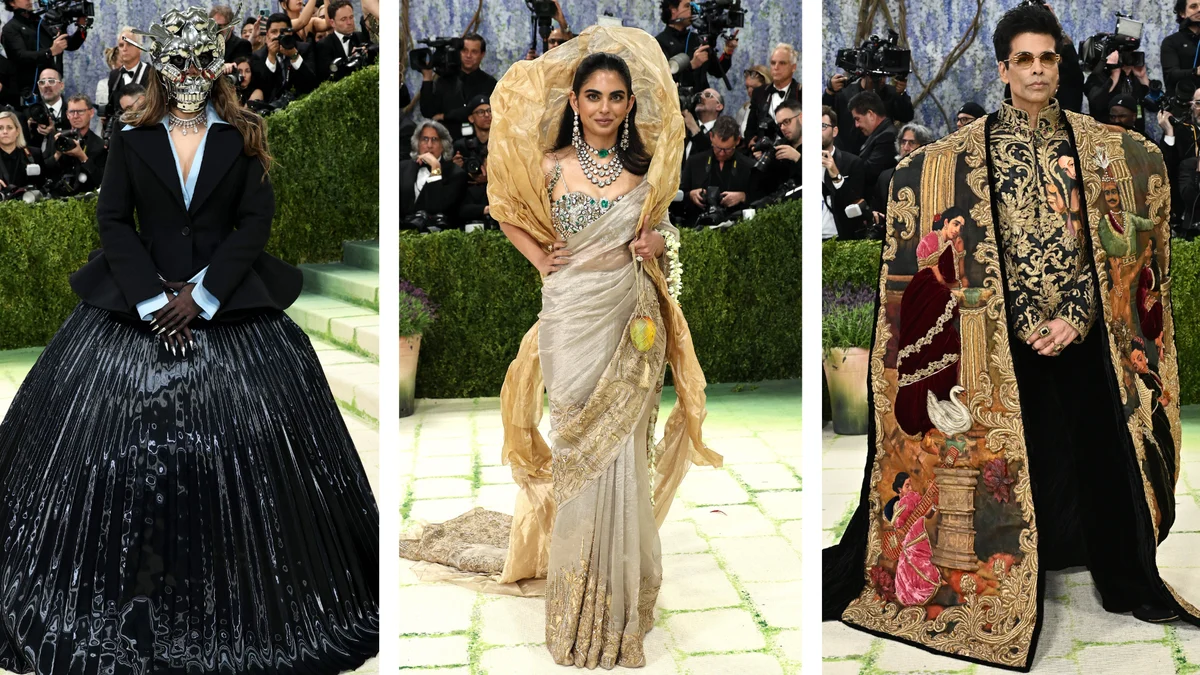
New York City, NY – May 7, 2026 – The first Monday in May, a date etched into the fashion calendar as the pinnacle of sartorial expression, unfolded with a familiar yet distinctly muted grandeur at the Metropolitan Museum of Art. The Met Gala 2026, an event synonymous with audacious creativity and celebrity spectacle, seemed to have turned down its usual volume, leaving many observers questioning the evolving nature of this iconic night. While the usual constellation of stars graced the red carpet, the overarching sentiment was one of restraint, a stark contrast to the bold pronouncements of previous years.
Amidst this somewhat subdued atmosphere, a significant talking point emerged from the digital ether: a critical discourse from the influential Instagram account Diet Prada, which directly questioned the potential racial undertones of a Chanel ensemble worn by actress Bhavitha Mandava. This critique, amplified by the account’s considerable reach and its inspiration to burgeoning Indian fashion commentary platforms like Diet Sabya and Diet Paratha, highlighted the increasingly scrutinizing lens through which celebrity fashion is viewed, particularly concerning cultural appropriation and representation.
Beyond the controversies, the Met Gala continues to be a fascinating barometer of global trends and cultural exchange. This year, the growing presence and influence of the Indian contingent stood out, with figures like Ananya Birla, Isha Ambani, and Karan Johar making notable appearances, further cementing India’s increasingly prominent role on the international fashion stage. Their sartorial choices, as always, sparked conversation, blending global high fashion with distinct Indian aesthetics and pride.
A Quiet Revolution on the Red Carpet: The Met Gala 2026 Under the Microscope
The Met Gala, more than just a fundraising event for the Metropolitan Museum of Art’s Costume Institute, has evolved into a global cultural phenomenon. It’s a night where fashion transcends mere clothing, becoming a canvas for artistic interpretation, social commentary, and brand statement. Traditionally, the first Monday in May in New York City is a thrilling spectacle, a meticulously curated evening where the guest list, the chosen co-chairs, and the daring attempts of celebrities to embody a museum’s thematic brief in haute couture converge to create a captivating, often absurd, visual narrative.
However, the 2026 iteration of the Met Gala left many feeling that the usual effervescence was dialed down. The sheer audacity and boundary-pushing designs that have become synonymous with the event seemed to be tempered by a more conservative approach. While glamour was undeniably present, the sense of daring, of truly challenging fashion norms, felt less pronounced. This shift in tone has sparked considerable debate within fashion circles and among the public alike.
The exhibition itself, always a highlight for fashion aficionados, provides the thematic bedrock for the evening’s sartorial interpretations. This year, the exhibition’s theme, though perhaps not as overtly provocative as some past iterations, still offered ample opportunity for creative expression. Yet, the red carpet responses, while aesthetically pleasing, lacked the electrifying impact that has characterized the event in years gone by.
The Bhavitha Mandava Controversy: A Microcosm of Cultural Scrutiny
The digital discourse ignited by Diet Prada regarding Bhavitha Mandava’s Chanel gown brought a sharp focus to the intricate relationship between high fashion, celebrity, and cultural sensitivity. The headline, "Was Chanel’s outfit for Bhavitha Mandava, racist?" propelled a nuanced conversation about representation, appropriation, and the responsibility of global luxury brands.
While the article acknowledges that a definitive judgment on the look’s racial implications is subjective and open to interpretation, it underscores the growing awareness and vocalization of such concerns, particularly within online communities. The Met Gala, with its global spotlight, inevitably becomes a stage where these discussions are amplified. The engagement of Indian-led commentary accounts like Diet Sabya and Diet Paratha in dissecting these issues further illustrates the evolving landscape of fashion critique, where cultural context and heritage are increasingly central to the evaluation of celebrity style.
This particular incident serves as a potent reminder that in an increasingly interconnected world, fashion choices, especially those made by prominent figures on a global platform, are subject to intense scrutiny. The onus is on designers, celebrities, and their stylists to navigate these sensitivities with grace, research, and a deep understanding of cultural nuances, moving beyond superficial aesthetics to engage with deeper meanings and historical contexts.
India’s Ascending Presence: A Cultural Tapestry on Display
The Met Gala has, in recent years, witnessed a significant and celebrated increase in its Indian contingent. This year was no exception, with prominent figures like Ananya Birla, Isha Ambani, and Karan Johar gracing the event, each bringing their unique style and a distinct Indian flair to the international stage. Their presence is not merely symbolic; it represents a growing confidence and assertiveness of Indian culture and design on a global scale.
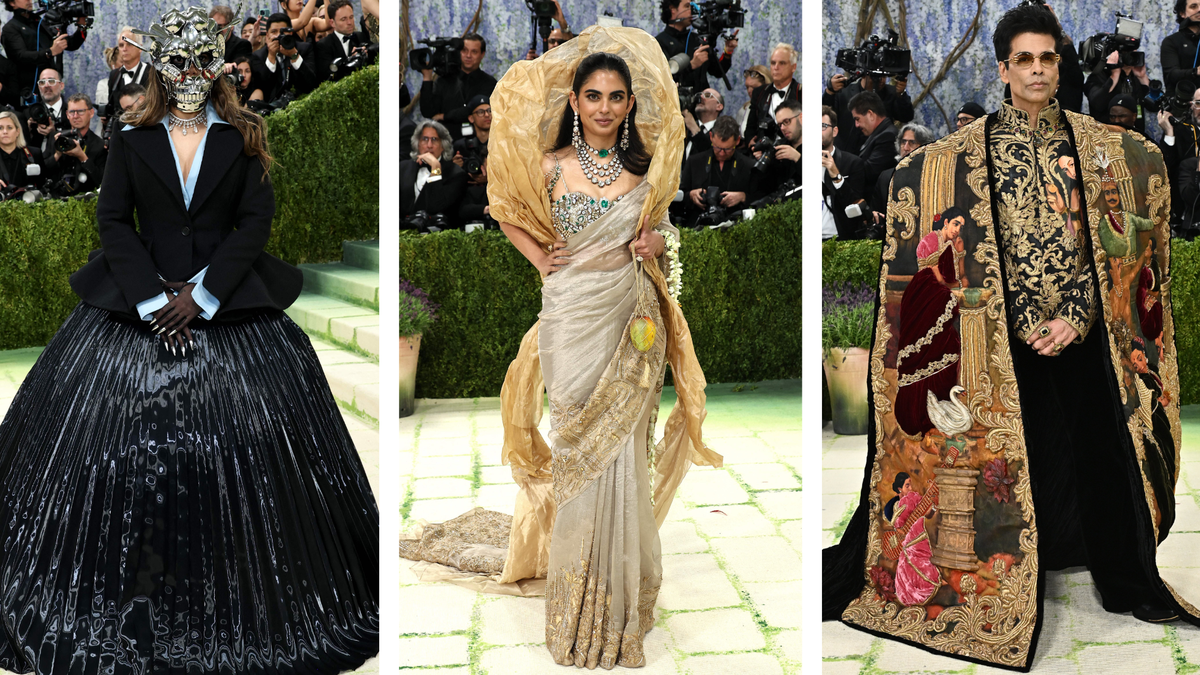
The "ever-growing Indian contingent" has become a highlight for many, as they consistently bring their heritage "on their sleeves," weaving it seamlessly into the high-fashion narrative of the Met Gala. This year, too, these individuals likely showcased ensembles that resonated with both contemporary global trends and the rich tapestry of Indian aesthetics. Whether through intricate embroidery, vibrant color palettes, or silhouettes inspired by traditional Indian wear, their contributions have added a vital dimension to the event, demonstrating that cultural pride and high fashion are not mutually exclusive but can, in fact, be powerful allies.
The increasing visibility of Indian celebrities and designers at events like the Met Gala signals a broader shift in the global fashion industry. It reflects a growing appreciation for diverse cultural influences and a recognition of the economic and creative power emanating from India. This is not just about individual style statements; it’s about the broader narrative of India’s cultural soft power and its burgeoning influence in shaping global trends and conversations.
The Exhibition and Its Interpretations: A Deeper Dive into the Met Gala’s Core
While the red carpet often dominates the headlines, the true heart of the Met Gala lies in its accompanying exhibition. The Costume Institute’s curated displays are meticulously researched, offering a scholarly exploration of fashion history, design, and cultural significance. This year’s exhibition, presumably providing the thematic inspiration for the gala, would have offered a rich context for the designers and celebrities to draw upon.
The success of a Met Gala, in many ways, is measured by how effectively the attendees interpret the exhibition’s theme. A truly memorable Met Gala sees a convergence of creative vision, where the spirit of the exhibition is not just acknowledged but amplified and reinterpreted through individual style. The “beautiful absurdity” that the article alludes to often arises when celebrities push the boundaries of interpretation, sometimes brilliantly, sometimes to humorous effect.
For an exhibition to truly resonate, it needs to be more than just a collection of beautiful garments. It should provoke thought, challenge perceptions, and offer new insights into the world of fashion. The Met Gala then becomes a dynamic, living extension of this scholarly work, bringing it to life on a grand scale. The subdued nature of the 2026 red carpet might, in part, suggest that the exhibition’s theme, or perhaps the collective interpretation of it, did not ignite the same level of fervent, boundary-breaking responses as in previous years.
Looking Ahead: The Evolving Identity of the Met Gala
The Met Gala is a constantly evolving entity. Its identity is shaped not only by the themes chosen by the Costume Institute but also by the prevailing cultural climate, the designers at the forefront of innovation, and the celebrities who choose to participate. The muted tones of 2026 might indicate a collective recalibration, a moment of introspection within the fashion world.
The increasing emphasis on social responsibility, ethical sourcing, and cultural sensitivity is likely to continue influencing how fashion is created and consumed. The scrutiny faced by brands and individuals at events like the Met Gala serves as a catalyst for greater awareness and a more thoughtful approach to design and representation.
Furthermore, the growing influence of digital platforms and the power of online commentary, as exemplified by Diet Prada and its ilk, mean that fashion is no longer solely dictated by traditional gatekeepers. The public, armed with social media, now has a more direct and immediate voice in shaping fashion discourse. This democratizing effect will undoubtedly continue to shape the Met Gala, making it a more dynamic and participatory event in the years to come.
The Met Gala 2026, while perhaps less overtly spectacular than some of its predecessors, was a significant moment. It highlighted the enduring power of fashion to spark conversation, the increasing global influence of Indian culture, and the ever-present need for thoughtful engagement with issues of representation and cultural sensitivity. As the fashion world continues to navigate these complex terrains, the Met Gala will undoubtedly remain a crucial, albeit evolving, stage for these critical dialogues.
