

MADURAI – In the heart of a city internationally renowned for its pungent kari dosas, succulent mutton chukka, and the rhythmic clatter of spatulas preparing flaky parottas, a new aromatic profile is beginning to take root. Madurai, often hailed as the culinary soul of Tamil Nadu, is currently witnessing a significant diversification of its palate. At the forefront of this gastronomic shift is Phil’s Bistro, located in the bustling neighborhood of KK Nagar, which has launched a dedicated Thai Food Festival aimed at introducing authentic Southeast Asian flavors to a community traditionally rooted in deep-south spice profiles.
The festival represents more than just a temporary menu change; it is a calculated effort to test the waters of international fine dining in a Tier-2 city that is rapidly evolving. From the sharp, citrusy notes of lemongrass to the rich, velvet textures of coconut-based curries, Phil’s Bistro is attempting to bridge the 2,500-mile gap between the streets of Bangkok and the corridors of Managiri.
Main Facts: A Bold Departure from Tradition
Phil’s Bistro, situated at 444, 9th Main Road, Managiri, has carved a niche for itself as a purveyor of "wholesome, traditional" international fare. The ongoing Thai Food Festival is the latest iteration of its mission to broaden the local horizon. The festival features a curated selection of Thailand’s most iconic exports, including Tom Yum and Tom Kha soups, Massaman curry, and the ubiquitous Pad Thai.
The central challenge, and the primary draw of the festival, is the commitment to authenticity. For a city like Madurai, where "spicy" usually translates to black pepper and dried red chilies, the complex "five-flavor" balance of Thai cuisine—salty, sweet, spicy, sour, and bitter—presents a sophisticated alternative.
Philip Abraham, the founder of Phil’s Bistro, emphasizes that the venture is an educational journey as much as a culinary one. "Madurai is still very much in its infancy when it comes to Thai cuisine," Abraham notes. To ensure the integrity of the dishes, the bistro has bypassed local substitutes, opting instead to import essential pastes, sauces, and specific aromatics that define the Thai kitchen. This commitment to sourcing ensures that the Galangal and Kaffir lime leaves provide the specific, pungent punch required for a true Tom Yum, rather than settling for the local ginger or lime varieties that would alter the dish’s DNA.
Chronology: From Concept to the Madurai Table
The journey of the Thai Food Festival began several months ago with a rigorous sourcing phase. Recognizing that the Madurai market is increasingly traveled and exposed to global trends via social media, the management at Phil’s Bistro identified a gap in the local "Asian" food segment, which is often dominated by Indo-Chinese "Manchurian" styles rather than authentic regional specialties.
- Sourcing and Logistics (January – March 2026): The bistro established supply lines for imported ingredients. Authentic Thai cooking relies heavily on specific brands of fish sauce, shrimp paste, and bird’s eye chilies.
- Menu Curation: The chefs worked on a menu that would be accessible yet uncompromising. The decision was made to focus on "staples"—dishes that serve as the perfect entry point for a novice while satisfying the cravings of a seasoned traveler.
- The Launch (April 2026): The festival opened to the public, strategically positioned in KK Nagar, an area known for its upwardly mobile residents and a growing population of young professionals.
- Ongoing Reception: Since its launch, the festival has seen a steady uptick in footfall, particularly during weekend dinner services, signaling a readiness among Madurai residents to experiment beyond the traditional biryani and parotta circuits.
Supporting Data: A Deep Dive into the Menu
The menu at Phil’s Bistro is structured to take the diner through a sensory progression. The culinary experience begins with the soup course, where the bistro offers two distinct philosophies of Thai broth.
- The Soups: The Tom Yum (available with chicken or prawn) is a clear, spicy, and sour masterpiece. It serves as a litmus test for the kitchen’s ability to balance heat with the refreshing zing of lemongrass. In contrast, the Tom Kha offers a gentler introduction, utilizing a creamy coconut milk base that provides a silken mouthfeel, tempering the heat of the chilies.
- The Appetizers: A standout feature is the "Shrimp in a Blanket." This dish highlights technical precision; the shrimp is seasoned, wrapped in a delicate pastry skin, and deep-fried. The data of the dish lies in the contrast—a measured 180-degree fry that ensures a shatteringly crisp exterior while maintaining a juicy, translucent interior. For vegetarians, the Thai-style tofu offers a masterclass in texture, moving away from the rubbery consistency often found in local eateries.
- The Mains: The centerpiece of the main course is the Massaman Curry. Historically a fusion of Malay and Thai styles, the version at Phil’s Bistro is rich and fragrant, leaning into the warmth of cardamom and cinnamon. This is paired with a Shiitake mushroom and tofu stir-fry, providing an earthy, umami-heavy counterpoint to the curry’s richness.
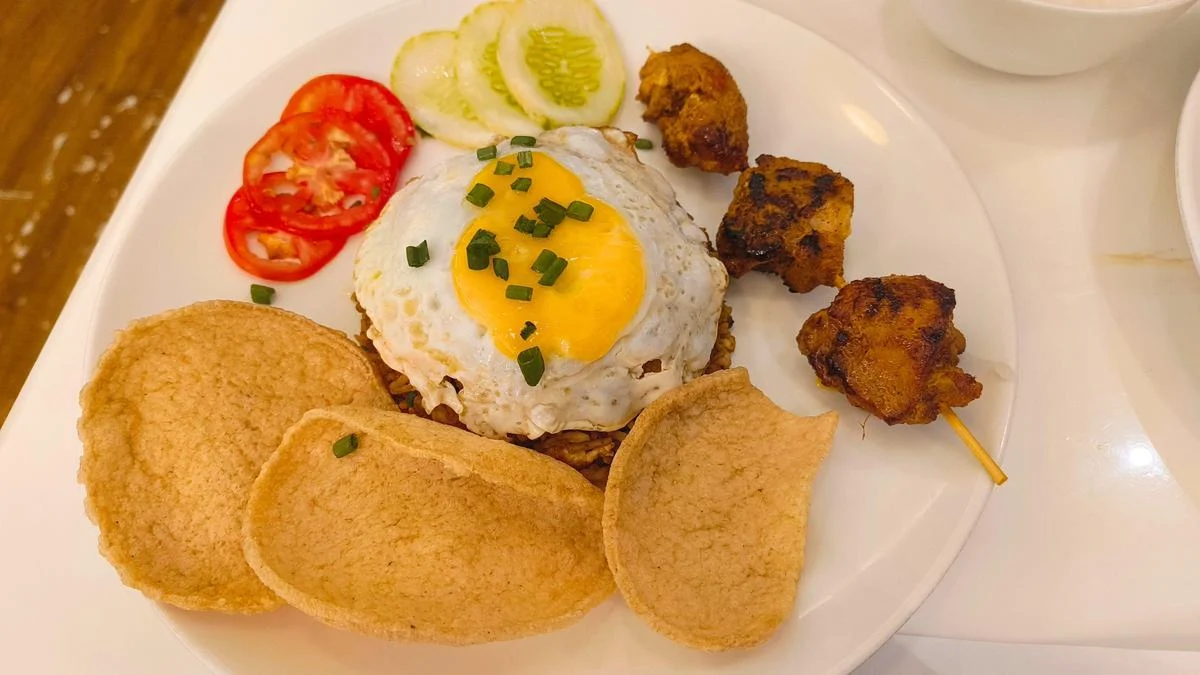
- Nasi Goreng: While Indonesian in origin, the bistro’s version fits the broader Southeast Asian theme, served with keropok (Thai crackers). The presentation is meticulous: a mound of seafood-rich fried rice topped with a "golden half-boiled egg," where the runny yolk acts as a natural sauce for the rice.
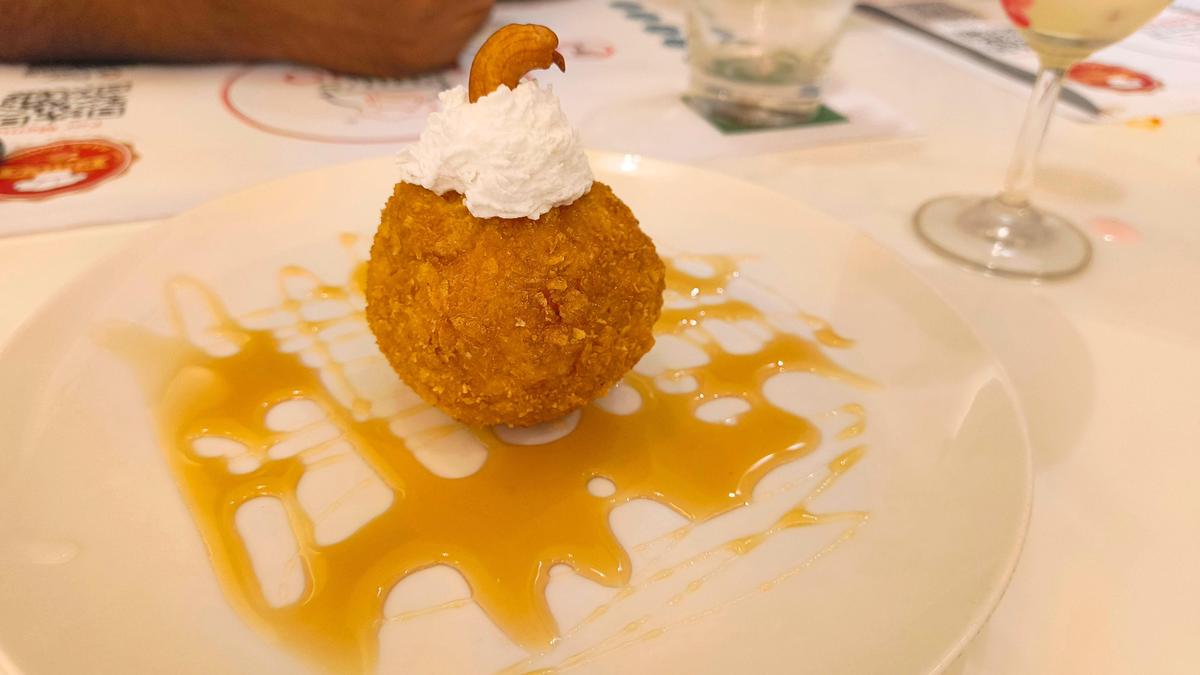
- The Desserts: The festival concludes with two extremes. The Tub Tim Krob (Red Ruby) features water chestnuts soaked in red syrup, served in chilled coconut milk. It is a dish of subtle sweetness and textural play. On the other end of the spectrum is the "Crispy Fried Ice Cream"—a high-concept dessert involving a flash-fried breaded shell surrounding a frozen core, a favorite for the local "Instagramming" demographic.
The pricing strategy is also a point of data; at approximately ₹1500 for a meal for two, the bistro positions itself as an "attainable luxury," making it accessible for celebratory dinners without being prohibitively expensive.
Official Responses: The Founder’s Vision
Philip Abraham’s perspective provides insight into the changing demographics of the "City of Junctions." Speaking on the rationale behind the festival, Abraham stated, "We introduced this idea as Madurai is still new to Thai cuisine. The goal wasn’t just to feed, but to introduce a new vocabulary of flavor."
He addressed the logistical hurdles of maintaining quality in a Tier-2 city: "Most of the ingredients needed for authentic Thai flavors, including sauces and pastes, are imported. You cannot replicate the depth of a Thai green or red curry using local substitutes. The customers here are discerning; they know when a dish lacks that essential punch."
Staff at the bistro have also noted a shift in customer behavior. Waitstaff are increasingly being asked about the specific origins of ingredients and the heat levels of the curries, indicating a high level of engagement from the Madurai public. The kitchen team, trained to handle the delicate balance of Thai aromatics, reports that the Massaman curry and the Tom Yum soup have emerged as the most requested items, suggesting a local preference for dishes that mirror the "spice-heat" of South Indian cuisine but with different aromatic foundations.

Implications: The "Globalized" Madurai
The success of the Thai Food Festival at Phil’s Bistro carries broader implications for the hospitality industry in Southern Tamil Nadu.
1. The Diversification of Tier-2 Palates:
For decades, the culinary identity of Madurai was monolithic. While celebrated, it left little room for international exploration. The reception of Thai cuisine suggests that as the city grows—fueled by the IT sector, improved healthcare infrastructure, and increased connectivity—the demand for global flavors will only intensify.
2. Supply Chain Evolution:
The fact that a bistro in Madurai can successfully sustain a menu based on imported Thai ingredients signifies an evolution in India’s food supply chain. What was once only possible in Chennai or Bangalore is now feasible in Madurai, provided the establishment is willing to invest in the logistics of authenticity.
3. Culinary Tourism and Economic Impact:
Madurai is already a massive draw for temple tourism. By diversifying its food offerings, the city creates a "sticky" environment for tourists who might otherwise leave after a day. A vibrant, multi-ethnic food scene encourages longer stays and higher per-capita spending, benefiting the local economy.
4. The "Experience" Economy:
The popularity of dishes like the "Fried Ice Cream" and the "Red Ruby" highlights the shift toward the "experience economy." Modern diners are looking for "shareable" moments—both in terms of flavor and visual appeal. Phil’s Bistro has tapped into this by focusing on presentation and the "novelty" factor of Thai cuisine.
In conclusion, the Thai Food Festival at Phil’s Bistro is a microcosm of a larger transformation. As the scent of basil and kaffir lime wafts through the streets of KK Nagar, it signals a Madurai that is confident in its own traditions yet curious enough to embrace the world. For the locals, it is no longer just about the kari dosa; it is about the thrill of the first sip of a spicy Tom Yum on a warm April evening.
