

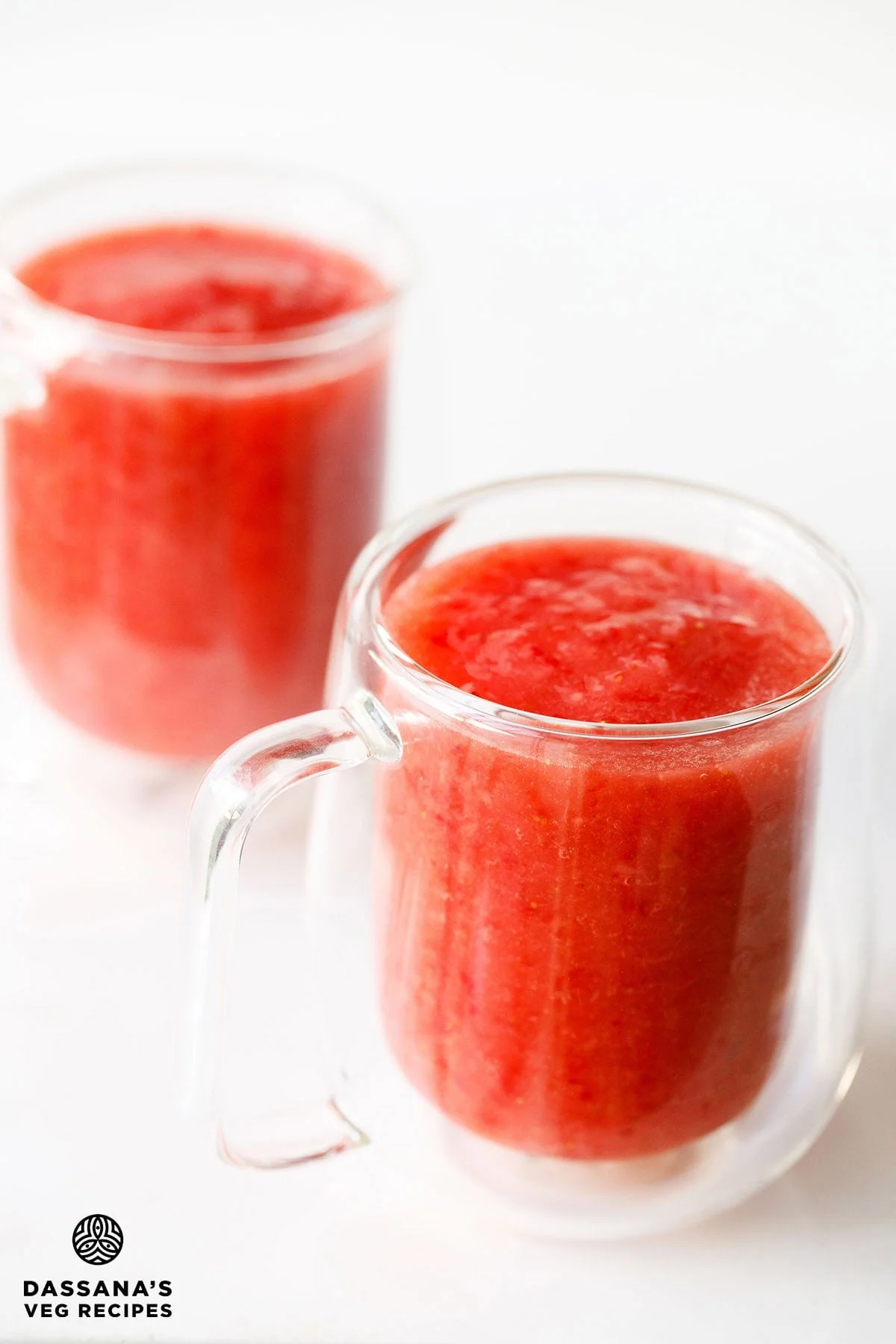
In an era increasingly defined by health consciousness and a move away from processed sugars, the humble strawberry has emerged as a cornerstone of the domestic beverage revolution. Strawberry juice—a deceptively simple concoction of blended fruit, water, and optional sweeteners—is currently witnessing a significant uptick in popularity among culinary enthusiasts and health-conscious consumers alike. This shift represents a broader trend in the global beverage market, where the demand for transparency, nutritional integrity, and "no-cook" preparation methods is reshaping kitchen habits.
Main Facts: The Anatomy of a Modern Super-Drink
At its core, the production of strawberry juice is an exercise in culinary minimalism. The process requires only a high-speed blender and a few base ingredients, ensuring that the fruit’s volatile flavor compounds and heat-sensitive nutrients remain intact. Unlike commercial juices that often undergo pasteurization or high-pressure processing (HPP), homemade strawberry juice retains the "fresh-picked" essence that is often lost on supermarket shelves.
The versatility of the beverage is one of its primary drivers. Depending on the ratio of water to fruit, the drink can vary from a light, refreshing hydrator to a thick, indulgent nectar. Modern iterations of the recipe have also introduced sophisticated flavor pairings. While the traditional blend focuses on the fruit’s natural tartness, contemporary variations often incorporate rose water for floral complexity, lemon or lime for brightness, or ginger for a thermodynamic "kick."
Furthermore, the adoption of frozen fruit as a primary ingredient has democratized the beverage. By utilizing frozen strawberries, consumers can achieve a naturally chilled, slush-like texture without the dilution typically caused by added ice. This method also addresses the issue of seasonality, allowing for the consumption of antioxidant-rich berries throughout the year, regardless of local harvest cycles.
Chronology: From Harvest to Glass
The lifecycle of strawberry juice preparation follows a precise chronological sequence designed to maximize flavor extraction and textural consistency.
- Sourcing and Preservation: The process begins with the selection of the fruit. In the peak of summer, fresh strawberries are preferred for their aromatic intensity. However, the chronological shift toward freezing strawberries has become a standard practice for year-round availability. Freezing not only preserves the fruit at its nutritional peak but also breaks down the cellular structure of the berry, making it easier to blend into a smooth consistency.
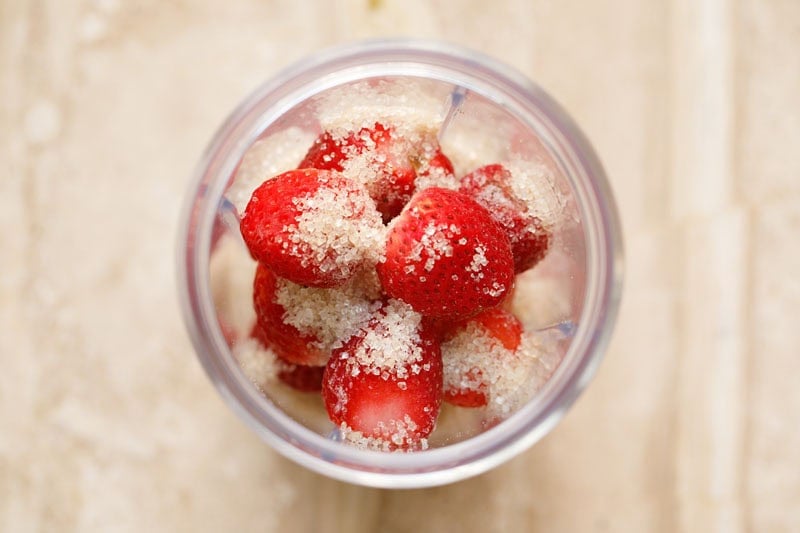
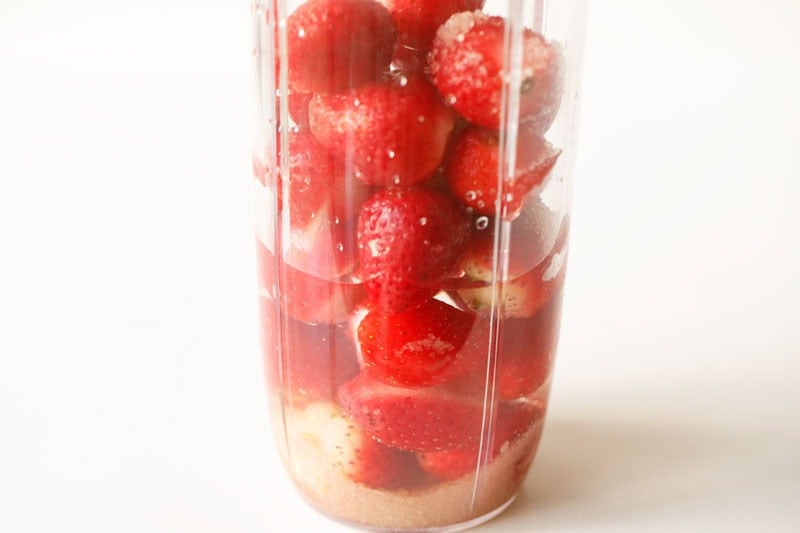
- The Preparation Phase: Unlike traditional fruit preserves or syrups, strawberry juice requires zero thermal processing. The fruit is added directly to a blender. If using frozen berries, they are often used straight from the freezer to maintain a low temperature, though a brief "thawing window" of a few minutes may be employed to protect the blender blades.
- The Blending Cycle: Water and sweeteners (ranging from refined sugar to honey or agave) are introduced. This stage is critical for determining the final viscosity. A standard batch typically utilizes two cups of berries to approximately 1.5 cups of water. The blending duration varies; a short pulse yields a rustic, textured juice, while a sustained high-speed blend results in a silky, homogenous liquid.
- Flavor Infusion and Final Adjustments: Once the base is smooth, secondary ingredients like rose water or mint are added. This is the final step before the juice is served. Experts recommend immediate consumption to prevent the natural separation of solids and liquids, a process known as sedimentation, which occurs when the juice lacks the chemical stabilizers found in commercial products.
Supporting Data: Nutritional and Economic Metrics
The nutritional profile of homemade strawberry juice provides compelling evidence for its status as a superior alternative to carbonated soft drinks. Based on standardized recipe data, a single serving (approximately one glass) contains:
- Caloric Load: 138 kcal
- Vitamin C: 85 mg (over 100% of the daily recommended intake for many adults)
- Fiber: 3 grams (when served unstrained)
- Potassium: 221 mg
- Antioxidants: Significant levels of folate (35 µg) and Vitamin A (17 IU)
The high Vitamin C content is particularly noteworthy. As a powerful antioxidant, Vitamin C is essential for immune function and skin health. By avoiding the cooking process, the "bioavailability" of these nutrients is maximized.
From an economic perspective, the rise of homemade juice is a response to the "premiumization" of the bottled juice market. With high-end organic juices retailing for significant prices per bottle, the "cost-per-glass" of homemade strawberry juice—especially when using bulk-purchased frozen fruit—is estimated to be 60-70% lower than retail equivalents. This makes it an attractive option for families looking to maintain a high-nutrient diet on a budget.
Official Responses: Expert Perspectives on the "DIY" Beverage Trend
Nutritionists and culinary scientists have weighed in on the implications of the strawberry juice trend. Dr. Elena Richardson, a specialist in nutritional biochemistry, notes that the "unstrained" nature of the homemade recipe is its greatest asset.
"When consumers blend their juice at home and choose not to strain the pulp, they are retaining the essential dietary fiber and polyphenols found in the strawberry seeds and skin," Dr. Richardson stated. "Commercial juices often filter these out to achieve a clear appearance, but in doing so, they strip the fruit of its ability to regulate blood sugar spikes."
Culinary historian Marcus Thorne views the trend as a return to "slow food" values through "fast tech" means. "We are seeing a rejection of the hyper-processed beverage. The blender has become the modern hearth; it allows for a return to natural ingredients without the hours of labor that our ancestors would have endured to press fruit by hand."
Furthermore, agricultural representatives from major strawberry-growing regions have expressed support for the use of frozen fruit. "The freezing technology used today flash-freezes berries within hours of picking," says a spokesperson for the National Berry Growers Association. "This ensures that the nutritional data of a frozen berry is often superior to a ‘fresh’ berry that has spent a week in a supply chain."
Implications: Health, Industry, and the Environment
The shift toward homemade strawberry juice carries significant implications for several sectors.
1. The Beverage Industry Disruption
As more households adopt high-performance blenders, the market share of traditional juice manufacturers is under pressure. To compete, major brands are being forced to reduce additives and move toward "cold-pressed" labels, though they struggle to match the price point of home-blended alternatives.
2. Environmental Impact
The environmental footprint of the homemade juice movement is substantially smaller than that of the commercial sector. By eliminating the need for single-use plastic bottles and reducing the carbon emissions associated with transporting heavy liquid cargos, the DIY juice trend aligns with global sustainability goals. One kilogram of frozen strawberries represents significantly less packaging waste than the equivalent volume of bottled juice.
3. Public Health and Sugar Literacy
Perhaps the most profound implication is the increase in "sugar literacy." When individuals make their own juice, they gain a direct understanding of the amount of sweetener required to balance the fruit’s acidity. This often leads to a gradual reduction in sugar intake, as consumers learn to appreciate the natural tang of the strawberry—a palate shift that is rarely achieved through the consumption of standardized commercial products.
4. The Future of Functional Beverages
The "flexibility" of the strawberry juice recipe suggests a future where beverages are highly personalized. The ability to add ginger for inflammation, or rose water for stress reduction, transforms a simple fruit drink into a "functional beverage." This customization is the frontier of modern nutrition, moving away from a "one size fits all" approach to hydration.
In conclusion, strawberry juice is more than a simple summer refreshment. It is a manifestation of a global shift toward nutritional autonomy, economic efficiency, and environmental responsibility. As the technology of home appliances continues to evolve, the barrier between the professional kitchen and the domestic counter disappears, one glass of blended fruit at a time. Whether enjoyed as a breakfast accompaniment or a chilled afternoon tonic, strawberry juice stands as a testament to the enduring power of fresh, simple ingredients.
